
2025 Cab and Chassis Trucks For Sale in Colorado

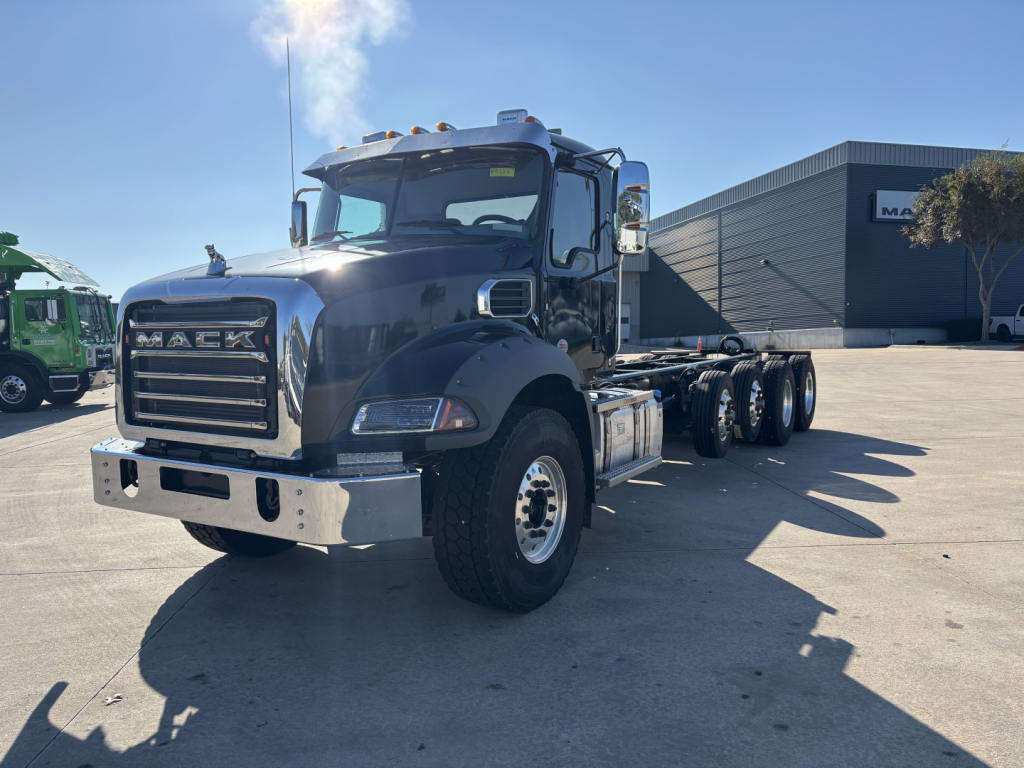
Have 2025 cab and chassis truck to sell? List it here to reach thousands of buyers.
2025 Cab and Chassis Trucks in Colorado
Cab and chassis trucks are available in a wide spread of configurations, from Class 3 and Class 4 platforms for lighter service work up to severe-duty Class 8 chassis for concrete, municipal, refuse, and heavy hauling applications. Common specs include regular cab, extended cab, or crew cab layouts, single or tandem rear axles, and diesel, gasoline, or battery-electric power depending on route profile and duty cycle. Many buyers also compare PTO readiness, frame rail strength, suspension type, and front axle capacity before they look at interior trim. A truck with the right frame section modulus, clear back-of-cab packaging, and correct electrical provisions will simplify the upfit process and reduce downtime between delivery and deployment.
Colorado use cases often push buyers toward more careful spec decisions than flatter markets. Steep grades, winter traction demands, and jobsite access can favor locking differentials, automatic traction control, heavier front axles, and vocational suspensions that handle shifting payloads. If the body will carry tools, cranes, compressors, or hydraulic equipment, verify available PTO openings, alternator output, and battery capacity early. If the truck will be used in municipalities or dense urban routes, visibility, turning radius, automatic transmissions, and camera prep can be just as important as raw horsepower. Newer 2025 platforms may also include advanced driver assistance features, telematics integration, and improved service access that help fleets manage operating cost over the life of the truck.
The best cab and chassis truck is the one that matches the finished application, not just the published GVWR. Body length, lift axle requirements, bridge law considerations, fuel type, and total payload all need to work together. A buyer comparing listings should confirm cab-to-axle, axle spread, wheelbase, frame height, suspension capacity, and any factory body-builder support. That is especially important for buyers planning a dump, utility, rollback, or municipal build, where a small mismatch in dimensions can create major delays or force expensive changes at the upfitter. In this category, a clean spec sheet is worth as much as a strong powertrain.
Frequently Asked Questions about 2025 Cab and Chassis Trucks in Colorado
What is a cab and chassis truck used for?
A cab and chassis truck is a stripped chassis with a finished cab that is built to receive a vocational body. Common applications include flatbeds, dump trucks, service trucks, utility trucks, box trucks, wreckers, hooklifts, refuse bodies, and tank units. The main buying advantage is flexibility, because the chassis can be matched to the exact payload, axle capacity, and body length the operation requires.
Which specs matter most when buying a 2025 cab and chassis truck?
The most important specs are GVWR, front and rear axle ratings, wheelbase, cab-to-axle measurement, frame rail strength, suspension type, and powertrain compatibility with the intended body. Buyers should also verify PTO capability, fuel tank placement, exhaust routing, electrical provisions, and back-of-cab clearance. These details determine whether the chassis can be upfitted correctly and whether the completed truck will carry weight legally and perform well in service.
How do Colorado operating conditions affect cab and chassis truck selection?
Colorado buyers often need to account for altitude, mountain grades, winter road conditions, and rough access roads. Higher torque output, proper rear axle ratios, automatic or automated transmissions tuned for grade performance, locking differentials, and durable vocational suspensions can all improve real-world usability. Cooling performance, brake specification, and traction aids also matter more in this region than they might in flatter, warmer markets.
Is a diesel or electric cab and chassis better for vocational work?
It depends on the route, payload, and daily operating cycle. Diesel remains the standard for long days, heavy payloads, PTO-driven equipment, and rural or mixed terrain use because of its range and service familiarity. Electric cab and chassis models can be a strong fit for urban delivery, municipal routes, and predictable return-to-base operations where charging access is controlled and daily miles are consistent. The correct choice comes down to duty cycle, body equipment power demands, and total operating cost.
Why is cab-to-axle measurement so important on a cab and chassis truck?
Cab-to-axle, often shortened to CA, determines what body length and body style can be installed on the chassis. If the CA is wrong, the body may not fit correctly, axle loading may be off, and the upfitter may need to make costly modifications. It is one of the first dimensions body manufacturers use when matching a chassis to a dump body, flatbed, utility body, rollback, or van body.