
2025 Cab and Chassis Trucks For Sale in Arkansas
Shop 2025 cab and chassis trucks for sale in Arkansas. Compare wheelbases, GVWR, engine options, PTO readiness, and body upfit compatibility.
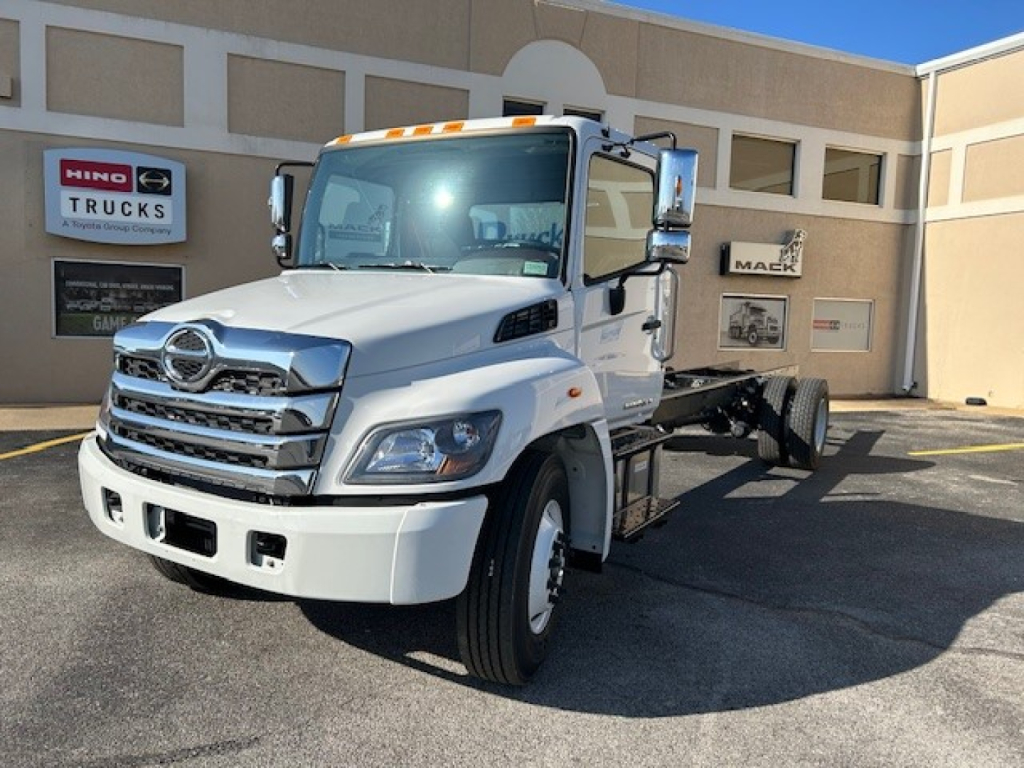
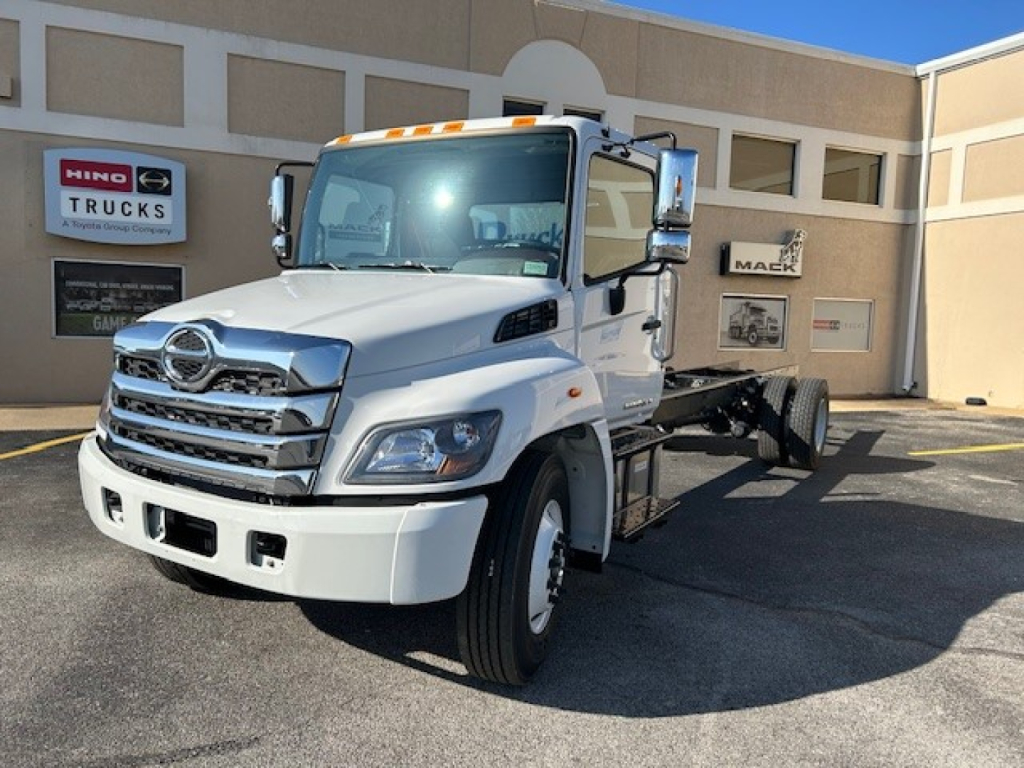
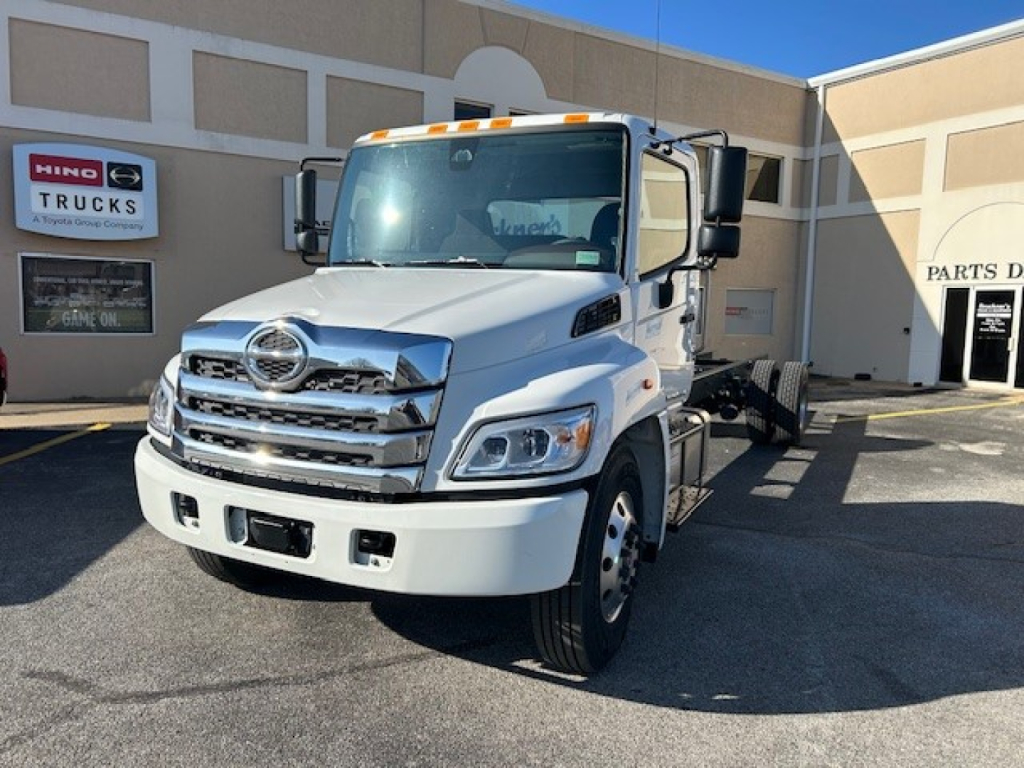
Selling a 2025 cab and chassis truck? List your 2025 cab and chassis truck for sale and reach thousands of commercial buyers.
2025 Cab and Chassis Trucks in Arkansas
The first buying decision is usually capacity. That means checking GVWR, front and rear axle ratings, suspension type, and the body and payload you expect to carry every day. A lighter Class 6 cab and chassis can be a smart fit for van bodies, landscape bodies, or municipal work with tighter maneuvering needs. A heavier Class 7 setup is often better for crane bodies, larger dumps, and applications where PTO equipment, higher rear axle capacity, or more robust frame specs matter. Powertrain choices in this segment commonly include diesel engines in the 6.7-liter to 9.0-liter range paired with Allison automatic transmissions, especially when the truck will see stop-and-go routing, mixed drivers, or PTO-driven equipment.
Wheelbase and cab-to-axle measurement matter as much as horsepower. Those dimensions determine what body length will fit correctly and how the finished truck will balance once loaded. Buyers should also look closely at rear axle ratio, fuel tank placement, exhaust routing, and whether the chassis is already set up for PTO operation. Body-builder switches, upfitter harnesses, and clear frame rail space can save time and money during installation. In Arkansas, road conditions, route density, and seasonal heat also make cooling performance, brake configuration, and service access worth reviewing before choosing a chassis for local delivery, utility, construction, or agricultural use.
A good cab and chassis truck should fit the finished application on paper before it ever reaches the upfitter. That means confirming frame height, suspension, turning radius, tire size, and any legal or operational limits tied to CDL requirements and bridge formulas. Newer 2025 models also bring updated safety and driver support features that can matter for fleet retention and uptime, especially in municipal, contractor, and regional service work. For buyers comparing listings, the best value is usually the chassis that minimizes upfit complications, supports the target body without overbuilding, and leaves enough capacity for the truck to work profitably every day.
Frequently Asked Questions about 2025 Cab and Chassis Trucks in Arkansas
What is a cab and chassis truck used for?
A cab and chassis truck is built to accept a vocational body behind the cab, making it one of the most versatile truck configurations in the market. Common uses include flatbeds, box trucks, dump bodies, utility bodies, service trucks, rollback carriers, stake beds, and refrigeration bodies. The buyer selects the chassis specs first, then matches the body, equipment, and payload needs to that platform.
How do I choose the right wheelbase for a cab and chassis truck?
The correct wheelbase depends on the body length, axle placement, weight distribution, and the equipment going behind the cab. The most important measurement is usually cab-to-axle, because that determines body fit and how much usable frame is available. If the wheelbase is too short or too long for the body, the finished truck can have poor balance, reduced maneuverability, or expensive upfit changes. Body manufacturer guidelines should always be checked before purchase.
What is the difference between a Class 6 and Class 7 cab and chassis?
Class 6 cab and chassis trucks generally offer lower GVWR and are often used for lighter delivery, landscaping, and service body applications. Class 7 models step up in axle ratings, frame capability, and overall payload potential, making them better suited for heavier vocational work such as larger dump bodies, crane bodies, and higher-capacity equipment. The right choice depends on payload, body weight, PTO demands, and how the truck will be used daily.
Why is PTO readiness important on a cab and chassis truck?
PTO readiness matters when the truck will power hydraulic or mechanical equipment such as a dump hoist, air compressor, crane, pump, or rollback system. A chassis that is already configured for PTO use can simplify the upfit process and reduce installation cost. Buyers should confirm transmission compatibility, switch provisions, wiring, and any engine programming needed for PTO operation before finalizing the chassis.
What should Arkansas buyers pay attention to when shopping cab and chassis trucks?
Arkansas buyers often need a chassis that can handle a mix of city streets, rural roads, jobsite access, and hot summer operating conditions. That makes suspension choice, cooling capacity, turning radius, and service support especially important. Buyers should also consider the intended body, loaded operating weight, and whether the truck will spend more time in municipal work, construction, agriculture, or local delivery, because those factors directly affect axle, tire, and gearing decisions.