
2025 Commercial Trucks For Sale in New Mexico
Shop 2025 trucks for sale in New Mexico, including medium-duty and heavy-duty models for delivery, construction, vocational, and highway use.
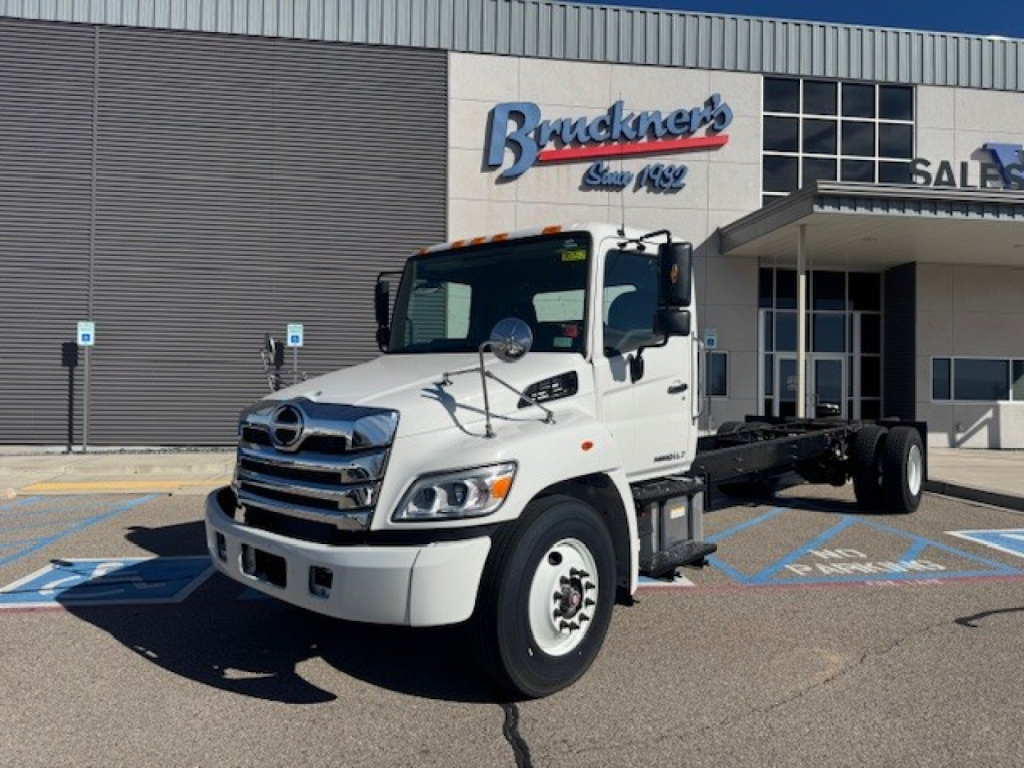
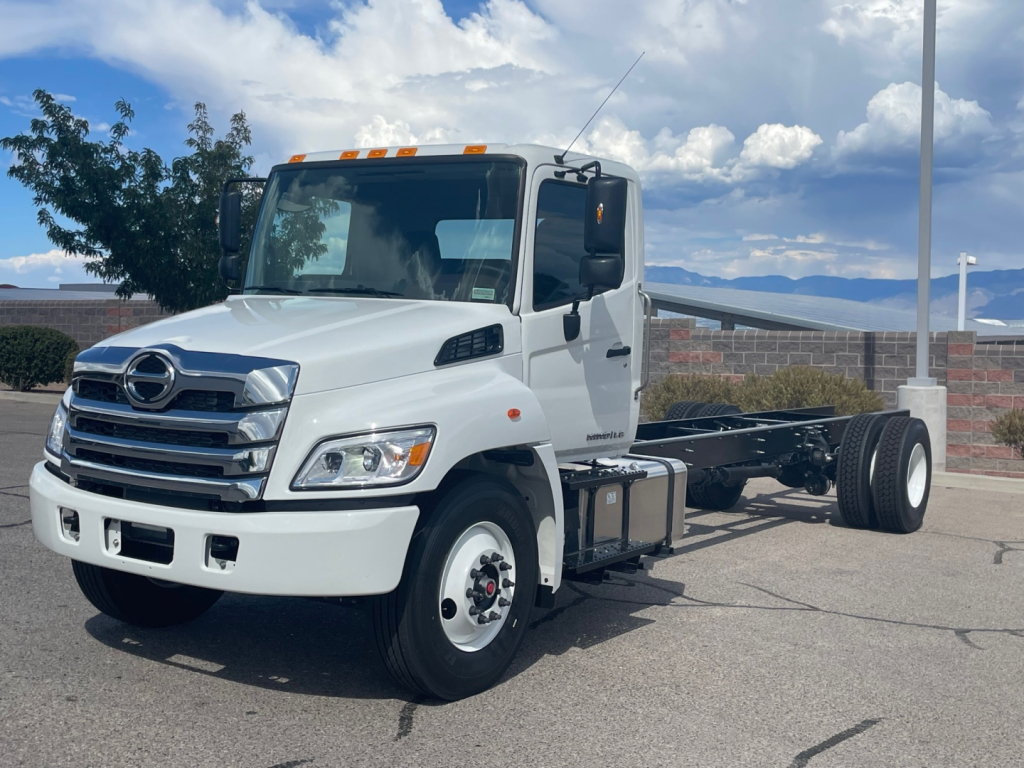
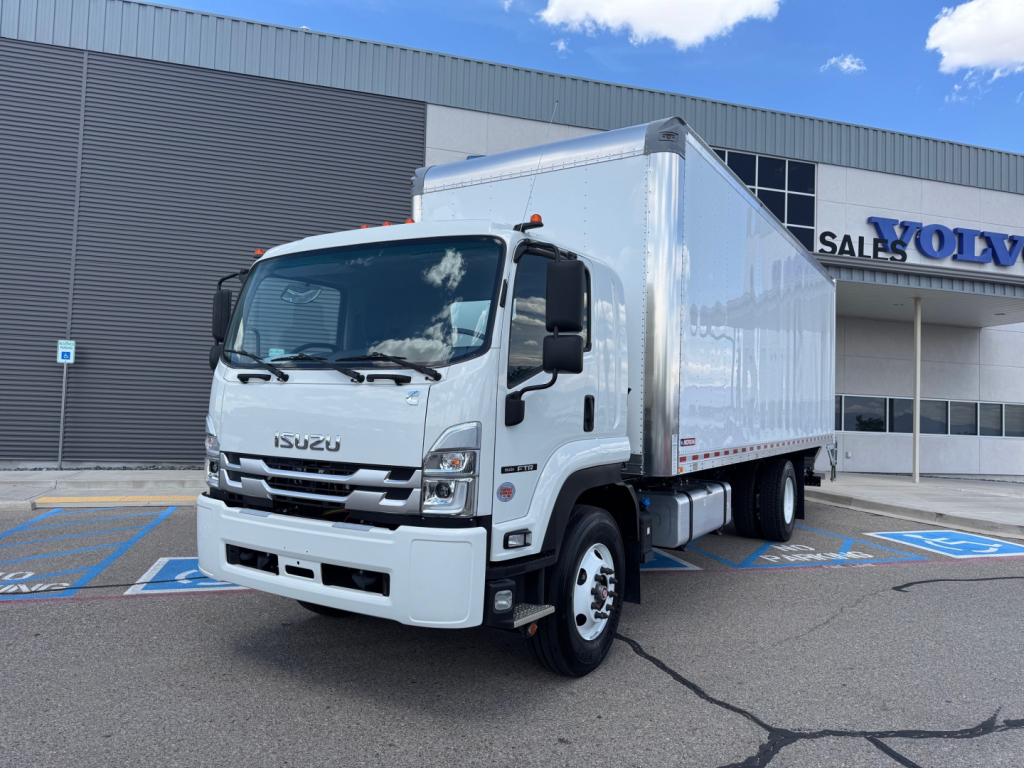
Selling a 2025 commercial truck? List your 2025 commercial truck for sale and reach thousands of commercial buyers.
2025 Commercial Trucks in New Mexico
For medium-duty buyers, common decision points include wheelbase, front and rear axle ratings, suspension type, and whether the truck stays under CDL thresholds. A 2025 cab and chassis truck around 25,950 to 33,000 GVWR is often selected for body-builder flexibility and easier maneuverability in city and route service. Engines in this segment frequently include diesel platforms in the 250 to 325 horsepower range paired with Allison automatic transmissions, especially for delivery, utility, and specialty fuel applications. Wheelbase is critical because it determines body length compatibility and turning radius. Rear ratios, spring versus air ride suspension, and PTO readiness also deserve attention if the truck will support a crane, pump, tank, reefer, or hydraulic equipment.
For heavy-duty 2025 trucks, buyers should look closely at engine torque, transmission spec, suspension capacity, and axle setup before comparing cosmetic features. Tandem-axle vocational trucks often run in the 40,000-pound rear axle class with durable suspensions built for dump bodies, mixers, or severe-service applications. Highway and regional sleeper trucks may pair higher-horsepower diesel engines with automated manual transmissions and faster rear ratios for fuel economy and cruising efficiency. If the truck will spend time on unimproved roads, in aggregate service, or around drilling sites, ground clearance, frame strength, rubber, locking differentials, and body compatibility are all more important than trim level. Newer trucks also bring emissions-system updates, safety technology, and telematics integration that can improve uptime and driver management when the spec is right.
New Mexico buyers also need to think about cooling performance, altitude, and route density. Trucks working Albuquerque, Las Cruces, Santa Fe, Farmington, or the Permian-connected corridors may face a mix of stop-and-go traffic, heat, and long-distance highway operation in the same week. A correctly spec'd 2025 truck should balance payload, durability, service access, and operating cost over the intended duty cycle. The best comparison points are not just year and mileage, but wheelbase, axle ratings, engine family, transmission model, suspension, and the truck's readiness for the body or trailer it is expected to handle.
Frequently Asked Questions about 2025 Commercial Trucks in New Mexico
What should I look for when comparing 2025 trucks for sale in New Mexico?
Start with the truck's intended application, then compare GVWR, axle ratings, wheelbase, engine horsepower and torque, transmission type, and suspension. In New Mexico, route conditions can vary from city delivery to mountain grades and long rural stretches, so cooling capacity, gearing, and durability are important. A truck that is ideal for a 26-foot box body in Albuquerque may be poorly suited for oilfield support or aggregate hauling in a different part of the state.
Are 2025 medium-duty trucks a good choice for body upfits?
Yes. 2025 medium-duty cab and chassis trucks are commonly used for box trucks, flatbeds, propane bobtails, service trucks, and other vocational bodies. Buyers should verify wheelbase, frame length, PTO provisions, rear suspension, and axle capacity before selecting a chassis for an upfit. Body compatibility matters because even a strong engine and transmission package can become a poor fit if the wheelbase or frame rail configuration does not match the intended body.
What is the difference between a 2025 medium-duty truck and a heavy-duty truck?
The main differences are weight class, frame and axle strength, intended payload, and operating environment. Medium-duty trucks usually handle local delivery, utility work, and specialized route service, often with single rear axles and GVWR ratings in the Class 6 to Class 7 range. Heavy-duty trucks are built for higher payloads, tougher vocational work, and over-the-road applications, typically with tandem axles, more powerful engines, and heavier suspensions.
How important is wheelbase on a 2025 truck?
Wheelbase is one of the most important chassis dimensions because it affects body length, bridge law considerations, weight distribution, and turning radius. A longer wheelbase may be necessary for certain van bodies, tanks, or equipment packages, while a shorter wheelbase can improve maneuverability on tight delivery routes or congested job sites. It should always be reviewed together with axle ratings and the final loaded configuration.
Which 2025 truck specs matter most for vocational use in New Mexico?
For vocational work, focus on axle capacity, frame strength, suspension type, rear ratio, PTO capability, and the engine-transmission combination. Trucks used in construction, fuel delivery, municipal work, or energy-sector support often need more than just horsepower. They need the right gearing for low-speed work, the correct suspension for the body and payload, and enough cooling and durability for hot weather, elevation changes, and extended operating hours.