
Hino Trucks For Sale in New Mexico
Browse Hino trucks for sale in New Mexico, including Hino L6 and L7 models with Cummins power, Allison automatics, and body-ready chassis.
Selling a hino truck? List your hino truck for sale and reach thousands of commercial buyers.
Hino Trucks in New Mexico
A lot of buying decisions in this class come down to axle ratings, wheelbase, and transmission pairing. Hino L6 models typically land in the Class 6 range, often around 25,950 to 29,000 GVWR, while Hino L7 trucks step into heavier Class 7 territory with ratings up to 33,000 or 35,000 GVWR depending on configuration. Many units are powered by the Cummins B6.7 diesel in the 260 horsepower range, backed by Allison automatic transmissions such as the 2200 RDS or 3000 RDS. That combination is popular because it is familiar to fleet technicians, easy for a wide range of drivers to operate, and well suited for stop-and-go vocational duty.
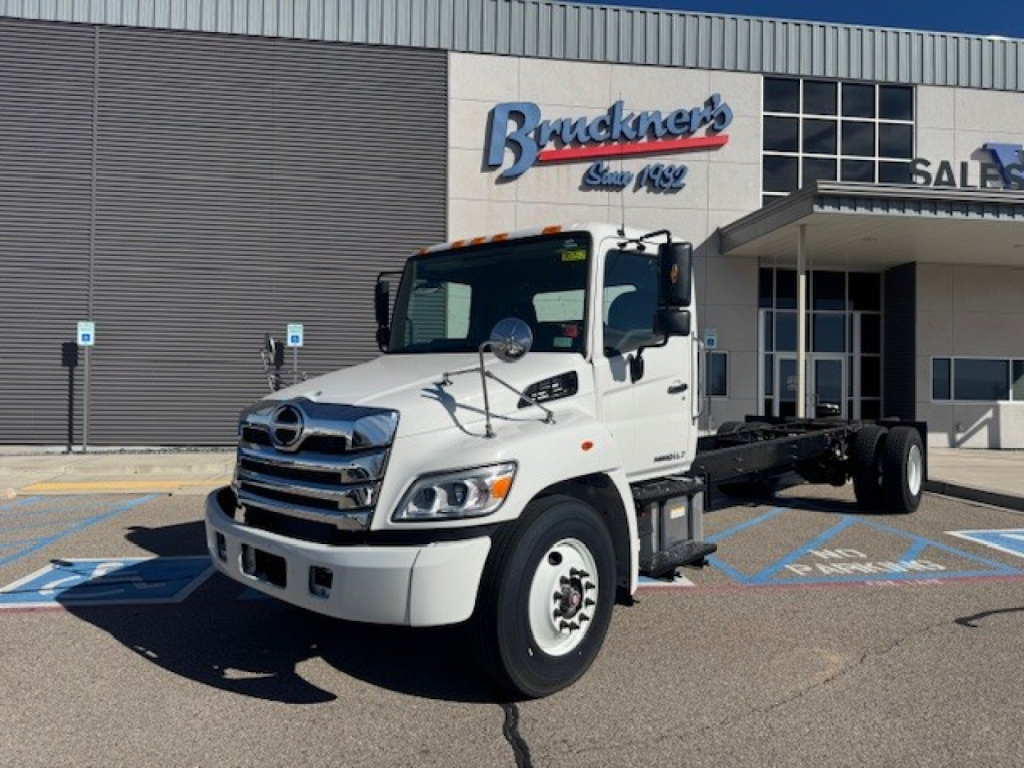
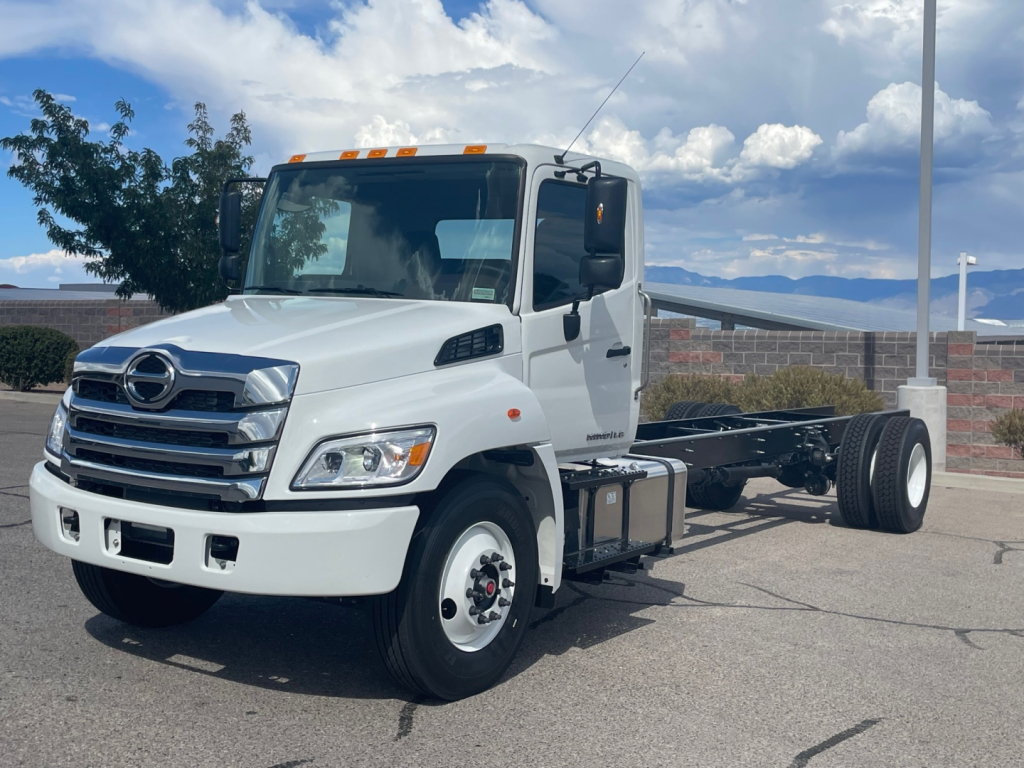
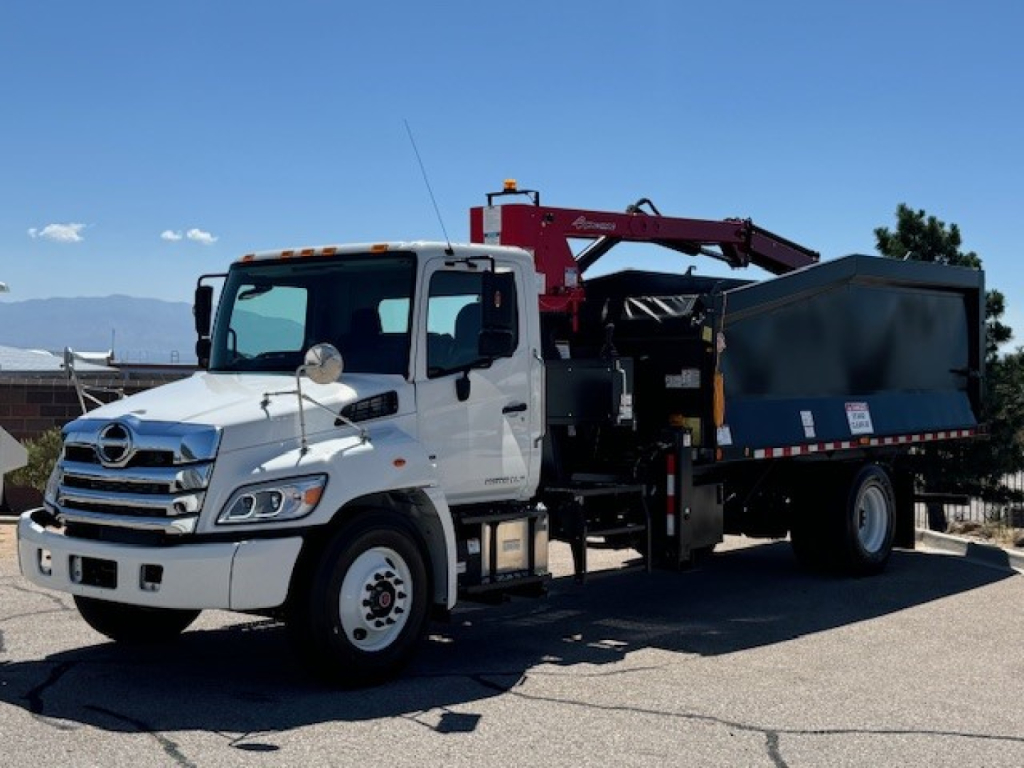
Body application planning is critical when comparing Hino trucks for sale. Wheelbases around 253 inches to 271 inches are common on body-ready chassis and can support longer box bodies, dump bodies, grapple loaders, or specialty upfits. Buyers should also look closely at front axle and rear axle ratings, rear suspension type, and rear ratio. Air ride can be a better choice for van bodies or cargo-sensitive applications, while multi-leaf spring suspensions and locking differentials make more sense for off-pavement work, loaded dump service, or jobsites with poor traction. If the truck will carry a crane, grapple, or other PTO-driven equipment, confirm frame strength, PTO compatibility, and available payload after the upfit is installed.
For New Mexico operations, cooling performance, brake type, and fuel capacity also deserve attention. High ambient temperatures, long service intervals between stops, and mixed terrain can make a well-matched powertrain and axle ratio more important than headline horsepower alone. Air brakes may be preferred in higher GVWR applications, while a larger fuel tank helps on longer regional routes. Buyers comparing Hino trucks should think beyond the cab and engine and match the chassis to the body, route profile, and legal payload target. A well-spec'd Hino medium-duty truck can be a cost-effective platform for fleets that need reliable vocational performance without moving into a full heavy-duty truck footprint.
Frequently Asked Questions about Hino Trucks in New Mexico
What are the main differences between a Hino L6 and Hino L7?
The Hino L6 is generally positioned as a Class 6 medium-duty truck, while the Hino L7 moves into heavier Class 7 applications with higher axle ratings and higher GVWR options. In practical terms, the L6 is often chosen for van bodies, beverage work, delivery, and lighter service applications, while the L7 is better suited for heavier dump bodies, grapple loaders, rollback bodies, and other vocational upfits that need more chassis capacity. The right choice usually depends on body weight, payload target, and axle loading after the truck is fully equipped.
What engines and transmissions are common in Hino medium-duty trucks?
Many current Hino medium-duty trucks are equipped with the Cummins B6.7 diesel engine paired with an Allison automatic transmission. Horsepower in this class is commonly around 260 HP, and Allison 2200 RDS or 3000 RDS transmissions are widely used depending on the truck's GVWR and intended application. This powertrain setup is popular because it balances durability, service network familiarity, and ease of operation for fleets with multiple drivers.
What should I check before buying a Hino cab and chassis for a body upfit?
Start with wheelbase, usable cab-to-axle measurement, GVWR, and front and rear axle ratings. Then verify frame section strength, suspension type, PTO provisions, and brake specification. Those details determine whether the chassis can properly support the intended body, mounted equipment, and payload. It is also important to estimate finished curb weight after the body, toolboxes, pumps, cranes, tarps, or other accessories are installed so the truck still meets legal and practical payload requirements.
Are Hino trucks a good choice for vocational work in New Mexico?
Hino trucks can be a strong choice for New Mexico fleets because medium-duty chassis in this segment are well suited for mixed urban and rural duty, municipal work, construction support, and regional delivery. Buyers in the state often need a truck that can handle heat, elevation changes, and occasional off-pavement work without the size and operating cost of a heavy-duty tandem axle truck. Proper axle ratio, suspension choice, cooling capacity, and body spec matter more than brand alone when building for those conditions.
Which suspension is better on a Hino truck: air ride or spring?
That depends on the job. Air ride suspension is often preferred for box trucks, furniture, beverage, and other applications where ride quality and cargo protection matter. Spring or multi-leaf suspension is typically better for dump, grapple, and construction-oriented work because it handles concentrated loads and rougher terrain more directly. Buyers should match the suspension to the body type, load distribution, and road conditions rather than assuming one setup is better for every use.