
2027 Commercial Trucks For Sale in New Mexico
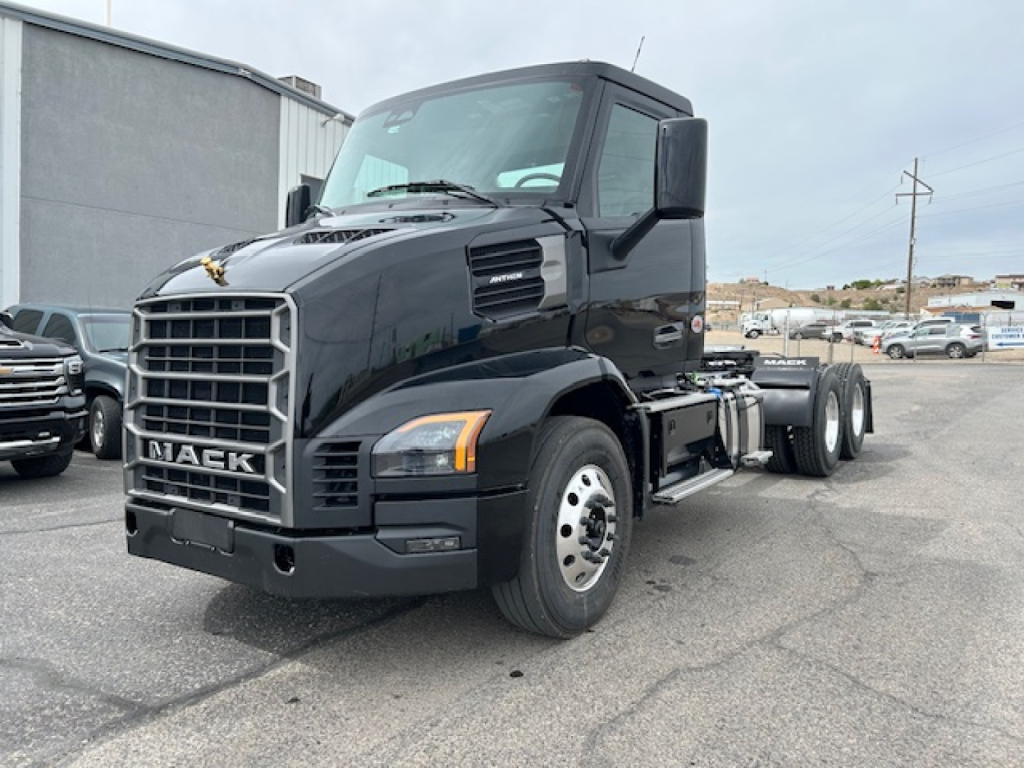
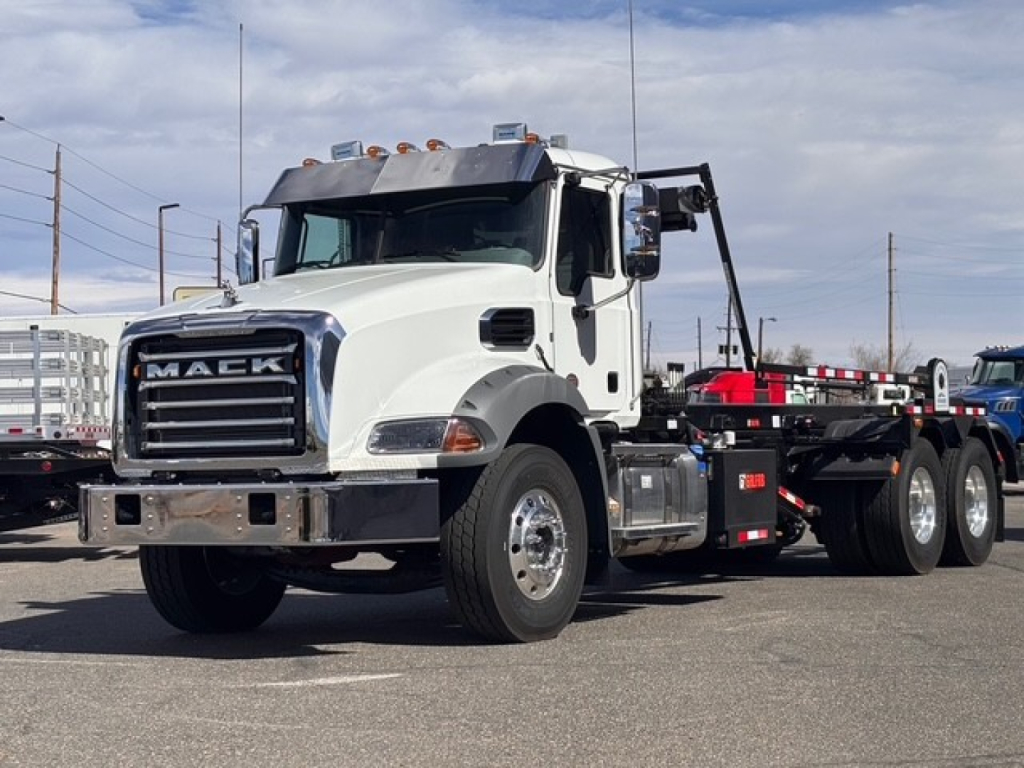
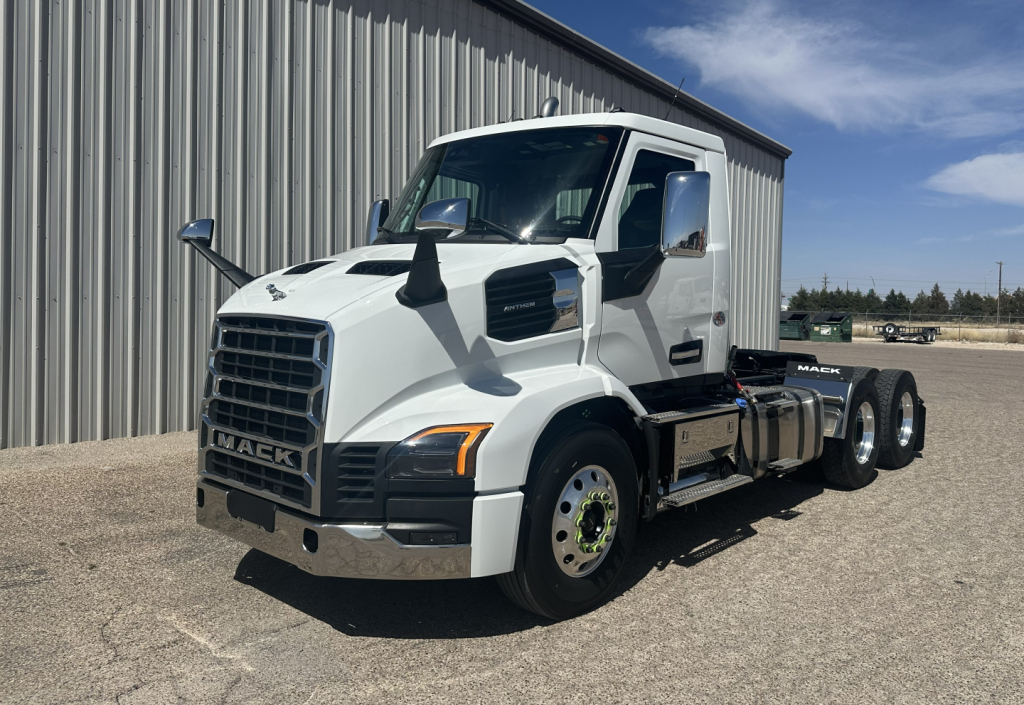
Shop 2027 trucks for sale in New Mexico, from medium-duty cab and chassis to heavy-duty day cabs, sleepers, and vocational work trucks.

Selling a 2027 commercial truck? List your 2027 commercial truck for sale and reach thousands of commercial buyers.
2027 Commercial Trucks in New Mexico
For medium-duty 2027 trucks, common specs often center around diesel engines in the 6.7L class, Allison automatic transmissions, single rear axles, and GVWRs that land in familiar Class 6 and Class 7 ranges. Wheelbase matters more than many buyers expect. A 224-inch to 271-inch wheelbase can be the difference between a chassis that fits a 26-foot van body and one that is better suited for a shorter body or a different center-of-gravity requirement. Front axle and rear axle ratings also need to match the intended upfit, especially for rollback carriers, mechanics trucks, water trucks, and refrigerated bodies. Air ride rear suspension can improve ride quality and help protect cargo, while air brakes may be preferred for certain commercial applications and maintenance standardization.
Heavy-duty 2027 trucks cover a much broader spread. Day cabs are commonly spec'd for regional haul, port work, pneumatic, hopper, and oilfield support, while sleeper tractors are aimed at longer mileage and multi-day routes. In this class, buyers will usually compare horsepower, automated manual or automatic transmission spec, rear axle ratio, suspension type, and wheelbase against the loads they pull and the terrain they run. New Mexico fleets often pay close attention to gearing and cooling capacity because interstate running, oilfield service, and mountain grades all place different demands on a truck. A 3.25 rear ratio day cab has a very different operating profile than a deep vocational tandem with a lower ratio and a heavy suspension package built for off-road or jobsite use.
For vocational 2027 trucks, the right spec is rarely just about engine power. Vacuum trucks, dump trucks, mixers, and other severe-service configurations need the correct frame, PTO compatibility, suspension capacity, and axle spread before body equipment is added. Buyers should also evaluate cab layout, fuel capacity, visibility, emissions warranty coverage, and service network support across New Mexico. The best 2027 truck is the one whose chassis, axle ratings, transmission, and wheelbase already fit the job with minimal compromise. That usually results in better uptime, fewer upfit issues, and a truck that holds value better over its service life.
Frequently Asked Questions about 2027 Commercial Trucks in New Mexico
What should I look at first when comparing 2027 trucks for sale in New Mexico?
Start with the truck's intended application, then match that to GVWR, axle ratings, wheelbase, and drivetrain. Those core specs determine payload, body compatibility, licensing requirements, and operating cost more than paint, trim, or cab options. For New Mexico use, it is also smart to compare rear axle ratio, cooling package, and suspension type because long interstate miles, mountain grades, and oilfield roads can push the wrong spec out of its comfort zone quickly.
What is the difference between a 2027 cab and chassis truck and a 2027 tractor?
A cab and chassis truck is sold as a chassis intended for an upfit such as a van body, flatbed, service body, dump body, or tanker package. A tractor is built to pull a trailer through a fifth wheel and is typically used in freight or specialized hauling applications. Cab and chassis buyers focus heavily on frame length, wheelbase, and body-ready dimensions, while tractor buyers usually focus more on horsepower, rear ratio, sleeper or day cab layout, and GCWR-related performance.
Are 2027 medium-duty trucks a good fit for non-CDL applications?
Some are, but the answer depends on GVWR and final body configuration. Many medium-duty trucks can be spec'd to stay within non-CDL thresholds, while others move into CDL territory once the chassis rating and body combination increase. Buyers should verify the truck's GVWR, the planned body weight, and any cargo or equipment requirements before assuming a non-CDL setup. This is especially important for box trucks, flatbeds, and service trucks where the upfit can materially change the legal and practical operating class.
Which 2027 truck specs matter most for vocational work?
Frame strength, PTO provision, axle capacity, suspension design, transmission programming, and wheelbase usually matter most in vocational service. A vacuum truck, dump truck, or oilfield support unit needs a chassis that can handle body weight, pump or hydraulic demands, and uneven terrain without being overmatched. Engine horsepower is important, but it does not replace the need for the correct rear ratio, crossmember layout, and suspension rating. In severe-duty work, a well-matched chassis spec usually delivers better uptime than a higher-horsepower truck with the wrong foundation.
Why is wheelbase so important on a 2027 truck?
Wheelbase affects body fit, bridge law considerations, turning radius, ride quality, weight distribution, and how the truck handles once loaded. On a cab and chassis truck, wheelbase must match the planned body length and any auxiliary equipment such as liftgates, toolboxes, or refrigeration units. On a tractor, wheelbase influences maneuverability and can affect trailer gap and axle loading. It is one of the most important specs to confirm early because changing it after purchase is costly and often impractical.