
Commercial Trucks For Sale in Ohio
Ohio trucks for sale with payload focus, corrosion resistance, strong floors, solid thermal integrity, and low tare weight for regional and long haul.

Selling a commercial truck? List your commercial truck for sale and reach thousands of commercial buyers.
Commercial Trucks in Ohio
Corrosion resistance is critical in Ohio due to road salt and brine. Favor e-coated or powder-coated frames with internal rail wax, sealed wiring harnesses, Deutsch connectors, stainless or coated fasteners and composite battery boxes. Aluminum cabs and fuel tanks save weight, but protect dissimilar metal interfaces to prevent galvanic corrosion; specify proper isolators and drain paths. Pay attention to wheel ends, air tanks, brake chambers and aftertreatment hangers, since they see heavy spray; look for hub caps with intact vents, coated brackets and stainless clamps. If you need double frames or insert liners on vocational trucks, plan for moisture egress, then undercoat after drilling to prevent crevice corrosion.
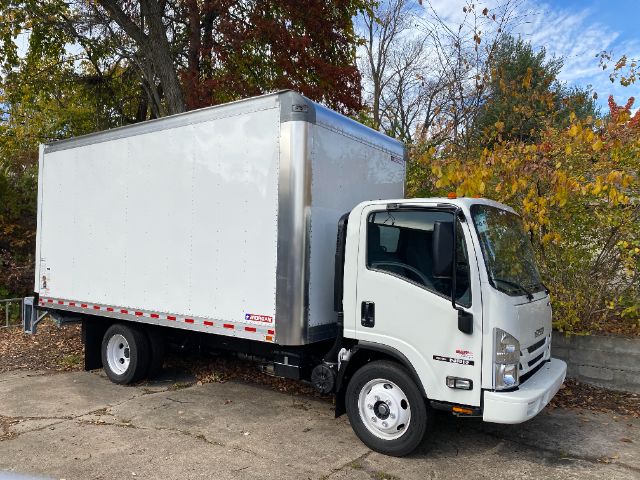
For box and reefer trucks, floor strength and thermal integrity separate low-cost bodies from long-lived assets. Verify forklift floor rating and crossmember spacing, 4,000 to 6,000 pound forklift ratings typically require 8 to 10 inch crossmember spacing, hardwood or laminated nailing strips and rear threshold plates. Aluminum duct floors improve airflow in reefers, while heavy scuff liners, logistic track and wear bands protect walls from pallet rub. Thermal integrity depends on foam-in-place polyurethane insulation, continuous vapor barriers, quality door seals, insulated bulkheads and thermal breaks in hardware; thicker insulation is heavier, so balance tare weight against setpoint stability. Choose reefer units with adequate BTU capacity for summer pull-down, electric standby where shore power is available and telematics for temperature and fuel monitoring.
Ride, handling and operating cost come from chassis choices. Air ride drives comfort and cargo protection, steel spring saves weight and complexity; vocational suspensions need higher roll stiffness for stability. Tire inflation systems, low rolling resistance tires and disc brakes cut downtime and improve efficiency, while collision mitigation, lane departure and adaptive cruise help drivers through dense I-270 and I-480 traffic. Pick wheelbase to suit Ohio urban delivery in Cleveland, Columbus and Cincinnati, then size axles and suspensions to legal loads, 80,000 pounds on five axle combinations, or add lift axles for bridge compliance on dumps. Plan for winter, spec full-locking diffs or inter-axle locks, heated mirrors, battery heaters and APUs for sleepers to reduce idle time. Keep aftertreatment serviceability in mind, DOC, DPF and SCR access, and confirm PTO provisions if running wet kits or hydraulics.
Frequently Asked Questions about Commercial Trucks in Ohio
How should I balance tare weight and durability when buying a truck for Ohio routes?
Start with the payload you need, then reduce tare weight where it does not sacrifice structural integrity. Aluminum wheels, smaller fuel capacity, single exhaust and optimized spec can remove hundreds of pounds. Keep frame rail RBM and section modulus appropriate for your application, tighten crossmember spacing on vocational frames and confirm axle and suspension ratings. A light truck that bends or cracks under dock impacts or rough roads will cost more than it saves, so target a weight-optimized, not weight-minimized, build.
What corrosion protection features matter most for Ohio winters?
Look for e-coated or powder-coated frames with internal rail wax, sealed harnesses with Deutsch connectors, stainless or zinc-nickel fasteners, protected aftertreatment brackets and coated air tanks. Aluminum cabs and tanks reduce rust risk, but isolate dissimilar metals to avoid galvanic attack. Undercoating helps when applied to clean, dry surfaces and after holes are drilled. On vocational trucks, ensure drain paths around double frames and liners, and specify sealed lamp housings, composite battery boxes and hub caps with functional vents.
What floor specs should I consider for a box or reefer truck that sees forklifts?
Check the forklift floor rating and crossmember spacing, then verify rear threshold and dock-plate protection. A 4,000 to 6,000 pound forklift typically needs 8 to 10 inch crossmember spacing, thicker aluminum plank or laminated hardwood floors, hardwood nailing strips, heavy scuff liners and wear bands. For reefers, aluminum duct floors support airflow under pallets, and stainless rear frames resist impact and corrosion. The right floor prevents concentrated load damage and reduces maintenance at the dock.
How do I ensure thermal integrity in a reefer truck for Ohio temperature swings?
Thermal integrity starts with foam-in-place polyurethane insulation of sufficient thickness, continuous vapor barriers, sealed seams and quality door gaskets. Add thermal breaks in hardware, insulated bulkheads, proper return air management and a reefer unit sized for summer pull-down and winter hold. Telematics and data loggers verify temperatures, while electric standby reduces fuel burn at docks. Balance insulation thickness against tare weight so you maintain setpoint without overloading the chassis.
What axle ratio and transmission pairing works for Ohio highways and city runs?
Choose an axle ratio that lets the engine run in its most efficient torque band at your cruise speed on I-70, I-71 and I-75, then verify startability for city work. With automated manuals, downspeeded ratios combine tall rears with direct or overdrive top gears; spec a faster ratio for heavy stop-and-go or hilly routes. Confirm GCW, tire size and engine torque, and consider retarder or engine brake performance for winter descents and ramp traffic. The right pairing reduces fuel burn and driver fatigue.