
Plow Trucks For Sale in Ohio

Have plow truck to sell? List it here to reach thousands of buyers.
Plow Trucks in Ohio
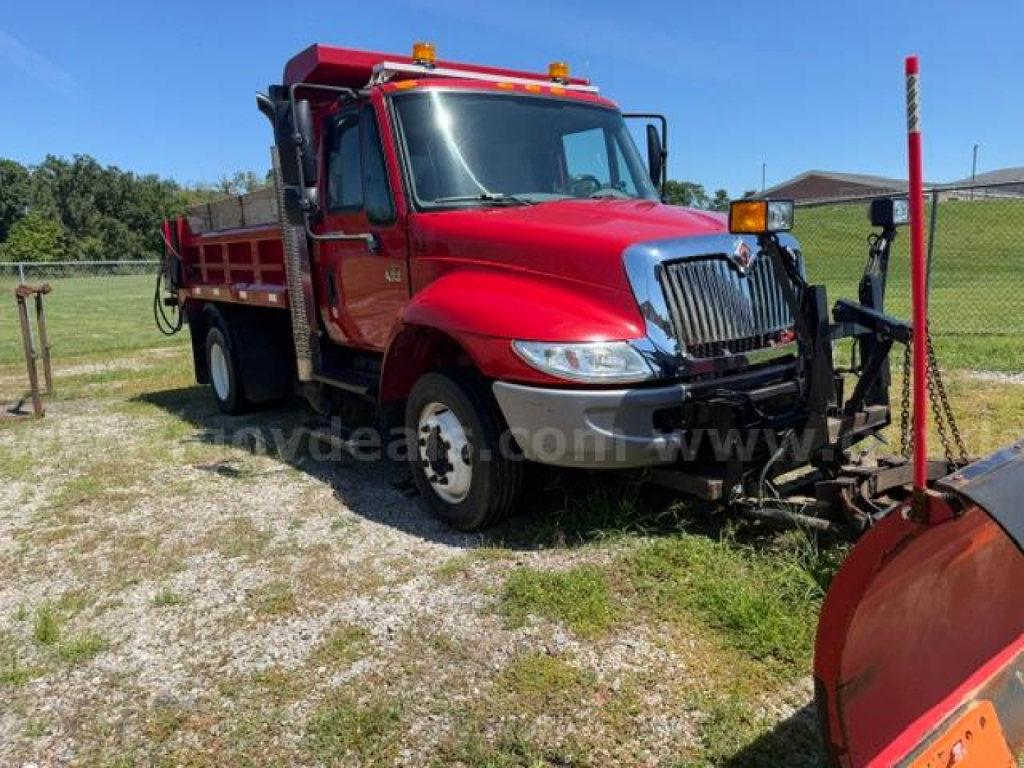
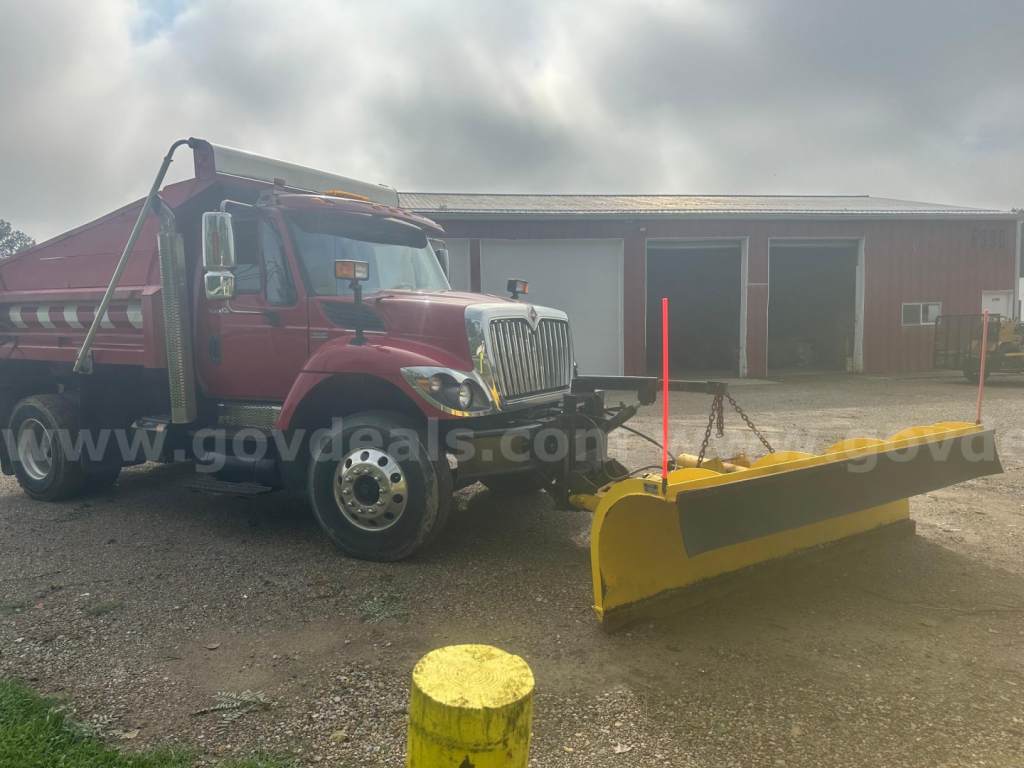
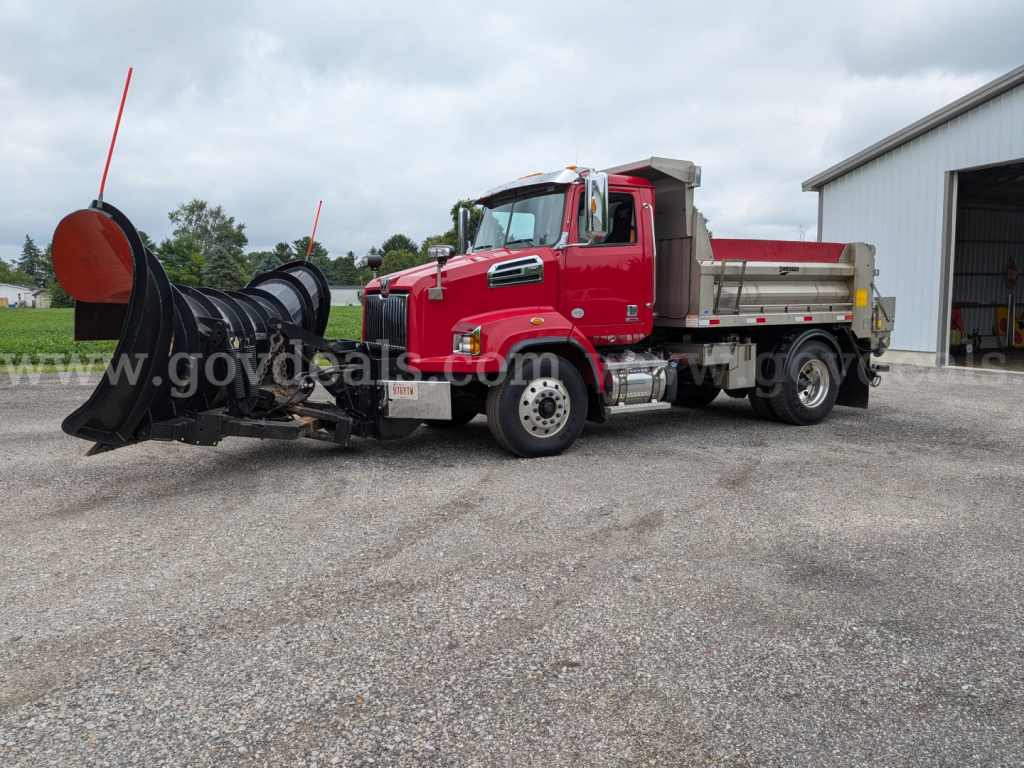
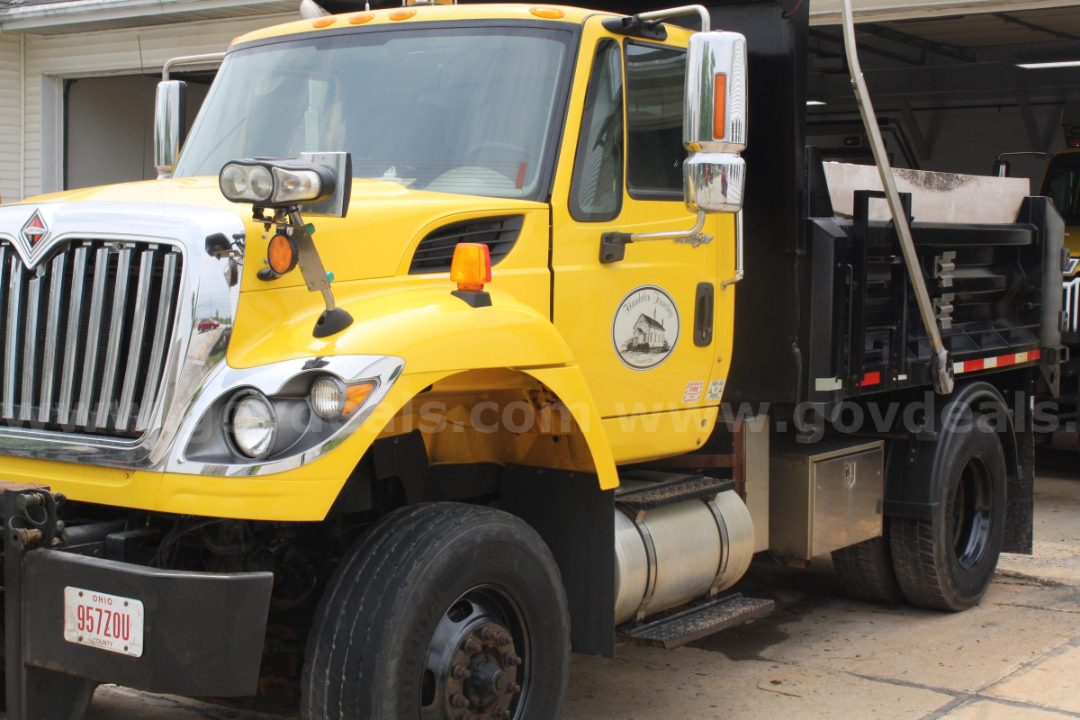
The upfit matters as much as the truck. Buyers should look closely at plow type, blade width, hydraulic response, and spreader capacity. Straight blades are common for road work, while reversible or one-way plows are often preferred for longer route efficiency. Many plow trucks in this category also use dump bodies so they can haul bulk salt, sand, or pre-wet material. Stainless spreaders and hoppers are a major advantage in Ohio because road salt accelerates rust on frames, beds, crossmembers, cab corners, brake lines, electrical connections, and mounting hardware. A clean plow truck with documented maintenance, functioning lighting, solid hydraulic lines, and minimal corrosion around the plow frame and body hoist is usually worth more than a lower-priced unit with heavy salt exposure.
Powertrain and axle setup should match the route. Diesel engines dominate this category because of low-speed torque and durability under heavy front-end loads. Automatic transmissions are common in municipal and contractor service because they reduce driver fatigue during repeated stops, reverses, and plow passes. Front axle ratings, spring capacity, and frame condition are especially important because plow gear adds substantial weight ahead of the bumper. On heavier trucks, buyers should verify GVWR, front GAWR, transfer case or driven front axle configuration if equipped, and the condition of steering components, suspension bushings, and front tire wear. If the truck includes a dump body, check PTO operation, hoist performance, floor condition, tailgate hardware, and spreader controls.
For Ohio snow work, the best plow trucks are usually the ones with the right balance of route size, material capacity, and off-season usefulness. Some buyers want a municipal-style snow truck that can run a long route and carry a large salt load, while others need a contractor truck that can move between parking lots and secondary road work. Also look at cab layout, visibility, beacon and warning light setup, backup camera systems, and ease of servicing hydraulic and electrical components in cold weather. A plow truck is not just a truck with a blade attached. It is a winter-duty system, and the quality of that system determines uptime when weather and response times matter most.
Frequently Asked Questions about Plow Trucks in Ohio
What should I inspect first on a used plow truck in Ohio?
Start with rust, hydraulic function, and front-end wear. Ohio plow trucks are exposed to road salt, so frame rails, cab mounts, brake lines, electrical connectors, dump body floors, spreader components, and plow mounting points deserve close inspection. After that, test the plow lift and angle functions, spreader operation, PTO engagement if equipped, and steering and suspension condition under load. Uneven front tire wear can point to axle, spring, or alignment issues caused by years of carrying a plow.
What is the difference between a plow truck and a standard dump truck with a snow blade?
A true plow truck is typically spec'd for winter service at the chassis and upfit level, not just fitted with a blade. It may have a heavier front axle, hydraulic package, plow frame, lighting package, spreader controls, and corrosion-resistant components designed for repeated snow and ice work. A standard dump truck can sometimes be adapted for seasonal plowing, but it may not have the front-end capacity, hydraulic integration, or spreader setup needed for dependable route work.
Are stainless steel spreaders worth it on a plow truck?
Yes, especially in salt-heavy regions like Ohio. Stainless steel spreaders and hoppers generally hold up better against corrosion than painted carbon-steel units, which can deteriorate quickly when exposed to salt and brine. Stainless does not eliminate rust elsewhere on the truck, but it can extend the service life of the material handling system and reduce repair costs tied to rusted seams, chain housings, and spinner assemblies.
Which plow truck size is best for municipal roads versus commercial lots?
Medium-duty plow trucks are a common fit for municipalities, townships, and contractors that need a balance of road speed, salt capacity, and maneuverability. Heavier severe-service units are better suited for long county routes, airport work, or high-volume snow operations where durability and traction matter more than compact size. For commercial lots and tighter sites, a lighter medium-duty truck can be easier to maneuver, but buyers still need enough front axle capacity and hydraulic performance to handle the plow and spreader package safely.
Why is front axle rating so important on a plow truck?
The front axle carries the added weight of the plow, mounting hardware, hydraulics, and stress from repeated impacts while pushing snow. If the front GAWR is marginal for the setup, the truck can suffer from poor handling, accelerated tire wear, suspension damage, and steering problems. A properly spec'd front axle and suspension package improves durability, braking balance, and plow performance during long winter shifts.