
Freightliner Trucks For Sale in Ohio
Shop Freightliner trucks for sale in Ohio, from Cascadia sleepers to M2 box and SD vocational, with specs on powertrains, weight, corrosion and uptime.
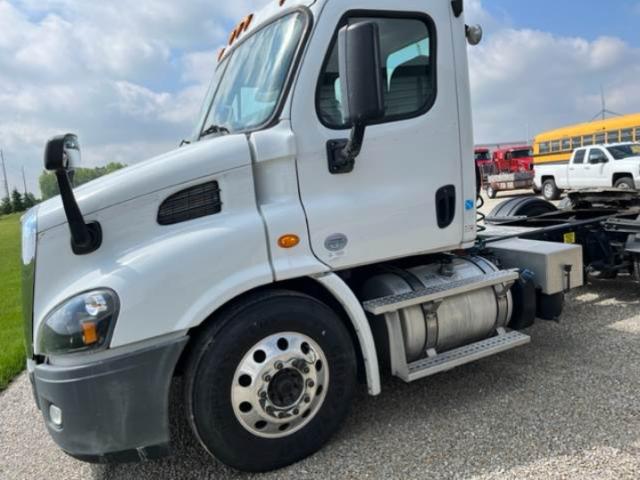
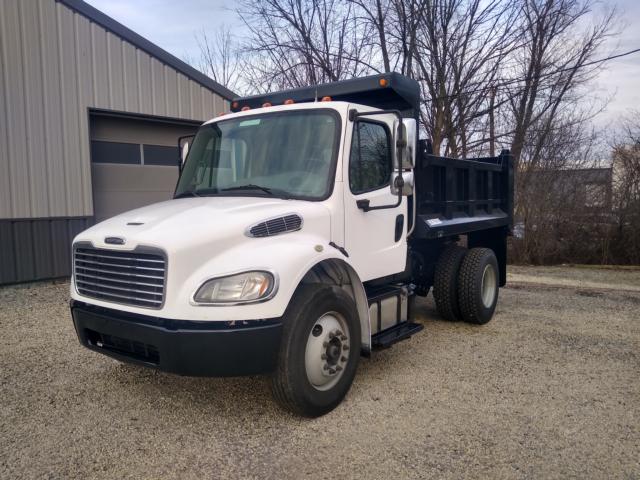
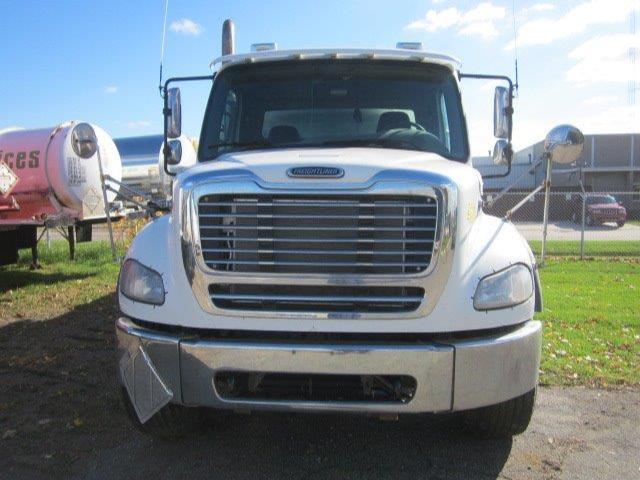

Selling a freightliner truck? List your freightliner truck for sale and reach thousands of commercial buyers.
Freightliner Trucks in Ohio
Powertrain choices typically include Detroit DD13, DD15 and DD16, plus Cummins X12 and X15 in select applications. Automated manuals like Detroit DT12 and Eaton UltraShift reduce driver fatigue and protect clutches, manuals remain favored in some vocational roles, and Allison automatics dominate stop start city and refuse work. Rear axle layouts range from 4x2 and 6x2 for weight savings to 6x4 tandems for traction in snow and jobsite mud; Meritor and Dana axles with 40k to 46k tandems are common, paired with Freightliner AirLiner, Hendrickson or TufTrac suspensions. Spec choices affect tare weight and fuel burn, for example aluminum wheels, single 120 gallon tanks, fairings and low rolling resistance tires trim weight and improve MPG, while full lockers, double frame liners and 16k steer axles add capacity at the expense of weight.
For straight trucks and upfitted chassis, floor strength and thermal integrity drive value. Dry van bodies on M2 chassis often carry 6k to 10k forklift rated floors in hardwood or aluminum, heavy duty scuff liners and steel or aluminum threshold plates preserve walls and sills during dock work, and e track or logistic posts speed cargo securement. Reefer boxes pair well with Thermo King or Carrier units; look for high R value insulation, sealed rear and side doors, proper drain routing and evenly spaced aluminum duct floors to maintain temperature stability during Ohio summers and minimize unit run time. Vocational bodies benefit from abrasion resistant floors, properly gusseted hoists and crossmember spacing that matches the frame rail spec; confirm PTO provisions, cooler capacity and frame liner condition when targeting severe duty.
Ohio buyers should verify axle spacing and wheelbase against bridge formula needs, turning radius for tight metro deliveries, and kingpin setting compatibility when the tractor will pull 53 foot trailers. Corrosion resistance matters in this region, so aluminum cabs, e coated frames, sealed harnesses, stainless hardware and regular undercarriage washing reduce rust, and composite air tanks and coated crossmembers extend life. Inspect aftertreatment health on late model units, check one box or DPF SCR condition and regen history, review oil samples, look for frame scale behind suspension hangers, and evaluate fifth wheel condition and slider rails. Spec the balance you need, a lighter 6x2 tandem can save hundreds of pounds and fuel, a 6x4 with interaxle lock and driver controlled diffs offers better winter traction on I 90 and Appalachian grades.
Frequently Asked Questions about Freightliner Trucks in Ohio
Which Freightliner model fits long haul, regional and vocational work in Ohio?
For long haul and high mileage regional, the Cascadia dominates due to aerodynamics, integrated Detroit engines and DT12 transmissions. For P D, box, stake, utility and lighter vocational roles, the Business Class M2 106 and 108SD offer tight turning and broad upfit support. For heavy vocational like dumps, mixers, roll off and municipal plow, the 114SD and 122SD provide higher RBM frame rails, available frame liners, big steer axle ratings and rugged suspensions.
How should I spec for low tare weight without giving up durability?
Use aluminum wheels, aluminum air tanks, smaller fuel capacity sized to route lengths, low rolling resistance tires and a 6x2 tandem where traction demands allow. Pair that with disc brakes on highway units to cut weight and improve serviceability. Retain durability where it counts, adequate RBM and section modulus for your payload, crossmember spacing to support body mounts, proper fifth wheel height and slider length, and axle ratios matched to engine torque and cruise speed so the truck does not work harder than necessary.
What protects a Freightliner from Ohio road salt and corrosion?
Look for e coated or powder coated frames, sealed electrical connectors, heat shrink and loom on add on harnesses, stainless or treated fasteners, composite or coated crossmembers and aluminum cabs and steps. Spec undercoating where appropriate, keep drain paths open, and commit to a wash schedule that includes frame rails, suspension hangers and radiator support. For vocational units, inspect between frame rail and liners for rust jacking, and consider stainless hydraulic lines or quality zinc nickel fittings to resist corrosion.
What should I check on a used Cascadia with a Detroit DD15 before buying?
Pull an aftertreatment health report, check for DPF and SCR efficiency, active or parked regen frequency and any NOx sensor history. Review oil sample trends for fuel dilution or coolant, inspect charge air cooler and hoses for leaks, check clutch wear or torque converter health depending on transmission, and verify CPC and MCM software currency. Inspect the fifth wheel for jaw wear, look for frame scale behind spring hangers, and confirm VIN build sheet options like axle ratios, fairings and APUs align with your duty cycle.
What floor strength and insulation should I target on box and reefer straight trucks?
For dock work with forklifts, target a 6k to 10k forklift rated floor with hardwood or aluminum planks, heavy duty scuff liners at least 12 inches high, and full length logistics posts. For reefers, seek high R value foam walls, well sealed rear and side doors, insulated bulkheads if doing multi temp, and aluminum duct or deep channel floors that maintain airflow while supporting pallet jacks. Proper floor and insulation choices reduce damage, maintain thermal integrity and keep unit run hours and fuel use in check.