
International Trucks For Sale in Ohio
International trucks in Ohio, with guidance on specs, weight, floor strength, thermal integrity, and corrosion resistance. Payload durability included.
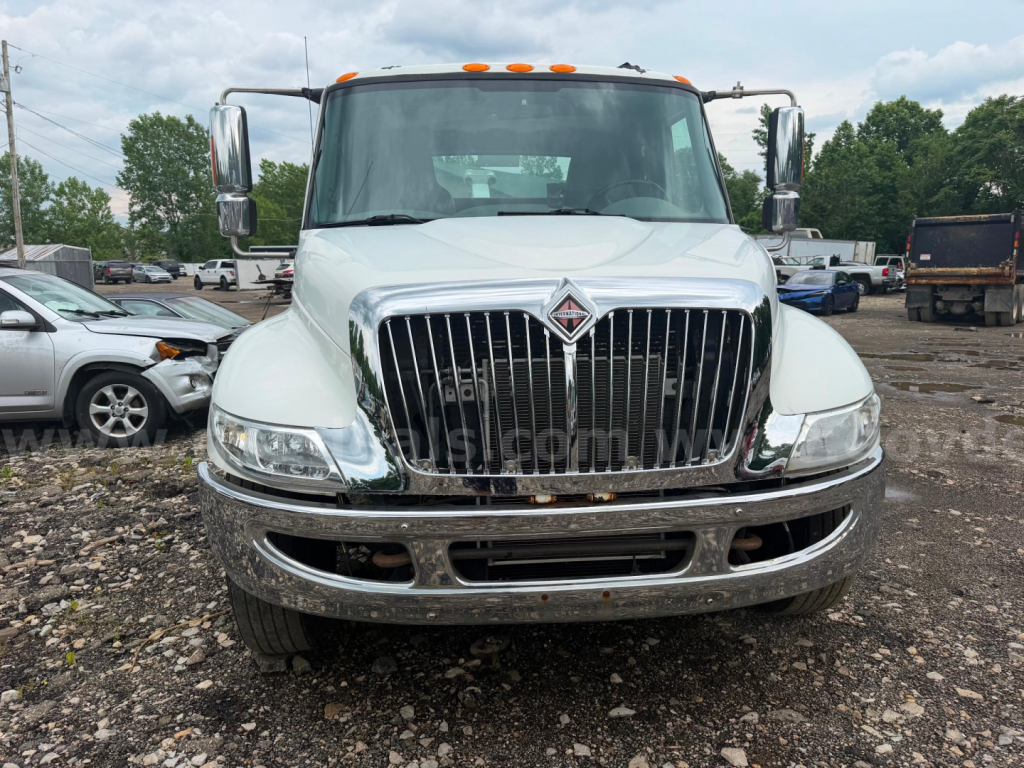
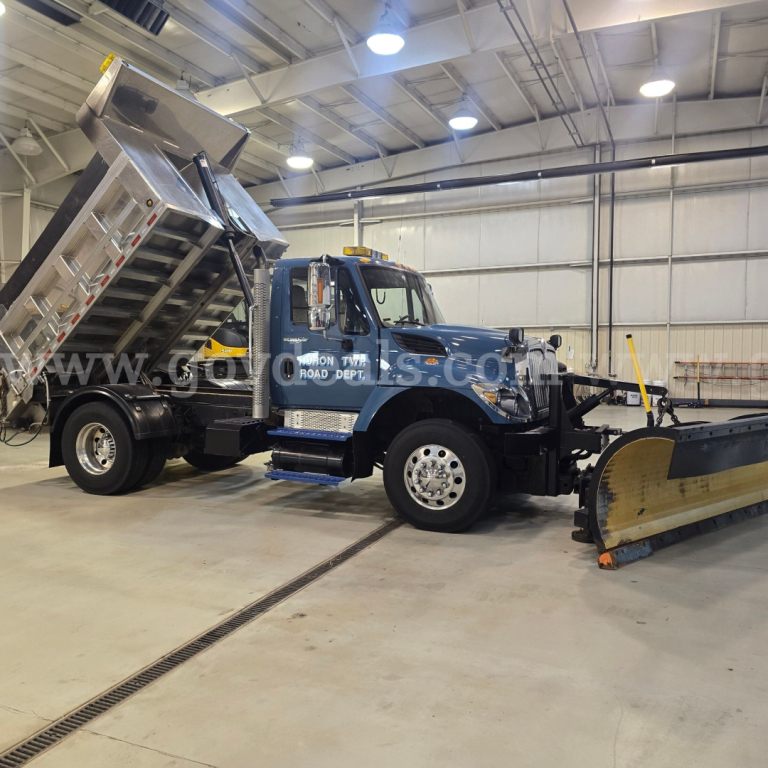
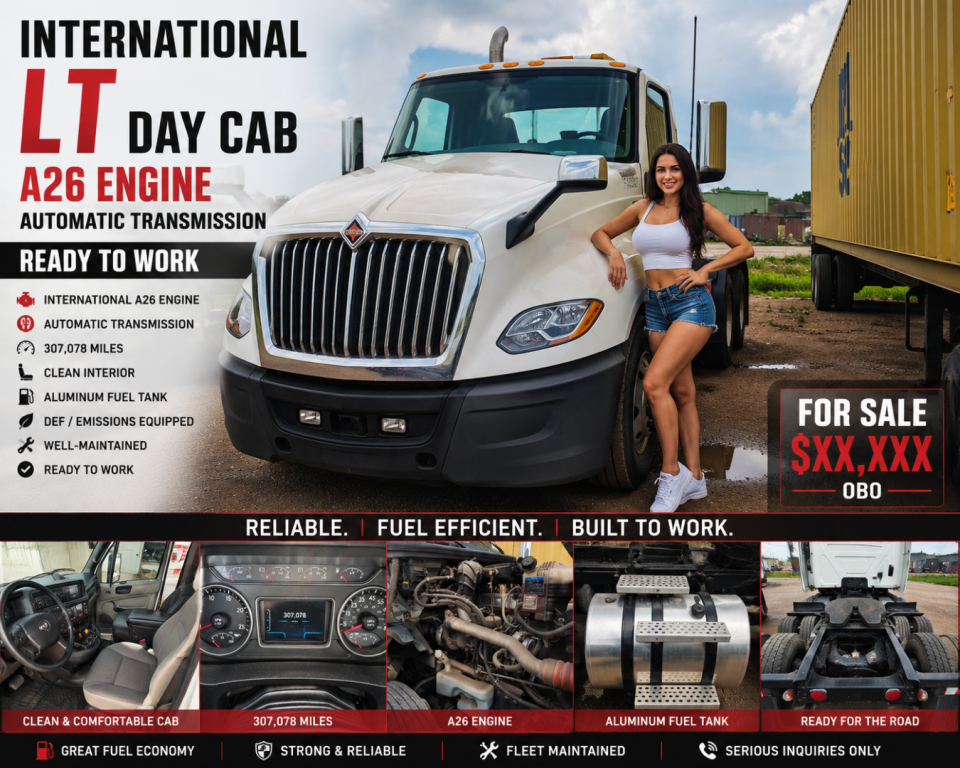

Selling a international truck? List your international truck for sale and reach thousands of commercial buyers.
International Trucks in Ohio
Tare weight drives payload and revenue, so look closely at axle group choices, wheels and brake packages. A 6x2 can save several hundred pounds versus a 6x4, but traction in Ohio winters often favors 6x4 or a liftable pusher on vocational units. Aluminum wheels, disc brakes, a smaller DEF tank, and spec driven wiring harnesses trim weight without sacrificing durability; choose 12k or 13.2k front axles, 40k or 46k rears, and suspensions like Hendrickson Airtek, Primaax or Haulmaax to match load and pavement. Automated manuals reduce clutch wear in stop and go traffic and help keep engines in the efficient band, which protects aftertreatment health.
Straight trucks live or die by floor strength and body durability. For dry van bodies, laminated hardwood or composite floors with 8 to 12 inch crossmember spacing resist point loads from pallet jacks and forklifts, and aluminum threshold plates with 24 inch scuff liners keep sidewall damage in check. Reefer bodies demand tight thermal integrity, look for high density polyurethane foam in walls and roof, sealed seams, insulated rear and side doors, and designs that limit thermal bridging at posts and sills; heavier insulation raises tare weight, but it protects temperature stability and reduces unit run time. Air chutes, return air bulkheads and proper floor channel depth improve circulation and minimize hot spots.
Ohio road salt punishes steel, so corrosion resistance matters in both cab and chassis. International cabs use e coat dip and seam sealing, and you can spec stainless or polymer battery boxes and steps, aluminum fuel tanks, sealed connectors, and additional frame wax or undercoating to slow rust. Heated mirrors, air dryers with fresh desiccant, block or coolant heaters, and fuel filter heaters improve winter uptime; disc brakes resist fade in slush and recover faster after water exposure. Frequent wash cycles, attention to paint chips, and dielectric grease at harness interfaces extend service life and help preserve resale.
Frequently Asked Questions about International Trucks in Ohio
Which International model is best for regional haul or local delivery in Ohio?
For highway and regional routes, the LT and RH series are efficient and comfortable, with aerodynamic options and integrated powertrains that keep fuel burn down. For local delivery, the MV series suits 18 to 26 foot van and reefer bodies with tight turning, lower step heights, and Allison automatics that handle stop and go work. Vocational needs like dump, plow, or mixer service point to the HV or HX with heavier frame rails, higher axle ratings, and rugged suspensions.
How should I balance tare weight and durability when spec’ing an International truck?
Target weight reductions that do not compromise uptime. Aluminum wheels, disc brakes, and optimized wiring trim significant pounds, while careful selection of axle ratings avoids overbuild. A 6x2 can be lighter, yet many fleets in Ohio prefer 6x4 or a liftable pusher for winter traction. Choose the smallest fuel and DEF capacities that still meet route needs, and pair an automated manual with the right axle ratio to keep the engine in its efficient range without lugging.
What should I look for in floor strength on an International straight truck with a van body?
Confirm the forklift point load rating, not just uniform load capacity. Laminated hardwood or composite floors supported by 8 to 12 inch crossmember spacing hold up better under dock plates and clamp trucks. Add aluminum threshold plates, 12 to 24 inch scuff liners, logistics track, and properly sealed sill sections to reduce impact and moisture damage. If you run heavy beverage or paper loads, consider heavier crossmembers and additional wear strips at high traffic zones.
How do I evaluate thermal integrity on a reefer straight truck?
Inspect wall and roof thickness, foam density, and the quality of seam sealing. Look for insulated rear and side doors, robust door gaskets, thermal breaks at posts and sills, and a drain system that prevents water intrusion. Airflow features such as chutes and return air bulkheads help maintain setpoint, and deeper floor channels can improve circulation. Higher insulation levels add tare weight, but they reduce temperature swings and compressor run time, which saves fuel and preserves product.
What corrosion protection is recommended for Ohio winters on an International chassis and cab?
Start with the factory e coated cab and painted frame, then add frame wax or undercoating where allowed, stainless or polymer steps and battery boxes, and aluminum fuel tanks with isolators. Specify sealed electrical connectors, dielectric grease at critical interfaces, and frequent wash programs that include the frame, suspension hangers, and brake hardware. Keep air dryer desiccant fresh, use block or coolant heaters for cold starts, and touch up paint chips promptly to prevent rust creep.