
Commercial Trucks For Sale in South Carolina
Find trucks for sale in South Carolina, from sleepers and day cabs to dump and box trucks. Compare specs for port drayage, city delivery, and jobsite work.
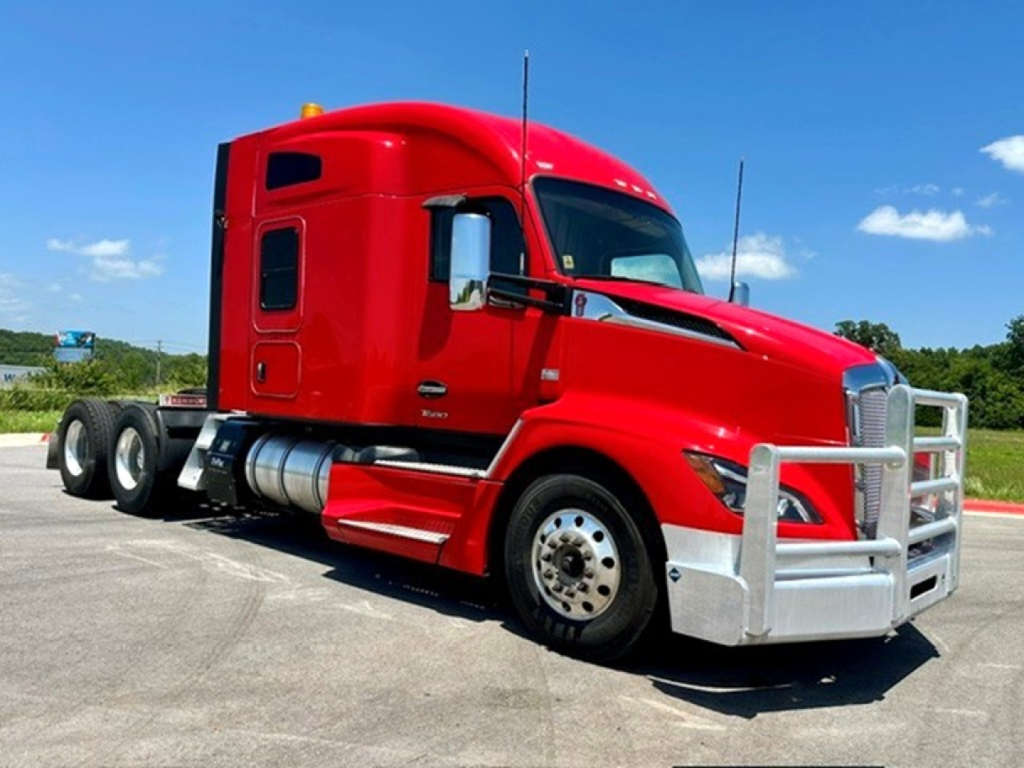
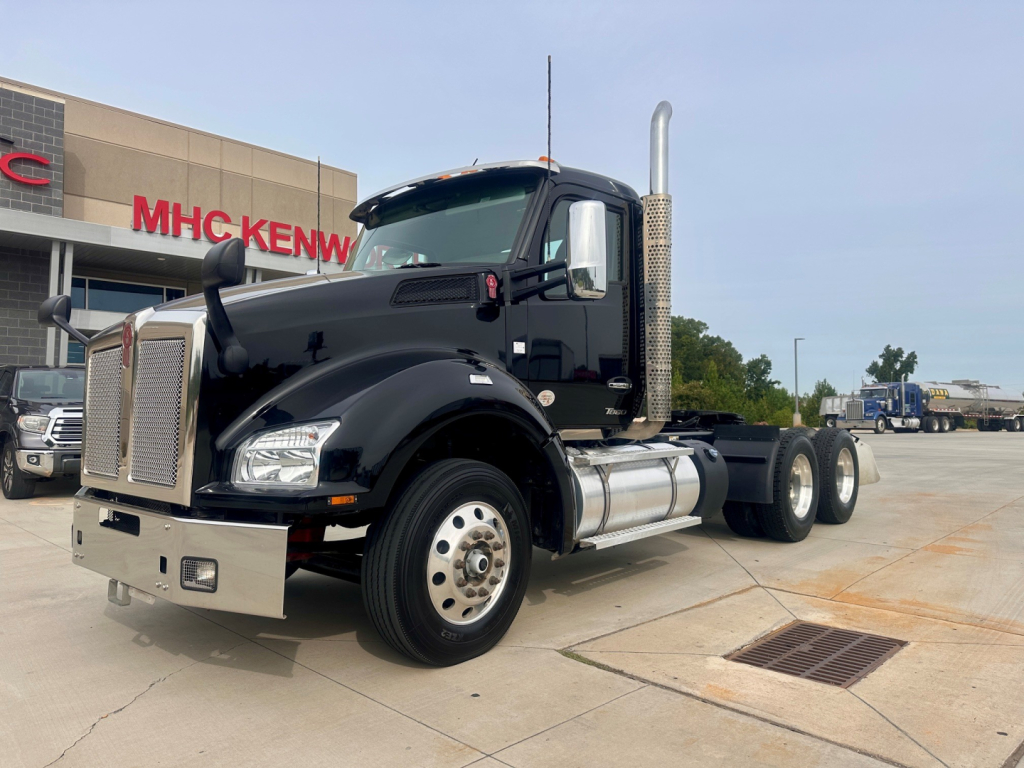
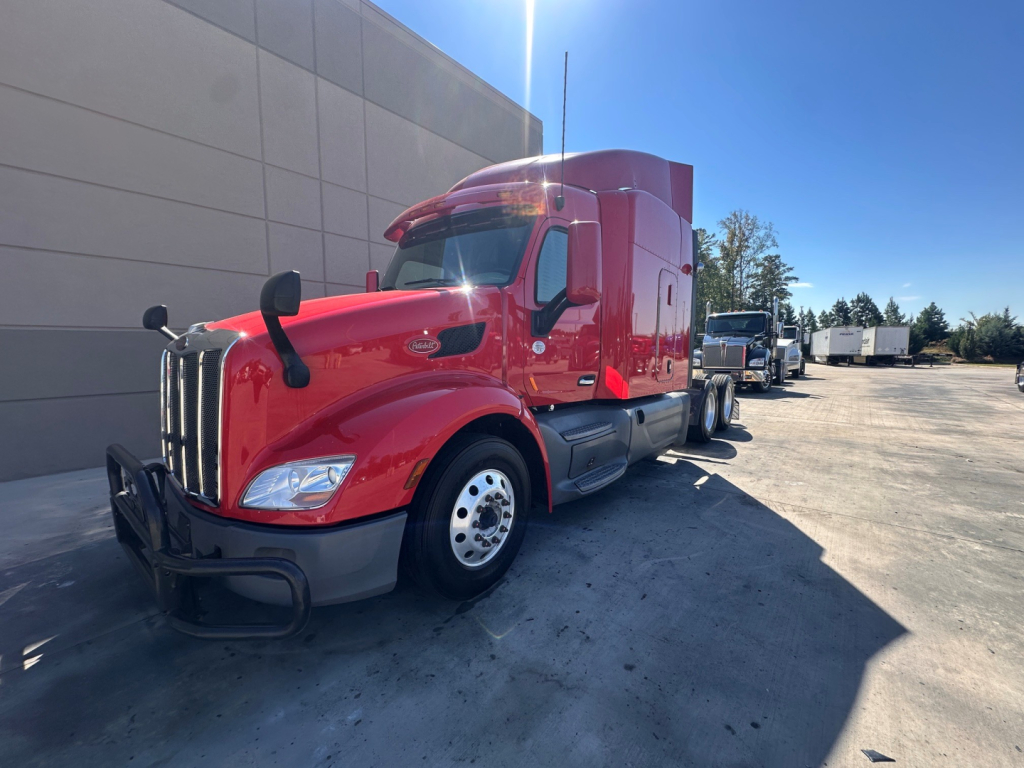
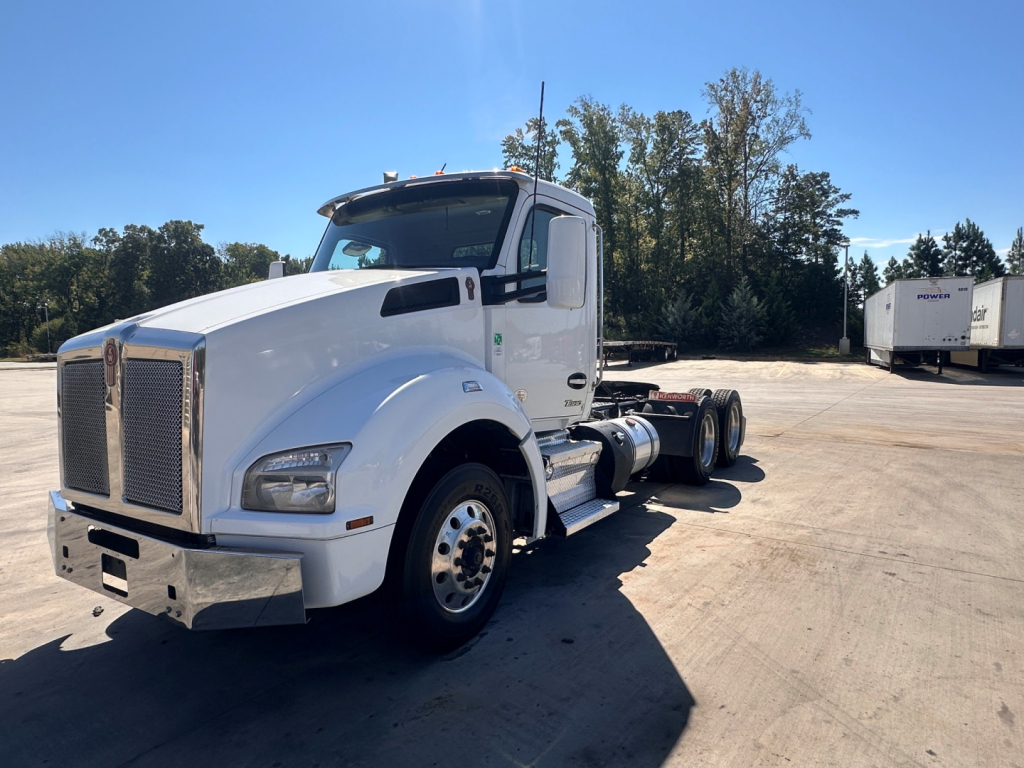
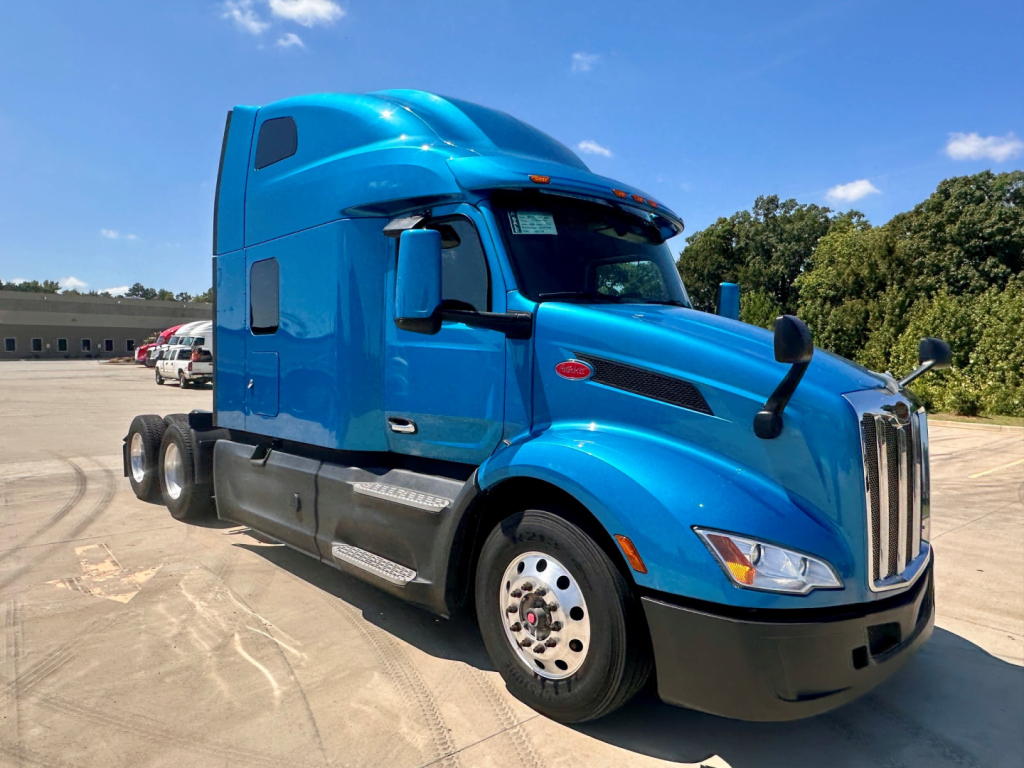
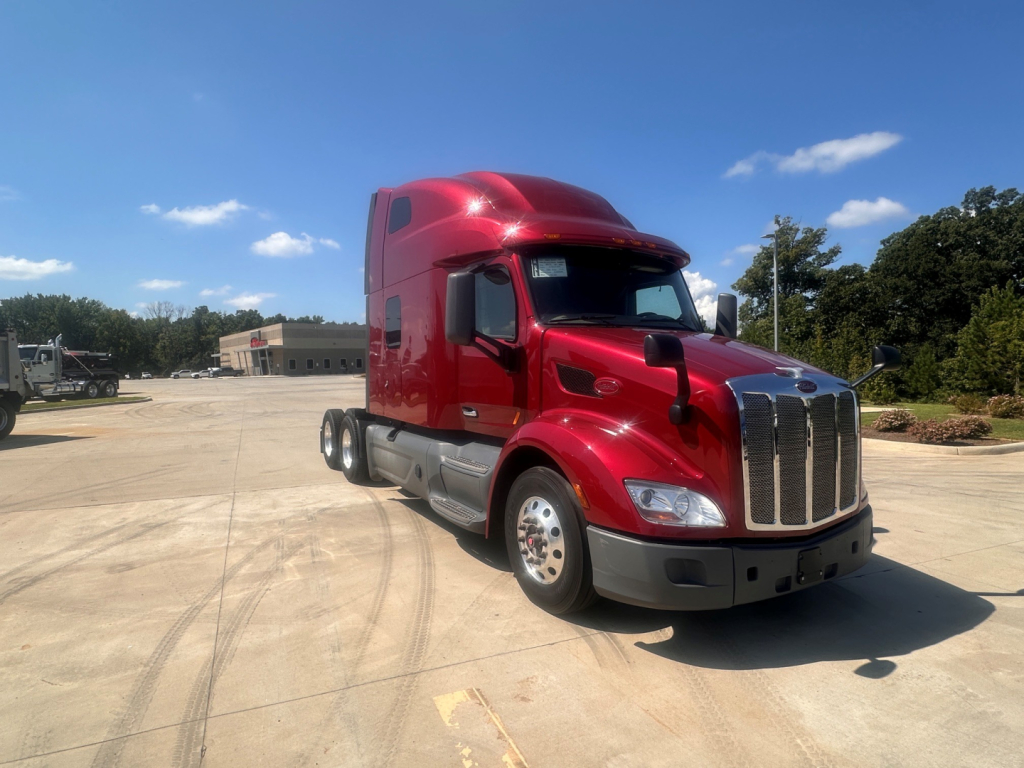
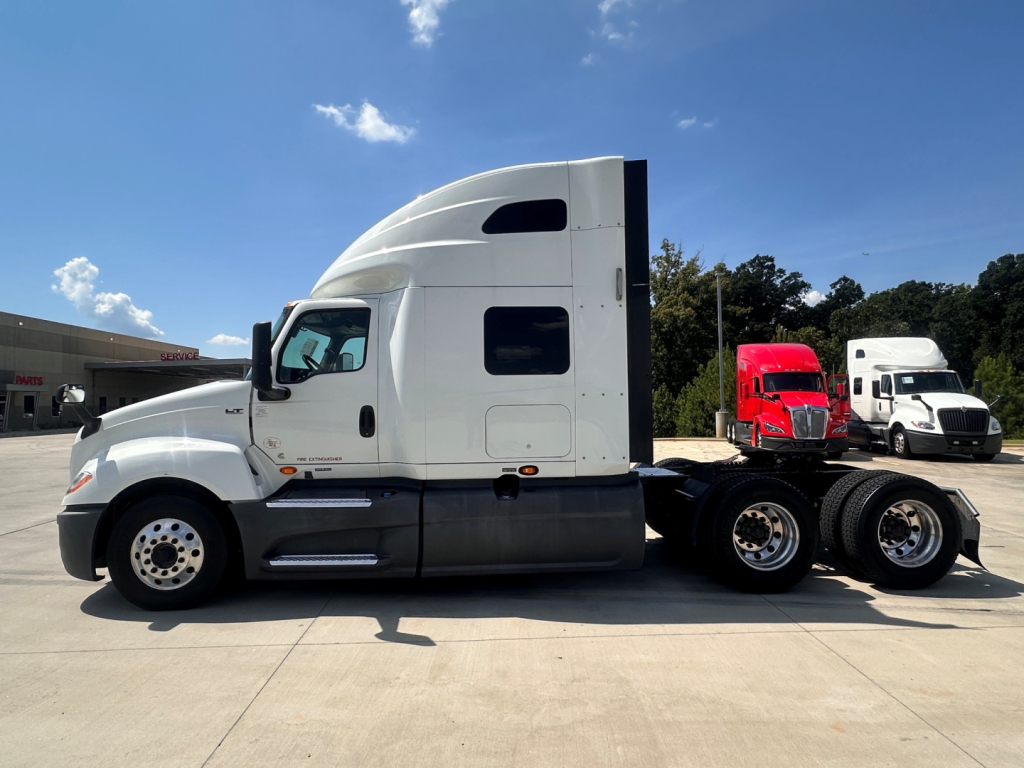
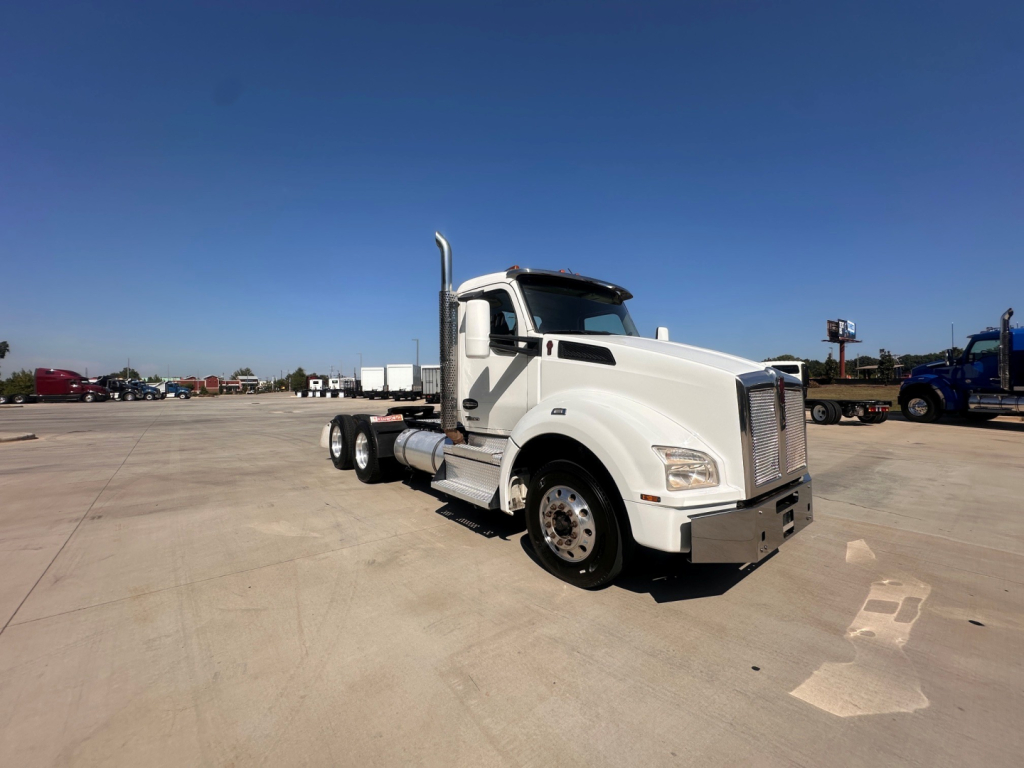
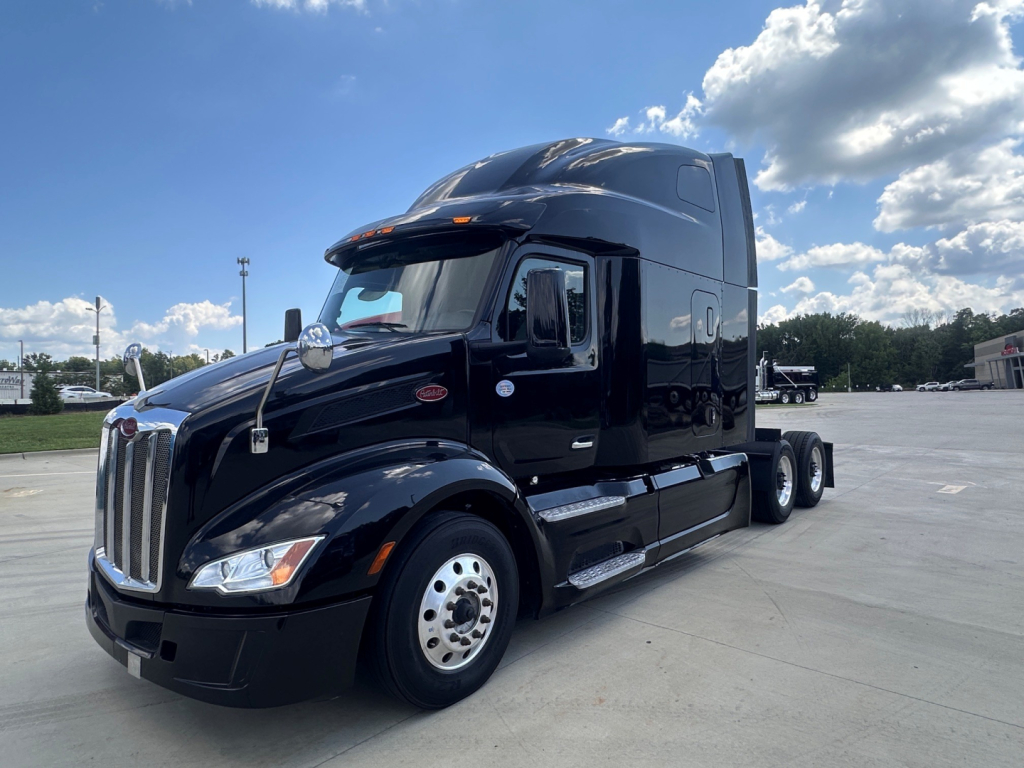


Selling a commercial truck? List your commercial truck for sale and reach thousands of commercial buyers.
Commercial Trucks in South Carolina
Charleston and Greer port drayage tends to favor nimble day cabs with shorter wheelbases, a sliding fifth wheel for axle-weight control on containers, and chassis-friendly features like full-locking diffs for wet yards, disc brakes for stop-and-go, and durable cooling packages for summer heat. For over-the-road sleepers covering the Southeast, look for mid-roof or high-roof cabs with 72-inch bunks, factory idle management or an APU, and aerodynamic packages. Typical interstate GCWR targets 80,000 lb with 12k steer and 34k tandems, and regional fleets often spec 150 to 200-gallon fuel capacity to balance range with weight.
Medium-duty box trucks and reefers support dense delivery zones around Columbia, Charleston, and Myrtle Beach. Common specs include 24 to 26-foot bodies, rail or tuck-under liftgates, and 2,000 to 3,300-lb capacities. For CDL planning, a non-CDL unit usually carries a 25,999-lb GVWR and hydraulic brakes, while CDL units can step up to 33,000 lb GVWR with air brakes and higher-capacity axles. Refrigerated straight trucks should be evaluated for insulation ratings, standby power, recent service on the reefer unit, and aluminum scuff liners that reduce interior damage. Urban work benefits from collision mitigation, heated mirrors, and tight turning radius front axles.
Timber, aggregates, and construction in the Midlands and Upstate push buyers toward vocational specs. Dump trucks with double-frame or insert liners, 18k to 20k steer axles, 40k to 46k rears, full-lockers, crossmembers in good condition, and high-capacity hoists handle rough sites. Spring suspensions trade ride quality for durability, while air-ride improves driver comfort on mixed highway routes. Across the state’s humid and coastal environments, prioritize corrosion resistance with aluminum wheels, composite or aluminum cabs, sealed wiring, and undercoating. On any used semi truck or straight truck, inspect aftertreatment health, coolant and charge-air system integrity, brake and suspension wear, fifth wheel condition, and evidence of preventive maintenance to keep total cost of ownership predictable in South Carolina service.
Frequently Asked Questions about Commercial Trucks in South Carolina
What engine and axle ratio combinations work best for South Carolina routes?
For flat, high-speed corridors like I-95, I-26, and I-20, a downsped spec with 2.28 to 2.64 rears, a 12-speed automated, and 22.5 LP tires delivers strong fuel economy at 65 to 70 mph. For routes that include the Upstate’s rolling grades, many buyers choose 2.85 to 3.08 ratios or higher torque ratings to maintain cruise without excessive shifting. Match tire size, transmission top gear, and typical cruise speed to keep RPM in each engine’s peak efficiency band.
Are there special specs to consider for Charleston or Greer port drayage?
Day cabs with shorter wheelbases, a sliding fifth wheel, and durable cooling systems handle frequent stops and tight yard turns. Look for disc brakes, automatic transmissions tuned for low-speed maneuvering, and differential locks for wet surfaces. Because drayage often idles and creeps, evaluate DPF history, regen frequency, and the condition of sensors and dosers in the aftertreatment system.
How does South Carolina’s climate affect used truck selection?
Heat and humidity stress cooling, A/C, and electrical connectors. Coastal operations add corrosion risk, so aluminum components, sealed wiring, stainless hardware, and undercoating help preserve value. Verify the radiator, charge air cooler, and fan clutch performance, inspect cab mounts and frame rails for rust or pitting, and confirm the HVAC system and APU or idle management work reliably in summer conditions.
What GVWR should I choose if I want to avoid a CDL on a box truck?
Select a unit rated at 25,999 lb GVWR or lower. A non-CDL truck commonly uses hydraulic brakes and lighter axles. Air brakes by themselves do not require a CDL if the GVWR is below the CDL threshold, but many insurers and employers still prefer air brake endorsements for safety and training. Verify local requirements and consider future payload needs before committing to a GVWR.
What should I inspect on a vocational dump or logging truck used in the Midlands or Upstate?
Check frame rails for cracks or rust between liners, suspension bushings and pins, hoist cylinders for seepage, PTO engagement, driveline angles, brake lining thickness, and tire condition. Confirm differential lock function, gear ratio suitability for jobsite starts, and that the body, tarp, and tailgate operate smoothly. A clean oil sample history and documented maintenance on the engine and aftertreatment reduce risk in heavy vocational service.