
Freightliner Trucks For Sale in South Carolina
Browse Freightliner trucks for sale in South Carolina, including vocational and commercial models built for dump, refuse, utility, and fleet work.
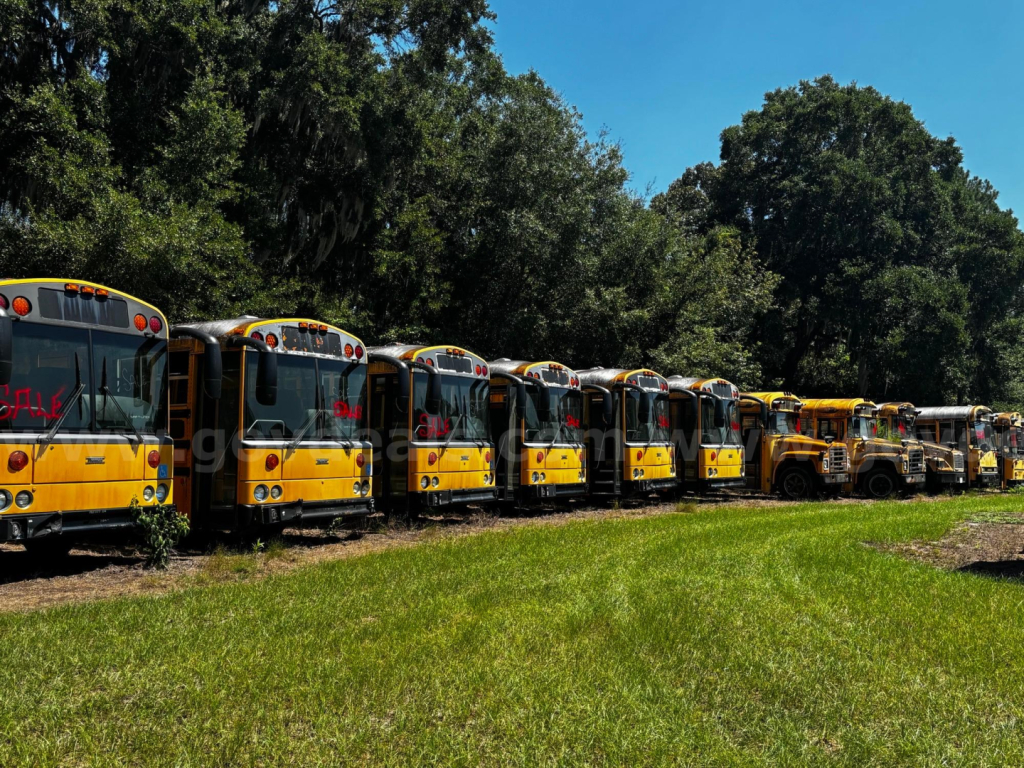
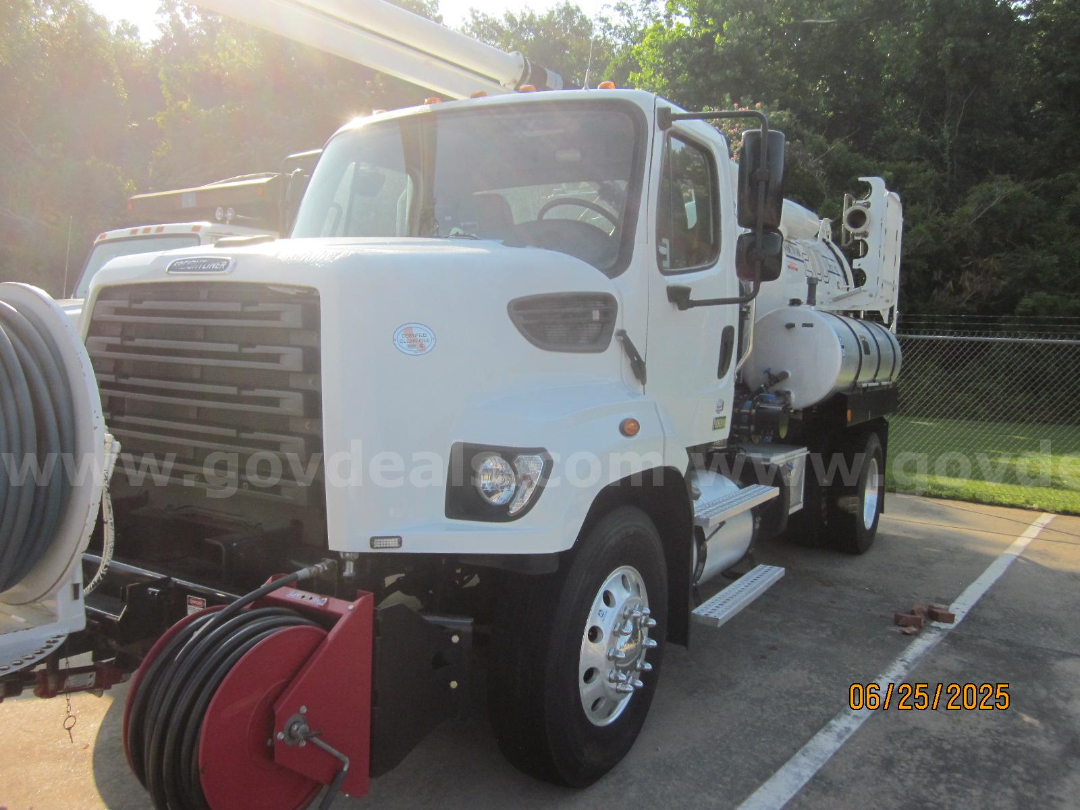

Have freightliner truck to sell? List it here to reach thousands of buyers.
Freightliner Trucks in South Carolina
A lot of the buying decision comes down to chassis spec. On vocational Freightliner trucks, pay close attention to engine family, transmission, front axle rating, rear axle ratio, suspension type, wheelbase, PTO setup, and how well the truck matches the body application. Cummins power is common on many Freightliner vocational units, often paired with Allison automatic transmissions in stop-and-go work such as garbage, vacuum, and municipal service. For dump and construction use, buyers should look at GVWR, frame reinforcement, suspension capacity, brake type, and whether the truck has the right axle configuration for payload and jobsite conditions. On medium-duty units like the M2, visibility, cab access, and body-builder compatibility are often major advantages.
South Carolina buyers should also factor in operating environment. Coastal humidity, municipal use, and stop-start duty cycles can accelerate wear in electrical systems, hydraulics, body mounts, and cab corrosion points. A used Freightliner truck should be evaluated beyond the cab and drivetrain. Inspect PTO operation, hydraulic response, suspension bushings, brake condition, steering play, body integrity, and signs of hard vocational use such as frame modifications or stress cracking near hoists, body saddles, or auxiliary equipment mounts. On refuse, vacuum, and specialty trucks, the condition of the upfit can matter just as much as the chassis, especially if the unit has automated loaders, dual steer, leaf vac systems, or other job-specific equipment.
Freightliner remains a practical choice because the trucks are widely understood by fleet managers, owner-operators, and municipal maintenance departments. The broad dealer network, common powertrain combinations, and strong body-builder presence make these trucks easier to spec, service, and keep productive over time. For a buyer comparing listings, the best Freightliner truck is usually the one with the right axle ratings, body integration, service history, and application fit, not simply the newest model year or lowest odometer reading.
Frequently Asked Questions about Freightliner Trucks in South Carolina
What are the most common Freightliner truck models used for vocational work?
The most common Freightliner vocational platforms include the M2, 108SD, and 114SD. The M2 is widely used for medium-duty applications such as utility, box, service, refuse, and municipal work because it offers good maneuverability and body-builder flexibility. The 108SD and 114SD are more common in severe-duty applications like dump, mixer, heavy vocational hauling, and construction service where higher axle ratings, stronger frames, and more rugged suspension options are needed.
What should I inspect first on a used Freightliner vocational truck?
Start with the truck-body match. Confirm that the chassis ratings, wheelbase, PTO configuration, and suspension were properly spec'd for the installed body. Then inspect engine and transmission operation, brake condition, steering components, suspension wear, hydraulic function, and frame condition. On vocational trucks, signs of hard use often show up around hoist mounts, crossmembers, body saddles, hydraulic plumbing, and electrical connections for auxiliary equipment. Service records and evidence of regular preventive maintenance are especially important.
Are Freightliner trucks expensive to maintain?
In many fleets, Freightliner trucks are considered relatively manageable to maintain because parts availability is strong and technicians are familiar with the platforms. Actual maintenance cost depends on the application and the upfit. A straight chassis used in regional delivery will typically be less costly to maintain than a refuse, vacuum, or dump truck with hydraulics, PTO-driven systems, and high cycle counts. The truck body and auxiliary equipment can add substantial maintenance expense, so buyers should evaluate the whole unit, not just the chassis and engine.
Is a Freightliner M2 a good choice for municipal or utility service?
Yes. The Freightliner M2 is a common choice for municipal, utility, and specialty body applications because it balances cab visibility, maneuverability, and body-builder compatibility. It is often spec'd with Cummins diesel power and Allison automatic transmissions for stop-and-go duty. Buyers should still confirm front axle capacity, rear axle ratio, PTO provisions, and wheelbase dimensions because those details determine how well the truck will perform with a dump body, service body, vacuum system, or refuse setup.
Why are axle ratings and wheelbase so important when buying a Freightliner truck?
Axle ratings and wheelbase determine how well the truck can legally and safely carry the intended body and payload. If the spec is too light, the truck may wear out faster, handle poorly, or fall short on payload capacity. If the wheelbase is wrong, the body installation may compromise weight distribution, turning radius, or PTO and hydraulic layout. These factors are critical on dump, garbage, vacuum, and specialty trucks where the body and load characteristics place very different demands on the chassis.