
2017 Commercial Trucks For Sale in South Carolina

Have 2017 commercial truck to sell? List it here to reach thousands of buyers.
2017 Commercial Trucks in South Carolina
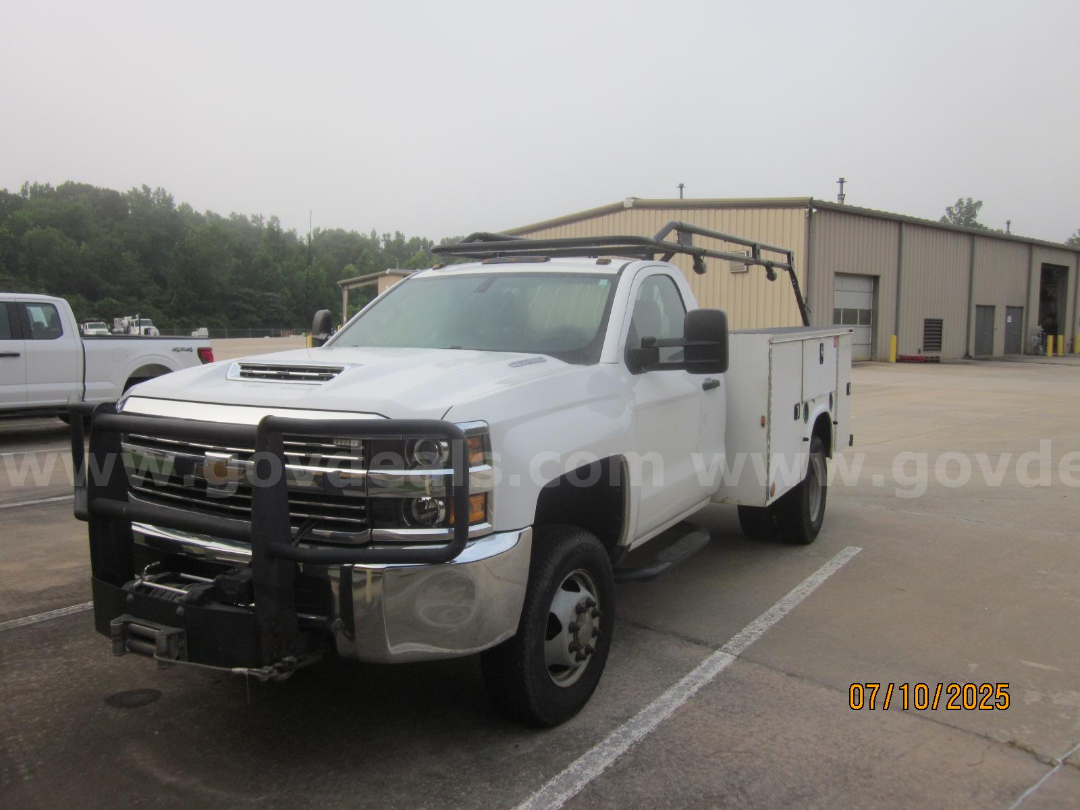
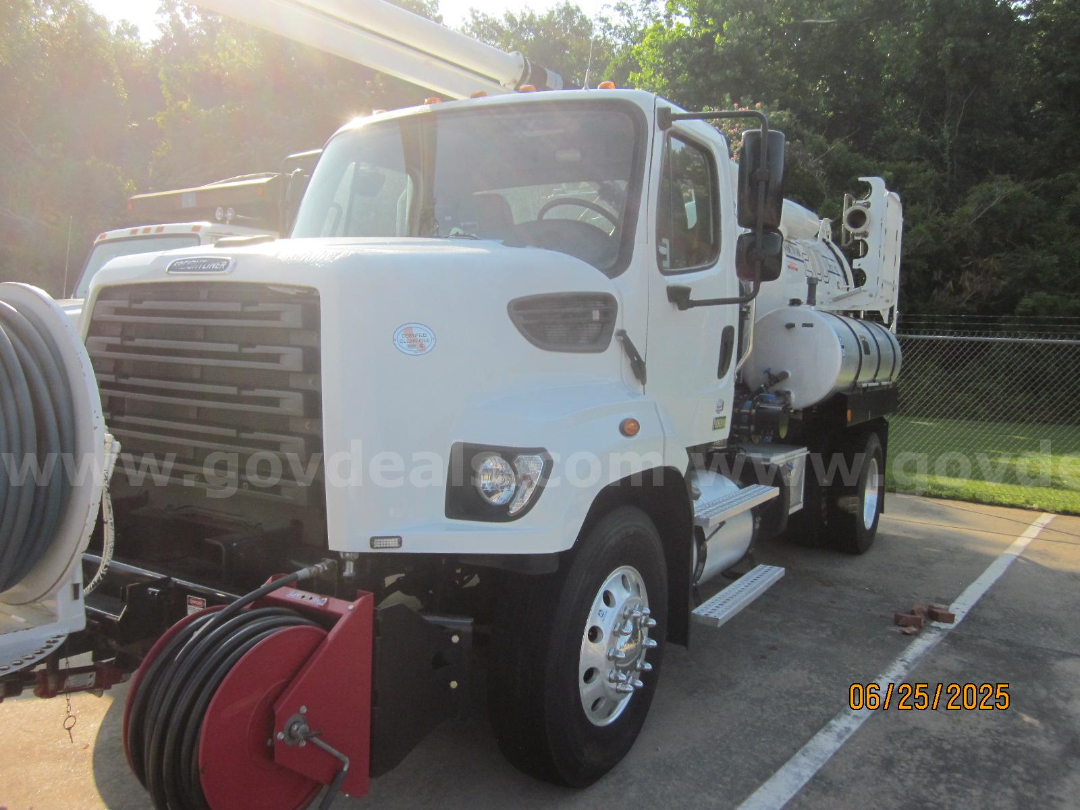
The biggest buying decision in a 2017 truck category is usually the chassis and application match. On the lighter end, 2017 pickups and cab-and-chassis trucks often show up as service trucks, utility body trucks, mechanics trucks, or flatbeds, commonly with gas V8 or light-duty diesel power, 4x2 or 4x4 drivetrains, and regular, extended, or crew cab configurations. In the medium-duty range, buyers will see platforms such as International 4300 and 7300 series, Freightliner M2, and similar Class 6 through Class 8 vocational chassis. These trucks are frequently spec'd with diesel engines, automatic transmissions like the Allison, air or hydraulic brakes depending on GVWR, PTO capability, and wheelbases selected for bodies such as dump, flatbed, hooklift, sweeper, digger derrick, bucket, rollback, or refuse equipment.
For South Carolina use, rust exposure is often less severe than in northern markets, but condition still comes down to duty cycle, idle time, PTO hours, body corrosion, and maintenance history. A 2017 vocational truck should be checked for engine aftertreatment condition, DEF system performance where applicable, transmission shift quality, brake type and lining life, suspension wear, and any signs of hydraulic leaks or boom, hoist, or packer wear on upfitted units. On service-body and flatbed trucks, pay attention to frame condition, hitch setup, crane or compressor integration, and compartment integrity. On municipal or utility units, meter hours and PTO hours can matter as much as odometer miles because the chassis may spend long periods operating stationary equipment.
Buyers comparing 2017 trucks should focus on GVWR, axle ratings, engine family, cab configuration, and the value of the installed body or vocational package. A truck with the right upfit can save substantial time and money versus building one from a bare chassis. It also helps to confirm CDL implications, bridge law considerations, and local service support for the make and engine platform. A well-matched 2017 truck can still be a strong earning asset if the spec fits the job, the emissions system is healthy, and the body equipment has been maintained to the same standard as the chassis.
Frequently Asked Questions about 2017 Commercial Trucks in South Carolina
What should I look for first when buying a 2017 used truck?
Start with the intended application and confirm the truck was built for that work. Check GVWR, front and rear axle ratings, wheelbase, cab style, drivetrain, and whether the body or equipment is factory-integrated or added later. On a 2017 model, maintenance records, engine hours, PTO hours, and emissions system service history are often more important than mileage alone, especially on utility, municipal, and other vocational trucks.
Are 2017 trucks a good choice for vocational and municipal work?
Yes, a 2017 truck can be a strong value in vocational service if the chassis and upfit have been maintained correctly. Many 2017 trucks offer modern diesel powertrains, automatic transmission options, PTO compatibility, and body-ready frame layouts that still meet the needs of flatbed, service, refuse, utility, and construction operations. The key is to inspect the condition of both the chassis and the equipment mounted on it, since boom wear, hydraulic condition, and body corrosion can drive repair costs quickly.
How important are engine hours and PTO hours on a 2017 truck?
They are very important on any 2017 truck with vocational equipment. A truck may show moderate road miles but still have high engine idle time or PTO usage from running booms, sweepers, compressors, pumps, or refuse bodies. Those hours affect engine wear, hydraulic system wear, and maintenance intervals, so they should be evaluated alongside mileage when comparing units.
Do 2017 trucks in South Carolina usually have less rust?
Many South Carolina trucks show less corrosion than similar trucks from snow-belt states, but that should not be assumed without inspection. Coastal humidity, fertilizer exposure, jobsite use, and municipal service can still create rust on frames, cab corners, body floors, hoists, outriggers, and utility compartments. A clean undercarriage, solid body mounts, and minimal corrosion around hydraulic and electrical components are still worth verifying in person.
Is it better to buy a 2017 truck with the body already installed or start with a chassis?
For most buyers, a 2017 truck with the correct body already installed offers better overall value if the equipment matches the intended work. A service body, flatbed, digger derrick, sweeper, or refuse body can add substantial replacement cost and lead time if purchased separately. The advantage of a chassis-only truck is flexibility, but the installed body often makes more sense when the upfit is in good condition and the wheelbase, PTO setup, and weight distribution are already correct.