
Commercial Trucks For Sale in New Jersey
Shop used trucks in New Jersey, from day cabs and sleepers to box and vocational units. Learn specs, gearing and regional rules before you buy.
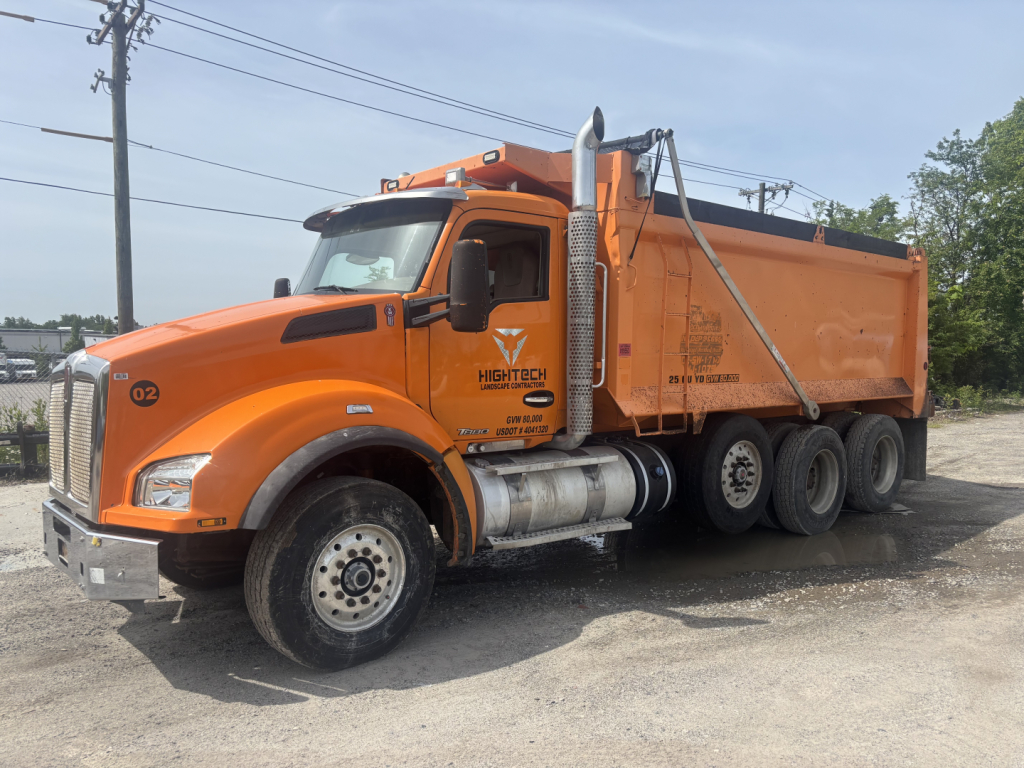
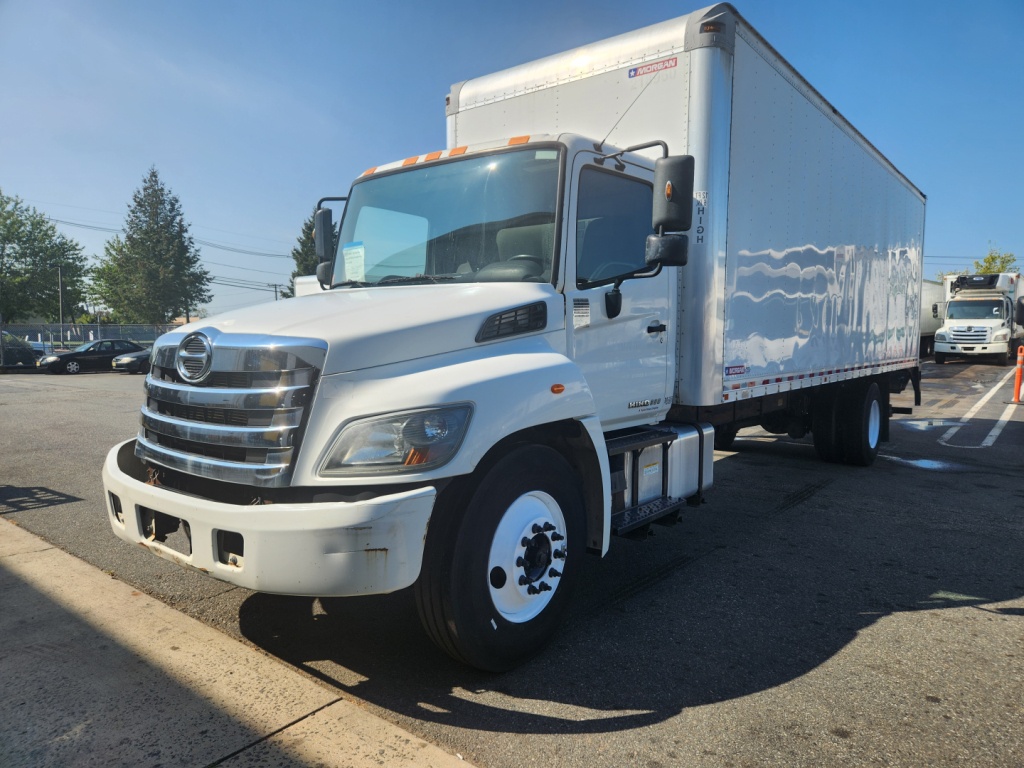
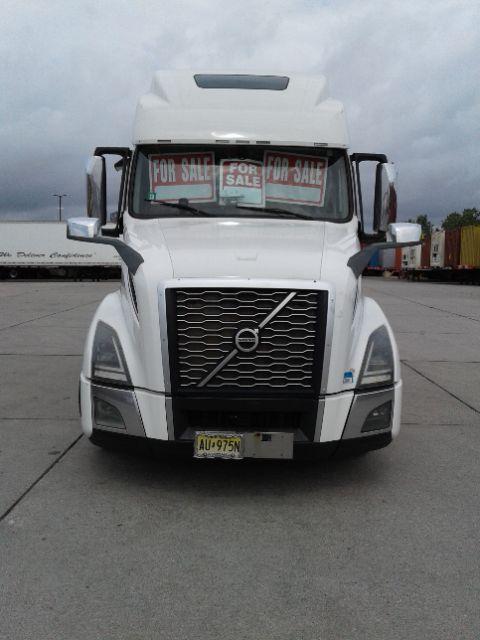
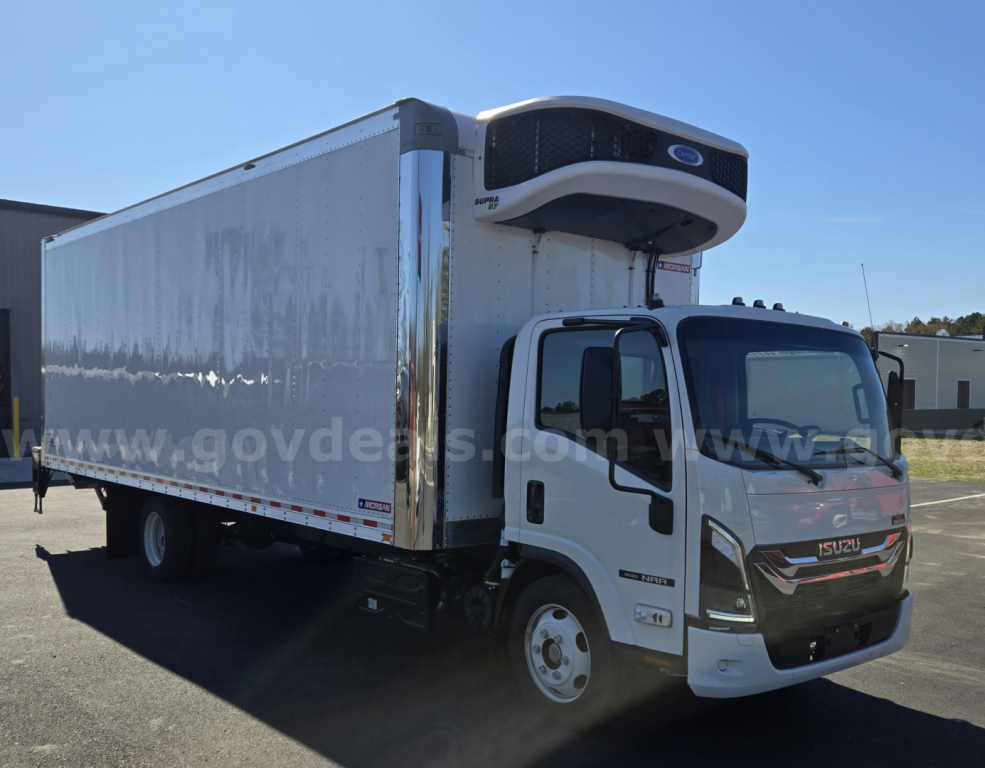
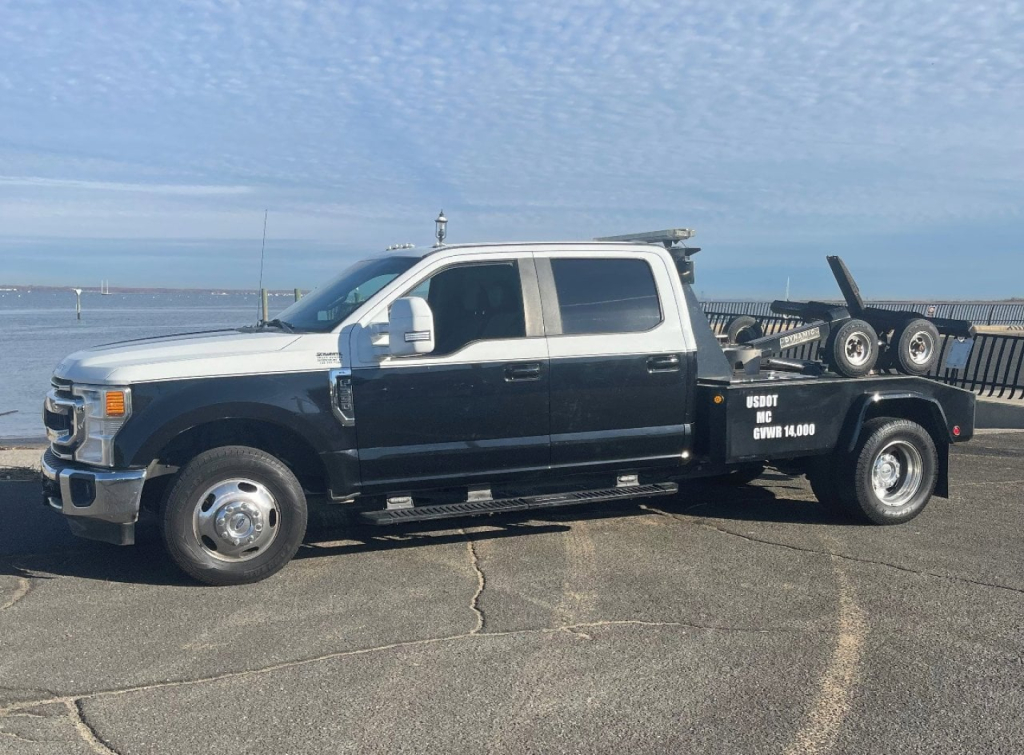
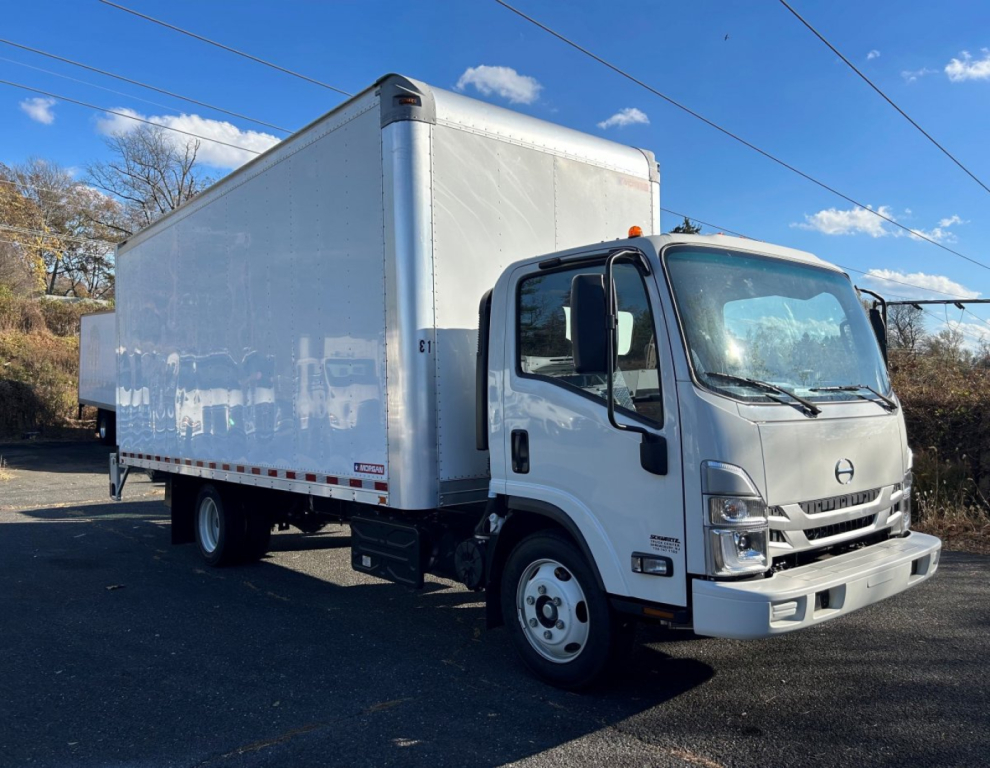
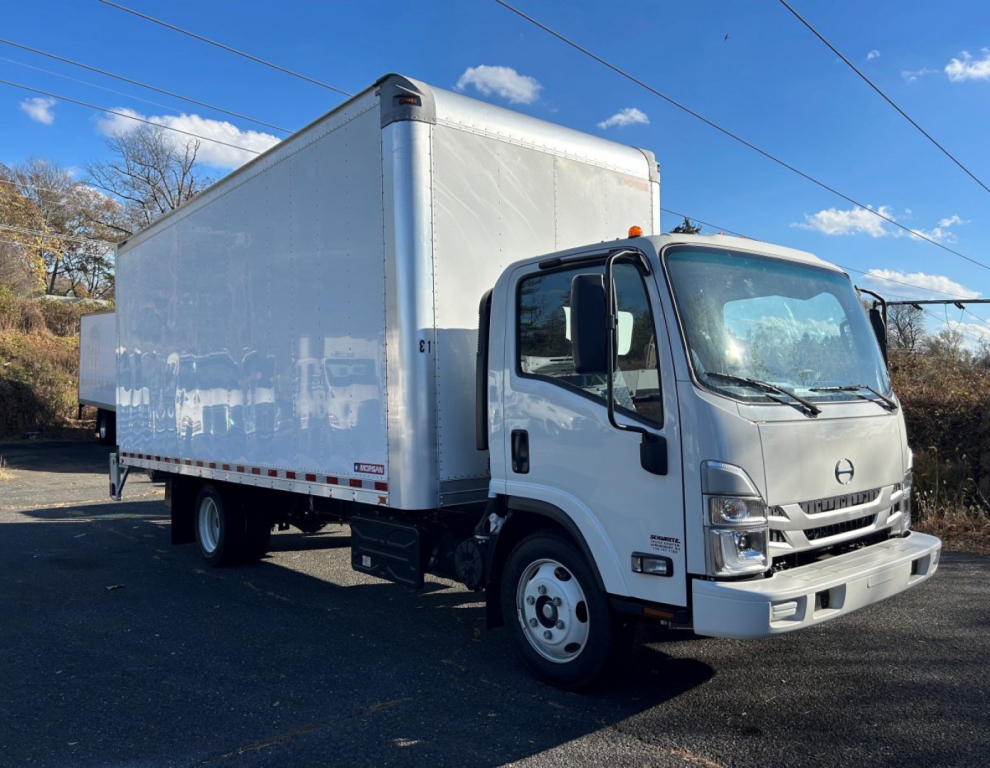
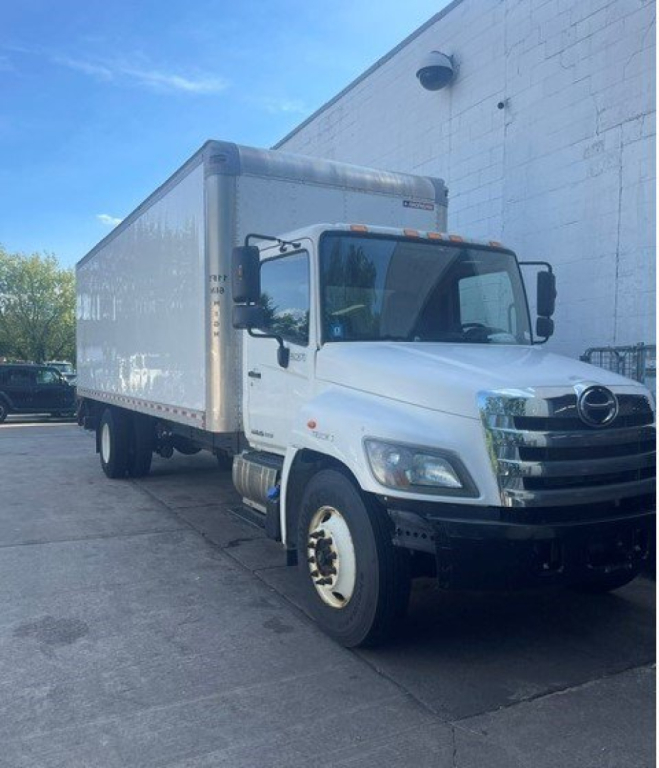
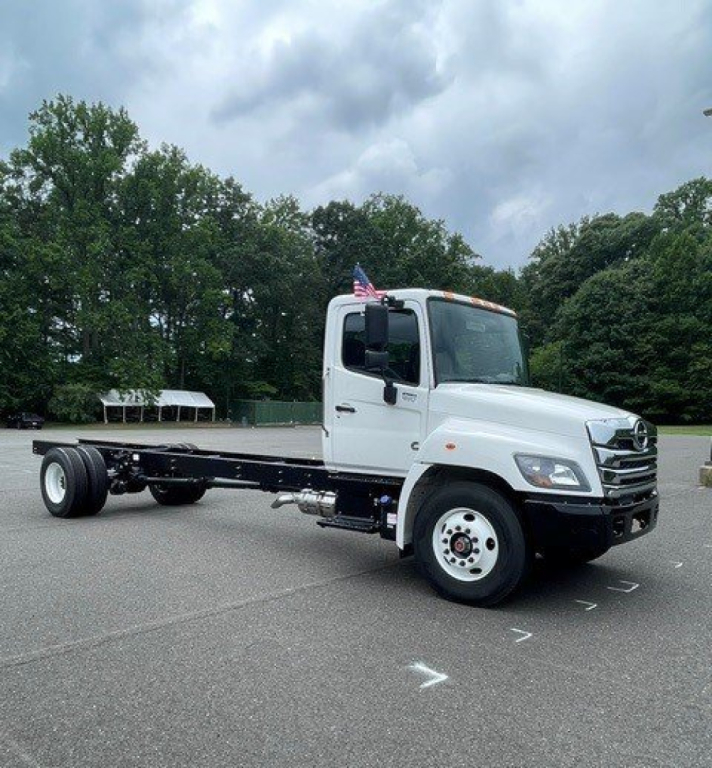
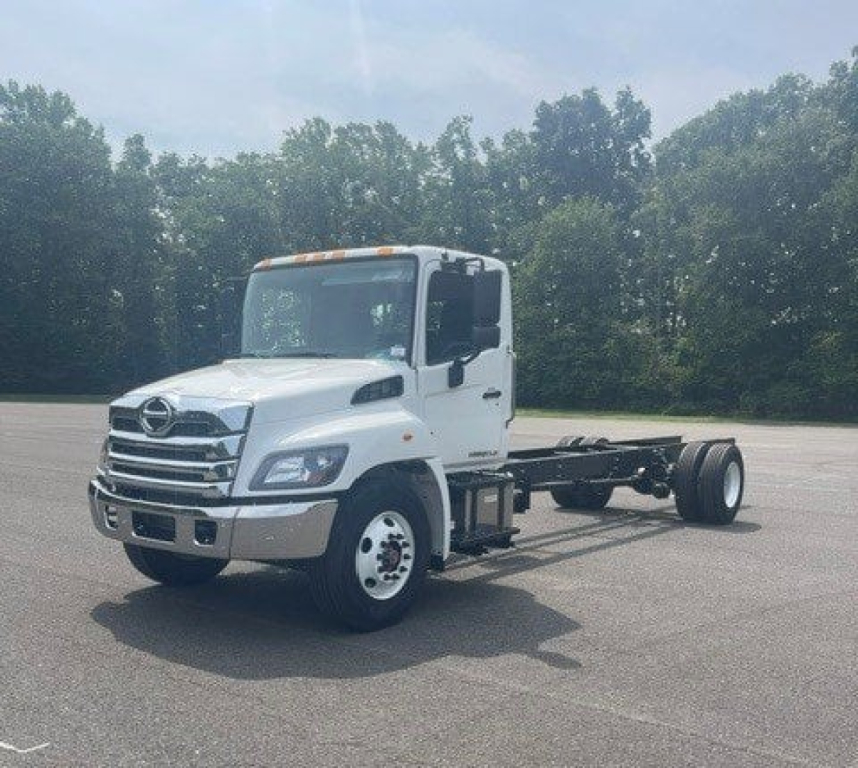
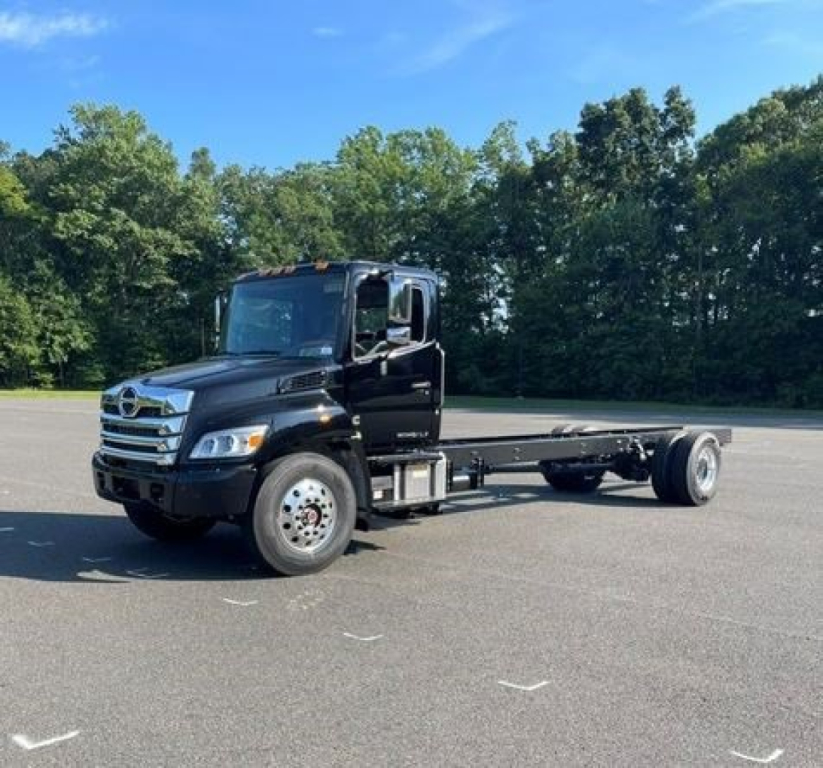
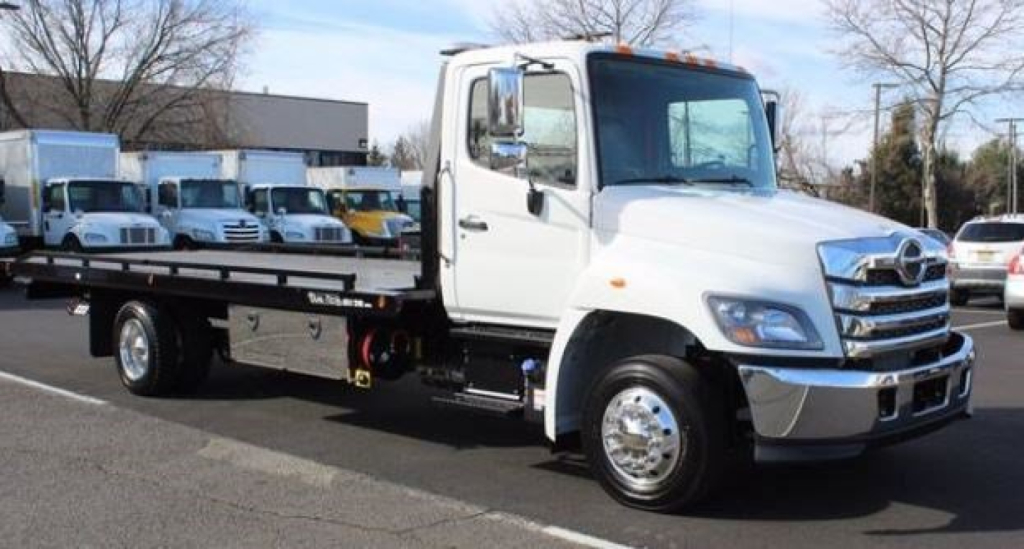
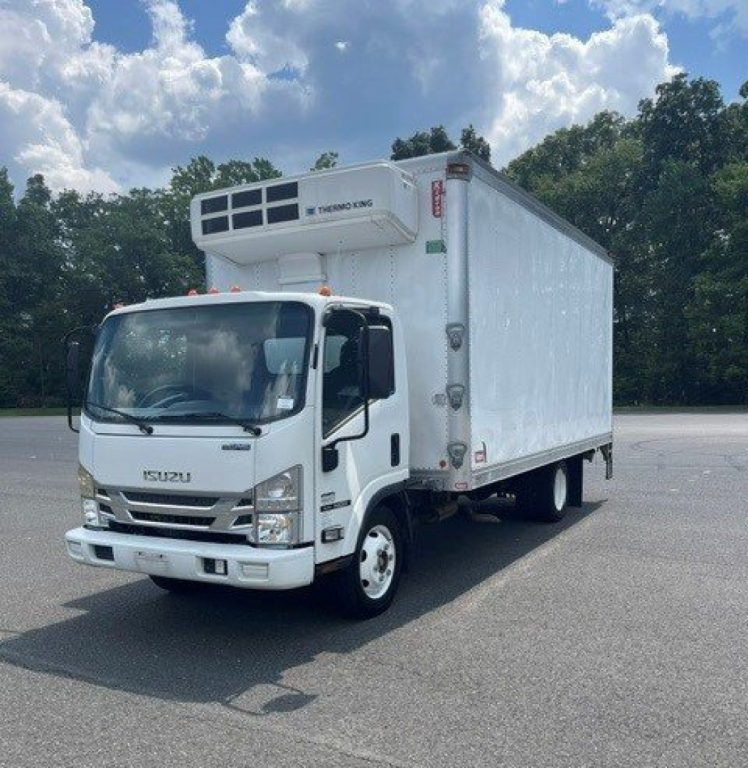
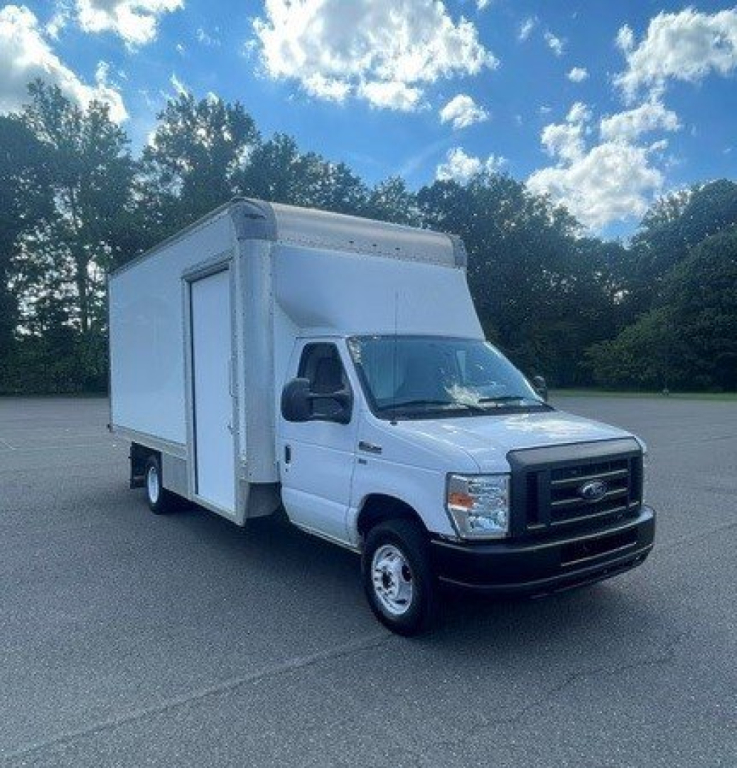
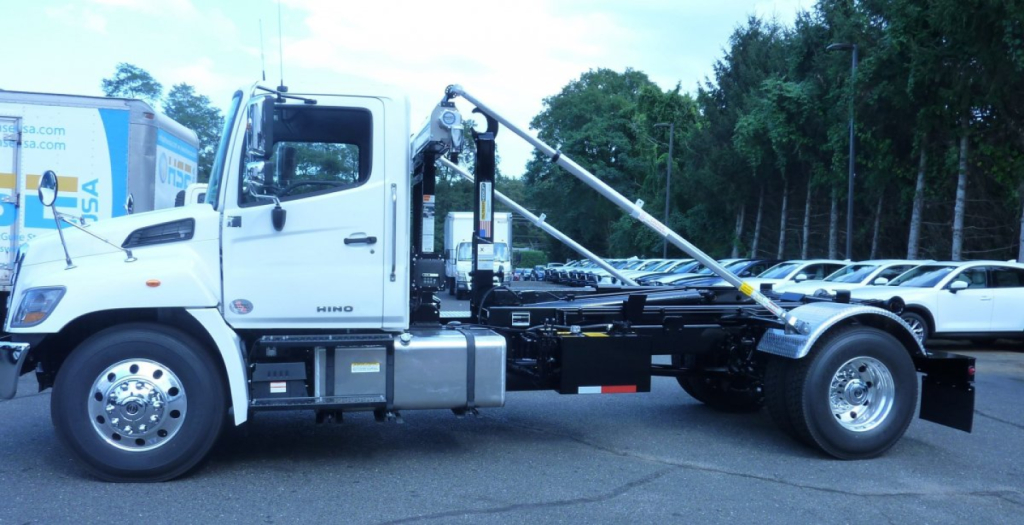
Showing 1 to 28 of 77 results
Selling a commercial truck? List your commercial truck for sale and reach thousands of commercial buyers.
Commercial Trucks in New Jersey
Powertrain matching matters on New Jersey’s mixed cycle of Turnpike cruising and stop-and-go local runs. For highway tractors on 11R22.5 or 295/75R22.5 tires, direct-drive transmissions pair well with rear ratios around 2.28 to 2.64 for 65 to 70 mph cruise, while overdrive boxes typically align with 2.64 to 3.08. Regional haul or heavy urban work often benefits from shorter gearing in the 3.08 to 3.55 range for launch and gradeability on I-80 and I-78 climbs. Popular engines include Cummins X15 and PACCAR MX-13, along with Detroit DD13 and DD15, commonly backed by Eaton UltraShift, PACCAR automated, Detroit DT12, or Allison automatics in medium duty. Look for engine brakes for hill control, wide-track front axles for turning radius, and rear axle ratings of 40k for linehaul or 46k plus for heavy vocational.
Regulatory details are worth attention. New Jersey enforces a 3-minute idling limit in most cases, so APUs, bunk heaters, and start-stop strategies help drivers stay compliant and cut fuel burn. For emissions, 2010 and newer SCR systems generally prove more reliable than 2007-only DPF setups, but any aftertreatment system should show documented DOC/DPF service, injector and EGR work, and recent NOx sensor replacements. Port drayage into the Port of New York and New Jersey typically requires newer-emission tractors that meet EPA 2007 or 2010 standards, so verify model year and compliance before committing. Buyers evaluating zero-emission options will find growing charging infrastructure and state voucher programs that can improve the ROI case for electric medium duty and yard tractors.
Climate and infrastructure shape spec priorities. Road salt favors aluminum or composite cabs, coated frames, stainless fasteners, sealed electrical harnesses, and air tanks with automatic drains. Winter packages with heated mirrors, fuel-water separators, and block heaters shorten cold starts and protect DEF systems. Air disc brakes reduce fade in stop-and-go traffic common on Routes 1, 3, and 46. For city delivery, short wheelbases, 50 degree or greater wheel cuts, and camera or radar-based visibility aids reduce claims. For highway efficiency, consider aerodynamic fairings, low-rolling-resistance tires or smart tire inflation systems, and collision mitigation that satisfies shipper safety requirements. Always confirm axle spacings, gross weight ratings, and bridge compliance for state and local roads before finalizing a spec.
Frequently Asked Questions about Commercial Trucks in New Jersey
What truck specs work best for New Jersey regional freight?
Set-back axle day cabs with short wheelbases improve maneuverability around older industrial parks and urban docks. Choose wide-track front axles, 50 degree plus wheel cut, and rear axle ratios in the 3.08 to 3.55 range if you face frequent stops and moderate grades. Air disc brakes and collision mitigation help with dense traffic. Medium duty box trucks typically run 18 to 26 foot bodies with liftgates and tough scuff liners for high-touch freight.
How should I gear a highway tractor for the New Jersey Turnpike and Northeast lanes?
For 65 to 70 mph cruise on the Turnpike, direct-drive transmissions often pair with 2.28 to 2.64 rears, while overdrive units match 2.64 to 3.08 depending on tire size and desired cruise RPM. If you pull heavier loads in hilly territory toward Pennsylvania, lean slightly shorter on the ratio to protect launch and gradeability. Verify actual tire revs per mile, top gear ratio, and preferred cruise RPM before finalizing the spec.
What should I check on emissions and aftertreatment when buying a used truck in New Jersey?
Prioritize documented service history for the DPF and SCR system, including cleaning intervals, DOC condition, DEF doser health, and recent NOx and delta pressure sensor replacements. Inspect for exhaust leaks and wiring corrosion from road salt. 2010 and newer SCR systems are generally more dependable than 2007-only DPF designs, but condition and maintenance history matter more than model year alone.
Are there special requirements for trucks serving the Port of New York and New Jersey?
Port drayage programs favor cleaner-emission tractors, commonly requiring EPA 2007 or 2010 compliant engines to enter terminals. Always confirm the current drayage registry rules, model year cutoffs, and any sticker or RFID enrollment before purchase. Port duty cycles also benefit from automated transmissions, retarder-equipped brakes, and geared axles suited for low-speed queueing and frequent launches.
Do electric or CNG trucks make sense for New Jersey operations?
Electric medium duty box trucks and yard tractors can fit well in short-range, return-to-base applications, especially with access to depot charging and available state vouchers that improve total cost of ownership. CNG can work for regional fleets with station access and predictable routes. Evaluate route length, dwell times, payload sensitivity, and any shipper sustainability requirements before committing.