
Peterbilt Trucks For Sale in New Jersey
Browse Peterbilt trucks for sale in New Jersey, including day cabs, vocational models, and highway tractors built for durability and driver comfort.
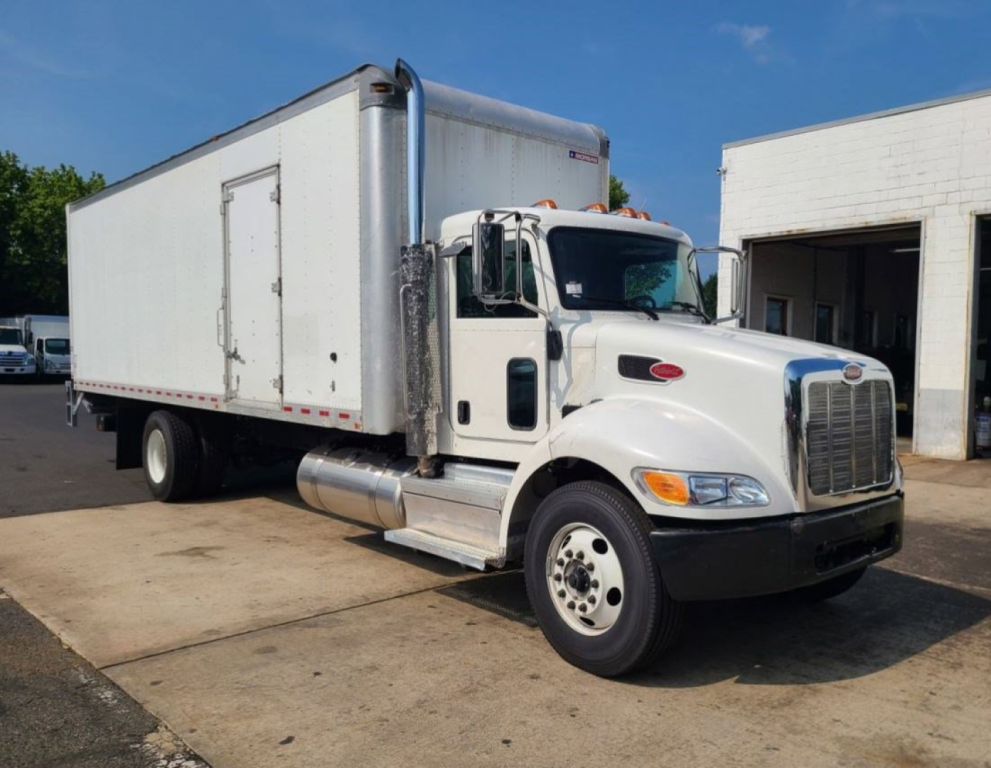
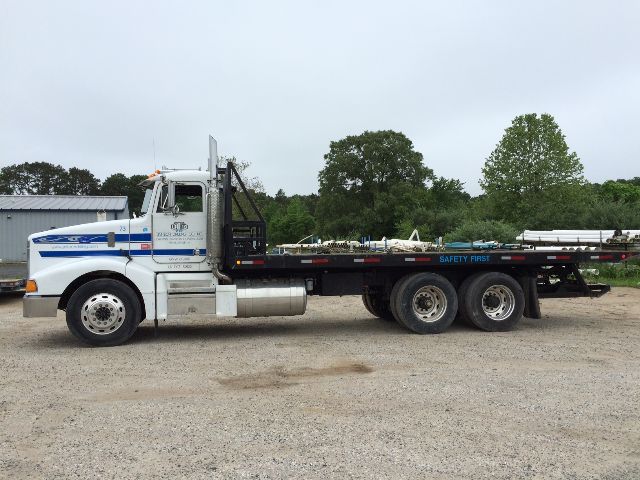

Selling a peterbilt truck? List your peterbilt truck for sale and reach thousands of commercial buyers.
Peterbilt Trucks in New Jersey
For a buyer comparing Peterbilt trucks, the most important factor is matching the chassis to the job instead of shopping by badge alone. Axle configuration, wheelbase, front axle rating, and rear suspension will determine how well the truck carries a body, handles bridge law, and performs in tight Northeast operating conditions. A tandem axle rollback or heavy-spec vocational truck may need double frame rails, high PTO capacity, and a robust cooling package, while a day cab for port, warehouse, or regional freight can prioritize fuel economy, visibility, and a shorter turning radius. Engine choices also affect maintenance planning. PACCAR MX engines are common in later on-road trucks, while older vocational and long-hood models may carry Cummins, Caterpillar, or Detroit power depending on year and original spec.
New Jersey buyers also tend to look closely at corrosion, emissions equipment history, and title status. Trucks that have spent years in winter road salt need careful inspection around cab mounts, battery boxes, frame rails, crossmembers, air tanks, and body attachment points. On EPA-era units, it is smart to review aftertreatment service records, regen history, and any recent work to the DPF, DEF, or EGR systems. For vocational Peterbilts, body condition is just as important as the chassis. A rollback should be checked for deck wear, winch operation, hydraulic leaks, and subframe integrity. A vacuum truck should be evaluated for tank condition, pump hours, plumbing, and any signs of electrical or fire damage.
Peterbilt remains a strong choice for buyers who want a truck that can be spec'd for premium highway use or serious vocational duty without giving up parts support and market recognition. The cab layout is generally driver-friendly, and the brand has a long reputation for solid build quality in both aluminum and steel-intensive applications. When comparing listings, focus on application history, maintenance records, engine and transmission pairing, axle ratings, and the quality of any installed body or equipment. That approach will tell you far more than model year alone and will help narrow down which Peterbilt truck is actually right for your route, payload, and operating costs in New Jersey.
Frequently Asked Questions about Peterbilt Trucks in New Jersey
What are the most common Peterbilt truck models buyers look for in New Jersey?
Common Peterbilt models include the 579 for highway and regional freight, along with vocational platforms used for rollback, vacuum, dump, and municipal applications. The right model depends on the work. A 579 day cab is often chosen for regional lanes, port work, and warehouse distribution, while vocational Peterbilts are selected more for frame strength, PTO capability, axle ratings, and compatibility with specialized bodies.
Are Peterbilt trucks good for vocational applications like towing, vacuum work, and heavy upfits?
Yes. Peterbilt has long been a strong choice for vocational applications because the chassis can be spec'd for heavy front axles, tandem rears, double frames, PTO-driven equipment, and body-builder integration. Buyers should still confirm that the exact truck has the right wheelbase, frame rail specification, suspension, hydraulic setup, and body condition for the intended use, since vocational performance depends heavily on how the truck was originally built.
What should I inspect first on a used Peterbilt truck in New Jersey?
Start with frame condition, rust exposure, maintenance history, and emissions system records. In New Jersey, corrosion can affect crossmembers, air tanks, battery boxes, cab mounts, and body attachment points. After that, inspect the engine and transmission pairing, axle ratings, suspension wear, tire condition, brake life, and any body-specific systems such as hydraulics, winches, tanks, or pumps. A truck with the right spec but poor structural condition can become expensive quickly.
Which engine options are common in Peterbilt trucks?
Engine options vary by year and application, but buyers commonly see PACCAR MX engines in newer highway trucks and Cummins, Detroit, or Caterpillar engines in older or vocational units. The best choice depends on service support, emissions complexity, horsepower needs, and driver preference. It is smart to review engine family, horsepower rating, torque, transmission match, and maintenance records together instead of judging the truck by engine brand alone.
Do Peterbilt trucks hold their resale value well?
Peterbilt trucks generally hold value well because the brand has strong market recognition, broad parts support, and a reputation for durability. Resale is strongest when the truck has a desirable specification, documented maintenance, and an application that fits steady market demand. Condition matters more than branding alone, especially on used units with specialized bodies, higher engine hours, or Northeast corrosion exposure.