
Freightliner Trucks For Sale in New Jersey
Browse Freightliner trucks for sale in New Jersey, including Cascadia, M2, Sprinter, and vocational models for highway and local applications.
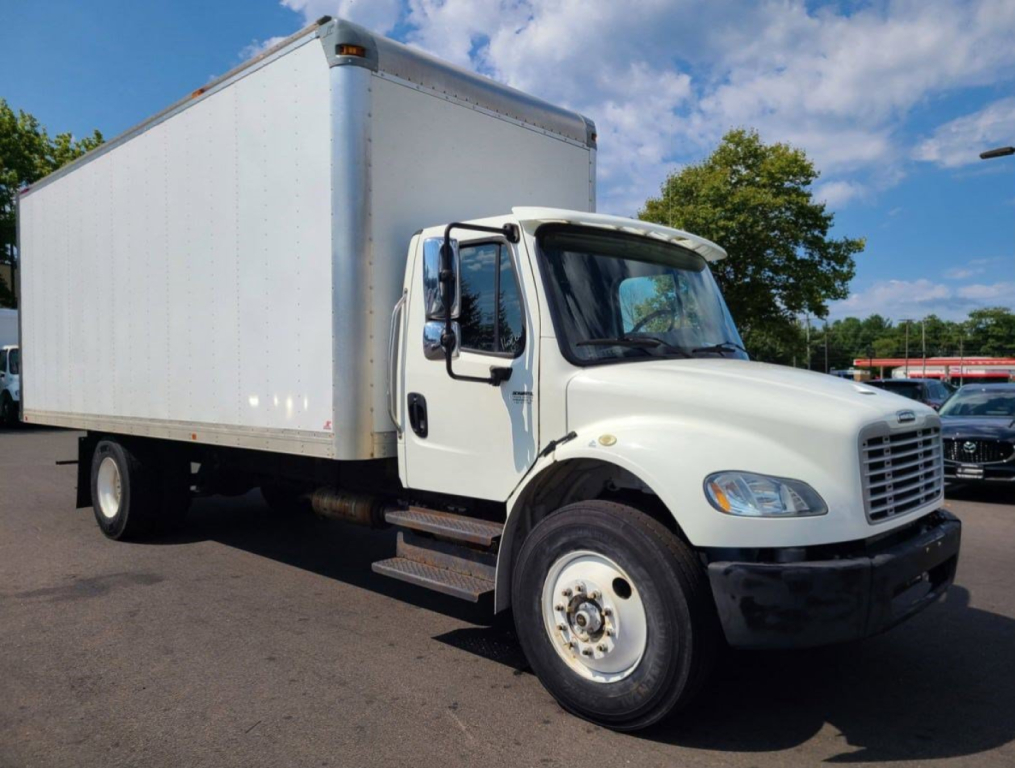
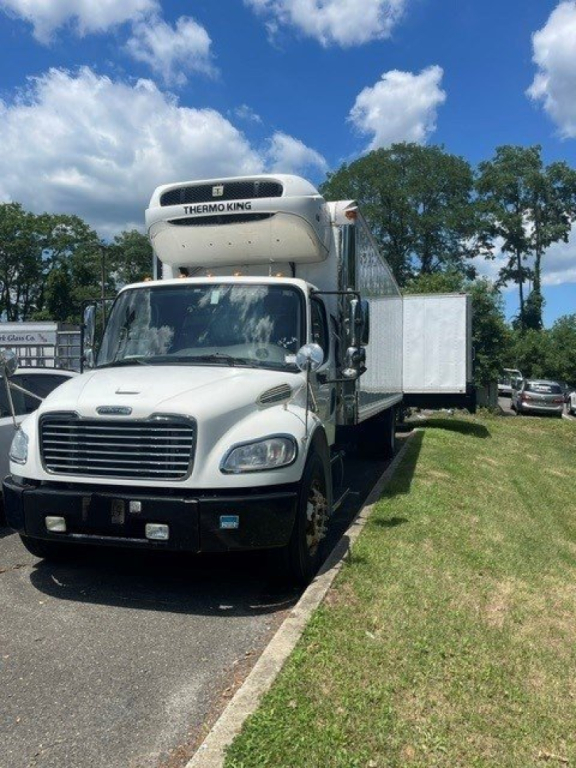
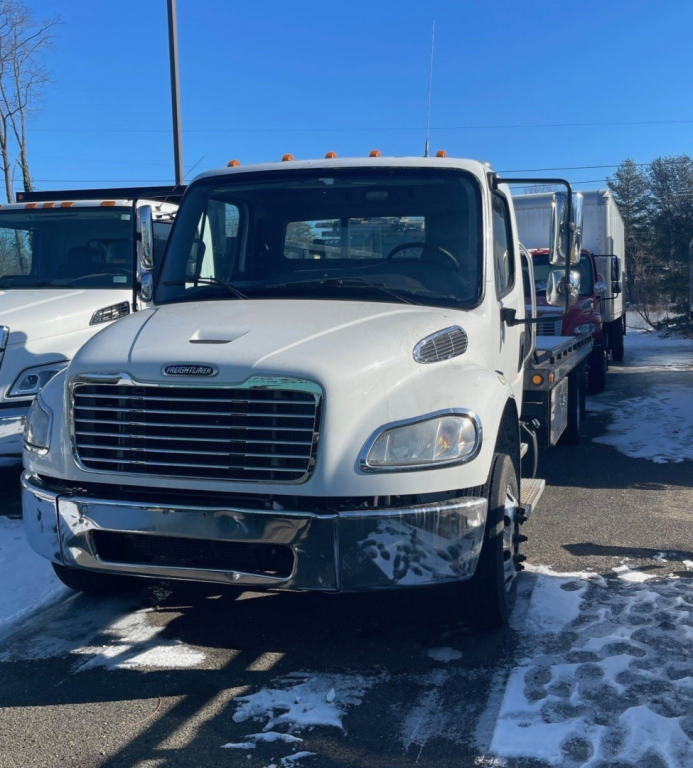
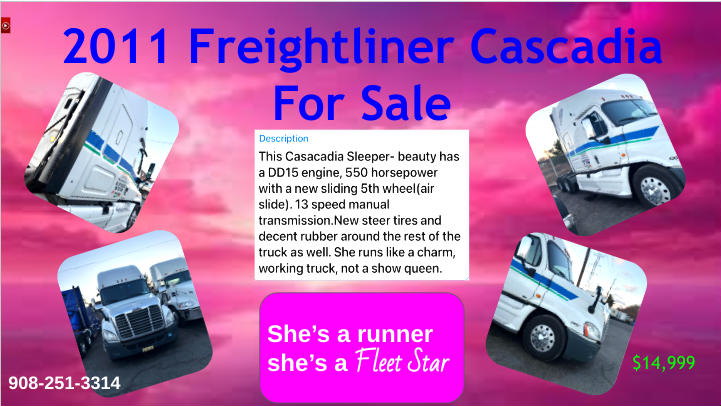

Selling a freightliner truck? List your freightliner truck for sale and reach thousands of commercial buyers.
Freightliner Trucks in New Jersey
On the Class 8 side, Freightliner is best known for the Cascadia, a conventional road tractor commonly spec'd as a sleeper or day cab. Buyers usually focus first on engine and transmission pairing, rear axle ratio, wheelbase, and sleeper configuration. Many used Cascadias are equipped with Detroit powertrains, automated or manual transmissions, air ride suspension, engine brakes, and aerodynamic fairings. For regional and long-haul work, it is worth checking fuel capacity, APU presence, fifth wheel type, and cab condition, along with brake and tire life. If the truck will spend time in the Northeast corridor, maneuverability, emissions system service history, and overall maintenance records deserve close attention.
In medium-duty applications, the Freightliner M2 106 is a common choice for dry freight, municipal service, utility work, and delivery operations. A box-truck buyer should pay attention to GVWR, wheelbase, box length, liftgate rating, door configuration, and whether the truck has air brakes or hydraulic brakes. Cummins B6.7 power, automatic transmissions, and straightforward cab controls make these trucks popular for mixed-driver fleets. For urban New Jersey routes, an M2 with the right body length and turning radius can be a practical fit for warehouse delivery, retail distribution, and local service work. If the truck is a vocational spec such as a vac truck or other specialty unit, the body equipment condition is just as important as the chassis mileage and engine hours.
Freightliner also has a strong presence in lighter commercial segments through models like the Sprinter cargo van. These units are often chosen for courier work, contractor service, and high-cube cargo where interior space matters more than towing or payload. Key buying points include roof height, wheelbase, rear and side door access, diesel engine service history, and overall cargo-area condition. Across the Freightliner lineup, buyers tend to benefit most by matching the truck to the exact duty cycle first, then comparing spec details such as suspension, brake type, transmission, and body equipment. That approach usually does more for operating cost and uptime than simply choosing by model year alone.
Frequently Asked Questions about Freightliner Trucks in New Jersey
What are the most common Freightliner truck models buyers look for?
The most commonly searched Freightliner models usually include the Cascadia for Class 8 highway hauling, the M2 106 for medium-duty delivery and vocational work, and the Sprinter for cargo van applications. Each serves a different operating profile. Cascadia models are typically used for regional and over-the-road freight, M2 trucks are popular for box trucks, stake beds, utility bodies, and municipal use, and Sprinter vans are suited to service, parcel, and light commercial delivery.
Is a Freightliner Cascadia a good choice for long-haul or regional freight?
A Freightliner Cascadia is widely used for both long-haul and regional work because it is built around fuel economy, driver comfort, and fleet-friendly serviceability. Buyers should still match the spec to the lane. Sleeper size, fuel capacity, engine rating, transmission type, axle ratio, and fifth wheel setup all affect how well the truck performs in a specific operation. A regional truck that sees heavy traffic and frequent stops may need a different configuration than a highway truck running longer, steady-mile routes.
What should I check on a used Freightliner M2 box truck?
Start with the chassis rating and body specification, since payload and box setup drive the truck's usefulness. Confirm GVWR, box length, liftgate capacity, door style, brake type, and suspension. Then review engine and transmission service history, especially on Cummins-powered trucks with automatic transmissions used in stop-and-go service. On the body side, inspect the floor, roof, front wall, roll-up door, and any signs of water intrusion or prior impact damage. Local delivery trucks can show wear in the body long before the cab or powertrain looks tired.
Are Freightliner trucks easy to service and support?
Freightliner is generally considered one of the easier truck brands to support because of its large dealer network, broad fleet use, and strong parts availability. That is one reason the brand remains common in both owner-operator and fleet environments. Serviceability still depends on the model, engine, emissions system, and body equipment, but in general Freightliner benefits from widespread technician familiarity and a large used parts ecosystem.
What matters most when choosing a Freightliner truck in New Jersey?
The most important factor is matching the truck to the operating environment. In New Jersey, buyers often need to consider tight industrial areas, urban delivery routes, toll roads, bridge clearances, port-related work, and short-haul duty cycles. That can make wheelbase, body length, turning radius, liftgate spec, and cab configuration just as important as engine horsepower. For highway tractors, emissions maintenance history and regional fuel economy matter. For medium-duty and van applications, access, maneuverability, and stop frequency usually have a bigger effect on daily performance.