
Freightliner Cab and Chassis Trucks For Sale in New Jersey
Shop Freightliner cab and chassis trucks for sale in New Jersey. Compare M2 and other chassis specs, GVWR options, wheelbases, and upfit uses.
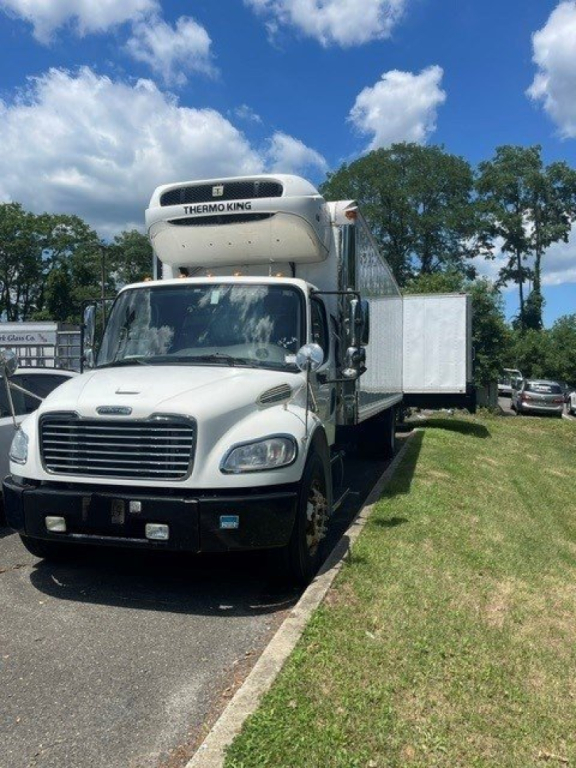
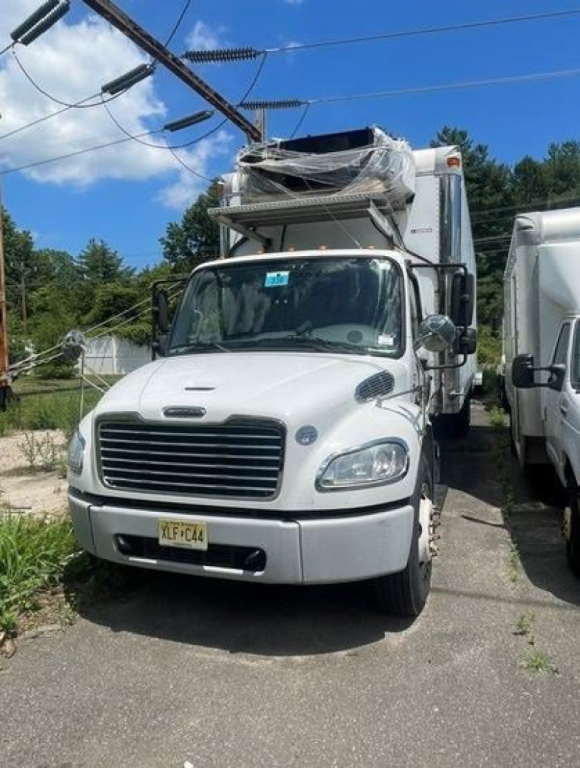

Have freightliner cab and chassis truck to sell? List it here to reach thousands of buyers.
Freightliner Cab and Chassis Trucks in New Jersey
A Freightliner cab and chassis is often chosen because it gives more flexibility than buying a completed box truck or stake truck. Body installation depends on frame height, frame rail dimensions, exhaust routing, fuel tank placement, and power take-off compatibility if hydraulic equipment is part of the build. Common engine and drivetrain combinations in this class include diesel power paired with automatic transmissions, making them practical for urban delivery, municipal work, and contractor fleets with multiple drivers. If the truck will operate in dense North Jersey streets, loading docks, or mixed suburban routes, turning radius, cab-to-axle measurement, and overall wheelbase matter as much as horsepower.
Freightliner chassis are also well regarded for serviceability and parts access, which matters when uptime drives profitability. Buyers should compare GVWR ranges, front and rear suspension specs, brake type, and tire size against the actual payload and body requirements, not just the planned use on paper. A reefer body, liftgate, or crane installation can change axle loading quickly, and it is easy to under-spec a chassis if you only look at cargo weight. For applications that see frequent stops, idle time, and seasonal operation, it also makes sense to review cooling system condition, PTO provisions, and electrical capacity for added accessories.
The strongest purchase decisions usually come from treating the truck and the upfit as one package. Freightliner cab and chassis trucks can serve as the foundation for refrigerated delivery, local beverage routes, utility work, moving bodies, and many other applications, but the details determine how well the finished truck performs. Check the frame for prior modifications, confirm wheelbase suitability for the body you plan to mount, and verify that the suspension and axle specs align with New Jersey operating conditions, bridge weights, and stop-and-go route demands. A properly matched Freightliner chassis is easier to body, easier to maintain, and more likely to stay productive over the long haul.
Frequently Asked Questions about Freightliner Cab and Chassis Trucks in New Jersey
What is a Freightliner cab and chassis truck?
A Freightliner cab and chassis truck is a truck sold with the cab, frame, engine, drivetrain, axles, and running gear in place, but without a permanent vocational body installed. It is designed to be upfitted with equipment such as a box body, reefer body, flatbed, dump body, utility body, rollback, or landscape body. This format gives the buyer more control over wheelbase, body length, payload setup, and application-specific equipment.
Which Freightliner model is most common in cab and chassis applications?
The Freightliner M2 106 is one of the most common medium-duty cab and chassis platforms because it works across a wide range of GVWR classes and body applications. It is widely used for dry freight, refrigerated delivery, municipal work, towing, and contractor upfits. Its popularity also helps with parts availability, service familiarity, and resale appeal in commercial fleet markets.
What specs matter most when buying a Freightliner cab and chassis?
The most important specs are GVWR, wheelbase, cab-to-axle measurement, rear axle ratio, suspension rating, and available frame space for the body or equipment you plan to install. Buyers should also verify engine horsepower, transmission type, brake configuration, fuel tank placement, and PTO capability if hydraulic accessories are required. These details affect payload capacity, body fitment, maneuverability, and long-term operating cost.
Can a Freightliner cab and chassis be used for refrigerated delivery or liftgate applications?
Yes. Freightliner cab and chassis trucks are commonly used as the base for refrigerated bodies, insulated bodies, and liftgate-equipped delivery trucks. The key is making sure the chassis has the right wheelbase, axle capacity, and electrical support for the reefer unit and gate. Added equipment changes weight distribution, so buyers should confirm that the finished build will stay within axle and gross weight ratings.
What should New Jersey buyers pay attention to on a used Freightliner cab and chassis?
New Jersey buyers should pay close attention to frame condition, corrosion, prior body mounting holes, suspension wear, and signs of heavy stop-and-go route use. It is also important to confirm that the wheelbase and cab-to-axle dimensions match the intended upfit, since correcting those issues later can be expensive. Trucks used on local delivery or municipal routes should be checked carefully for brake wear, cooling system condition, and electrical integrity from accessory use.