
International Trucks For Sale in New Jersey

Have international truck to sell? List it here to reach thousands of buyers.
International Trucks in New Jersey
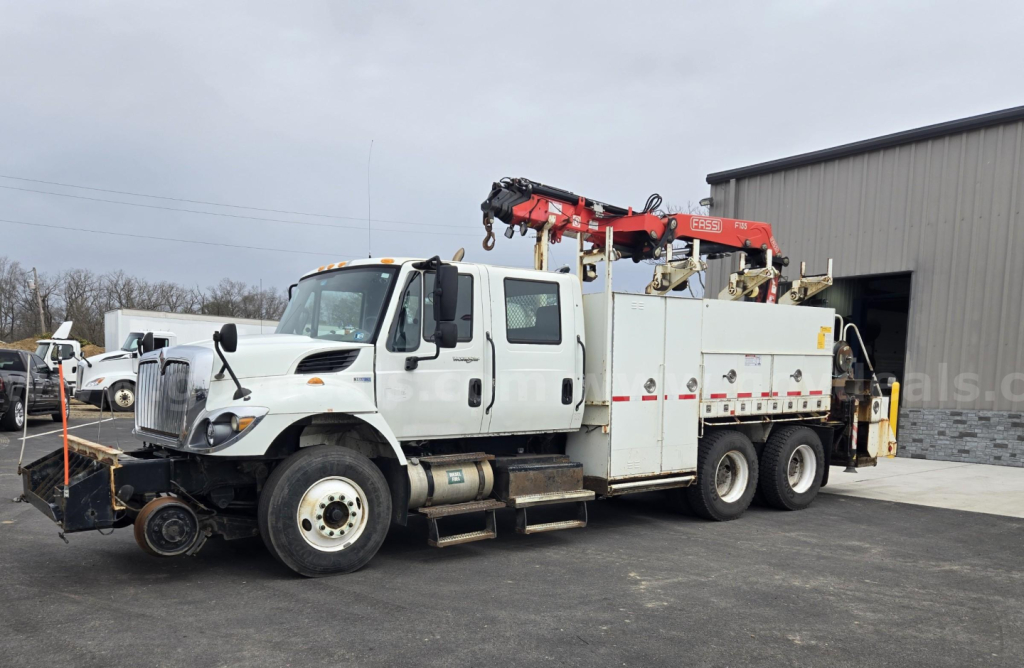
For vocational buyers, body compatibility is the real decision point. An International set up as a wrecker, vacuum truck, service truck, or attenuator unit needs the right suspension, PTO provisions, and rear axle capacity for the equipment already mounted or planned for installation. On tow and recovery trucks, look closely at boom rating, underlift capacity, frame reinforcement, and whether the chassis was factory-prepped for the body. On vacuum and municipal units, pay attention to GVWR, pump hours, tank configuration, and corrosion exposure. In the Northeast, rust at cab mounts, crossmembers, spring hangers, hydraulic mounts, and electrical connections can affect long-term operating cost more than the odometer alone.
Powertrain options vary by model year, but International trucks commonly appear with MaxxForce diesels, Cummins power, and Allison automatic or Fuller manual transmissions depending on the application. Medium-duty units are often favored for tight urban routes, shorter wheelbases, and easier service access. Heavier tow and specialty trucks may carry larger displacement engines, higher horsepower ratings, double-frame sections, and deeper rear ratios to support recovery work or heavy auxiliary loads. Buyers comparing used units should verify emissions system history, PTO operation, idle hours, and maintenance records, especially on trucks that spent their life in municipal or stop-and-go service.
Cab style, brake type, and axle layout should match the job, not just the price. A regular cab may be right for municipal fleet work, while extended or crew cab setups can make sense for utility and field service crews. Air brakes, air ride, locking differentials, and higher-capacity front ends are often worth prioritizing on specialized International trucks. If the truck is already bodied, confirm the body maker, installation quality, and remaining payload after the upfit. A well-matched International chassis can be a durable vocational platform, but the best value usually comes from finding the right combination of wheelbase, engine, transmission, PTO setup, and body rating for the work it will actually do.
Frequently Asked Questions about International Trucks in New Jersey
What are the most common International truck models buyers look for in this category?
International buyers often focus on the 4300, DuraStar, and MV series for medium-duty work, with heavier configurations used for wreckers, utility bodies, and other specialty applications. The right model depends less on the badge alone and more on GVWR, axle ratings, frame spec, and whether the chassis is set up for the body equipment required. A 4300 may fit delivery, municipal, or light vocational work, while heavier recovery or specialty builds need a more robust chassis and suspension package.
Are International trucks a good choice for vocational upfits like tow, vacuum, or traffic control bodies?
Yes, International trucks are widely used for vocational upfits because the chassis lineup covers a broad range of wheelbases, frame options, and PTO-compatible driveline configurations. They are common in municipal fleets, contractor service, towing, and utility work. The key is confirming that the truck's frame, rear axle rating, suspension, and transmission are properly matched to the installed body or planned upfit, since body performance and legal payload depend on the full chassis specification.
What should I check first on a used International vocational truck in New Jersey?
Start with rust, body mounting quality, and maintenance history. In New Jersey and the broader Northeast, corrosion around frame rails, crossmembers, cab mounts, brake and fuel lines, and electrical connectors can become a bigger issue than miles. After that, verify engine and emissions service history, PTO function, hydraulic performance, axle ratings, and whether the current body installation appears professionally engineered. On specialized trucks, poor upfit work can be more expensive to correct than normal drivetrain wear.
Which transmission is better on an International work truck: Allison automatic or manual?
That depends on the application and driver environment. Allison automatics are popular on municipal, utility, vacuum, and stop-and-go service because they reduce driver fatigue and work well with PTO-driven equipment. Manual transmissions can still make sense on certain heavy vocational or towing applications where operators want more direct control and specific gearing. Buyers should match the transmission to route conditions, driver skill level, body equipment needs, and expected gross operating weight.
How important are wheelbase and axle ratings when buying an International truck?
They are critical because they determine body fitment, weight distribution, turning radius, and legal payload. A truck can have the right engine and still be a poor choice if the wheelbase does not suit the body or if the front and rear axle ratings are too light for the intended load. On wreckers, vacuum trucks, and other specialty units, axle capacity and frame strength directly affect stability, lifting ability, and service life. Buyers should always compare the chassis data plate against the actual body and job requirements before making a decision.