
2025 Commercial Trucks For Sale in New Jersey
Browse 2025 trucks for sale in New Jersey, including medium-duty and vocational models with current emissions, safety tech, and body-ready chassis.
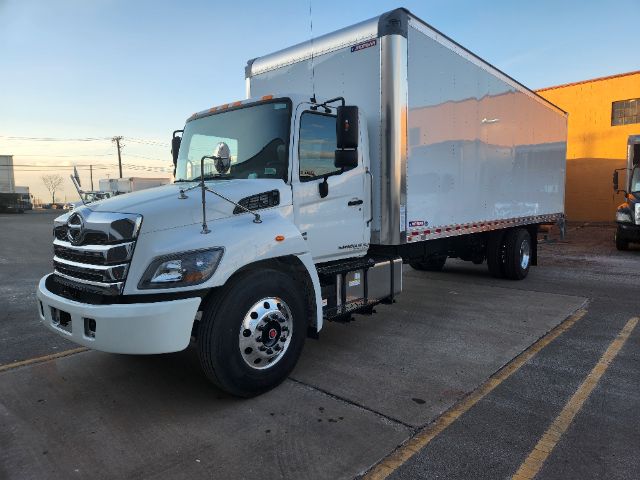
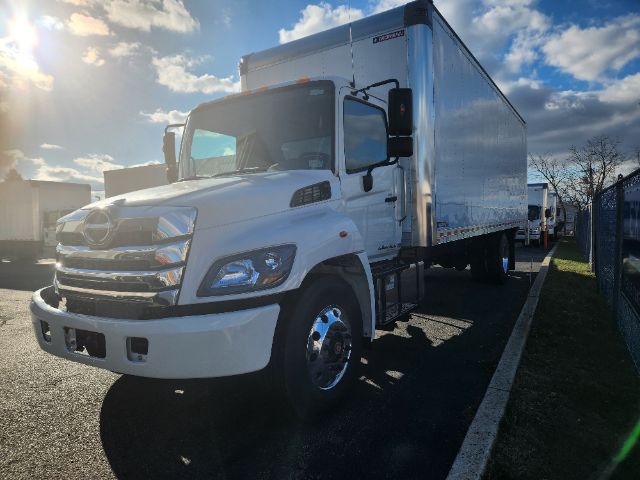
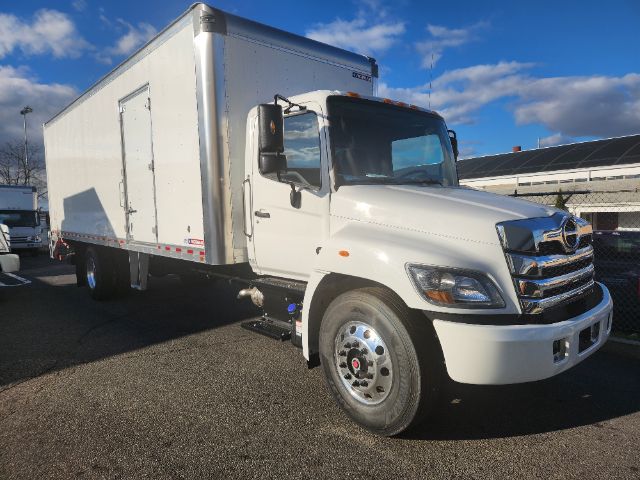
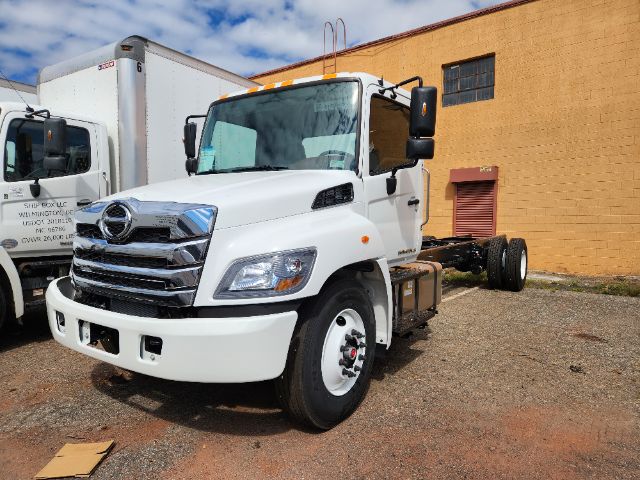
Selling a 2025 commercial truck? List your 2025 commercial truck for sale and reach thousands of commercial buyers.
2025 Commercial Trucks in New Jersey
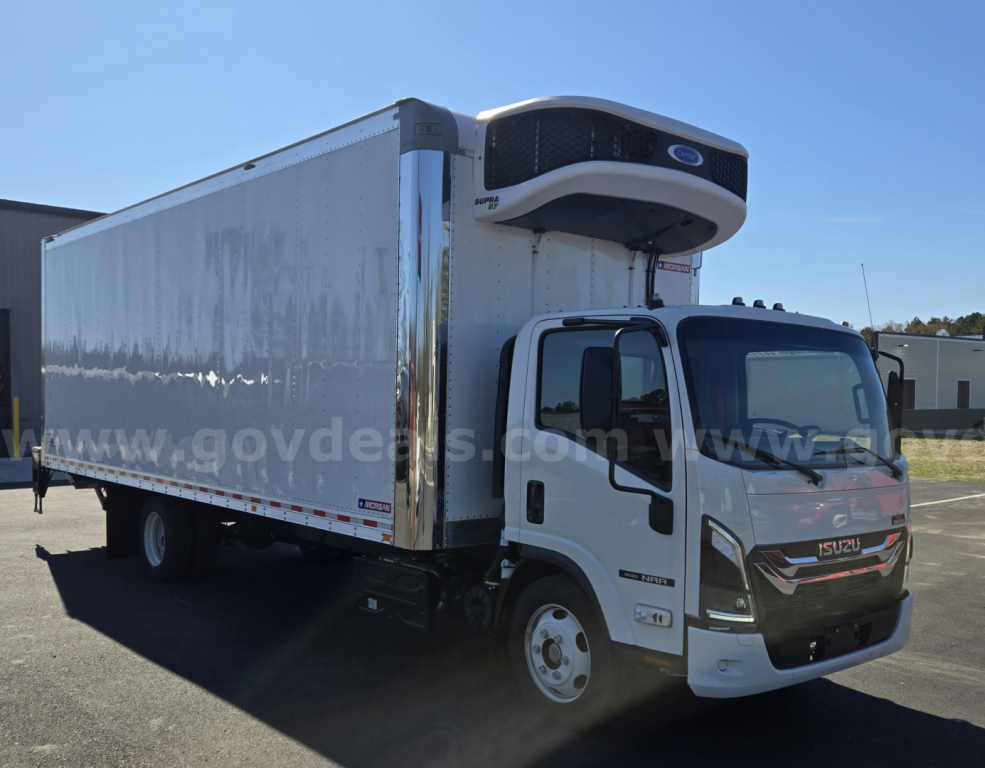
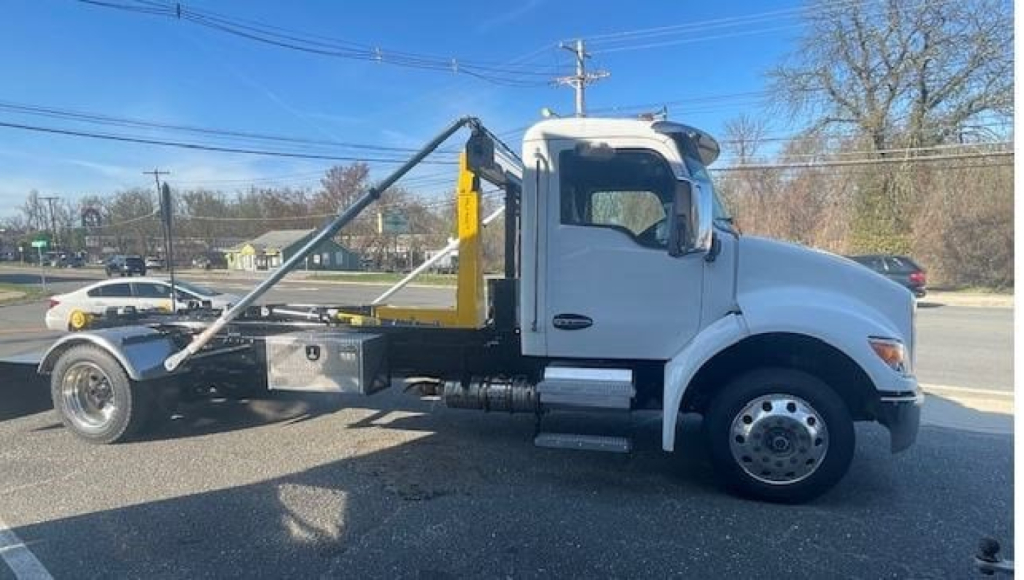
In the medium-duty segment, many 2025 trucks are built around diesel platforms in Class 4 through Class 7, often with automatic transmissions, hydraulic brake or air brake setups, and wheelbase options suited for dry van bodies, landscape bodies, dump bodies, reefer bodies, hooklift systems, and tow equipment. Popular engines in this space typically range from efficient 4-cylinder and 6-cylinder diesels up to higher-output platforms for heavier vocational use. Buyers comparing body-ready chassis should pay close attention to CA dimension, frame strength, front axle capacity, and PTO provisions. Those details affect how easily the truck can accept a rollback bed, van body, liftgate, or other upfit and how well it will perform once fully loaded.
For local and regional operation in New Jersey, turning radius, cab visibility, and bridge-law friendly dimensions can matter as much as horsepower. Urban delivery and service fleets often prioritize low cab entry, tight wheel cuts, automatic transmissions, and a GVWR that stays at or below 26,000 pounds when non-CDL operation is important. Tow, construction, and municipal applications may need more frame reinforcement, higher rear axle ratios, engine-driven PTO capability, and suspension choices that handle concentrated body weight. On sleeper and highway units, buyers tend to focus more on engine rating, automated manual or full automatic transmission choice, wheelbase, fuel capacity, and driver-assistance features that support longer runs.
A smart comparison between 2025 trucks starts with duty cycle, not paint or trim. Check the truck's intended body length, expected payload, route type, loading dock conditions, and maintenance network before narrowing down make and model. Also review emissions warranty coverage, aftertreatment service intervals, telematics capability, and body-builder support documentation. A well-spec'd 2025 truck should reduce downtime, fit the application cleanly, and hold value better because the chassis, engine, transmission, and upfit provisions were selected around the work it needs to do.
Frequently Asked Questions about 2025 Commercial Trucks in New Jersey
What should I look for first when comparing 2025 trucks for sale in New Jersey?
Start with the truck's job requirement: payload, body type, route length, and whether the operation needs to stay non-CDL. After that, compare GVWR, wheelbase, cab-to-axle measurement, axle ratings, engine output, and transmission type. In New Jersey, maneuverability, visibility, and overall length can be especially important for urban delivery, service, towing, and municipal work.
Are 2025 medium-duty trucks commonly available as cab and chassis units?
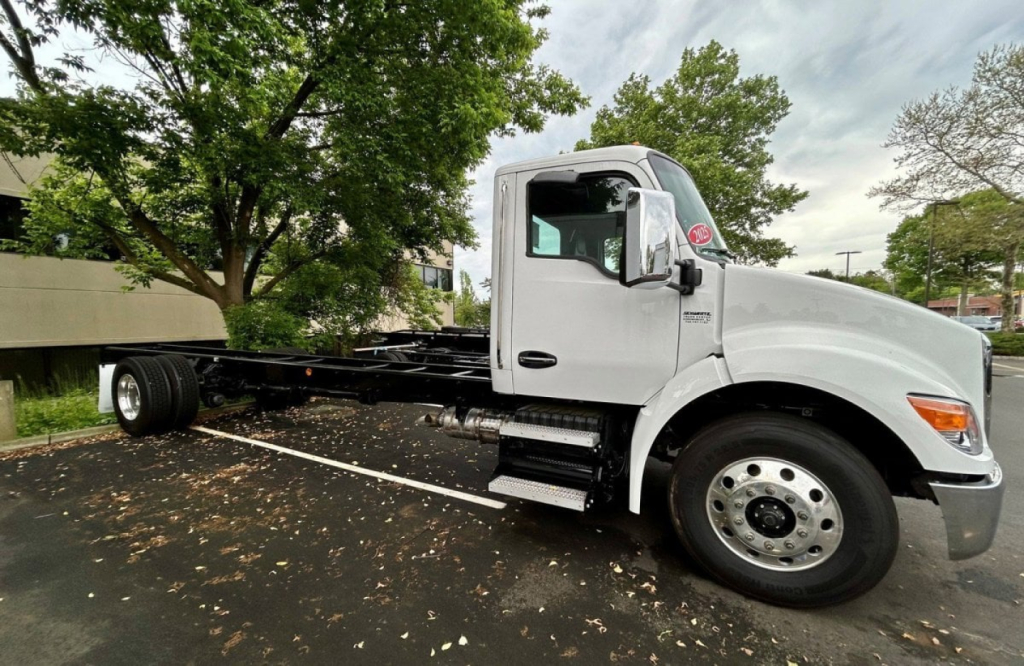
Yes. Many 2025 medium-duty trucks are ordered as cab and chassis platforms so they can be upfitted for box bodies, dumps, reefers, rollback carriers, hooklifts, utility bodies, and landscape bodies. Buyers should confirm the frame length, CA dimension, PTO compatibility, and suspension capacity before selecting a body because those specs determine what the chassis can legally and practically carry.
Why does GVWR matter so much on a 2025 truck?
GVWR affects payload, licensing, brake system configuration, registration, and the range of applications the truck can handle. A truck rated at 26,000 pounds GVWR may be attractive for non-CDL use in many operations, but that does not automatically make it the right choice if the body and cargo will consume too much of the available weight. The correct rating depends on the complete truck after the body, equipment, fuel, driver, and cargo are added.
What engine and transmission setups are common on 2025 trucks?
Common 2025 truck configurations include 4-cylinder and 6-cylinder diesel engines in the medium-duty classes, paired with automatic or automated transmissions for easier operation and better fleet consistency. Heavier vocational and highway applications may use larger-displacement engines with higher horsepower and torque ratings. The right setup depends on start-stop city work, towing demands, PTO use, terrain, and expected annual miles.
Is a 2025 truck a good choice for body upfitting and long-term fleet use?
A 2025 truck can be a strong fit for long-term fleet planning because it offers current emissions hardware, newer safety technology, and manufacturer body-builder guidance that simplifies upfitting. For buyers planning to add a van body, rollback, dump, or refrigerated body, newer chassis can reduce integration issues and may offer better telematics, warranty coverage, and parts support. The best results come from choosing a chassis spec that matches the final upfit instead of trying to force a body onto an unsuitable frame.