
2020 Commercial Trucks For Sale in New Jersey
Browse 2020 trucks for sale in New Jersey, including light, medium, and heavy-duty models for delivery, dump, vocational, and fleet use.
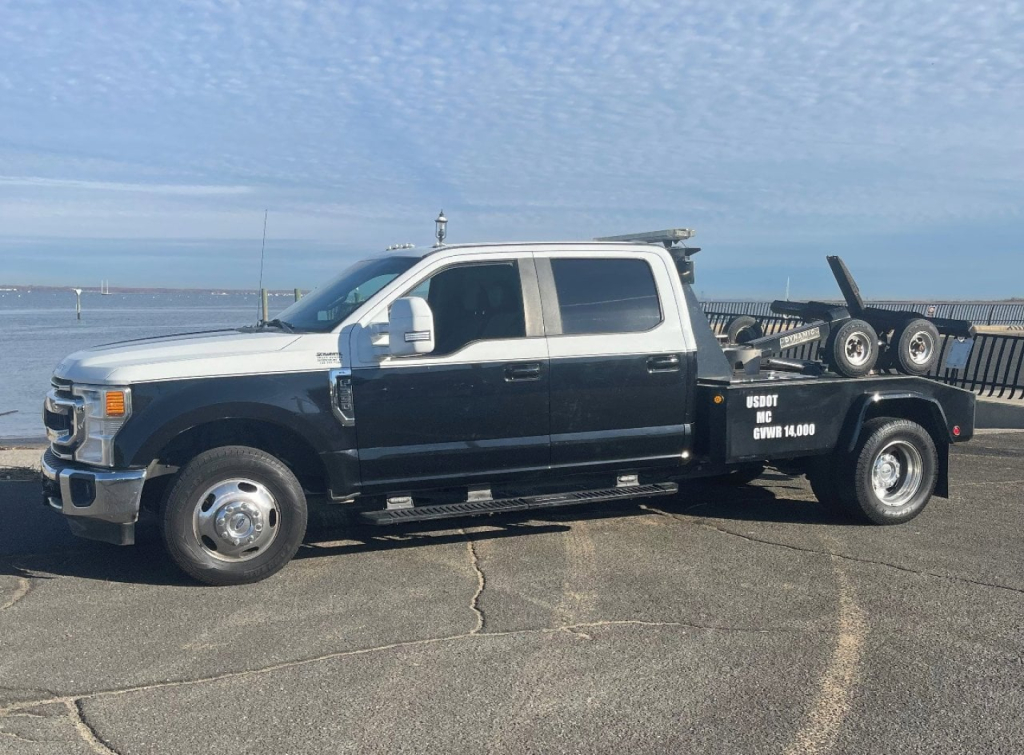

Selling a 2020 commercial truck? List your 2020 commercial truck for sale and reach thousands of commercial buyers.
2020 Commercial Trucks in New Jersey
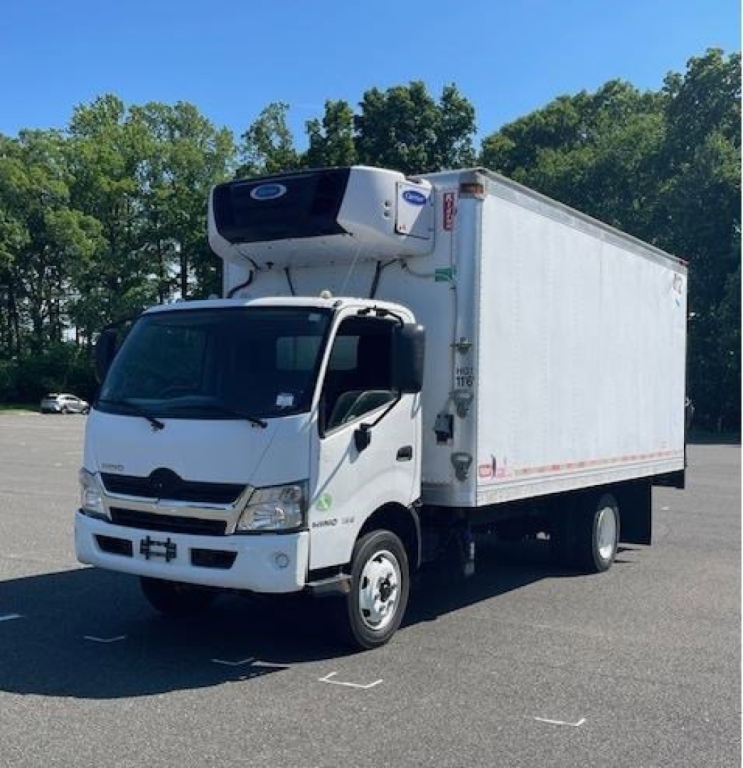
For local delivery and service applications, many 2020 trucks in the market fall into medium-duty configurations with automatic transmissions, diesel power, and 4x2 axle layouts. Common specs include GVWRs from roughly 14,500 to 26,000 pounds, spring suspension, hydraulic brakes on lighter units, and wheelbases selected around body length and turning radius. Box trucks from this era often carry 16-foot to 26-foot van bodies with roll-up rear doors, liftgates, E-track, plywood liners, and backup cameras. If the truck will spend most of its life in dense New Jersey traffic, buyers usually prioritize cab visibility, door opening angle, mirror package, and low step-in height along with payload.
For heavier work, a 2020 truck may also refer to a Class 7 or Class 8 platform used as a day cab tractor, dump truck, or cab and chassis for upfit. On these units, engine make, transmission type, PTO readiness, front axle capacity, and suspension spec matter more than cosmetic features. A dump or vocational buyer should pay close attention to frame condition, crossmember integrity, corrosion exposure, and whether the truck has the correct gearing for stop-and-go operation or heavier startability demands. In coastal and winter-service regions like New Jersey, rust, plow use, salt exposure, and body-mount condition deserve extra scrutiny, especially on municipal, contractor, and landscape trucks.
A smart 2020 truck purchase comes down to usable remaining life and correct specification. Review service records, idle hours if available, brake and tire percentages, emissions system history, and title status. Confirm body manufacturer details, liftgate capacity, axle ratings, and any upfit-specific items such as wetline kits, trailer connections, or hitching equipment. Many 2020 trucks still fit well into private fleets because they offer a modern operating environment, broad parts support, and applications ranging from final-mile delivery to construction and regional vocational service.
Frequently Asked Questions about 2020 Commercial Trucks in New Jersey
What should I look for first when buying a 2020 truck in New Jersey?
Start with the job requirement, not the badge on the hood. Buyers should confirm the truck’s GVWR, wheelbase, axle ratings, body or trailer compatibility, and transmission setup before comparing cosmetic condition. In New Jersey, corrosion exposure is a major factor, so frame rails, suspension mounts, brake lines, body supports, and cab corners deserve close inspection. Service history, title status, and emissions system repair records are also important on a 2020 model.
Is a 2020 truck old enough to be a value buy but new enough for fleet use?
Yes. A 2020 truck often sits in a practical middle ground for commercial buyers. It is typically modern enough to offer current cab layouts, automatic transmission availability, backup camera integration on many body types, and better driver comfort than older fleet trucks. At the same time, it is old enough to avoid the highest acquisition cost associated with new equipment. The real value depends on maintenance history, engine hours, mileage, and how well the truck was spec'd for its original duty cycle.
Are 2020 box trucks a good fit for delivery work in urban areas?
In many cases, yes. A 2020 box truck is commonly equipped for urban and regional delivery with features such as automatic transmission, liftgate, roll-up rear door, and interior cargo securement like E-track. Buyers working in tight streets or loading docks should pay attention to body length, wheelbase, turning radius, mirror visibility, and rear camera function. Payload capacity matters, but maneuverability and dock-friendly body configuration can be just as important in city operation.
What matters most on a 2020 dump truck or vocational truck?
The key factors are frame strength, axle capacity, gearing, PTO or hydraulic setup, and evidence of severe corrosion or overload use. A vocational truck must be matched to the body and the work, so front axle rating, rear suspension, and transmission spec are critical. On dump trucks and plow trucks, inspect hoist operation, body floor condition, hinge points, spreader or plow mounting areas, and signs of salt exposure. A clean-looking truck can still be a poor fit if the chassis specification is too light for the intended job.
Do 2020 trucks still have strong parts and service support?
Generally, yes. Most 2020 trucks from major commercial brands still benefit from broad dealer networks, aftermarket parts availability, and familiar service procedures for independent shops and fleets. That makes them appealing for operators who want late-model equipment without stepping into a brand-new purchase. Buyers should still verify engine, transmission, and emissions component support for the exact make and model, especially if the truck has a specialized body or vocational upfit.