
2027 Commercial Trucks For Sale in New Jersey
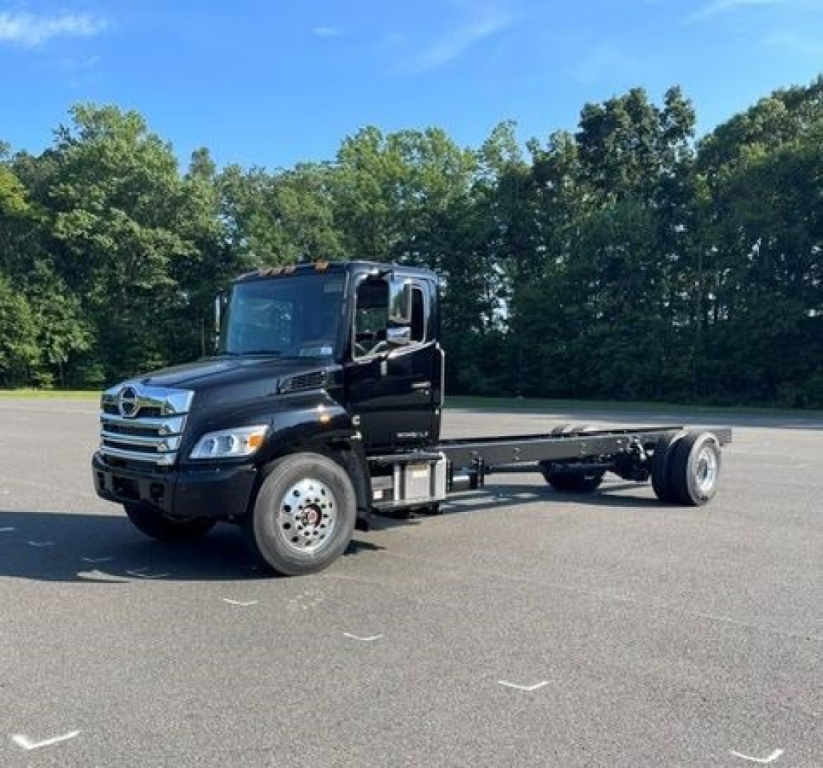
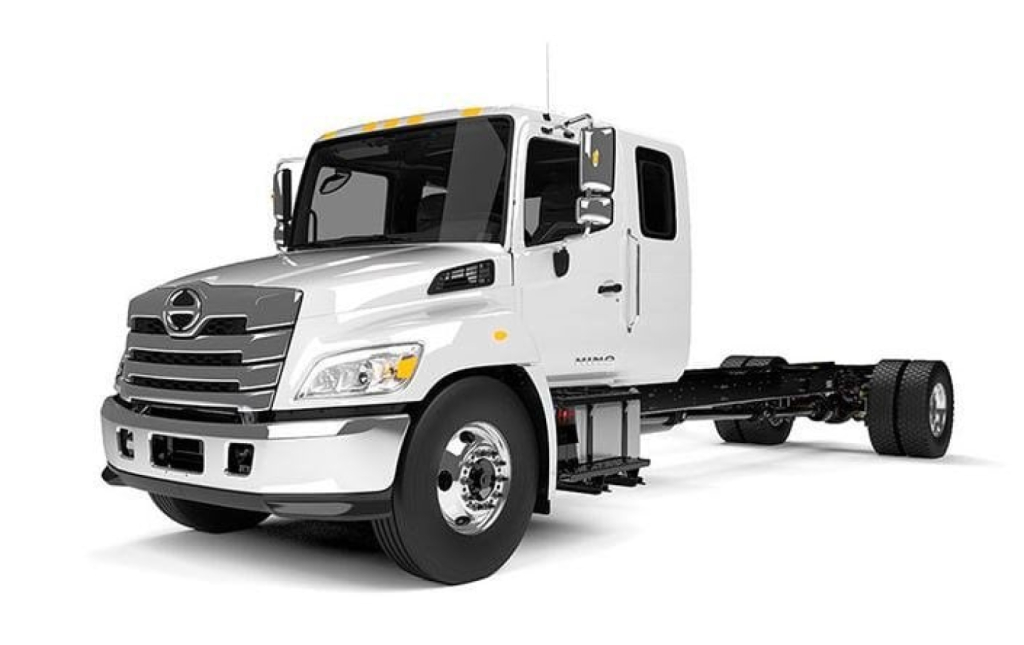
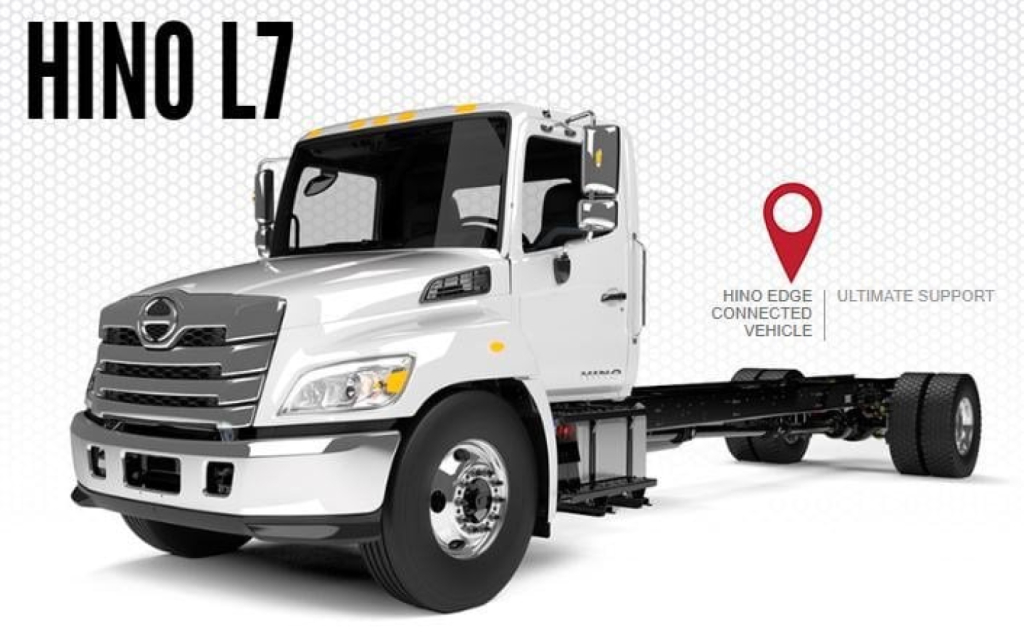
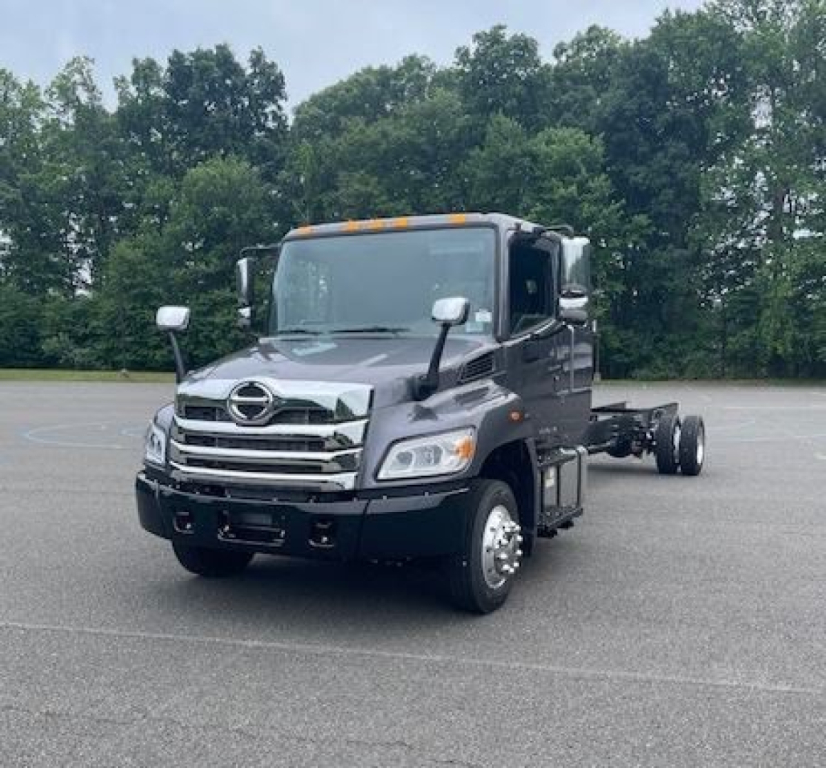
Browse 2027 trucks for sale in New Jersey, including medium-duty and heavy-duty work trucks for delivery, construction, municipal, and service use.
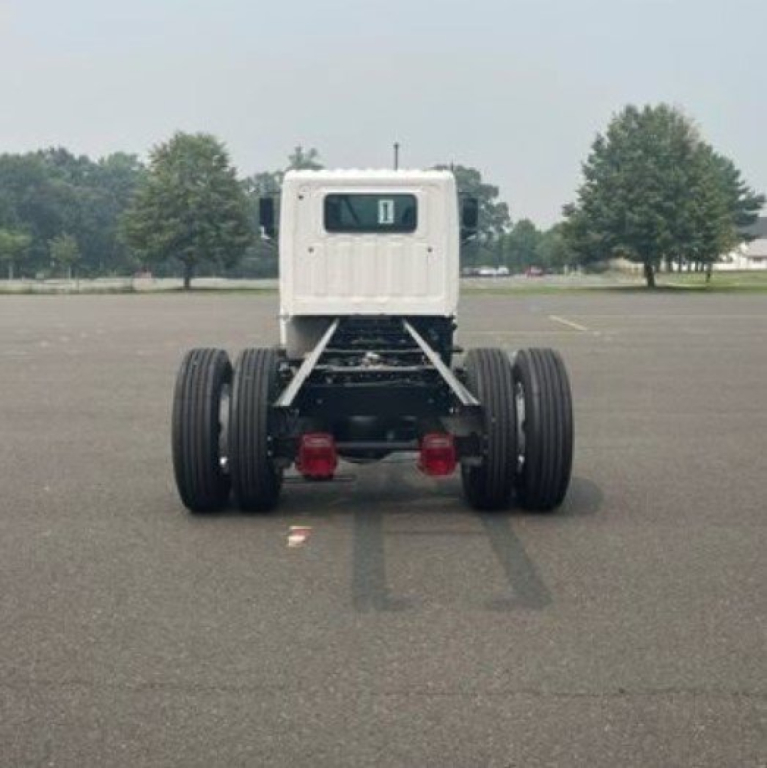
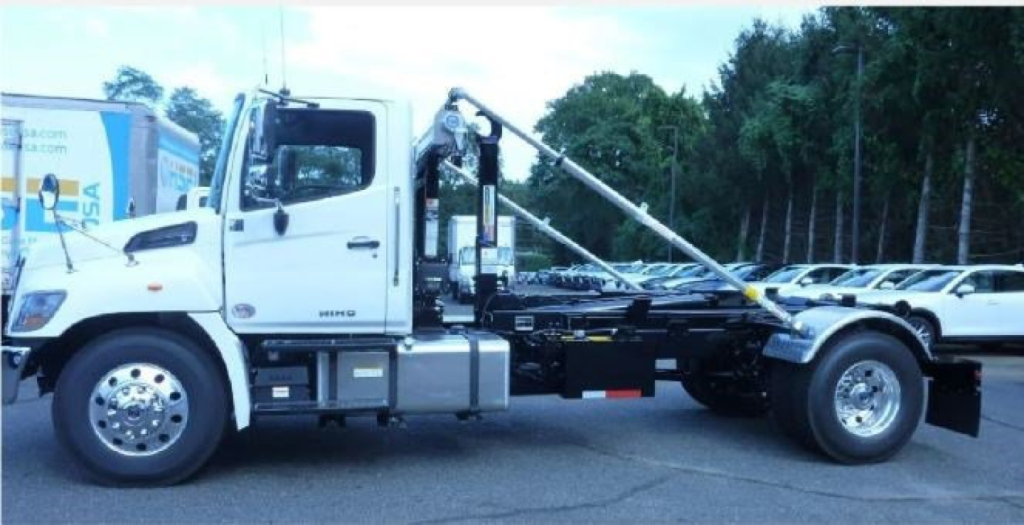
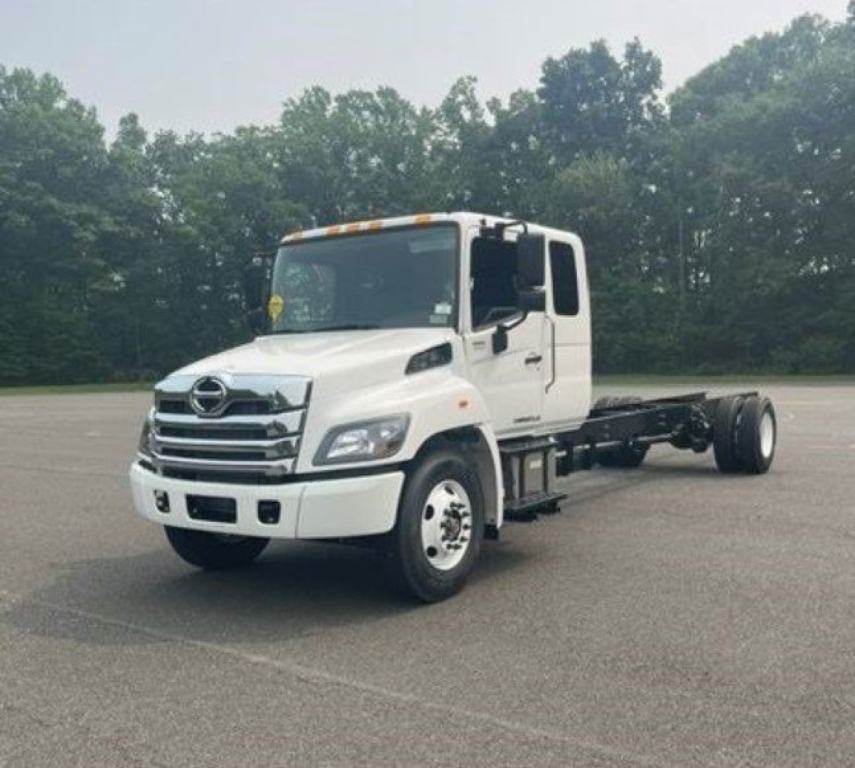
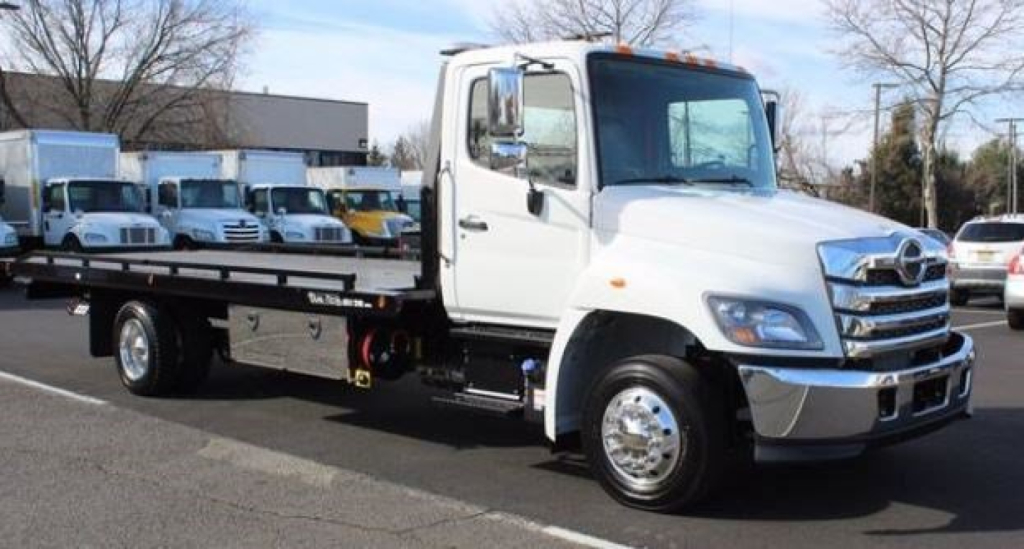
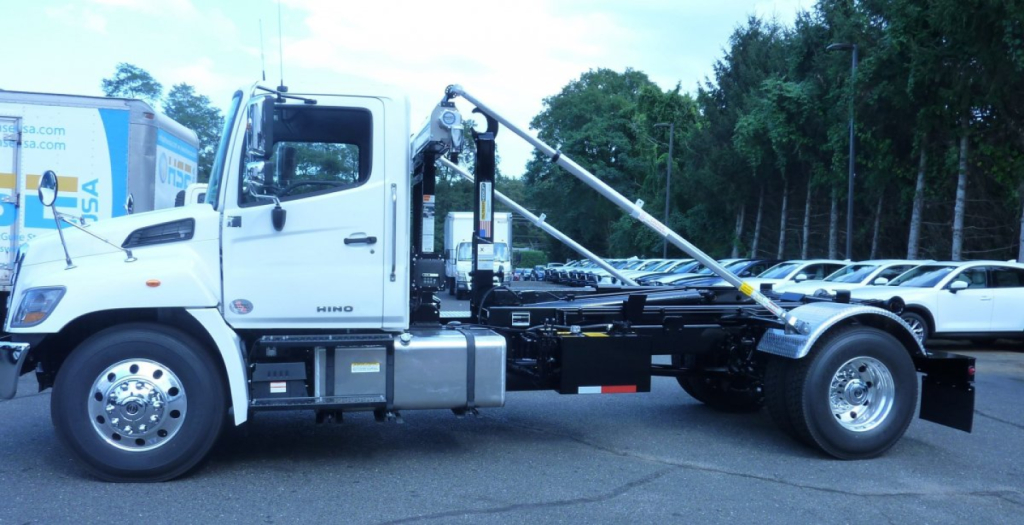
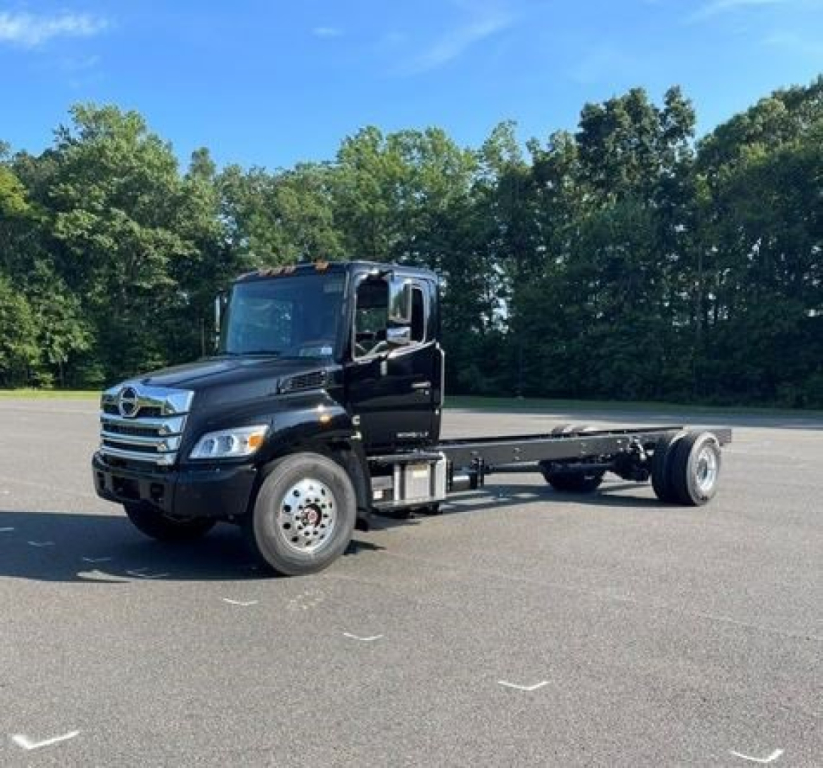
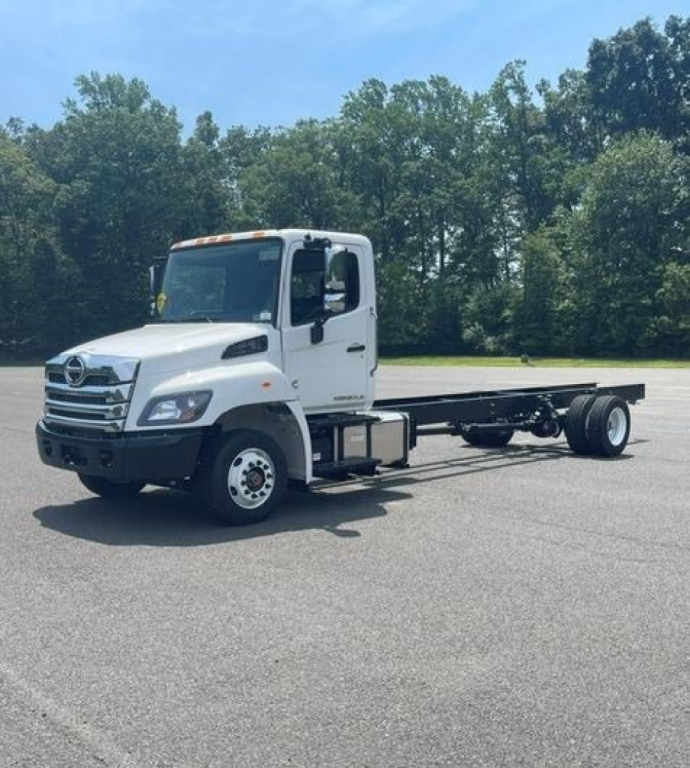
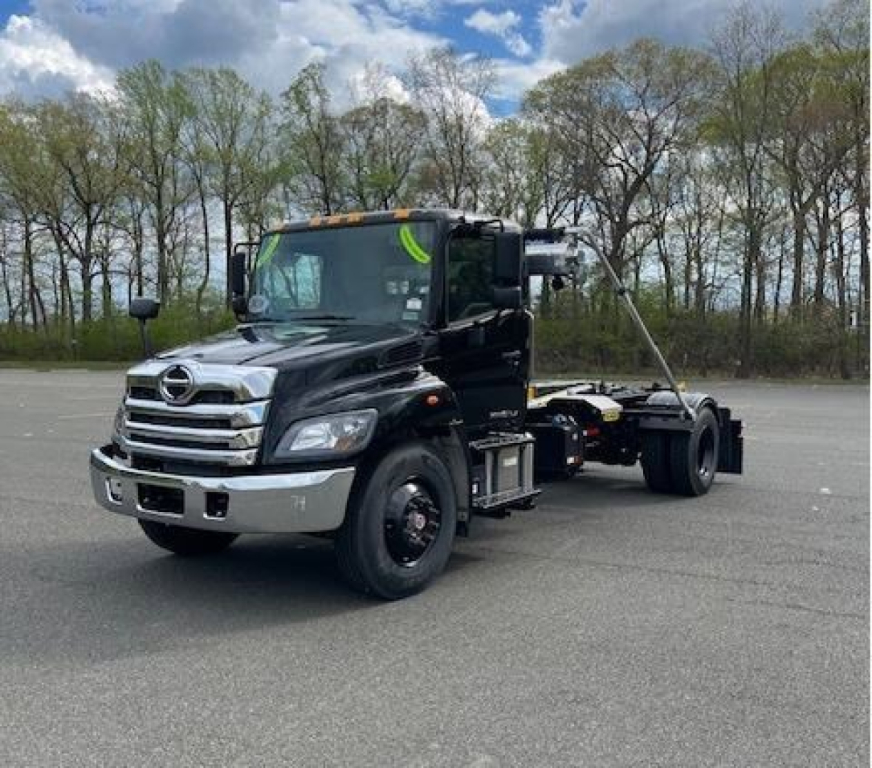
Selling a 2027 commercial truck? List your 2027 commercial truck for sale and reach thousands of commercial buyers.
2027 Commercial Trucks in New Jersey
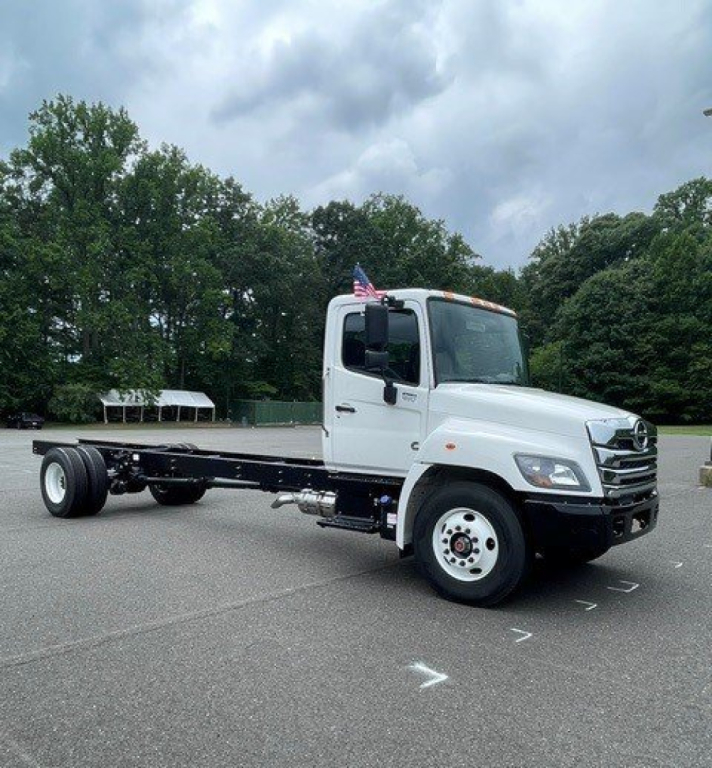
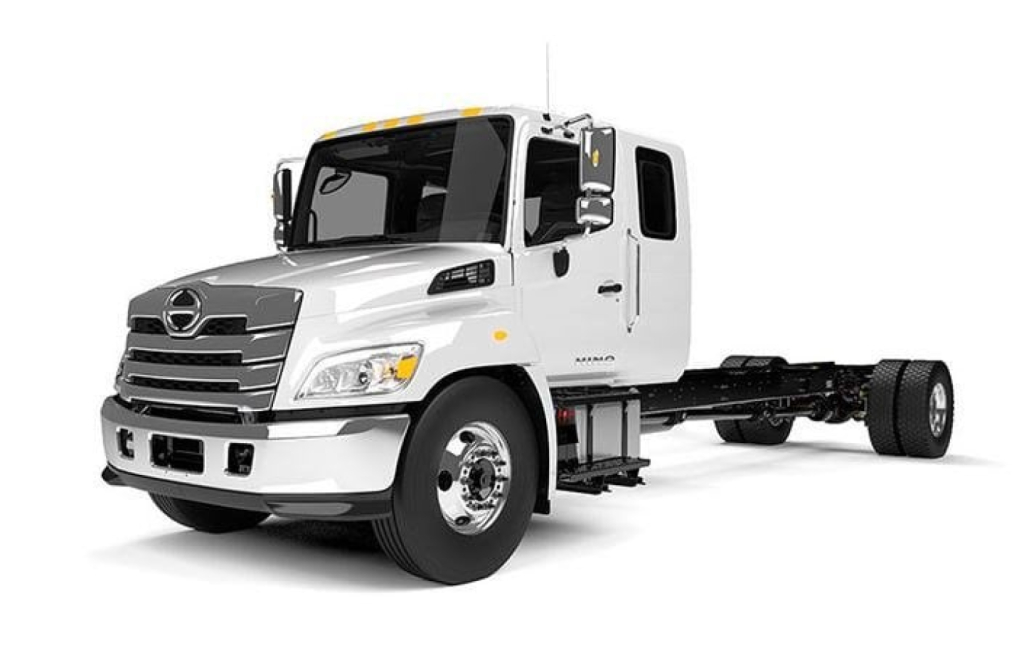
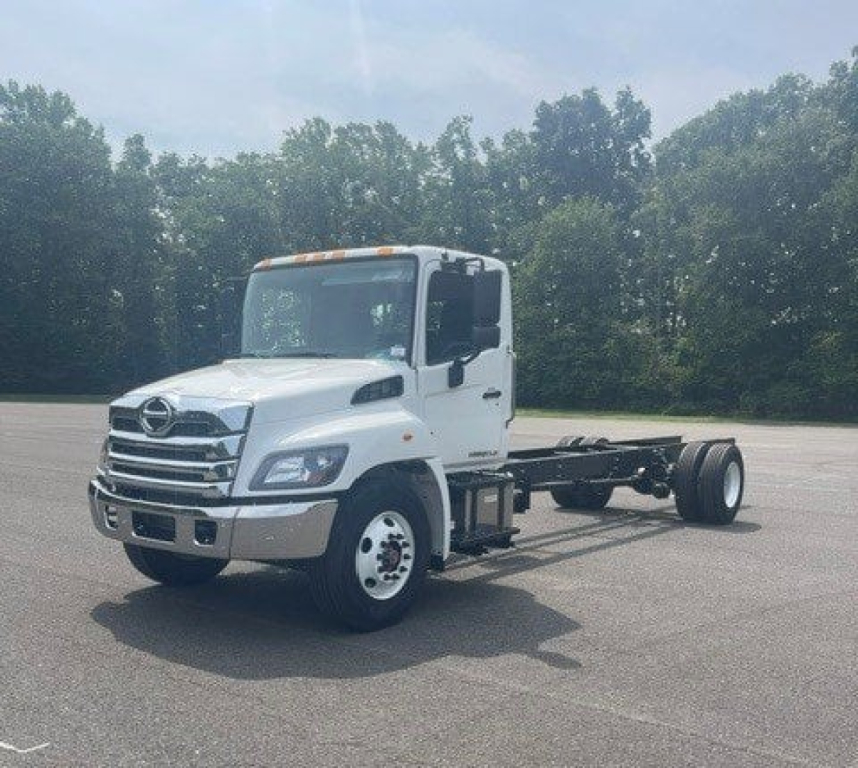
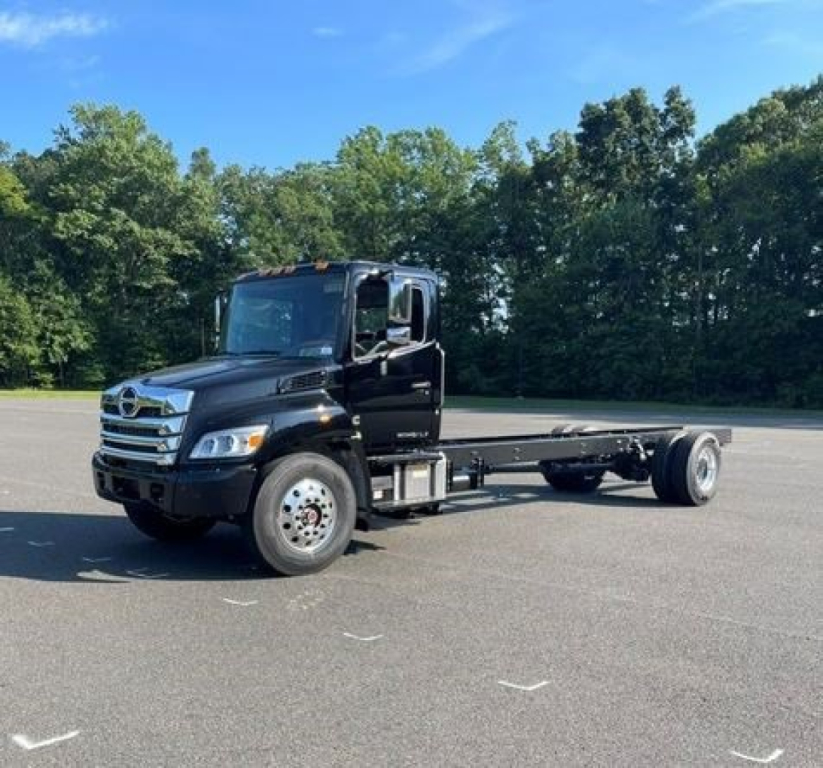
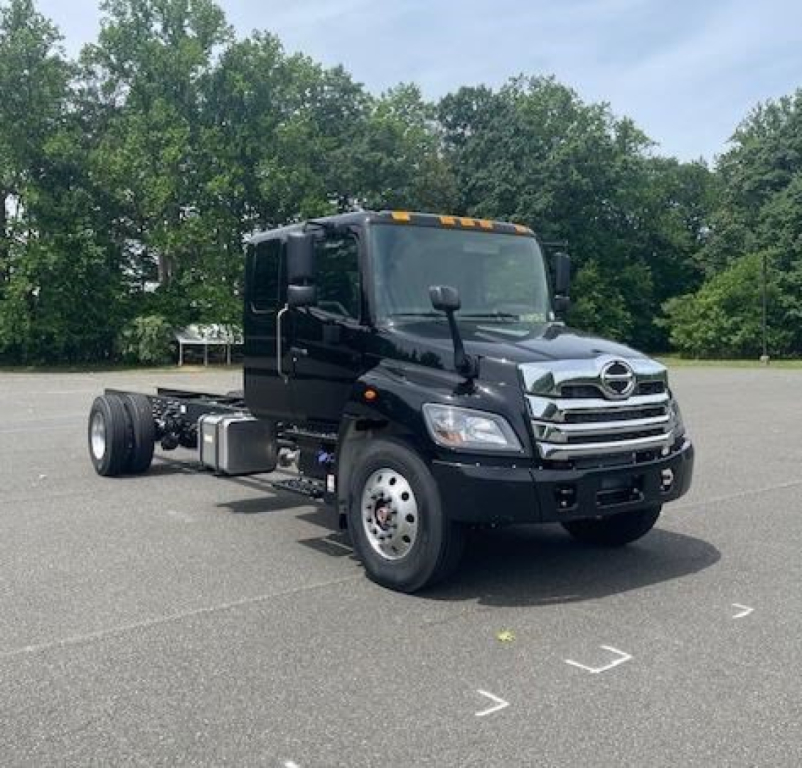
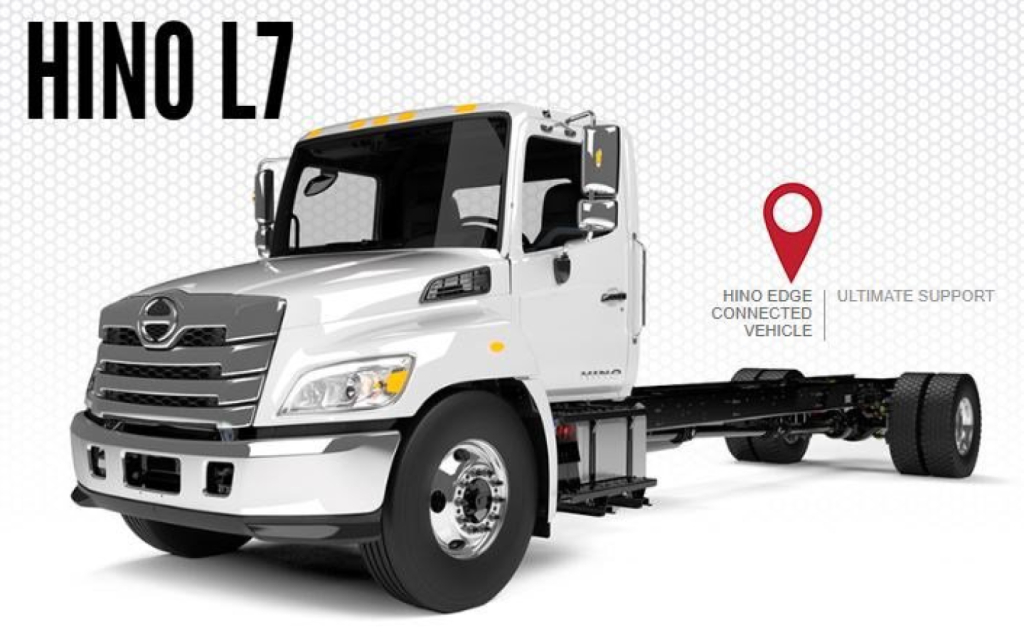
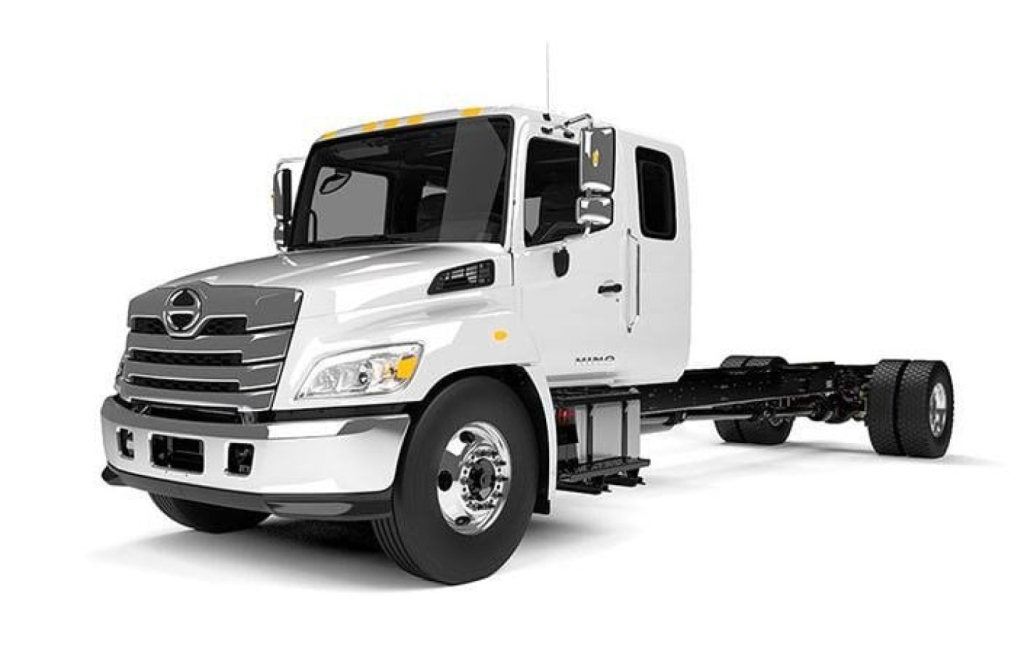
For medium-duty 2027 trucks, common configurations include Class 4 through Class 7 chassis for box trucks, reefer bodies, stake bodies, and service trucks. Typical powertrains in this range often center on diesel engines in the 6.7 to 9.0 liter class or gas V8 options depending on intended mileage, payload, and maintenance preference. Buyers should look closely at GVWR ratings such as 19,500, 25,950, 26,000, and 33,000 pounds, especially if CDL thresholds or bridge laws affect the operation. If the truck will run local delivery in North Jersey traffic, transmission calibration, turning radius, cab visibility, and liftgate readiness can matter as much as horsepower. For box and van applications, body length, door opening height, interior cube, and floor construction are just as important as chassis specs.
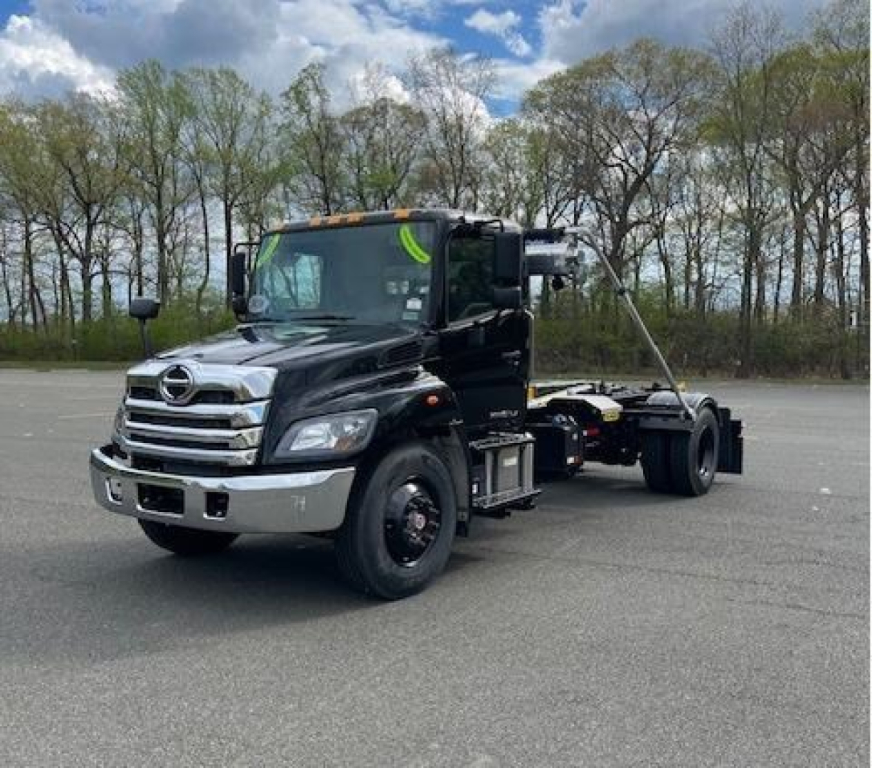
Heavy-duty 2027 trucks in New Jersey often serve dump, refuse, day cab, tractor, and severe-duty applications. In that segment, buyers usually compare engine ratings, rear axle ratios, suspension capacity, frame reinforcement, and front axle set-back or set-forward design. A dump or construction truck benefits from vocational transmissions, heavier front axles, double frame sections, locking differentials, and PTO provisions. A highway-oriented day cab or sleeper puts more emphasis on aerodynamics, fuel economy, wheelbase optimization, and driver comfort. If the truck is headed into refuse, municipal, or stop-and-go service, cooling package capacity, brake life, steering geometry, and cab access are worth close review because those factors affect uptime in demanding urban cycles.
New Jersey buyers also need to think about corrosion exposure, registration class, bridge and toll impacts, and maneuverability in older towns, industrial yards, and congested metro corridors. A newer truck can make compliance planning easier, but the right spec still matters more than the newest badge on the grille. Focus on the truck’s intended route, average payload, annual miles, idle time, and body equipment requirements. A well-matched 2027 truck should fit the job without being over-spec'd or underbuilt, and that balance is what drives operating cost, resale value, and daily productivity.
Frequently Asked Questions about 2027 Commercial Trucks in New Jersey
What should I look for first when buying a 2027 truck in New Jersey?
Start with the job the truck will perform, then match the chassis to that duty cycle. GVWR, axle configuration, wheelbase, cab-to-axle measurement, engine rating, transmission type, and PTO readiness are the core decisions. In New Jersey, buyers should also consider tight-route maneuverability, bridge and toll exposure, urban stop-and-go use, and corrosion resistance for year-round operation.
Are 2027 trucks mainly medium-duty or heavy-duty models?
The 2027 model year can include both medium-duty and heavy-duty trucks. Medium-duty trucks usually cover delivery, box van, reefer, stake, and service body work in Class 3 through Class 7. Heavy-duty trucks are more common in dump, tractor, refuse, municipal, and severe-service applications in Class 8. The better choice depends on payload, body type, terrain, and expected miles rather than model year alone.
What specs matter most on a 2027 box or straight truck?
For a box or straight truck, body length, interior height, door opening, liftgate capacity, GVWR, wheelbase, and payload rating should be reviewed together. Buyers should also confirm engine horsepower and torque, transmission gearing, brake system, fuel type, and whether the chassis is well-matched to local delivery or regional hauling. In dense New Jersey routes, turning radius and visibility are especially important.
Why does wheelbase and cab-to-axle matter on a 2027 truck?
Wheelbase and cab-to-axle dimensions determine whether a truck can accept the body or equipment you need and still carry weight correctly across the axles. These measurements affect body installation, axle loading, turning radius, and ride quality. A truck with the wrong dimensions can limit upfit options or create handling and legal-weight problems, even if the engine and GVWR look right on paper.
Is a newer 2027 truck always the better value?
A 2027 truck can offer advantages in service life, technology, emissions compliance, and driver comfort, but value depends on specification more than age. A newer truck that is poorly matched to the application can cost more to operate than an older truck built for the exact job. Buyers should compare operating requirements, maintenance expectations, body compatibility, warranty considerations, and resale potential before deciding.