
2027 Cab and Chassis Trucks For Sale in New Jersey
Shop 2027 cab and chassis trucks in New Jersey. Compare GVWR, wheelbase, engine, PTO, and upfit-ready specs for vocational fleet use.
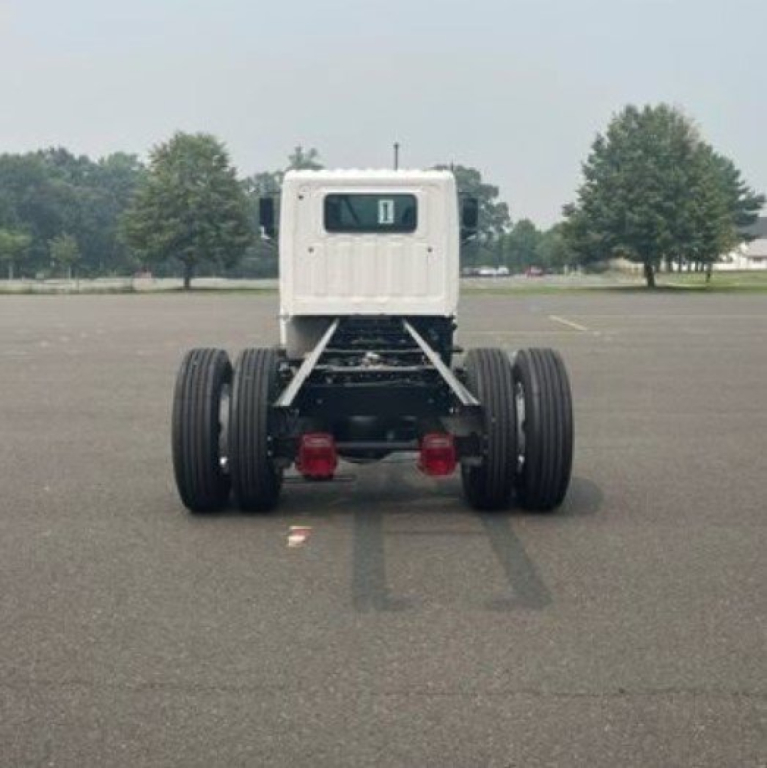
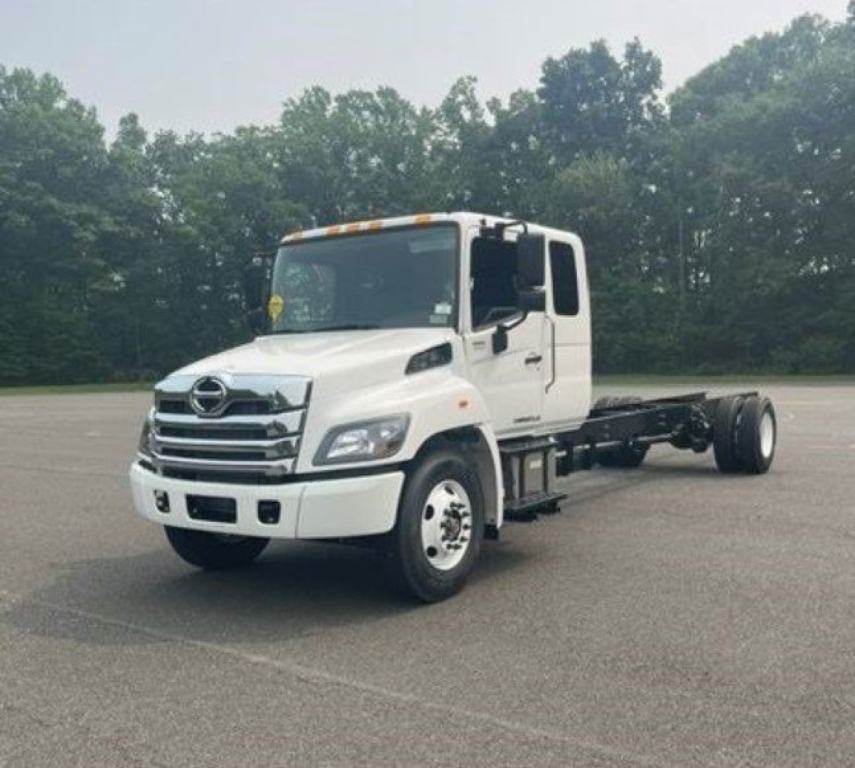
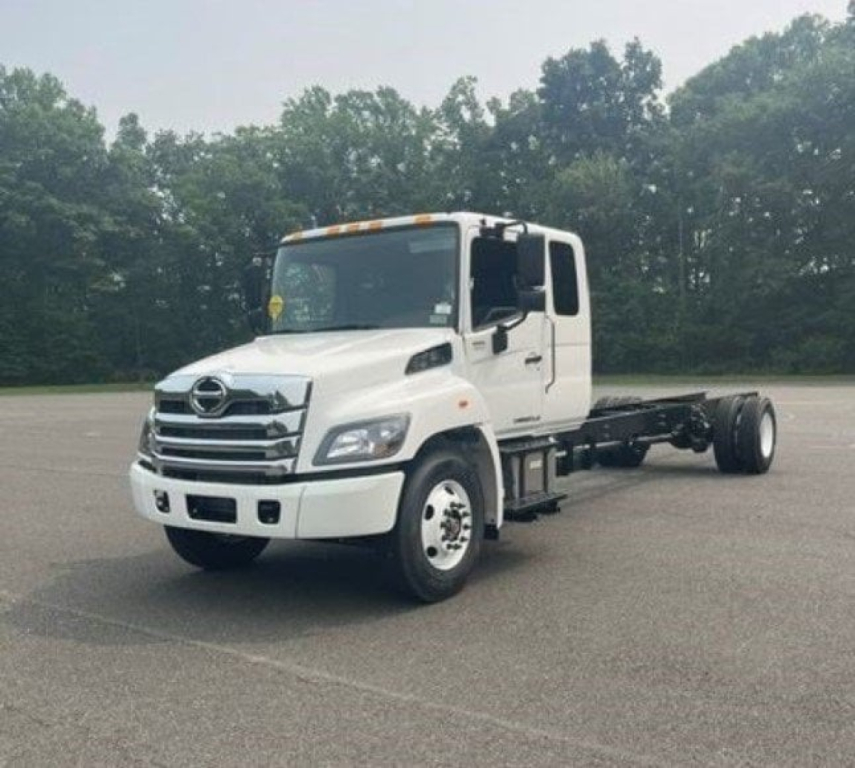
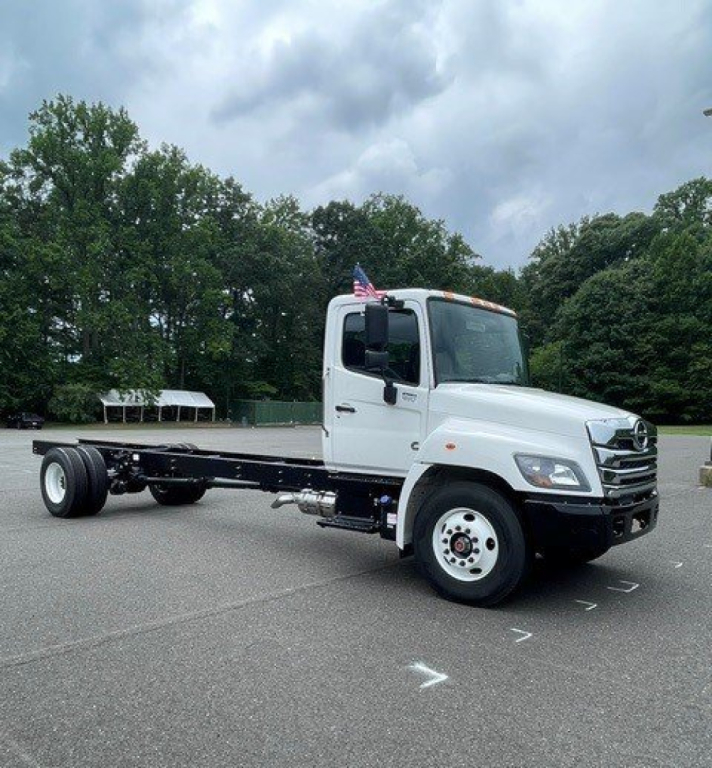
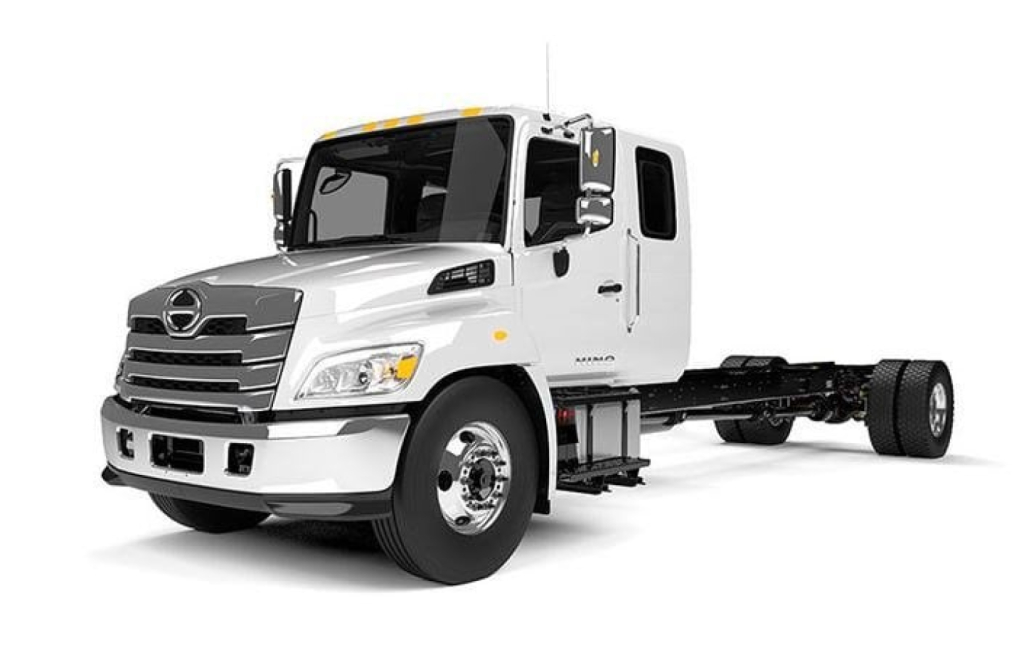
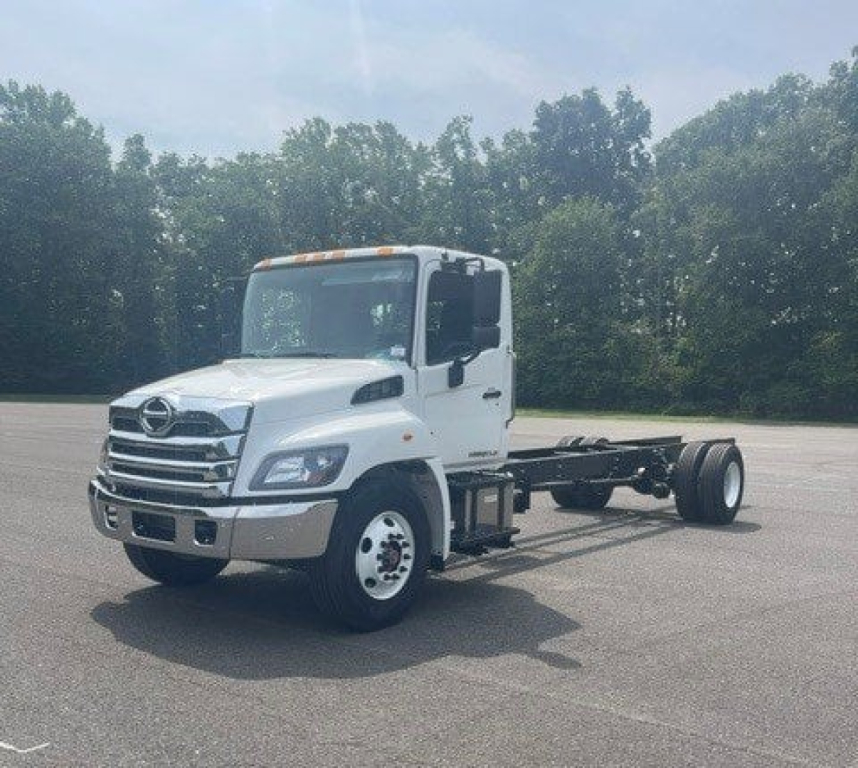
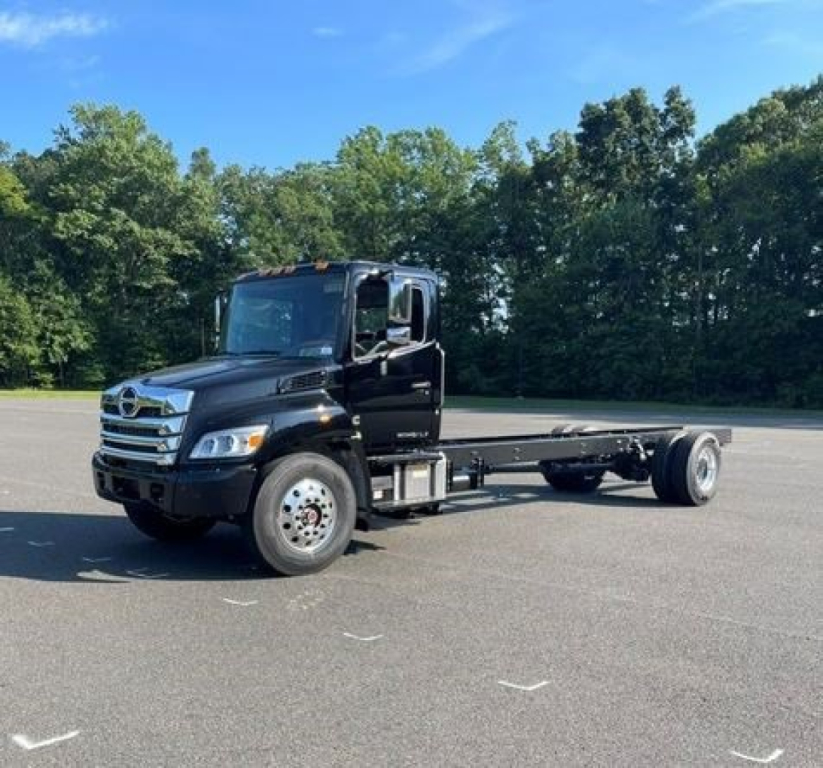
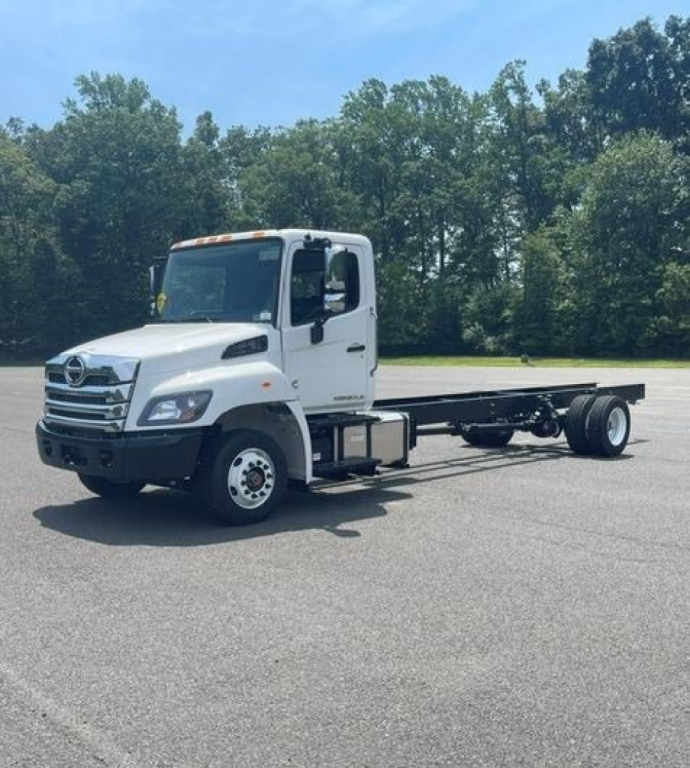
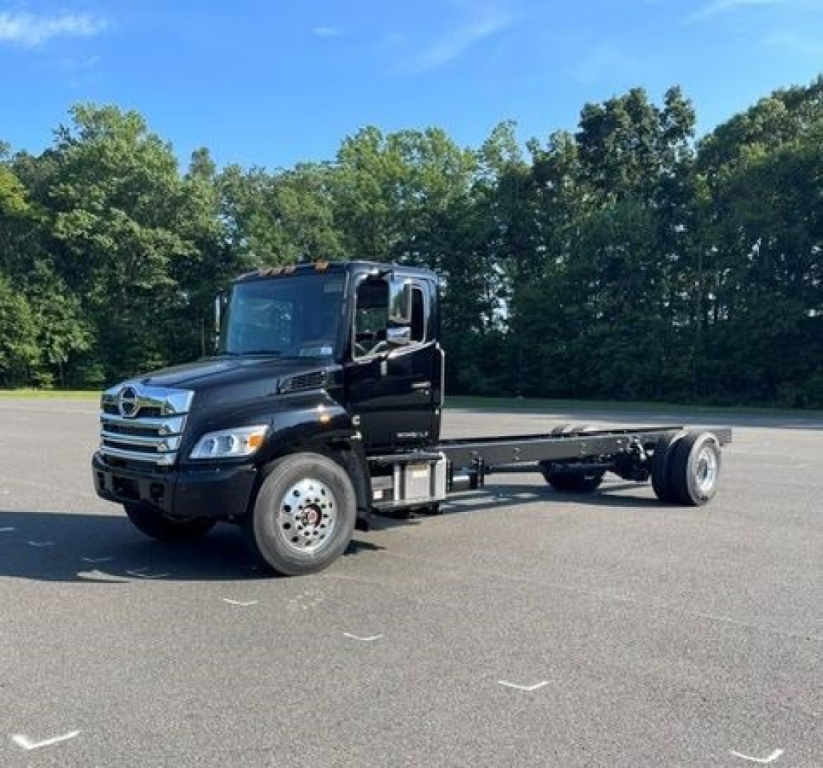
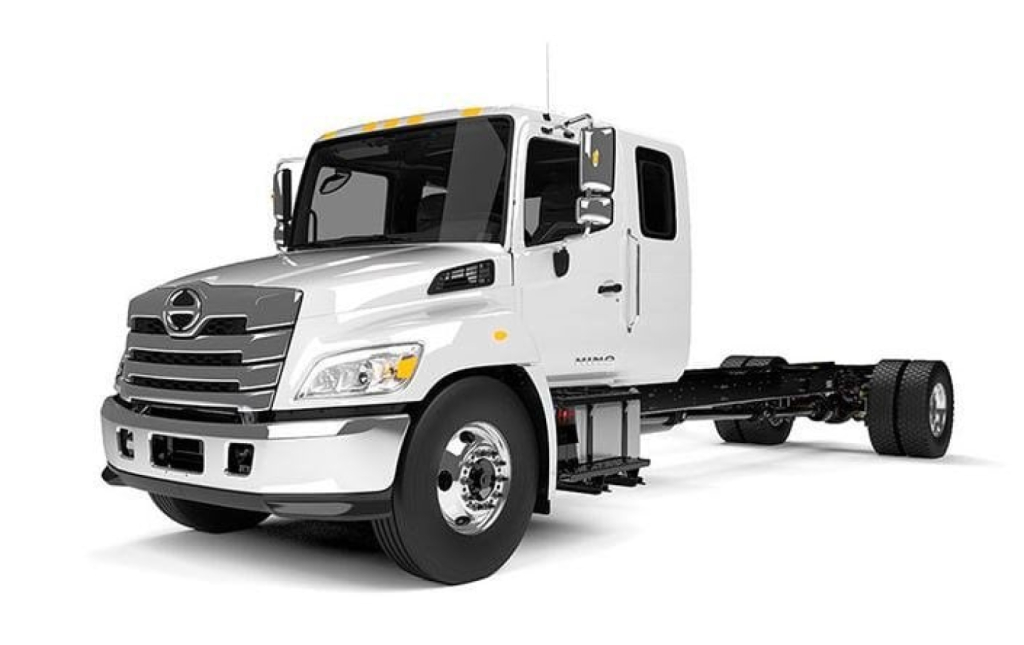
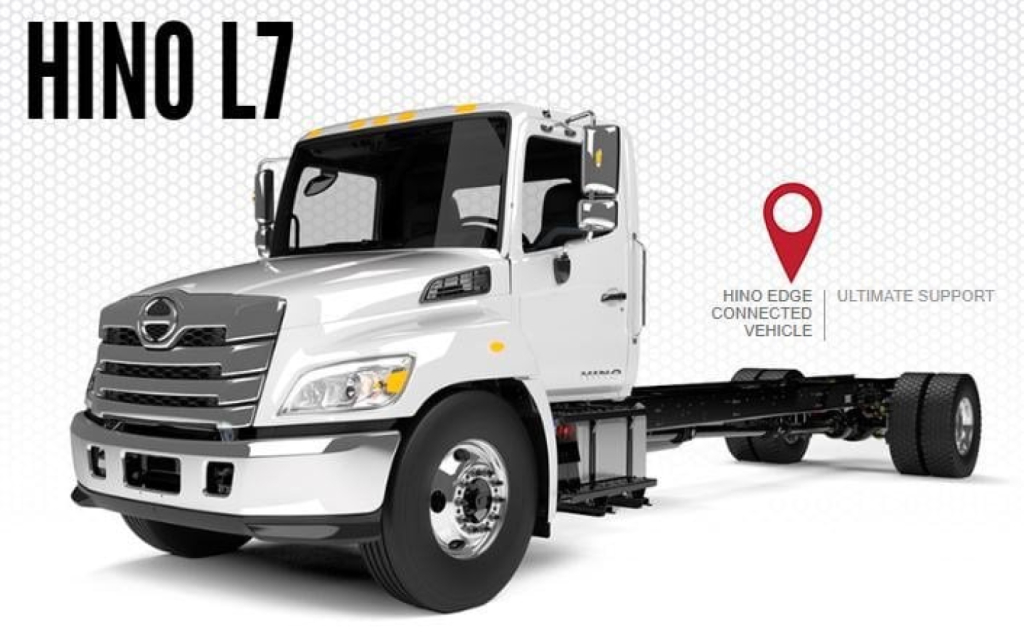
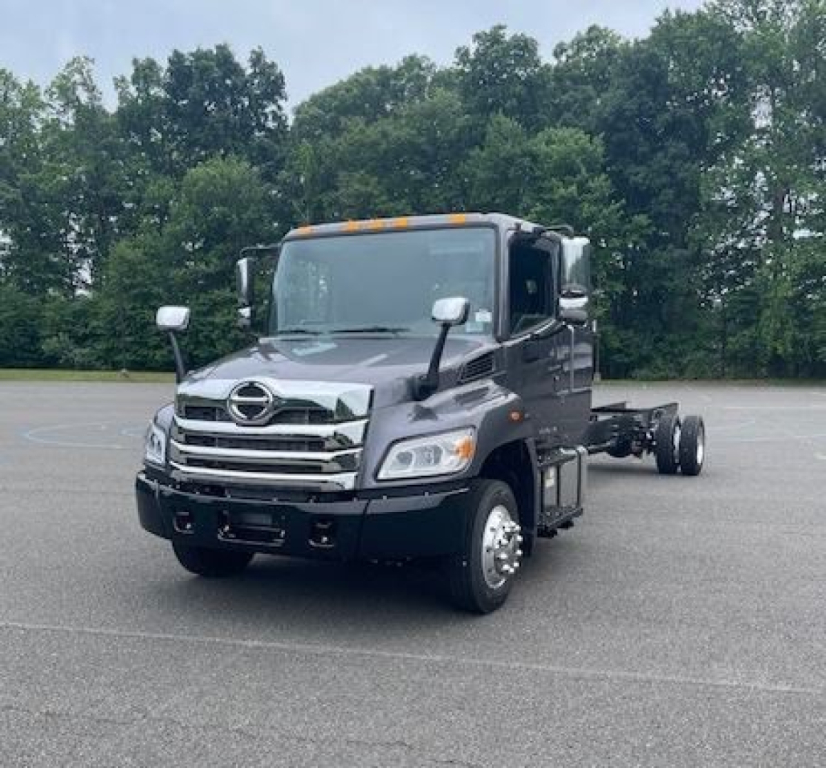
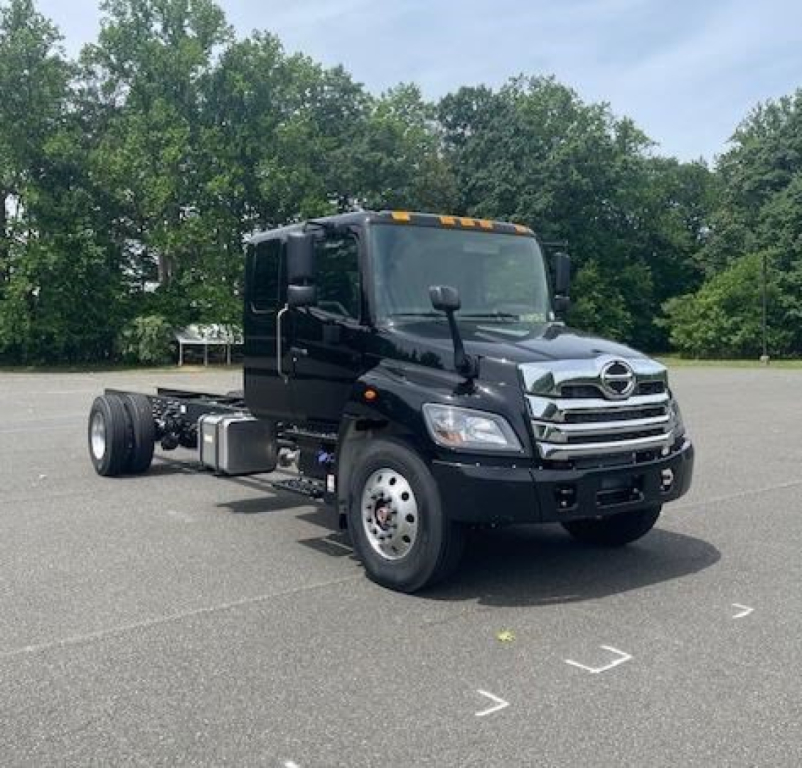
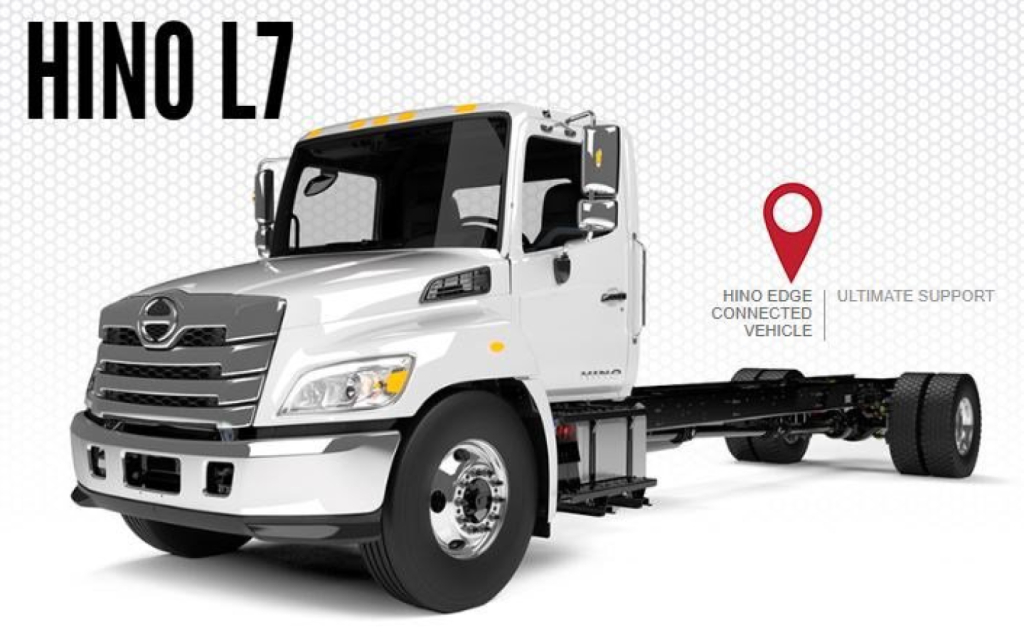
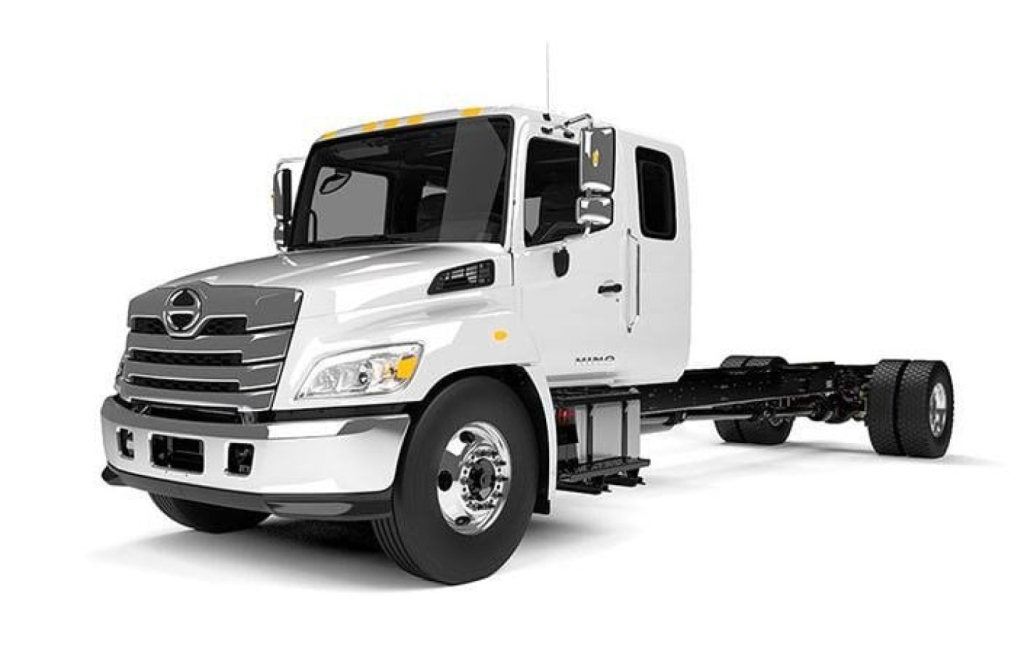
Selling a 2027 cab and chassis truck? List your 2027 cab and chassis truck for sale and reach thousands of commercial buyers.
2027 Cab and Chassis Trucks in New Jersey
The most important fitment decision is usually cab-to-axle and overall wheelbase. Those dimensions determine what body lengths can be mounted without creating poor weight distribution or clearance problems. A short wheelbase improves maneuverability on tight streets, loading docks, and urban delivery routes, while a longer wheelbase supports larger bodies and higher payload stability. Buyers should also verify frame height, rear axle ratio, suspension type, and whether the truck has factory body-builder switches, PTO provision, or transmission programming for vocational equipment. If the truck is headed for a reefer, roll-back, dump, or hydraulic application, those details matter early.
Powertrain choice on a cab and chassis truck depends on duty cycle more than advertised horsepower alone. A diesel in the 200 to 300 horsepower range is common in medium-duty fleet service, often paired with an Allison automatic for stop-and-go operation, PTO work, and easier driver onboarding. Gas engines can make sense in lighter GVWR classes where acquisition cost and maintenance simplicity are priorities. In New Jersey, route density, bridge restrictions, tight suburban access, and idle-heavy operation can all influence spec decisions, especially for local delivery, municipal, service, and contractor use. Cab layout also matters. Regular cab, extended cab, and crew cab configurations affect storage, passenger capacity, and body space.
When comparing 2027 cab and chassis trucks for sale, look beyond model year and mileage. Check front and rear GAWR, brake type, fuel tank placement, exhaust routing, frame strength, and any existing wiring or mounting provisions for the intended body. If the truck will carry a reefer box, contractor body, or dump insert, confirm the chassis can accept the upfit without compromising payload or axle balance. A well-matched cab and chassis is less about the bare truck itself and more about how cleanly it becomes the finished vocational unit your operation needs.
Frequently Asked Questions about 2027 Cab and Chassis Trucks in New Jersey
What is a cab and chassis truck used for?
A cab and chassis truck is an incomplete commercial truck built to receive a body or equipment package. It is commonly used for box trucks, refrigerated bodies, flatbeds, utility bodies, dumps, stake bodies, tow bodies, and other vocational upfits. Buyers choose this platform when they need a truck configured around a specific job rather than buying a factory-complete body style.
How do I choose the right wheelbase for a cab and chassis truck?
Wheelbase should be selected based on the body length, weight distribution, turning needs, and rear overhang limits of the finished truck. The key measurement is often cab-to-axle, since that determines which body lengths fit properly on the frame. A truck that is too short may not accept the desired body, while a truck that is too long can hurt maneuverability and axle balance. Body builder charts and upfitter guidelines are the best way to confirm fit.
What GVWR range is common for cab and chassis trucks?
Cab and chassis trucks are sold across multiple weight classes, but many commercial fleet applications fall in Class 3 through Class 7. Lighter models are often used for service bodies and local delivery, while medium-duty models are common for larger van bodies, reefers, dumps, and municipal equipment. The right GVWR depends on payload, body weight, cargo density, and any auxiliary equipment such as liftgates, compressors, or hydraulic systems.
Do I need PTO provision on a cab and chassis truck?
PTO provision is important if the truck will power hydraulic or mechanical equipment from the transmission or engine. Dump bodies, roll-backs, cranes, hooklifts, and some reefer or utility applications may require PTO capability or factory body-builder support. If the intended upfit does not use hydraulic equipment, PTO may not be necessary, but it is still worth confirming transmission compatibility before purchase.
What should buyers in New Jersey pay attention to on a cab and chassis spec?
New Jersey buyers often benefit from a chassis that balances tight-route maneuverability with enough capacity for dense local delivery and contractor work. Wheelbase, turning radius, bridge and street access, corrosion exposure, and stop-and-go duty cycle all matter. Trucks used near the coast or through winter road treatment areas should also be checked closely for frame and underbody corrosion resistance, especially if the chassis will carry a long-term vocational body.