
2027 Cab and Chassis Trucks For Sale
Shop 2027 cab and chassis trucks with upfit-ready frames, diesel and gas power, and wheelbase options for service, box, dump, and utility bodies.
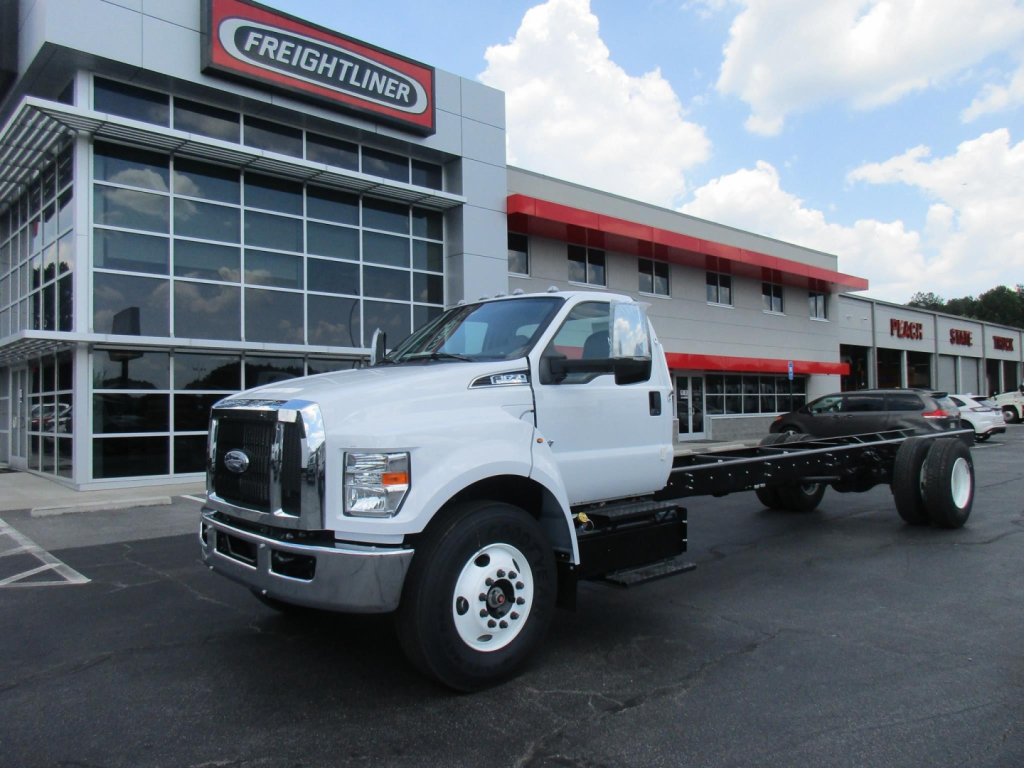
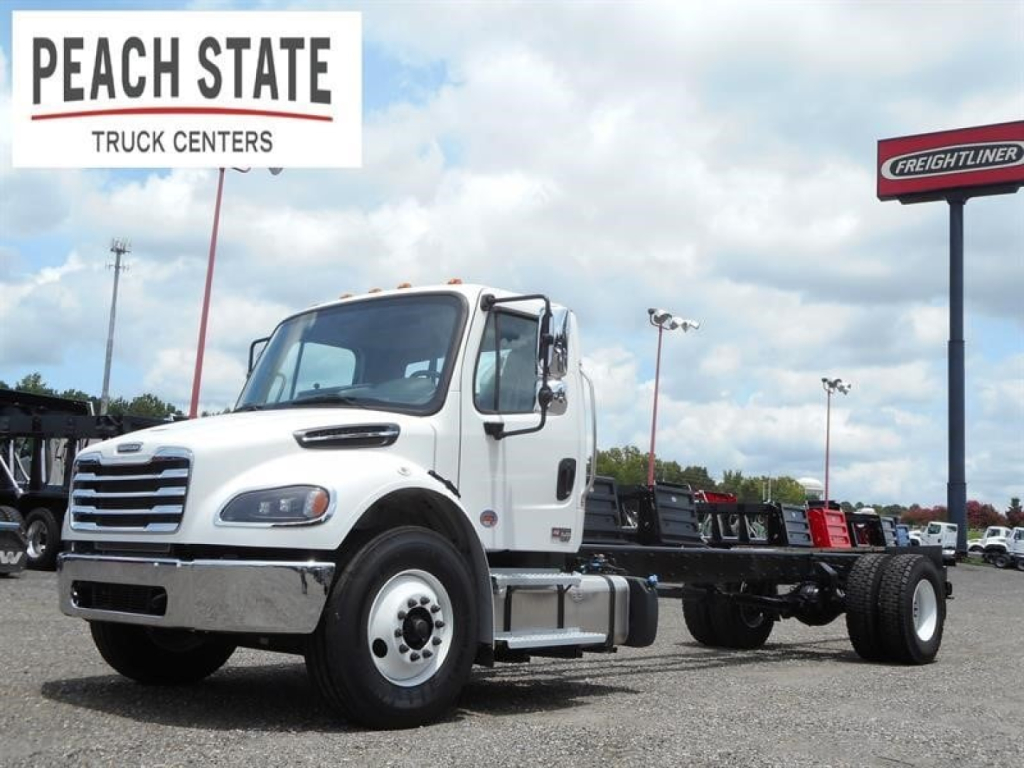
2027 Freightliner M2 106
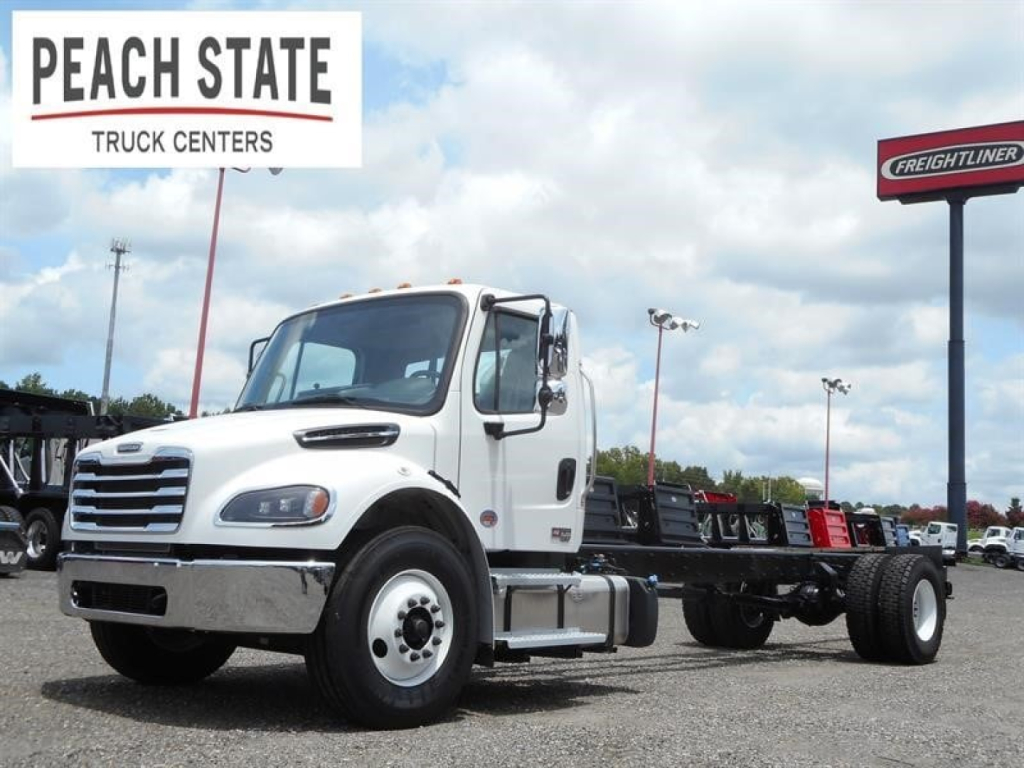
2027 Freightliner M2 106
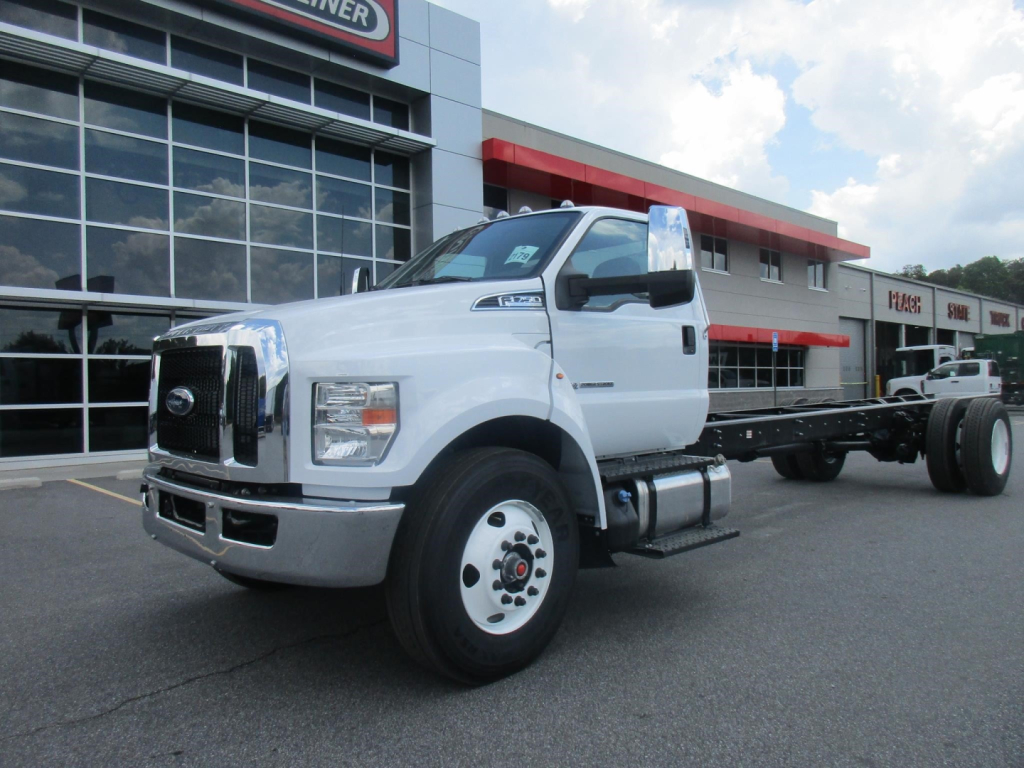
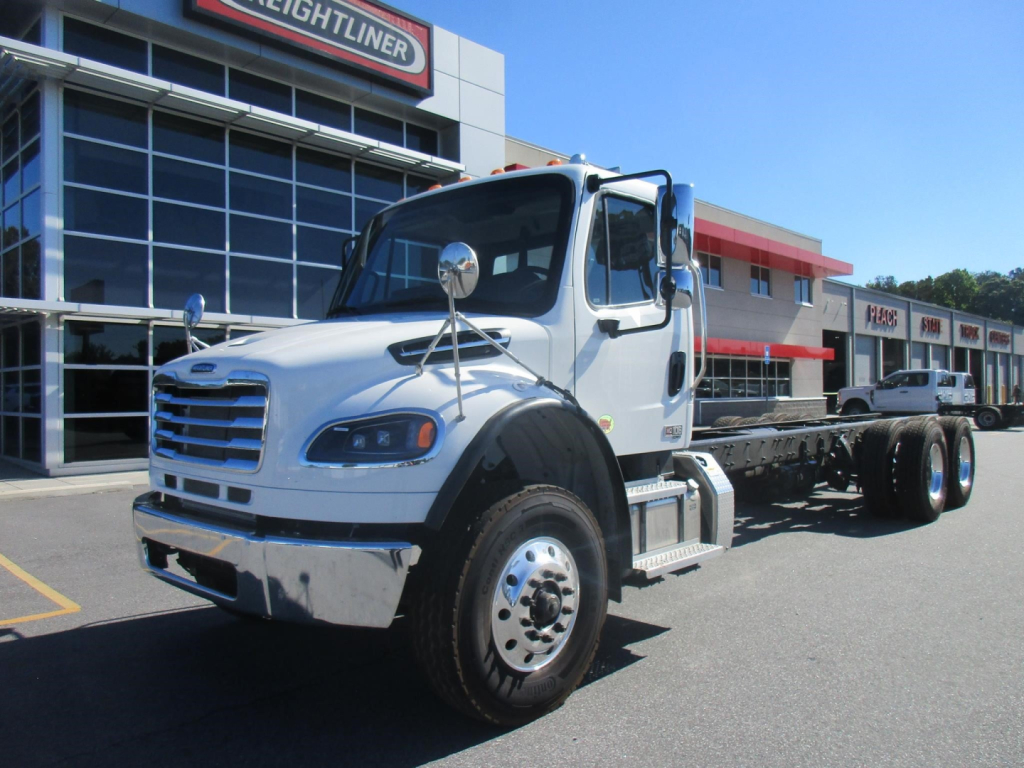
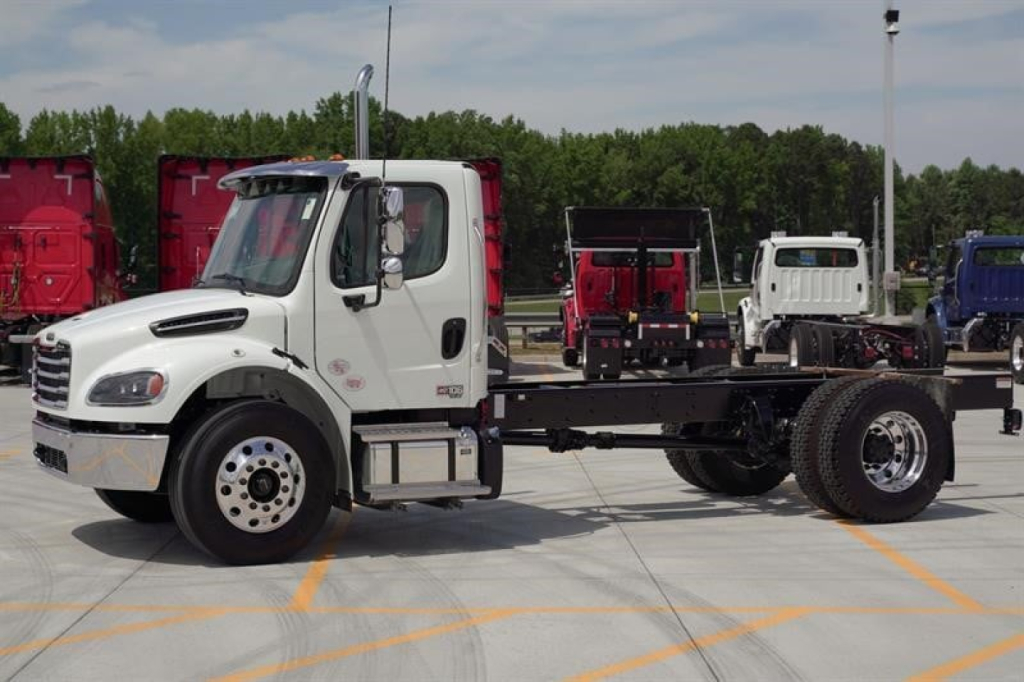
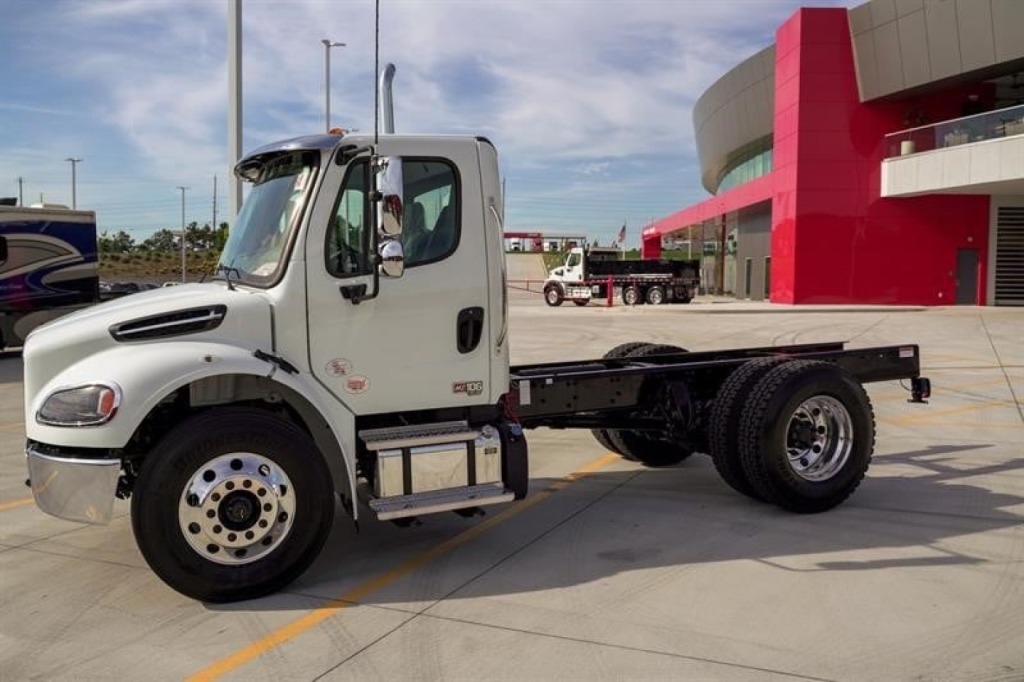
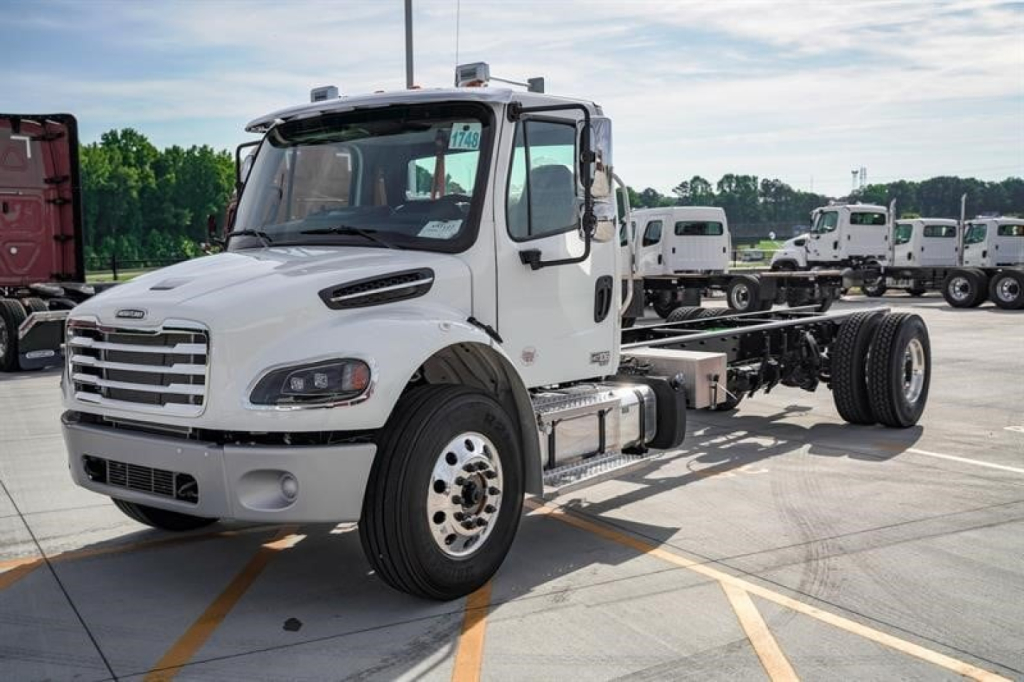
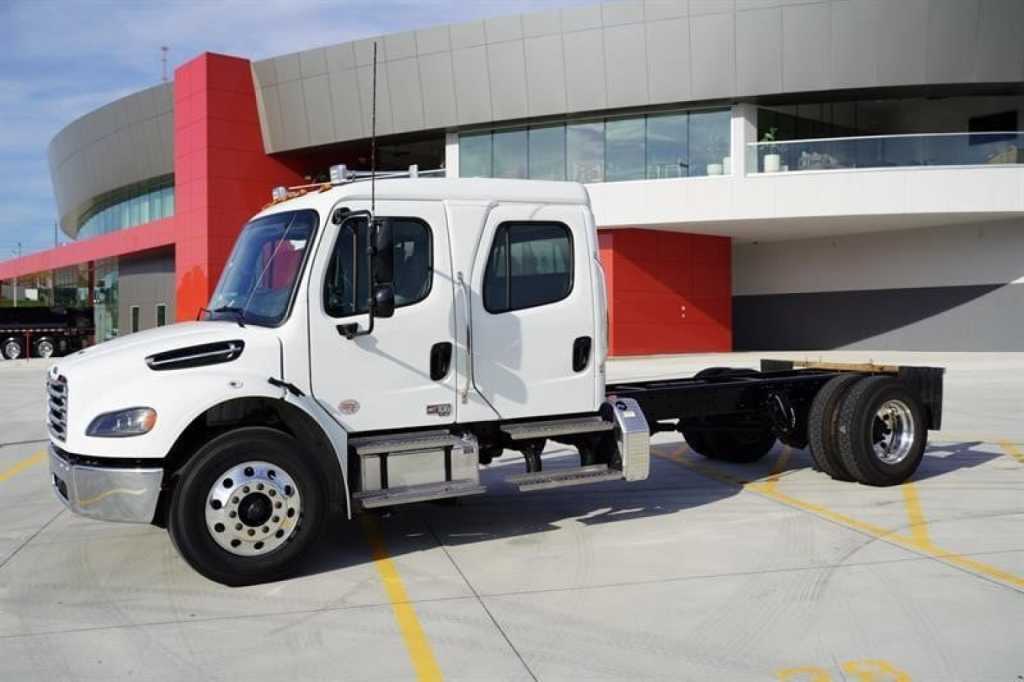
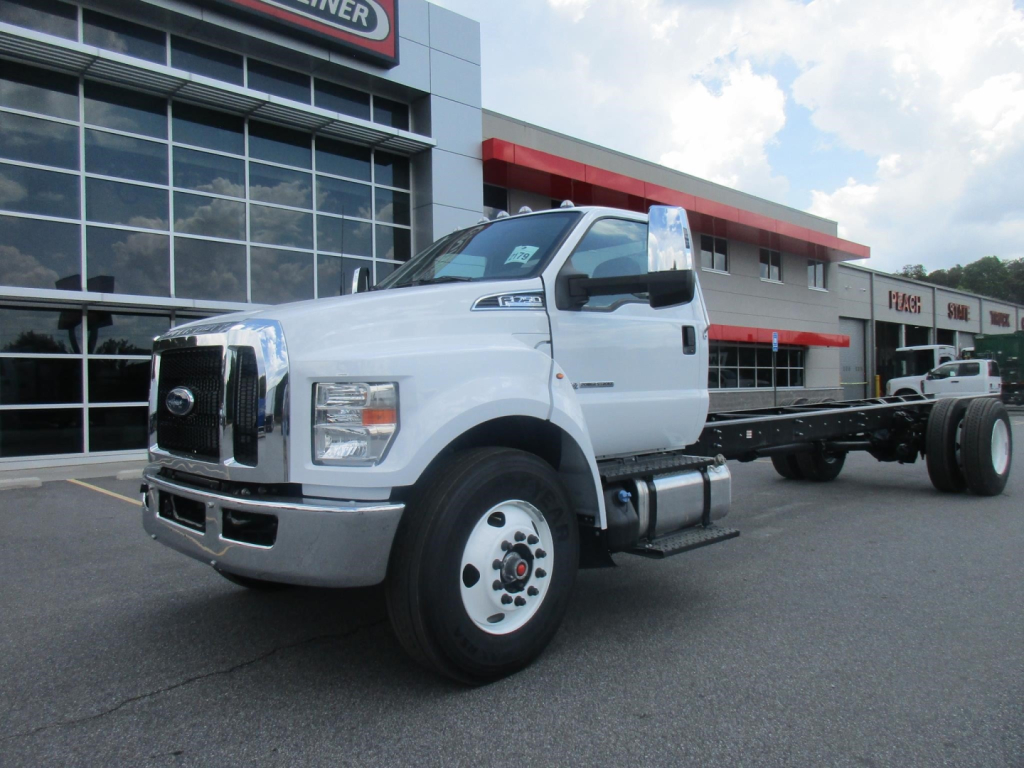
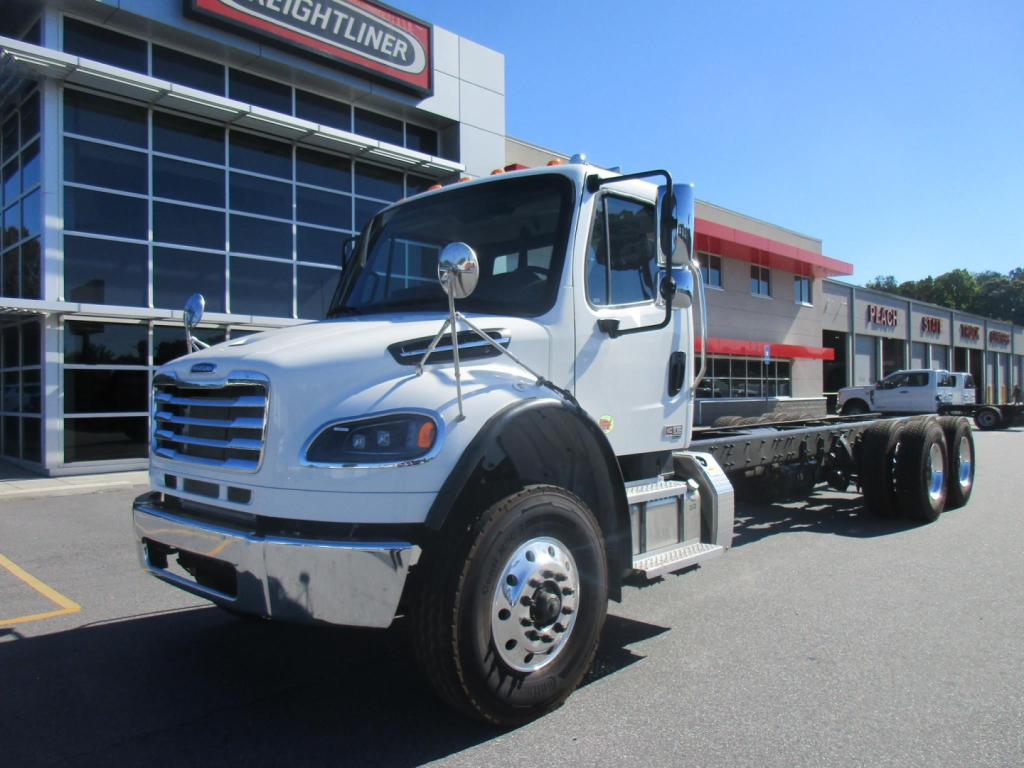
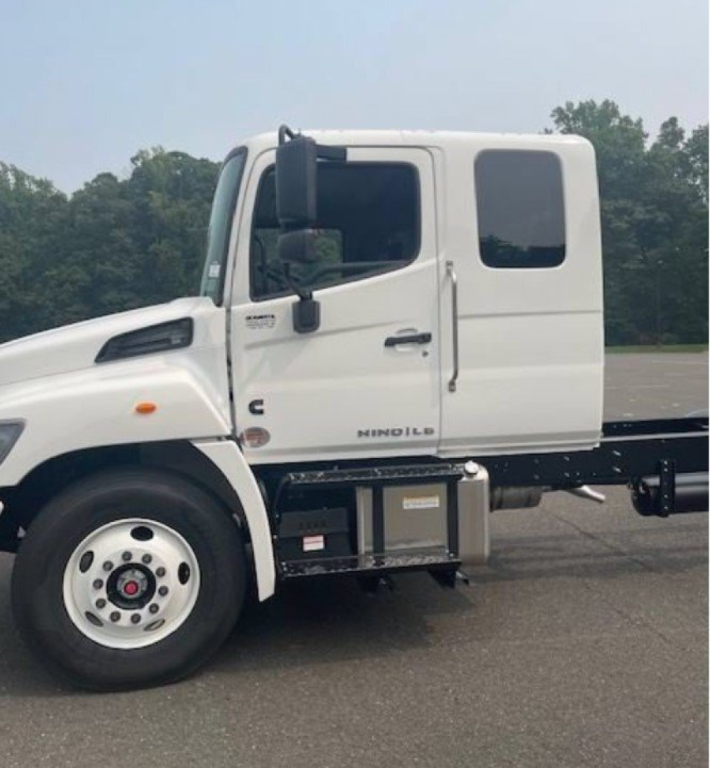
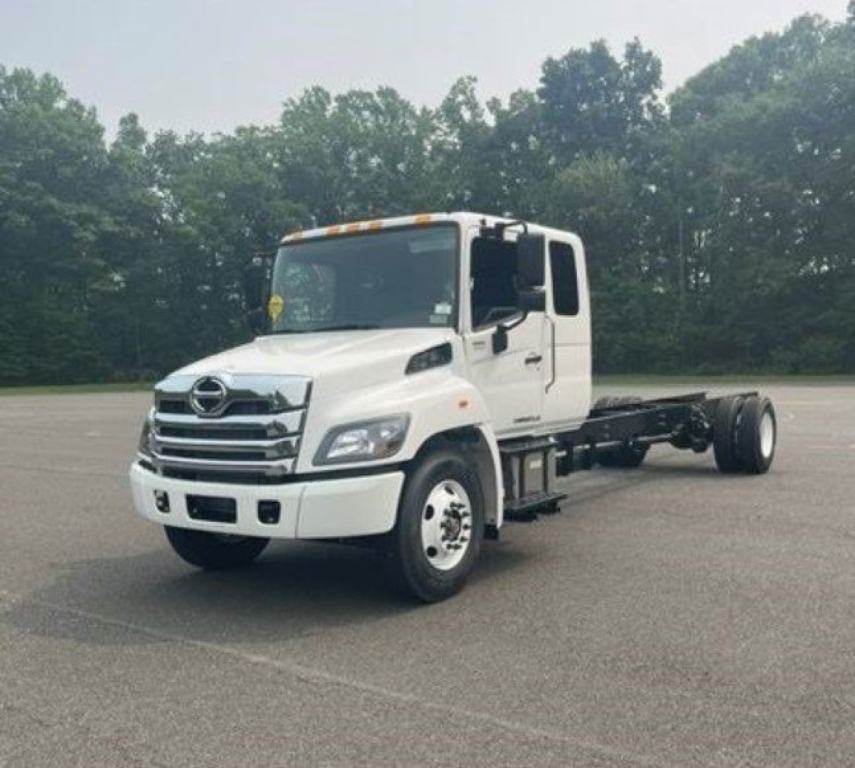
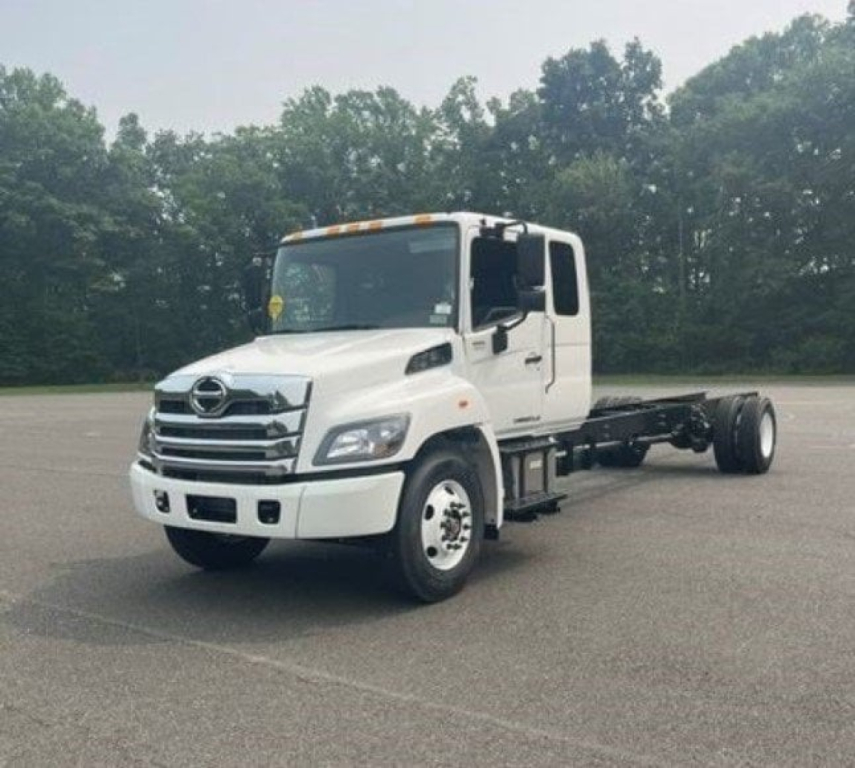
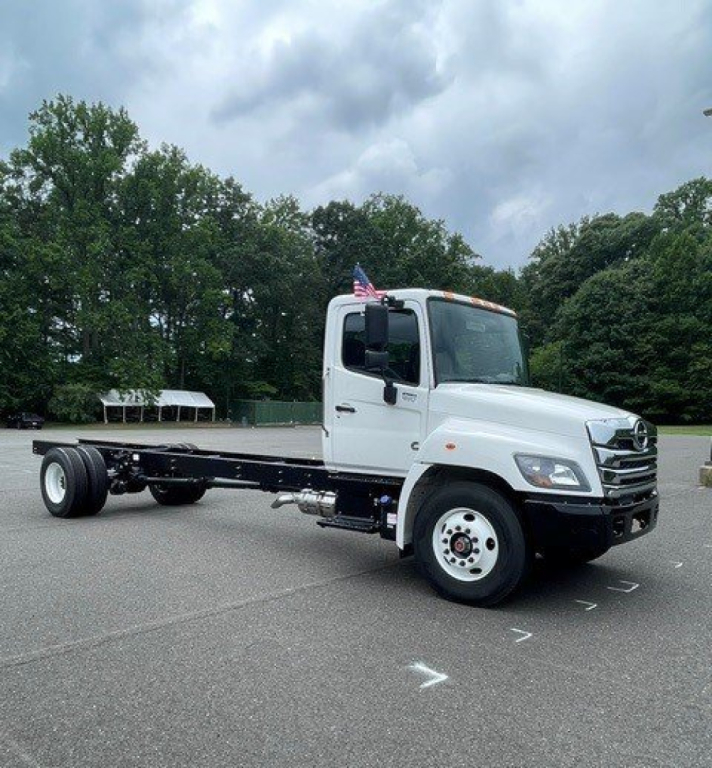
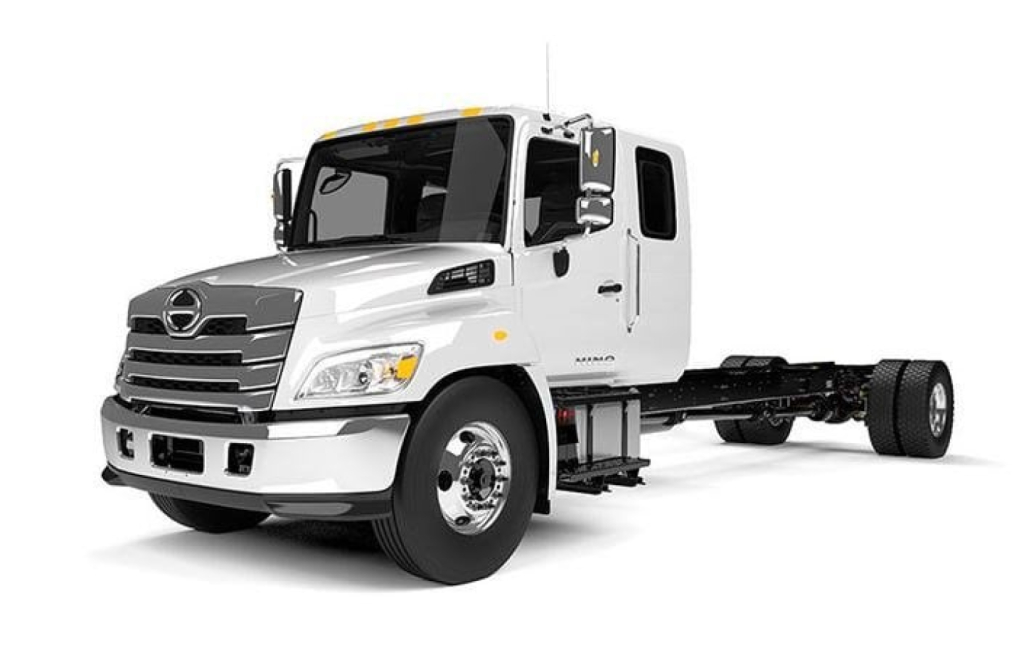
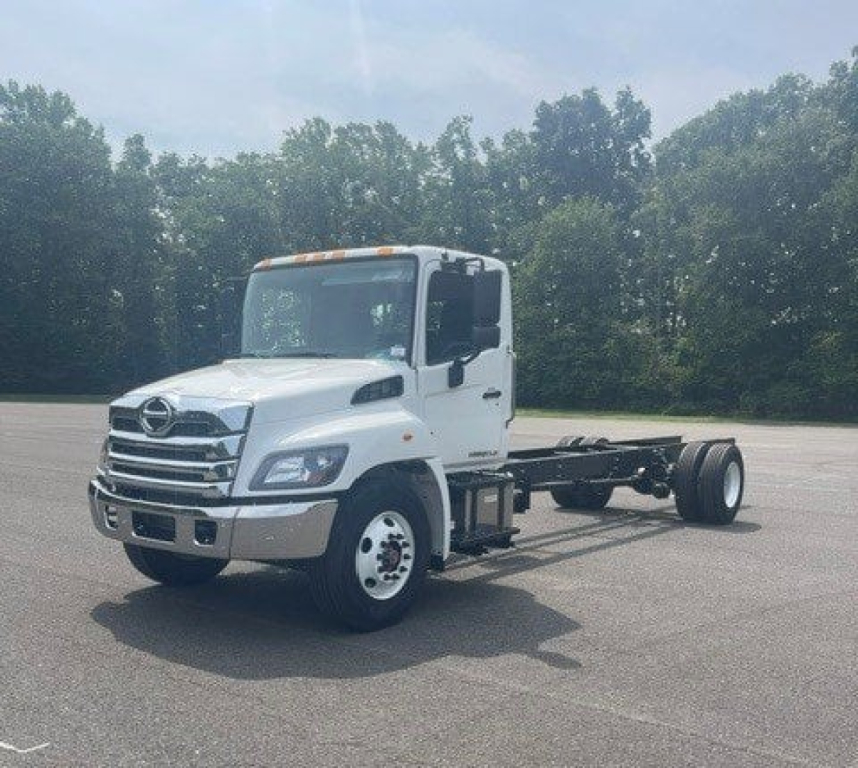
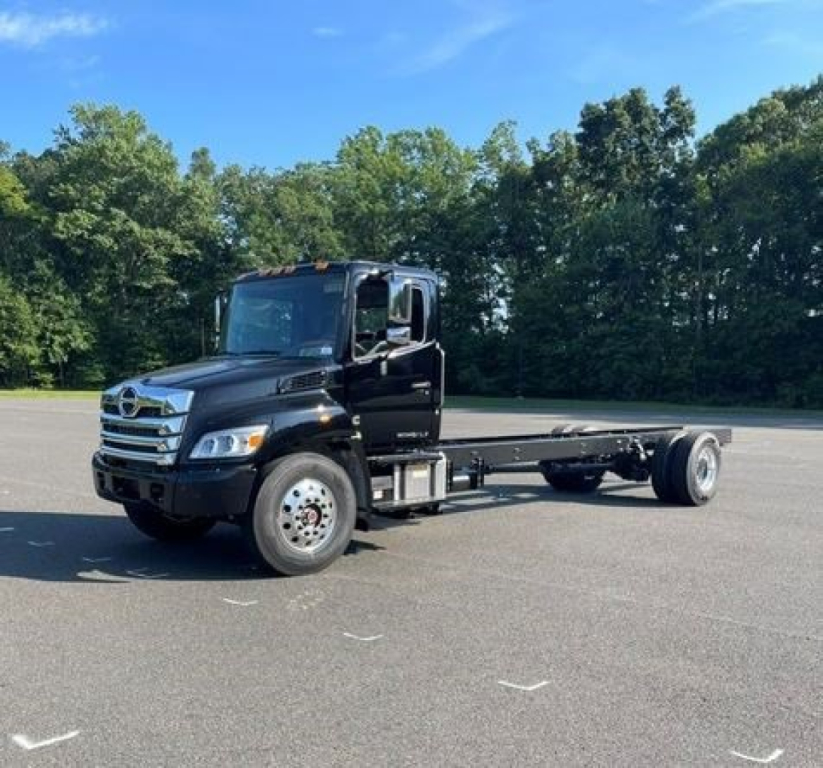
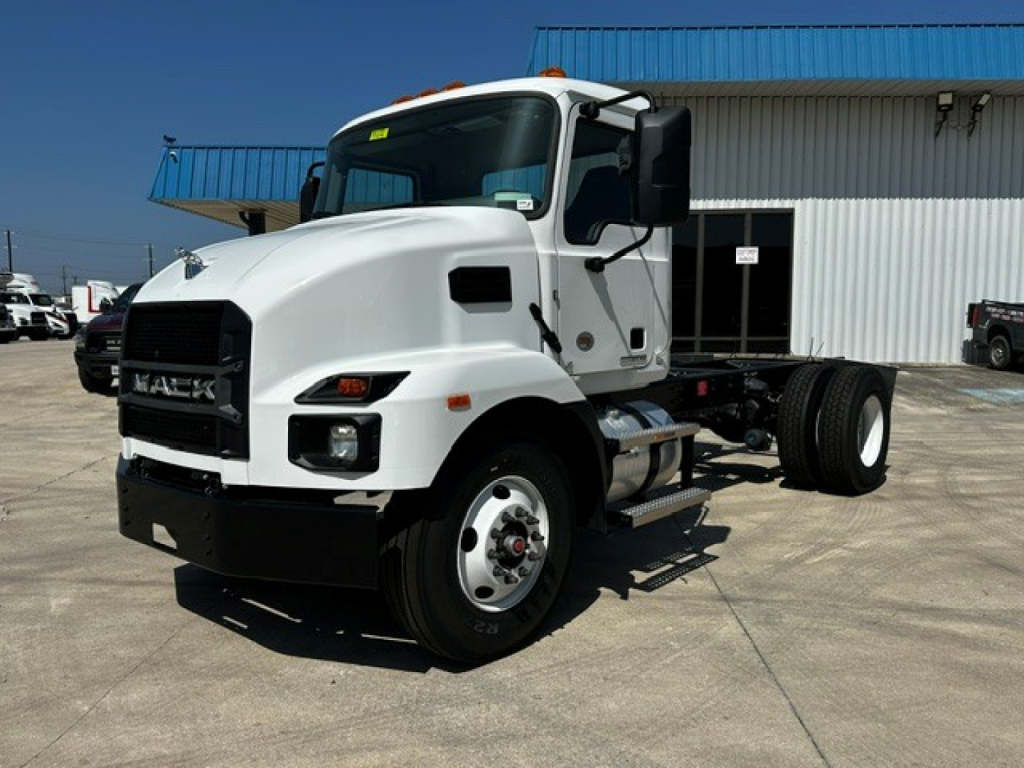
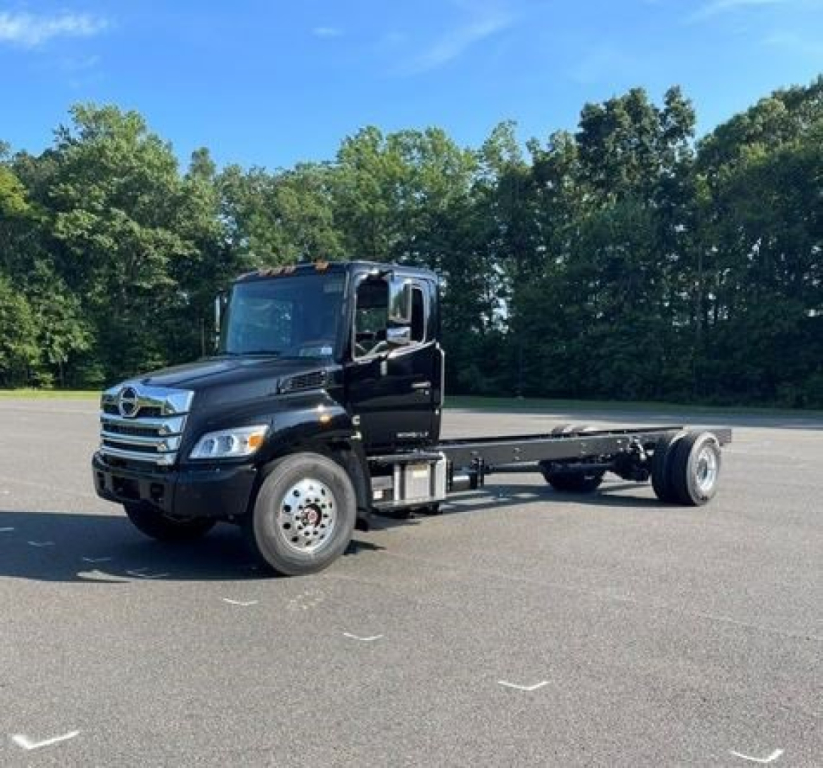
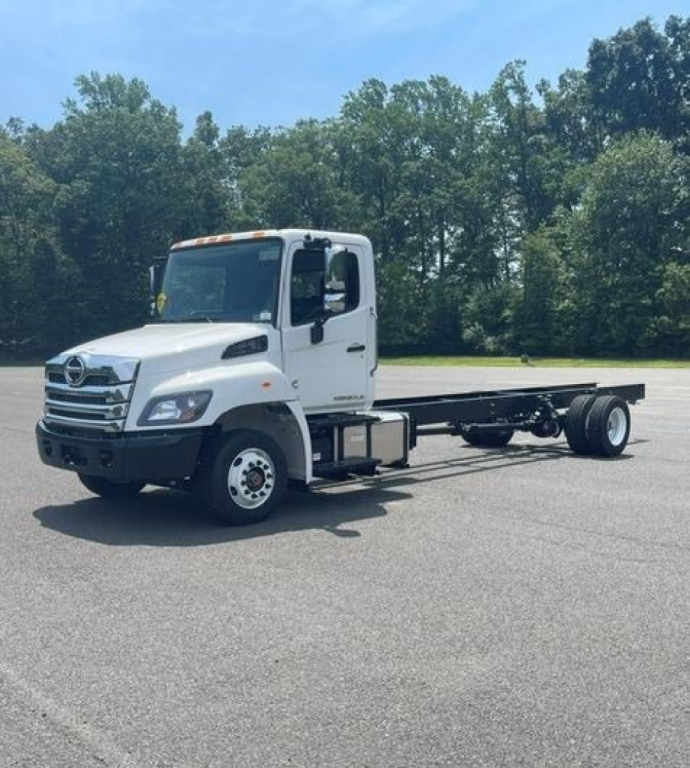
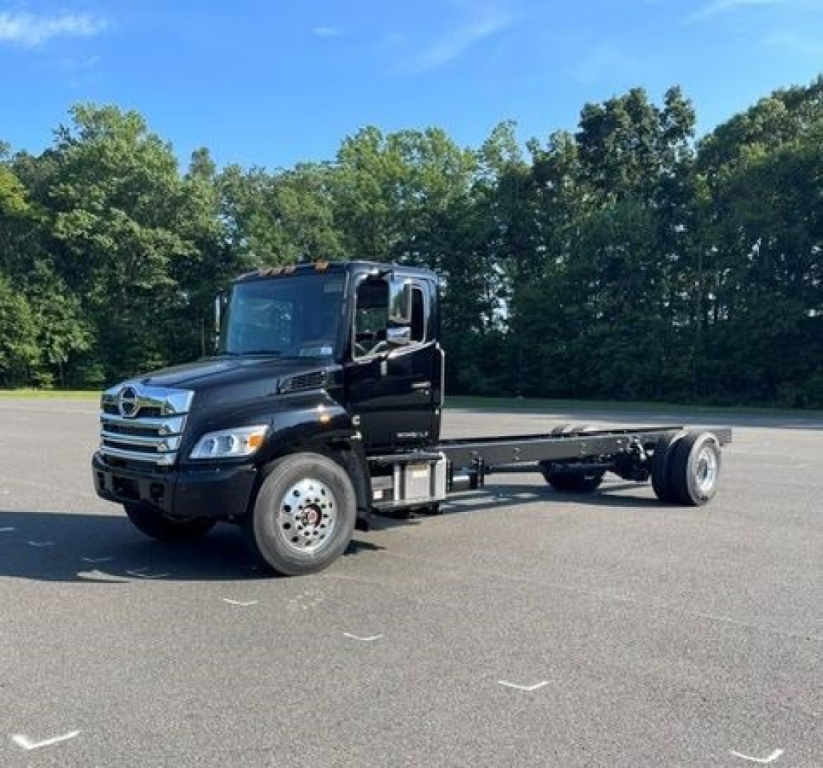
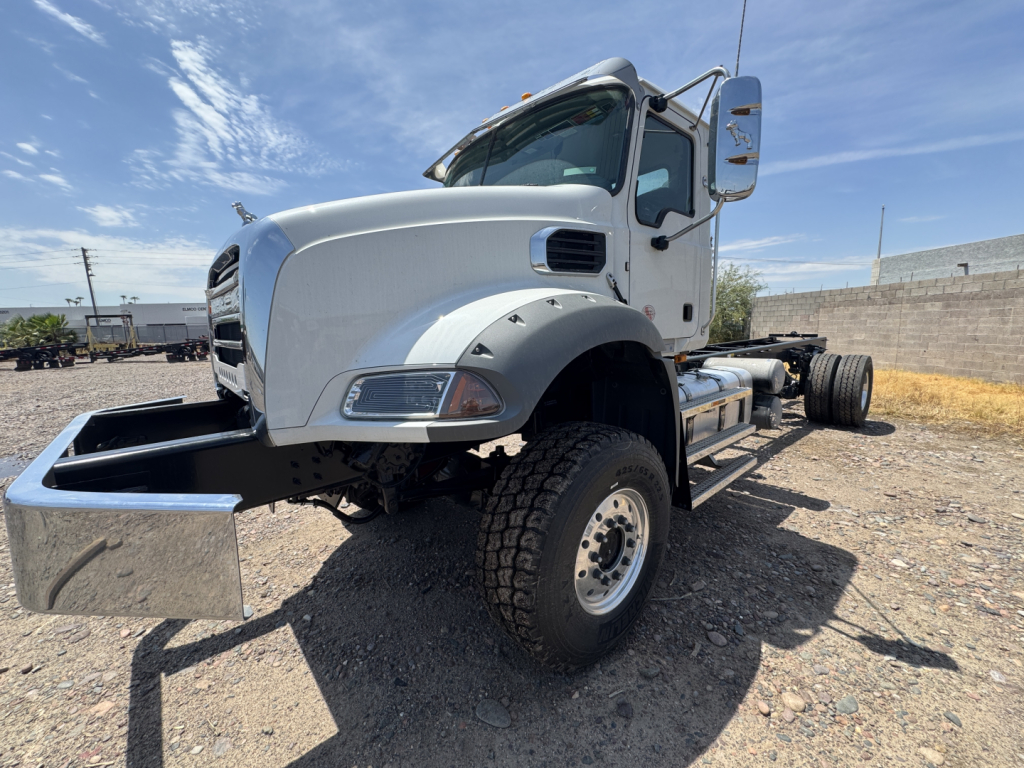
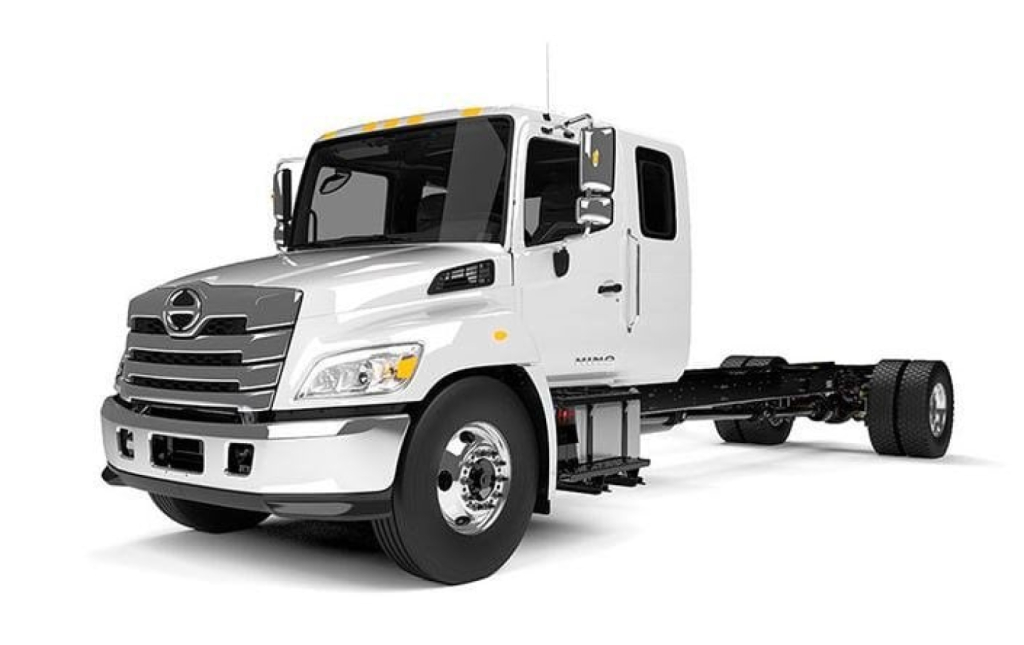
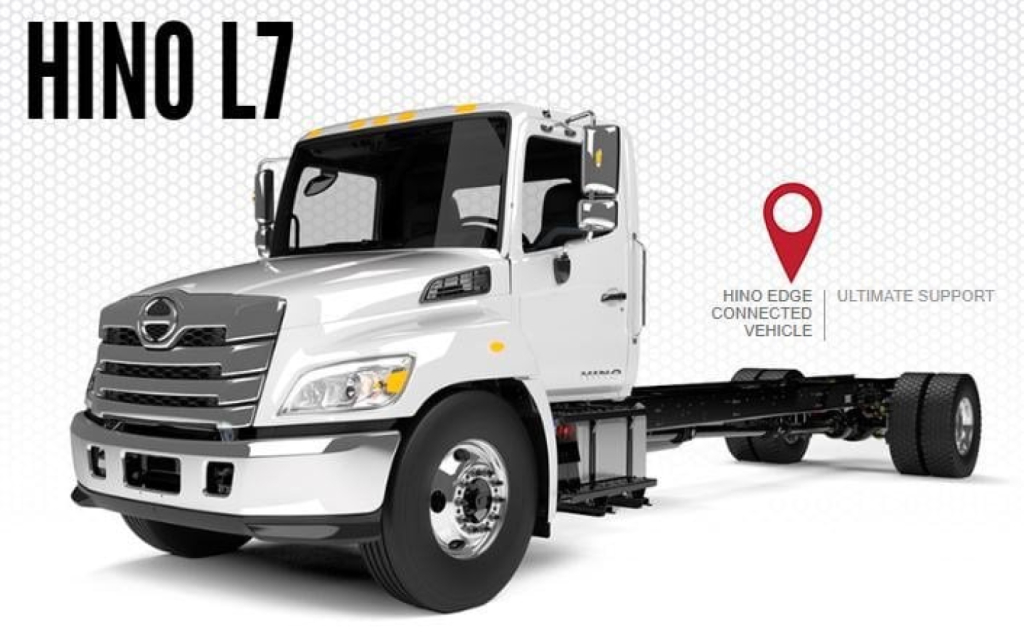
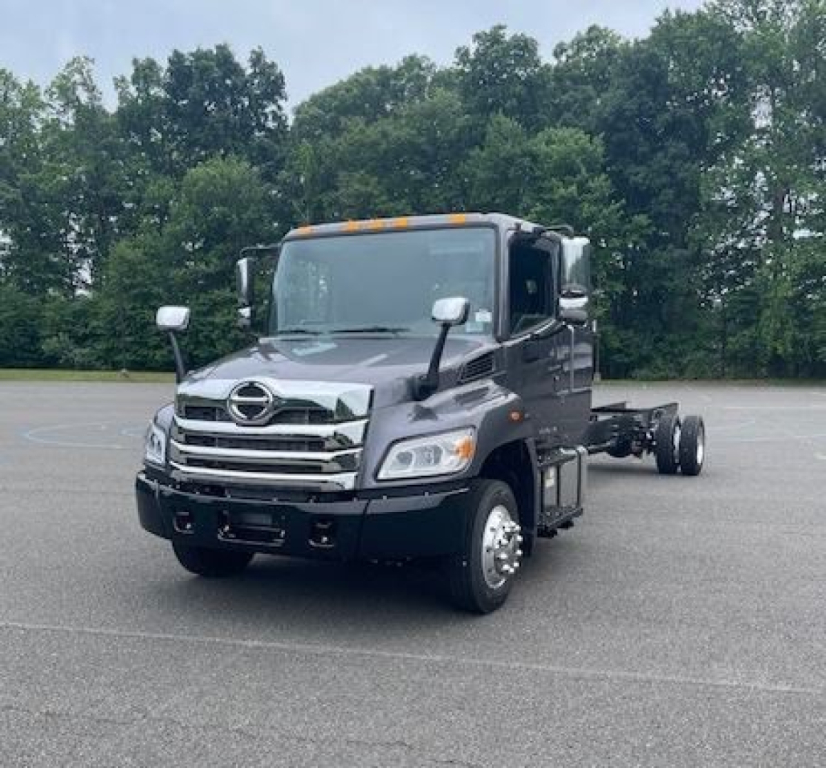
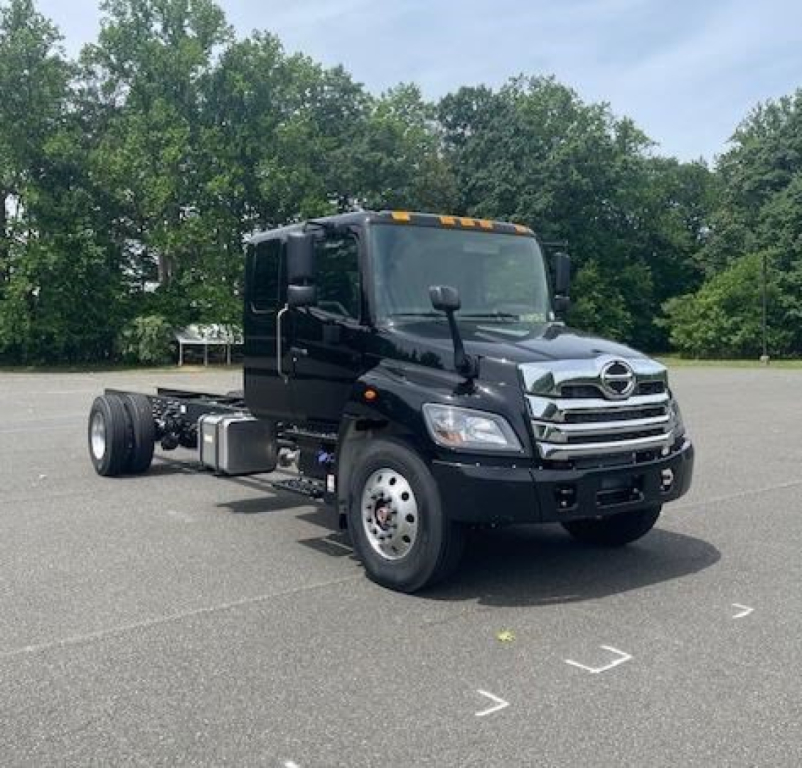
Showing 1 to 28 of 38 results
Selling a 2027 cab and chassis truck? List your 2027 cab and chassis truck for sale and reach thousands of commercial buyers.
2027 Cab and Chassis Trucks
Powertrain choice matters as much as frame layout. Diesel cab and chassis trucks remain a strong fit for heavier payloads, frequent PTO use, and higher annual mileage, while gas engines can make sense for lower acquisition cost, simpler maintenance, and shorter-route duty cycles. Transmission calibration, rear axle ratio, suspension type, and brake system all affect how the truck performs once the body is installed. Buyers should pay close attention to front and rear GAWR, frame RBM, PTO provisions, fuel tank placement, and exhaust aftertreatment packaging, since these can limit body design or toolbox placement. On medium-duty models, wheelbase and back-of-cab clearance are especially important when fitting 16-foot to 18-foot bodies, liftgates, compressors, cranes, or towing gear.
For many fleets, the best cab and chassis truck is the one that matches the final application without leaving too much unused capacity on the table. An underspecified truck will struggle with payload, suspension life, and brake performance. An overspecified truck may carry more tare weight than necessary and reduce usable payload or fuel efficiency. Common upfit considerations include single-rear-wheel versus dual-rear-wheel configuration, regular cab versus crew cab, 4x2 versus 4x4, and whether the truck needs auxiliary switches, trailer brake controls, idle management, or telematics integration. If the truck will support a dump, crane, reefer body, or recovery setup, verify body-builder data, frame drill restrictions, electrical access points, and PTO compatibility before committing.
A strong 2027 cab and chassis spec usually comes down to how well the chassis supports the finished truck after the upfit is complete. That means looking beyond the cab and engine to axle spread, tire size, suspension capacity, turning radius, and body-ready dimensions. Buyers comparing listings should think in terms of completed vehicle performance: payload after body installation, bridge-law compliance if applicable, serviceability, and the truck's ability to handle the route, terrain, and duty cycle it will see every day. Cab and chassis trucks are also commonly called chassis cabs, and in practical terms they are the starting point for building a purpose-specific work truck.
Frequently Asked Questions about 2027 Cab and Chassis Trucks
What is the difference between a cab and chassis truck and a pickup with a bed?
A cab and chassis truck is delivered as an incomplete vehicle with the cab, frame rails, drivetrain, and axles in place, but without a factory pickup box or vocational body. It is designed for upfitting with a flatbed, service body, dump body, box body, utility body, or other commercial equipment. Compared with a standard pickup, a cab and chassis model typically offers a straighter frame, body-mounting flexibility, and dimensions intended for commercial body installation.
How do I choose the right cab-to-axle length on a cab and chassis truck?
Cab-to-axle length, often listed as CA, is one of the most important fitment measurements because it determines what body length can be installed and how the load will sit over the axles. The correct CA depends on the body type, rear overhang requirements, liftgate or towing equipment, and any accessories mounted behind the cab. Buyers should match the CA and wheelbase to the body manufacturer's dimensional guide rather than estimating, since improper proportions can create handling, weight distribution, and legal compliance issues.
Is diesel or gas better for a 2027 cab and chassis truck?
Diesel is often the better fit for heavier-duty use, frequent towing, higher mileage, and applications that rely on PTO-driven equipment because it typically delivers stronger low-end torque and better efficiency under load. Gas engines can be a smart choice for lighter-duty routes, lower annual miles, municipal work, or fleets focused on lower upfront cost and simpler emissions systems. The better option depends on duty cycle, payload, idle time, service infrastructure, and total cost of ownership rather than engine preference alone.
What should I verify before installing a body on a chassis cab?
Before upfitting, confirm GVWR, GAWR, frame dimensions, wheelbase, cab-to-axle, PTO availability, fuel and DEF tank location, exhaust routing, electrical connection points, and body-builder restrictions. It is also important to account for the finished curb weight of the body, tools, cargo, and crew so the completed truck stays within axle and gross vehicle ratings. Reviewing the OEM body-builder manual and the upfitter's dimensional requirements is the best way to avoid clearance problems, weight imbalance, or costly rework.
What are cab and chassis trucks most commonly used for?
Cab and chassis trucks are commonly used as the base for service trucks, contractor flatbeds, landscaping dumps, dry van bodies, refrigerated bodies, rollback wreckers, utility trucks, and municipal vocational builds. Their value comes from flexibility, since the same basic chassis platform can be configured for delivery, towing, field service, construction, or infrastructure work. The right specification depends on the installed body, payload target, road conditions, and how much equipment the truck must carry every day.