
2027 Cab and Chassis Trucks For Sale in Texas
Shop 2027 cab and chassis trucks for Texas jobs. Compare GVWR, axle setups, wheelbases, PTO options, and upfit-ready vocational specs.
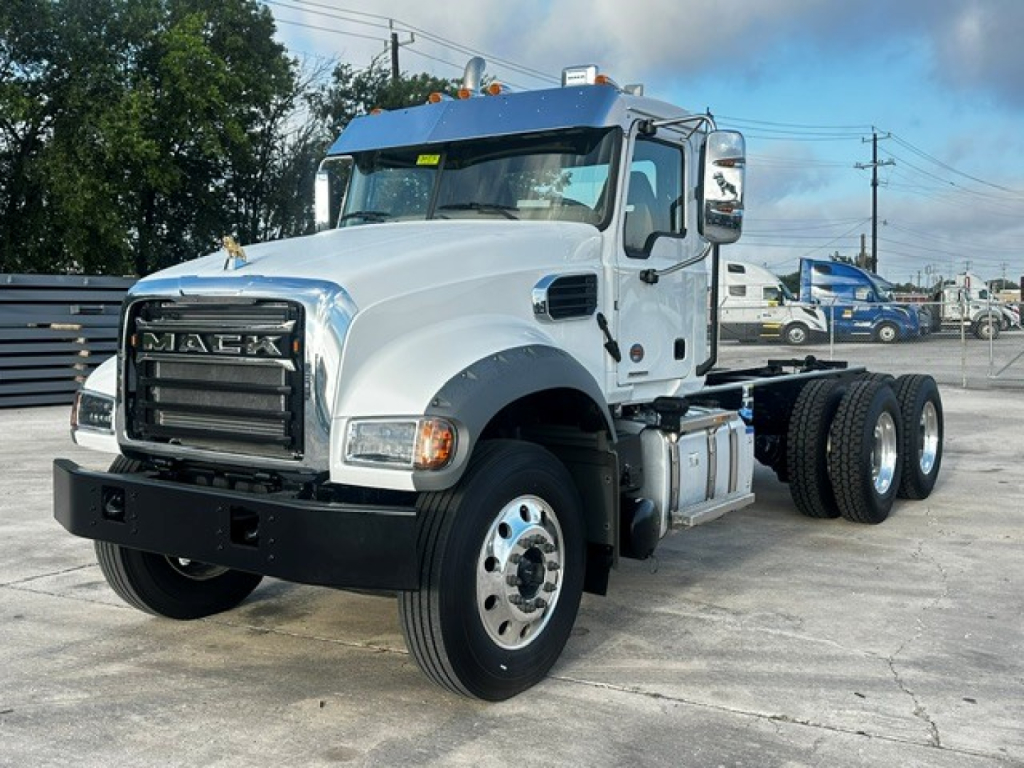
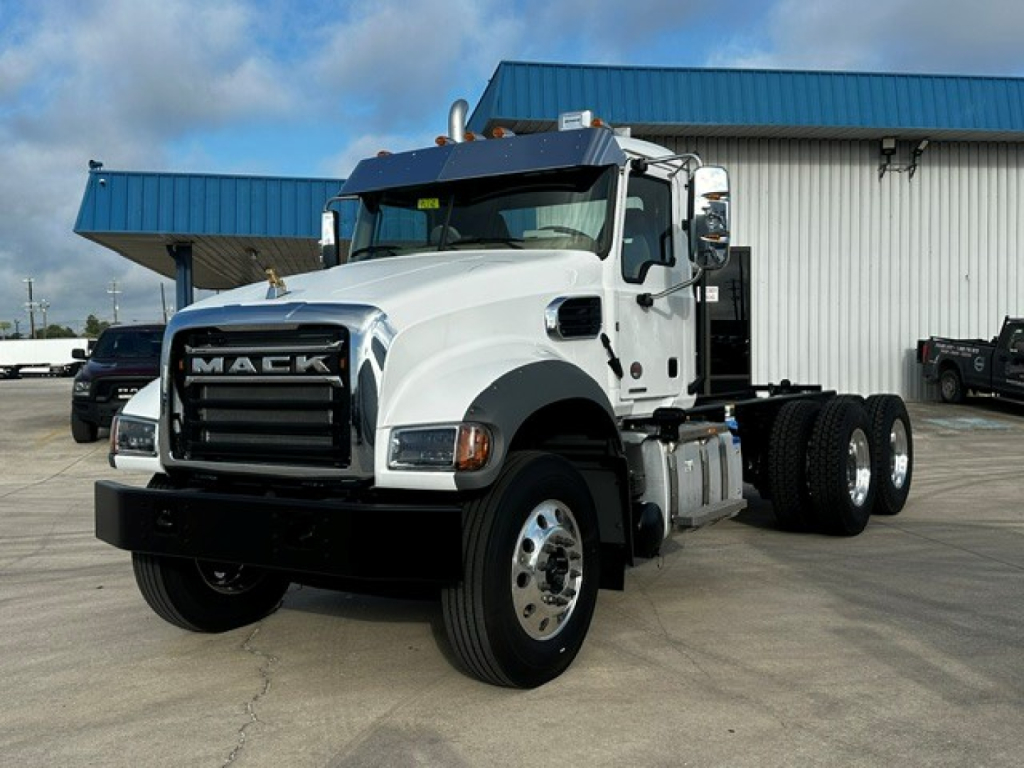
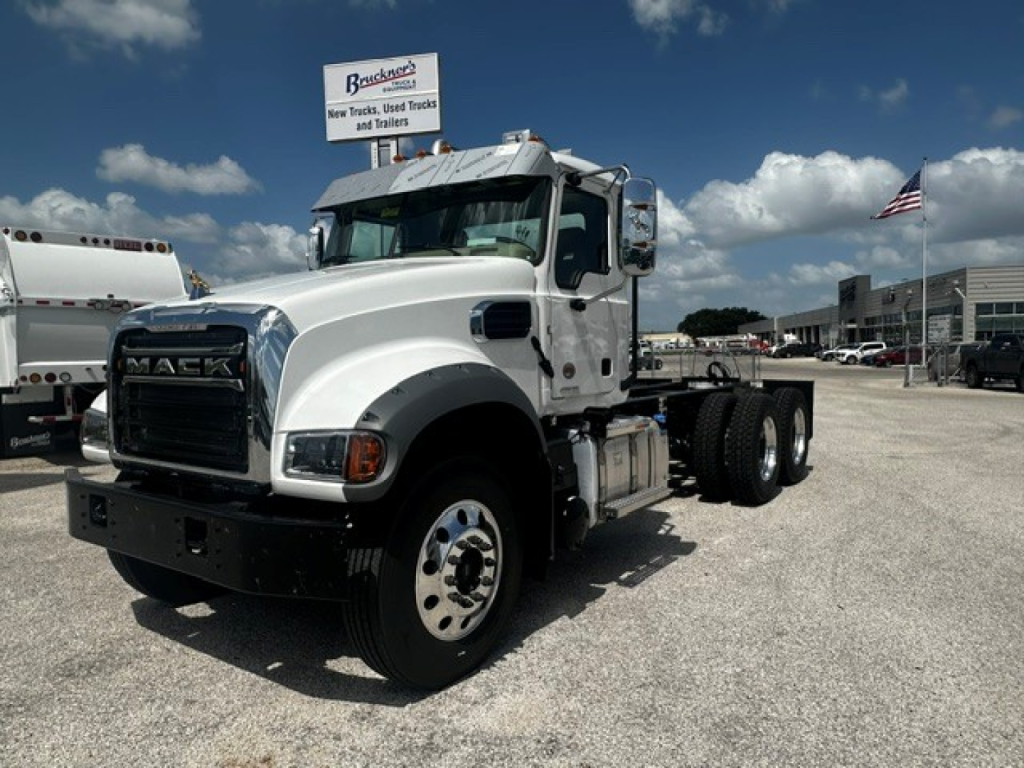

Selling a 2027 cab and chassis truck? List your 2027 cab and chassis truck for sale and reach thousands of commercial buyers.
2027 Cab and Chassis Trucks in Texas
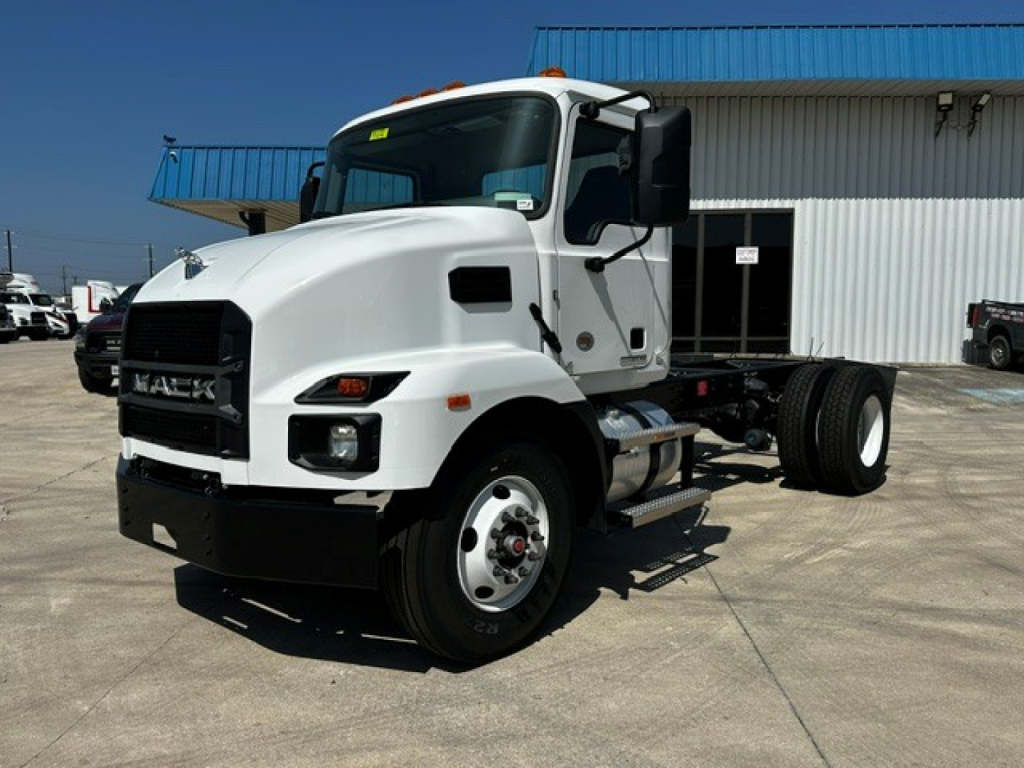
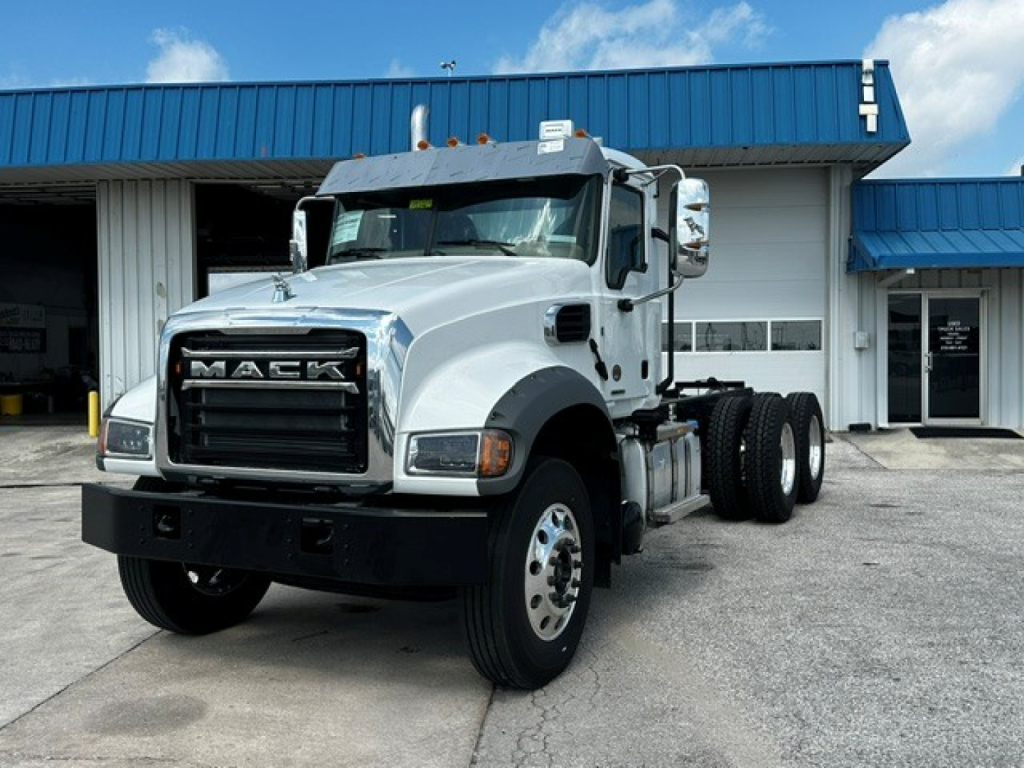
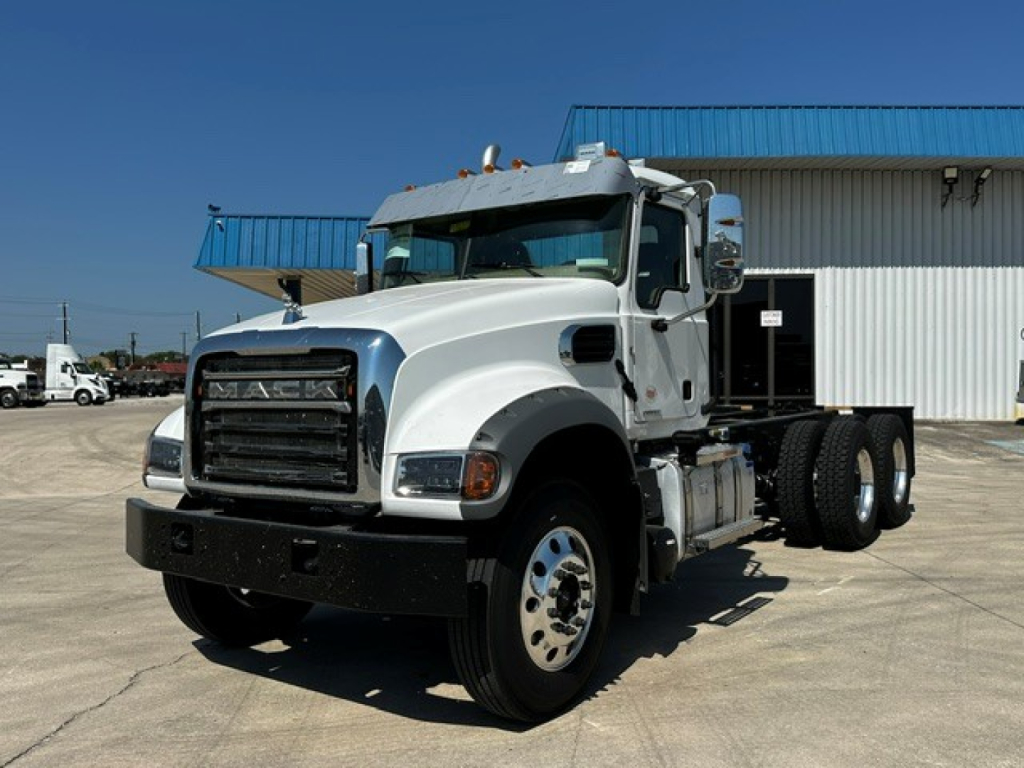
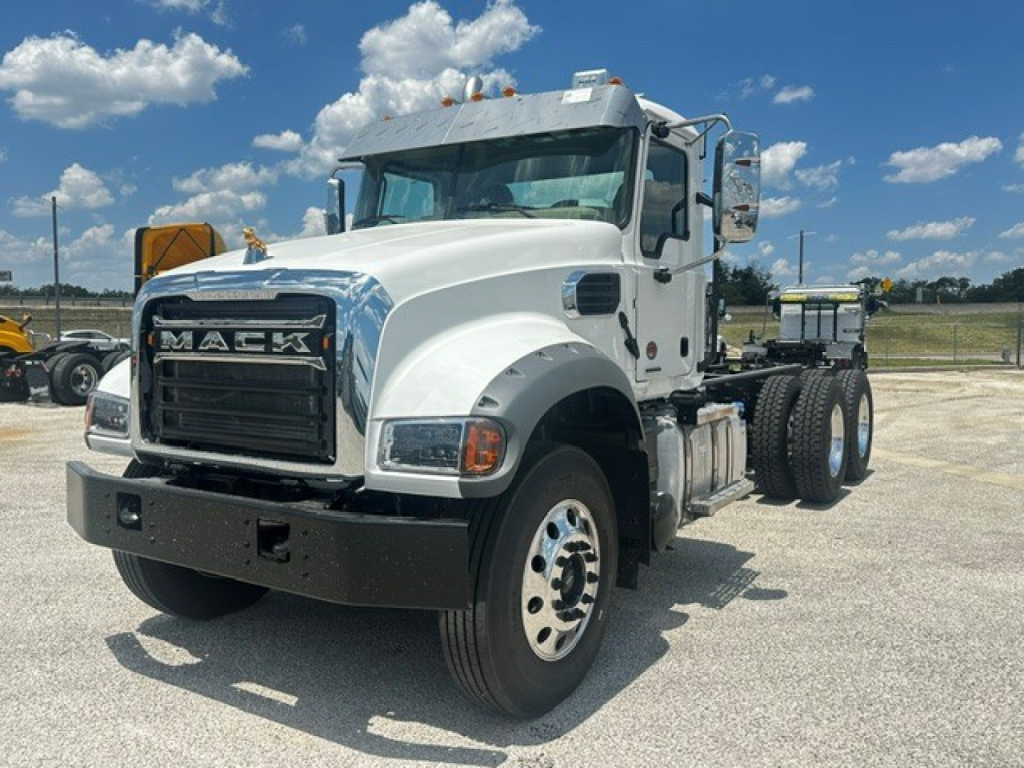
Medium-duty and heavy-duty cab and chassis trucks cover a wide range of GVWR classes. On the lighter side, Class 4 through Class 6 models are common for contractors, municipal work, delivery fleets, and utility service. These typically focus on maneuverability, lower cab height, and easier body integration. Class 7 and Class 8 chassis move into more serious vocational work, with higher frame section modulus, stronger suspensions, larger cooling packages, and driveline options built for PTO loads and stop-start duty cycles. Common configurations include 4x2, 6x4, tandem, and tri-drive layouts, along with diesel, gasoline, and increasingly electric powertrains for urban or emissions-sensitive operations.
Body clearance and driveline compatibility matter as much as horsepower. Buyers should pay close attention to cab-to-axle and cab-to-trunnion dimensions, frame rail height, axle spread, exhaust routing, DEF tank placement, and transmission PTO openings. A truck intended for a dump or mixer body may need a very different suspension, axle ratio, and transmission than one being built as a service truck or reefer straight truck. In Texas, heat and long idle time can make cooling system capacity, engine brake performance, and vocational automatic transmissions especially important. Severe-duty buyers should also look at double-frame options, locking differentials, crossmember design, and suspension choices such as camelback, walking beam, or heavy air ride depending on off-road use and load stability requirements.
The strongest value in a cab and chassis truck is how closely the factory spec matches the upfit plan. A well-matched chassis can reduce body installation time, limit driveline rework, and improve payload, balance, and service access over the life of the truck. Buyers comparing 2027 models should look beyond engine rating alone and evaluate wheel cut, turning radius, fuel capacity, brake type, electrical architecture, and trailer provisions if the truck will tow equipment. A properly spec'd cab and chassis truck gives the body builder a clean foundation and gives the owner a vocational truck that works correctly from day one.
Frequently Asked Questions about 2027 Cab and Chassis Trucks in Texas
What is a cab and chassis truck used for?
A cab and chassis truck is an incomplete truck built to accept a vocational body or specialized equipment. Common uses include flatbeds, utility bodies, dump bodies, box trucks, wreckers, water trucks, mechanics trucks, crane bodies, vacuum trucks, and municipal upfits. The chassis is selected based on the finished truck's payload, body weight, PTO demand, and operating environment.
How do I choose the right wheelbase for a cab and chassis truck?
Wheelbase should be matched to the body length, axle loading, and turning requirements of the finished application. Buyers usually start with the desired body size, then confirm cab-to-axle measurement, rear overhang limits, and bridge law or local weight considerations. Too short a wheelbase can create body fit and balance problems, while too long a wheelbase can reduce maneuverability and increase weight on the wrong axle.
What specs matter most on a vocational cab and chassis?
The most important specs are GVWR, front and rear axle ratings, frame strength, wheelbase, cab-to-axle dimension, engine torque, transmission type, PTO capability, suspension design, and axle ratio. For severe-duty work, buyers should also verify cooling package size, differential locks, brake configuration, and body-builder electrical provisions. These details affect payload, body compatibility, durability, and the cost of the upfit.
Is a diesel, gas, or electric cab and chassis better?
The best powertrain depends on route length, body weight, duty cycle, and service support. Diesel remains the standard for higher GVWR, towing, PTO work, and long daily operating hours because it delivers strong torque and broad vocational compatibility. Gas can work well in lighter-duty applications with lower acquisition cost, while electric cab and chassis trucks fit urban routes, return-to-base fleets, and operations focused on noise reduction or zero-emission compliance.
Why is PTO compatibility important on a cab and chassis truck?
PTO compatibility matters because many vocational bodies depend on hydraulic or mechanical power from the truck. Dump bodies, cranes, vacuum systems, pumps, winches, and compressors may require transmission-mounted or engine-driven PTO setups. Buyers should confirm PTO openings, horsepower limits, control integration, and packaging space early, because correcting a mismatch after the truck is built can be expensive and may delay the upfit.