
2027 Freightliner Cab and Chassis Trucks For Sale
Shop 2027 Freightliner cab and chassis trucks. Compare wheelbases, CA dimensions, GVWR options, PTO setups, and body-ready specs.
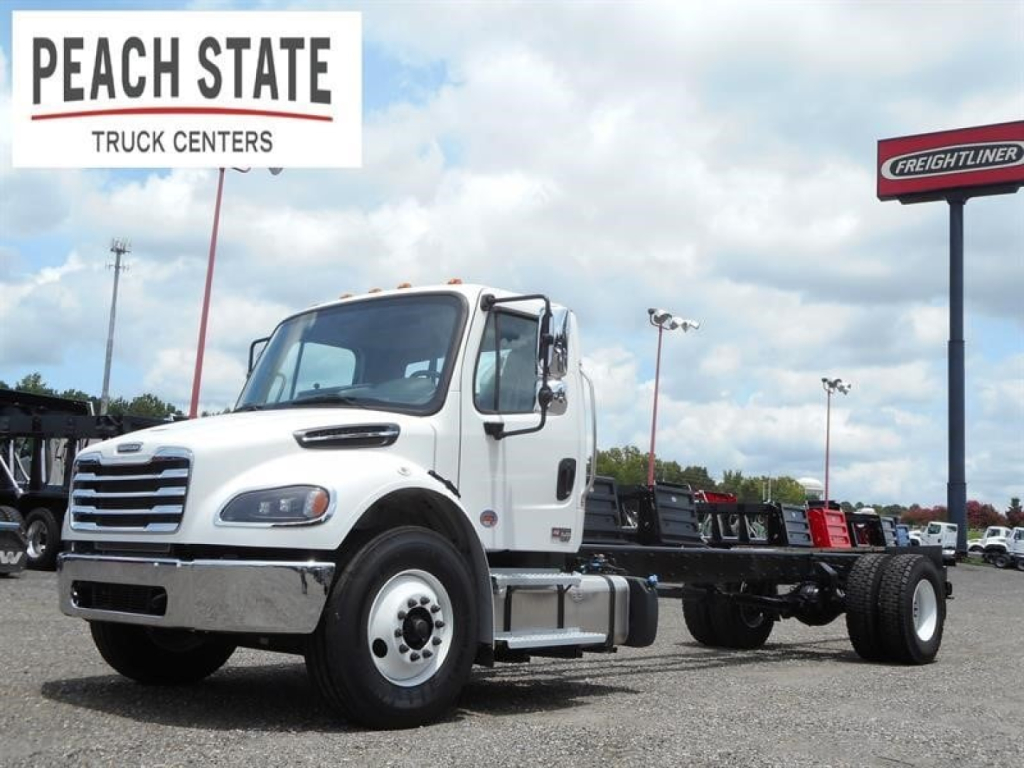
2027 Freightliner M2 106
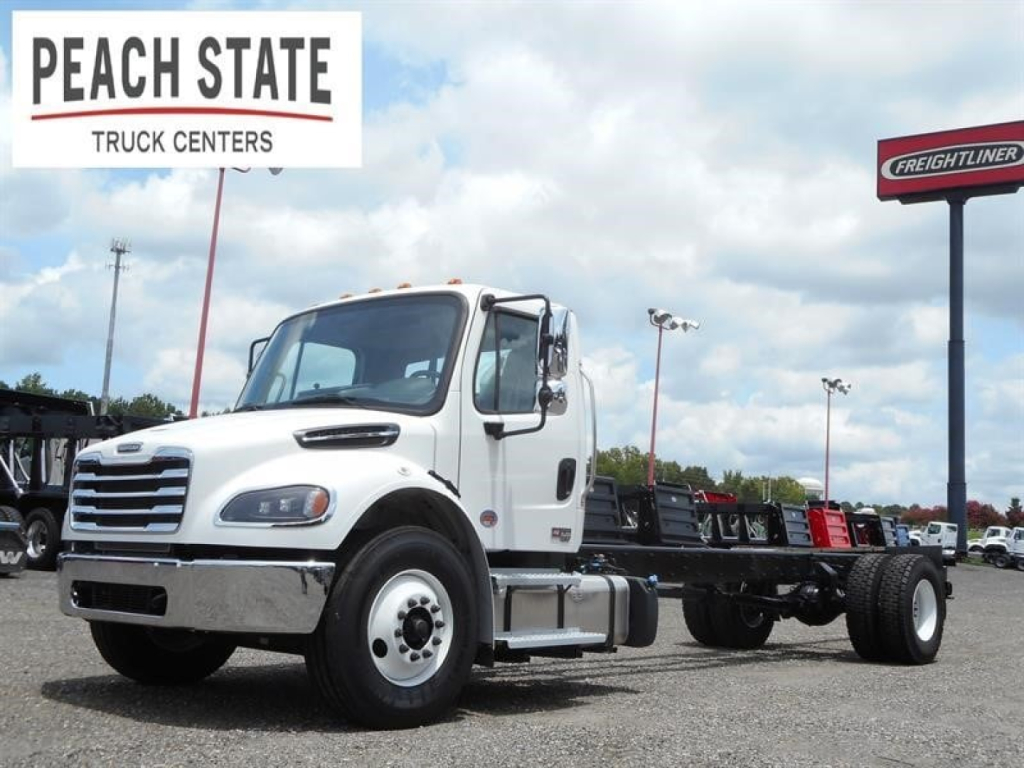
2027 Freightliner M2 106
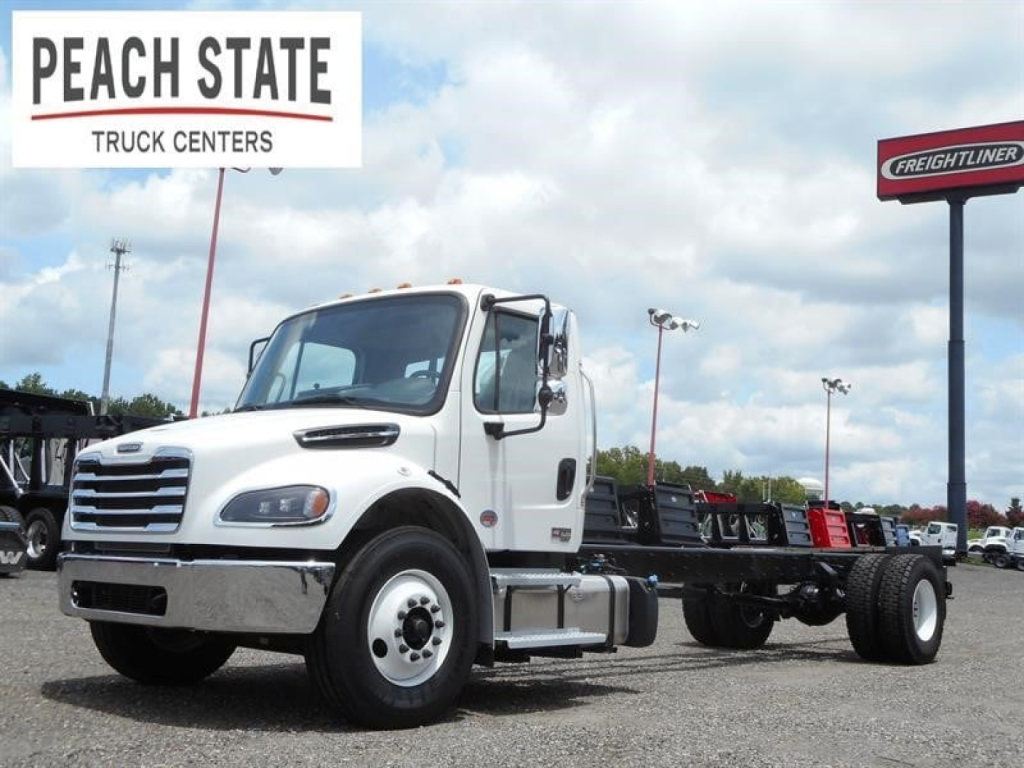
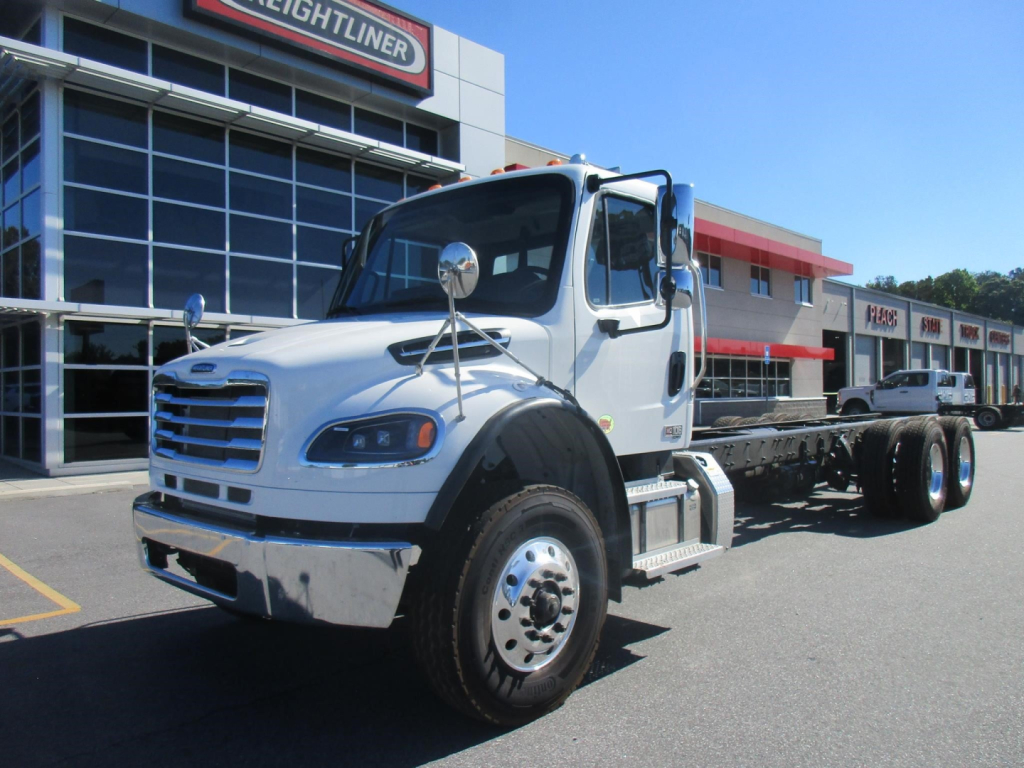
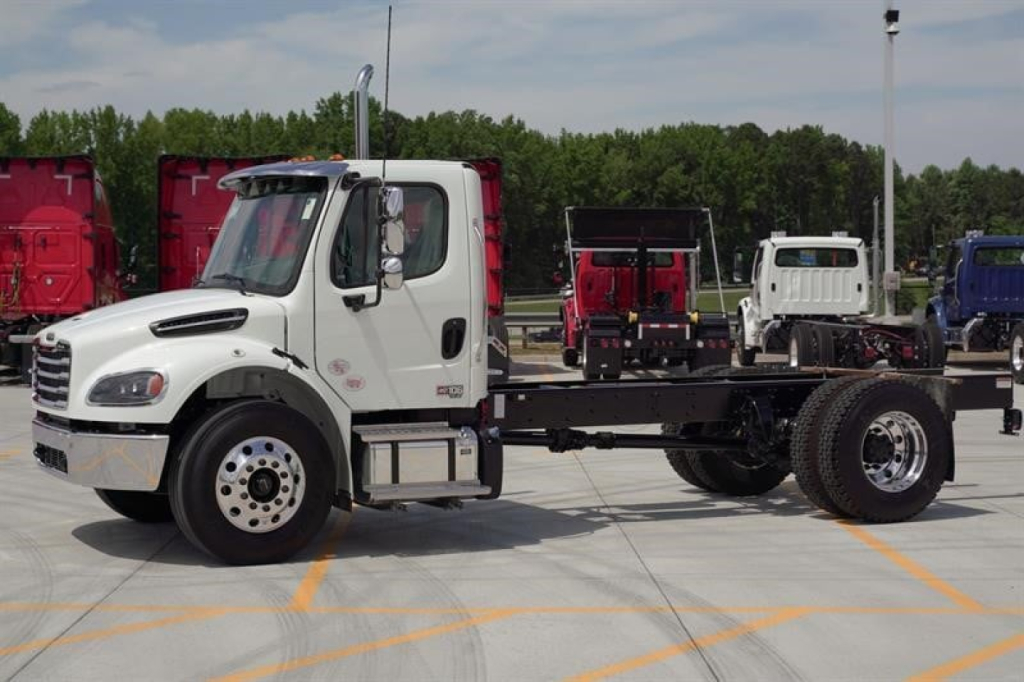
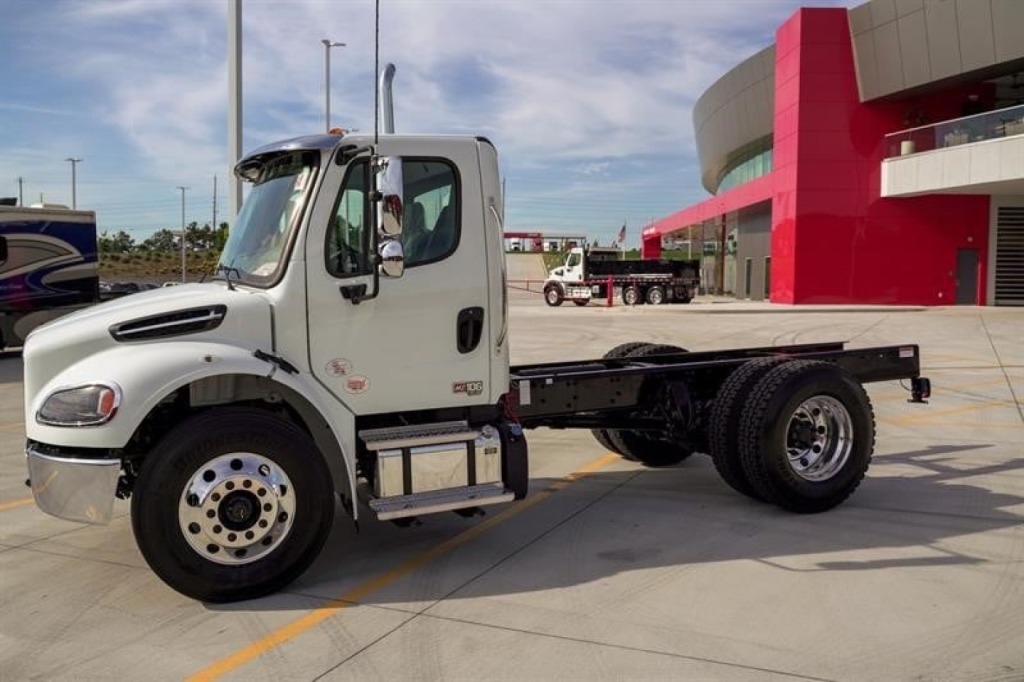
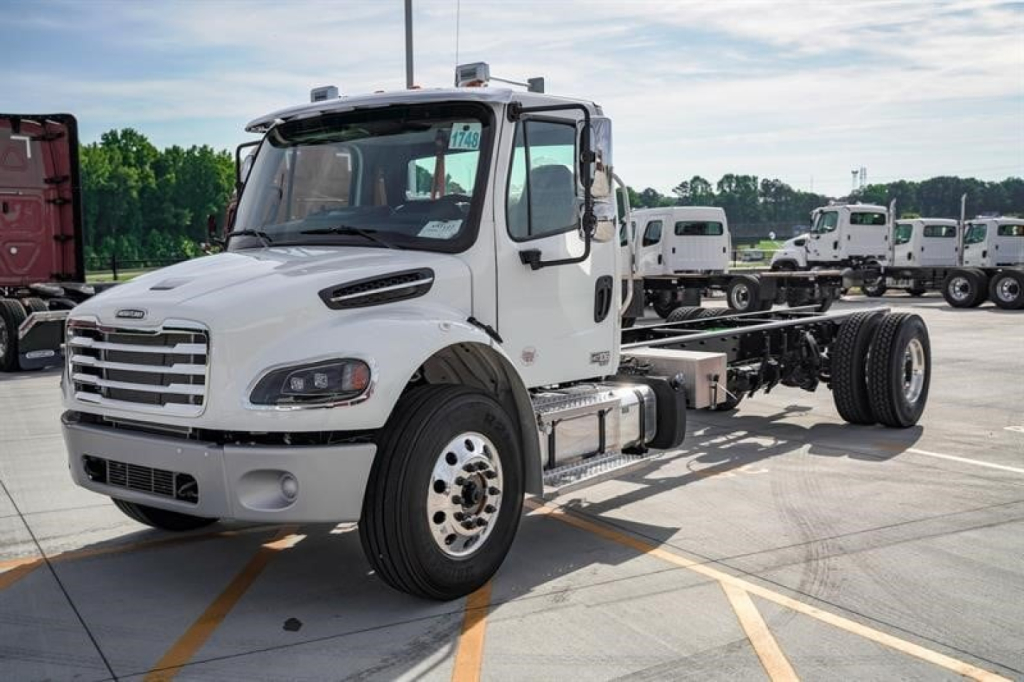
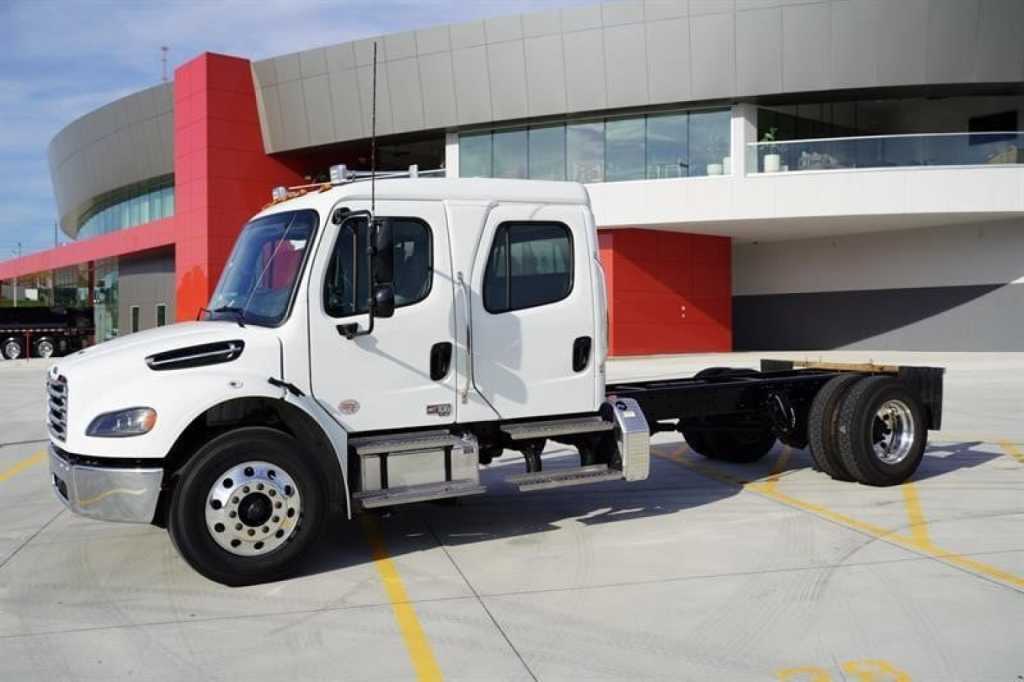
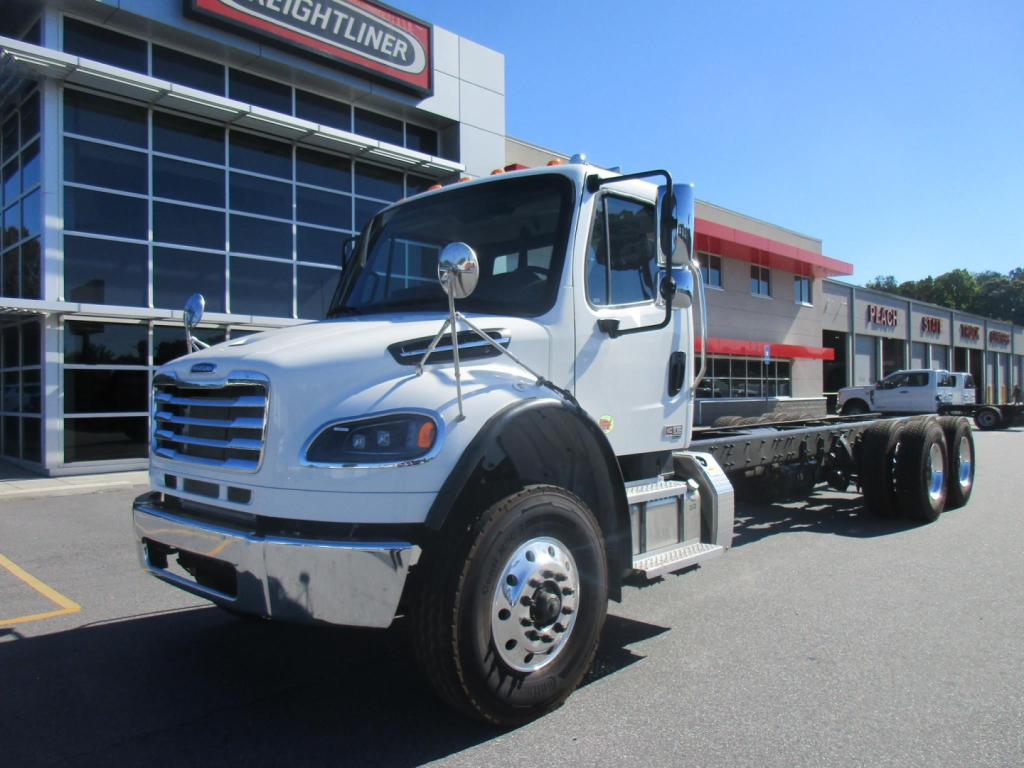
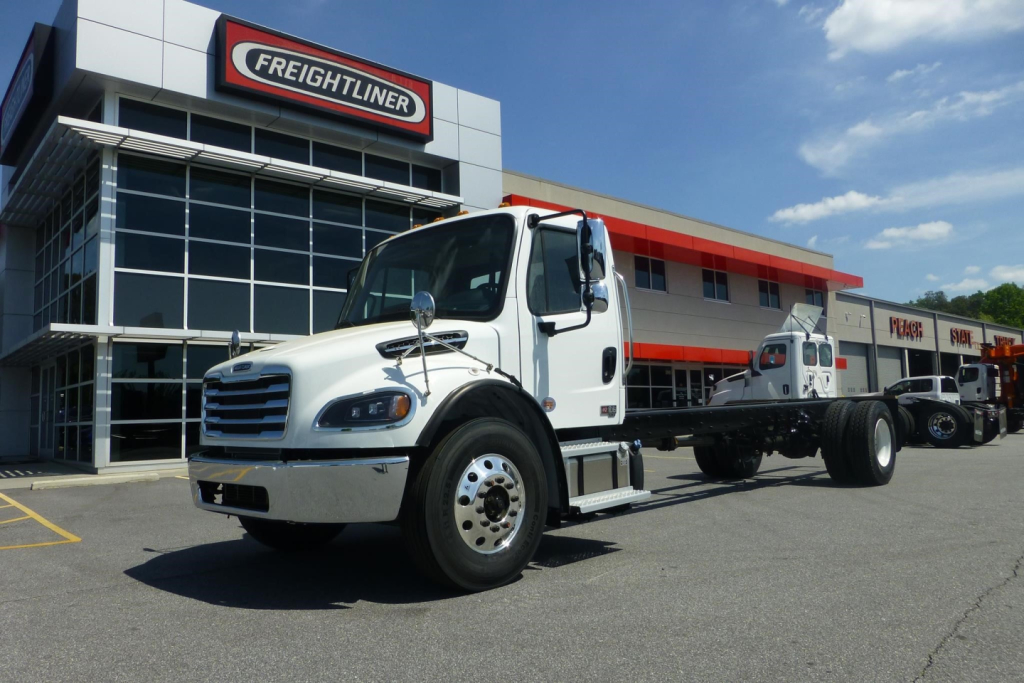
Selling a 2027 freightliner cab and chassis truck? List your 2027 freightliner cab and chassis truck for sale and reach thousands of commercial buyers.
2027 Freightliner Cab and Chassis Trucks
Freightliner cab and chassis trucks are typically ordered in medium-duty and severe-duty configurations depending on the job. Buyers often compare GVWR, front and rear axle capacities, single versus tandem rear axles, suspension type, and transmission choice first. Allison automatic transmissions are common in vocational and municipal work, while automated manuals or manual transmissions may still make sense in certain heavier applications. Engine choices usually focus on balancing torque, idle time, PTO operation, fuel economy, and emissions compliance. If the truck will carry a crane, hoist, compressor, pump, or hydraulic package, confirm the PTO provision, frame rail dimensions, and available space for tanks, toolboxes, battery boxes, and aftertreatment components.
Body fit is where the right cab and chassis earns its keep. Cab-to-axle and cab-to-end dimensions determine which body lengths fit without creating axle imbalance or clearance issues. A longer wheelbase can improve body fit and ride quality, but it also affects turning radius, bridge law considerations, and urban maneuverability. For dump and snow applications, look closely at front axle capacity, setback axle configuration, and frame reinforcement. For van body or flatbed work, pay attention to payload capacity, rear suspension, and fuel tank placement. Buyers running in regional or city service also tend to look at day cab layout, visibility, entry height, and service access since uptime matters as much as rated capacity.
Freightliner remains a strong fit for fleets and owner-operators because parts support, body-builder familiarity, and model variety are usually good across common vocational applications. When comparing listings, verify the exact model family, engine rating, transmission model, wheelbase, axle ratio, suspension, brake spec, and any factory body-builder provisions. A cab and chassis truck can look right in photos and still be wrong for the intended body if the frame, rear axle rating, or CA dimension is off. The best buy is the truck that matches the upfit requirements on paper before it ever goes to the body shop.
Frequently Asked Questions about 2027 Freightliner Cab and Chassis Trucks
What is a Freightliner cab and chassis truck used for?
A Freightliner cab and chassis truck is a body-ready platform designed to receive a vocational upfit. Common uses include flatbeds, dump bodies, box trucks, utility bodies, rollback tow bodies, hooklifts, service trucks, and municipal equipment. The truck is sold as a cab with frame rails and running gear, which gives the buyer flexibility to match the chassis to a specific body and payload requirement.
What specs matter most when buying a cab and chassis truck?
The most important specs are usually GVWR, front and rear axle ratings, wheelbase, cab-to-axle dimension, frame rail section, suspension type, engine torque, transmission type, and PTO capability. Those numbers determine body compatibility, payload capacity, turning radius, and how well the truck performs in its intended duty cycle. Buyers should also confirm brake type, axle ratio, and fuel tank placement because those details affect both operation and body installation.
How do I know what body length will fit a 2027 Freightliner cab and chassis?
Body length fit starts with the cab-to-axle and cab-to-end measurements, then needs to be checked against axle placement, desired overhang, and body manufacturer requirements. A chassis can have enough overall frame length but still be a poor fit if the axle location creates load balance problems. The safest approach is to match the body builder's required CA dimension and weight distribution targets to the exact truck spec before purchase.
Should I choose a single-axle or tandem-axle Freightliner cab and chassis?
A single-axle chassis usually makes sense for lighter payloads, tighter routes, and lower operating cost. A tandem-axle chassis is better suited for heavier bodies, higher legal payload, and severe-duty applications such as dump, heavy equipment hauling, or certain municipal jobs. The right choice depends on gross weight targets, local bridge and axle laws, body type, and how much traction and durability the application demands.
Why is PTO compatibility important on a cab and chassis truck?
PTO compatibility matters because many vocational bodies rely on hydraulic or mechanical power from the truck to run pumps, winches, compressors, hoists, and other equipment. Not every engine and transmission configuration supports the same PTO options, duty cycles, or operating speeds. Buyers should verify the transmission PTO openings, engine programming, and available chassis space for hydraulic components before committing to a truck for a PTO-driven application.