
2027 Cab and Chassis Trucks For Sale in Georgia
Shop 2027 cab and chassis trucks in Georgia. Compare GVWR, wheelbase, engine, axle ratings, and body upfit options for work-ready builds.
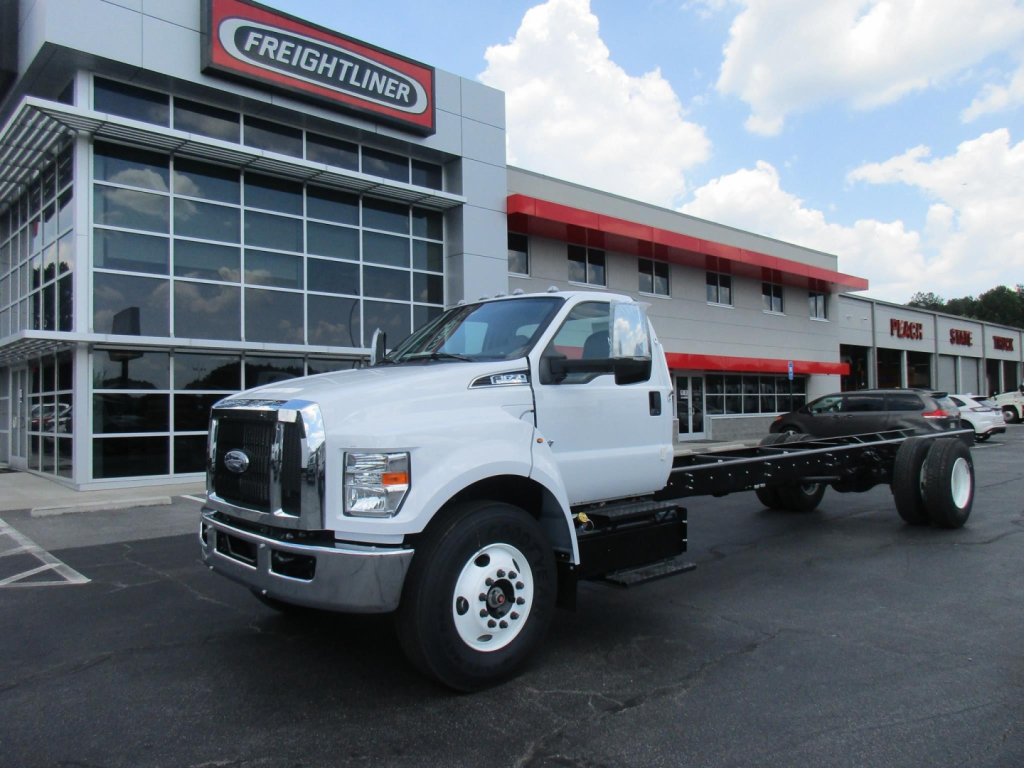
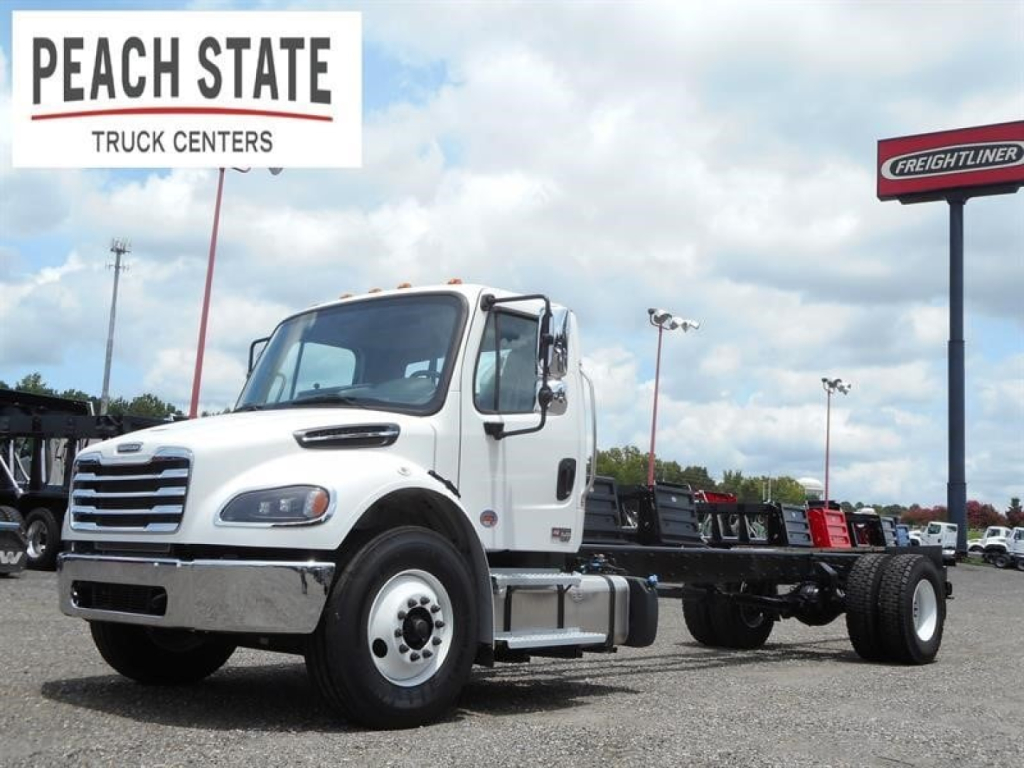
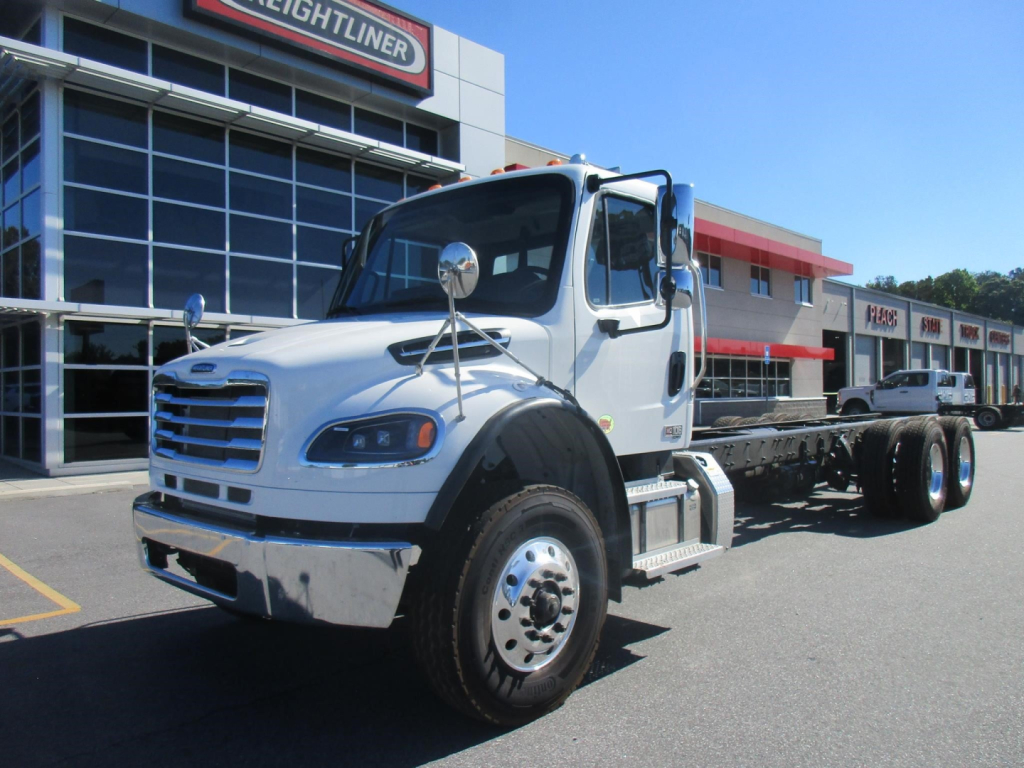
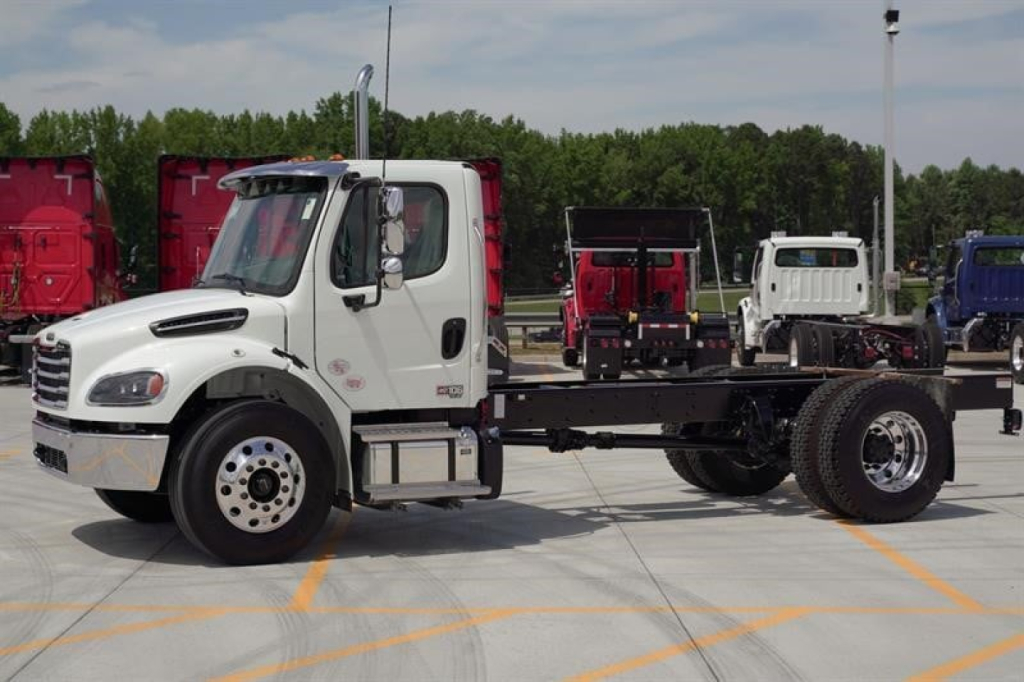
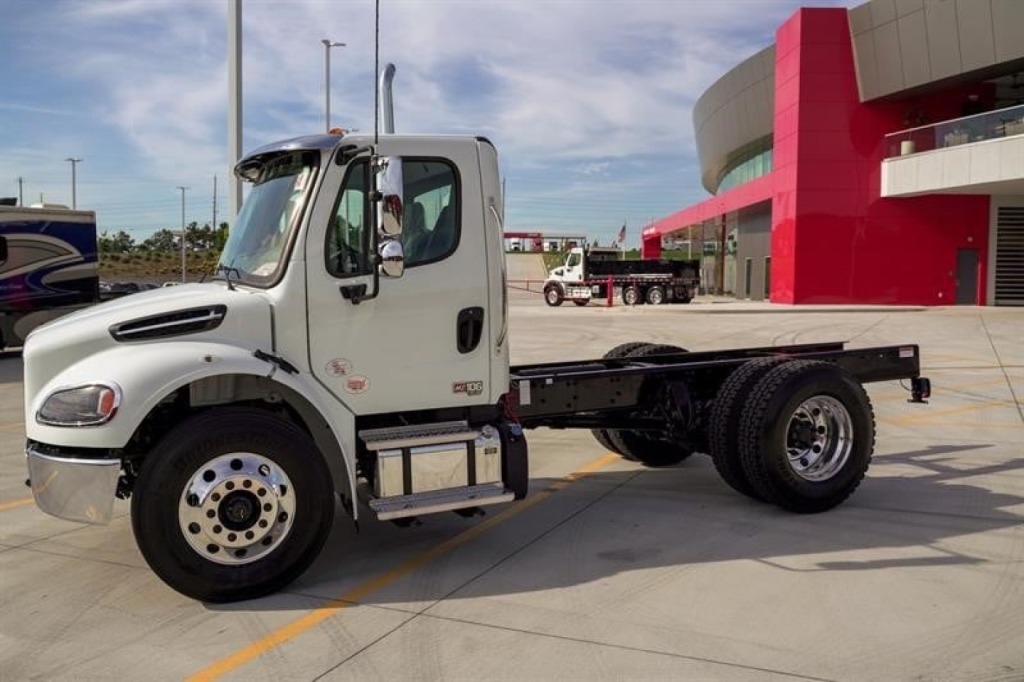
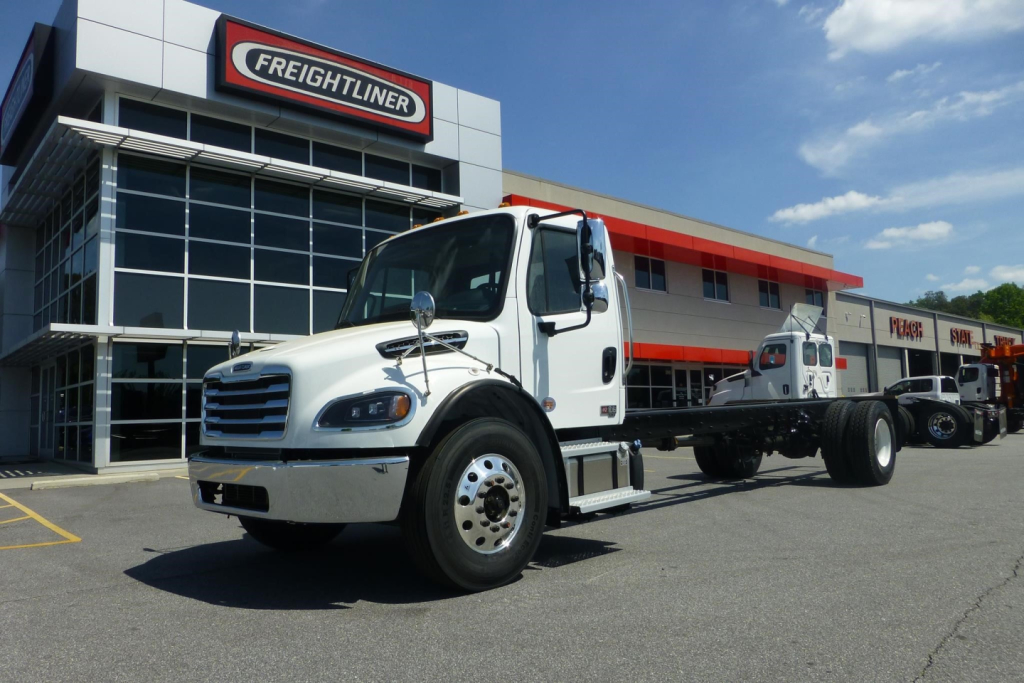
2027 Freightliner M2 106
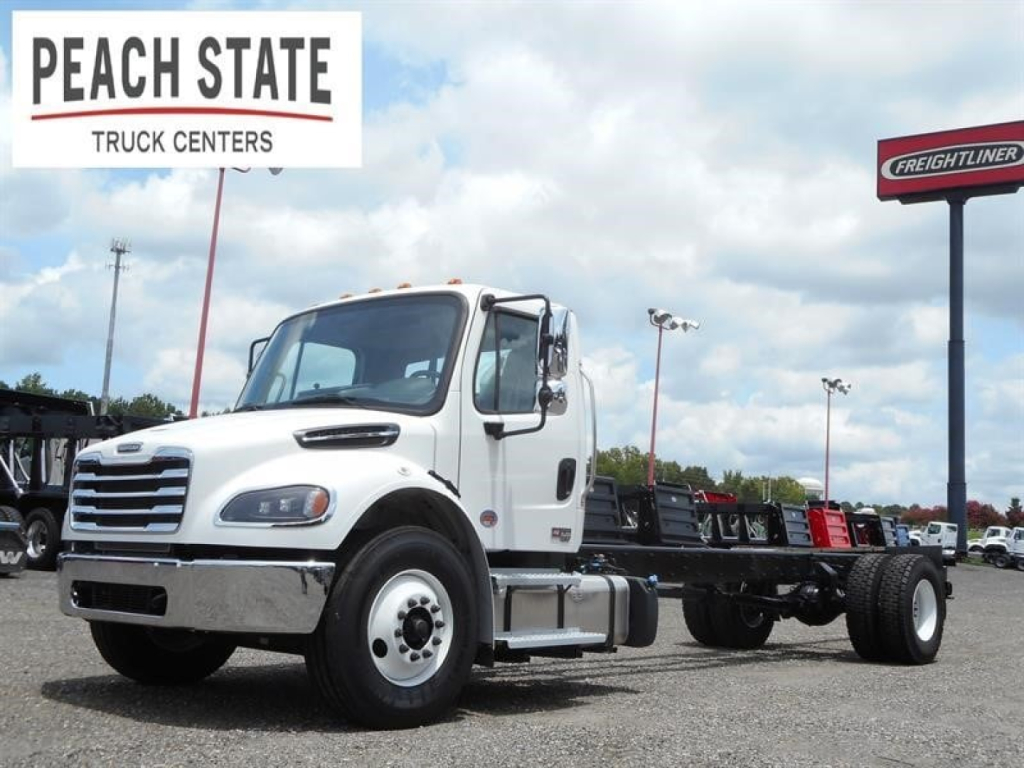
2027 Freightliner M2 106
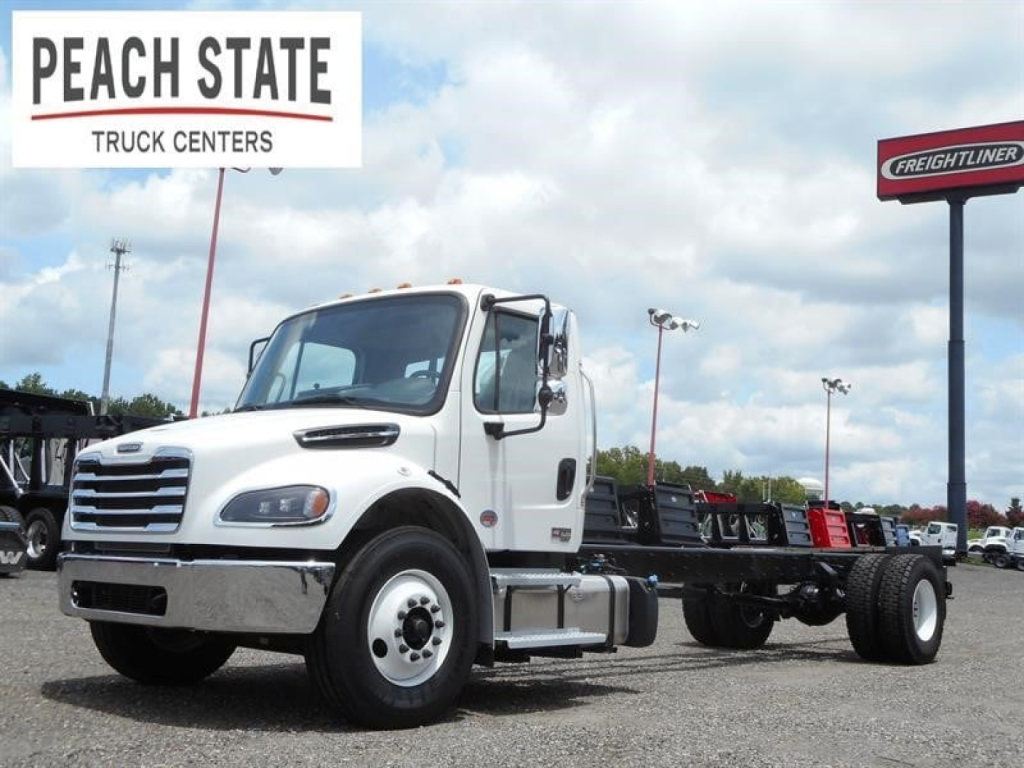
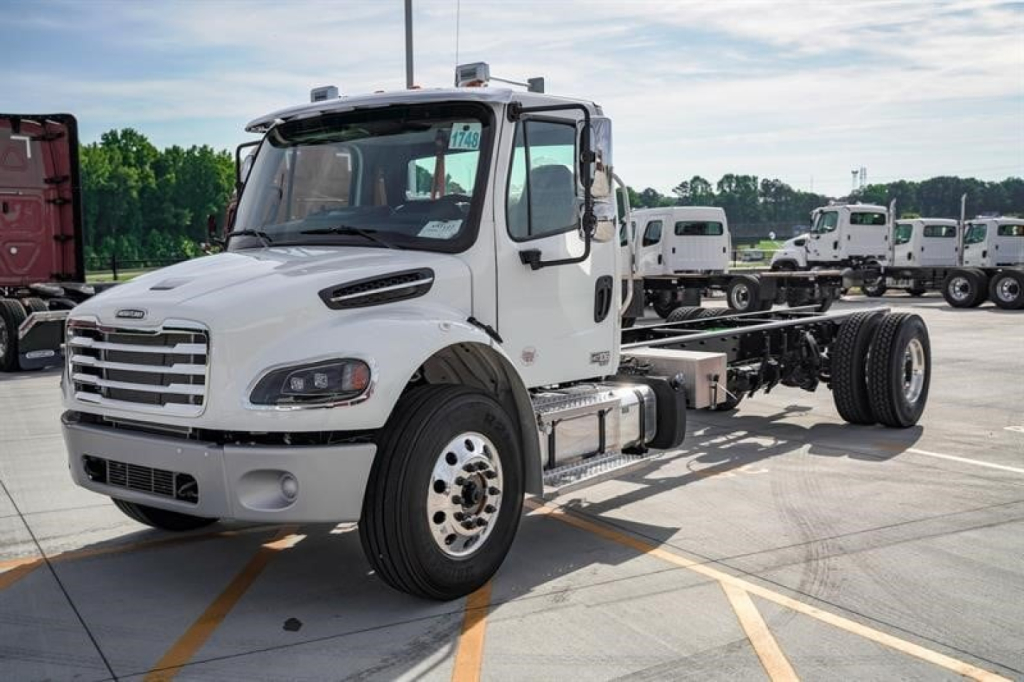
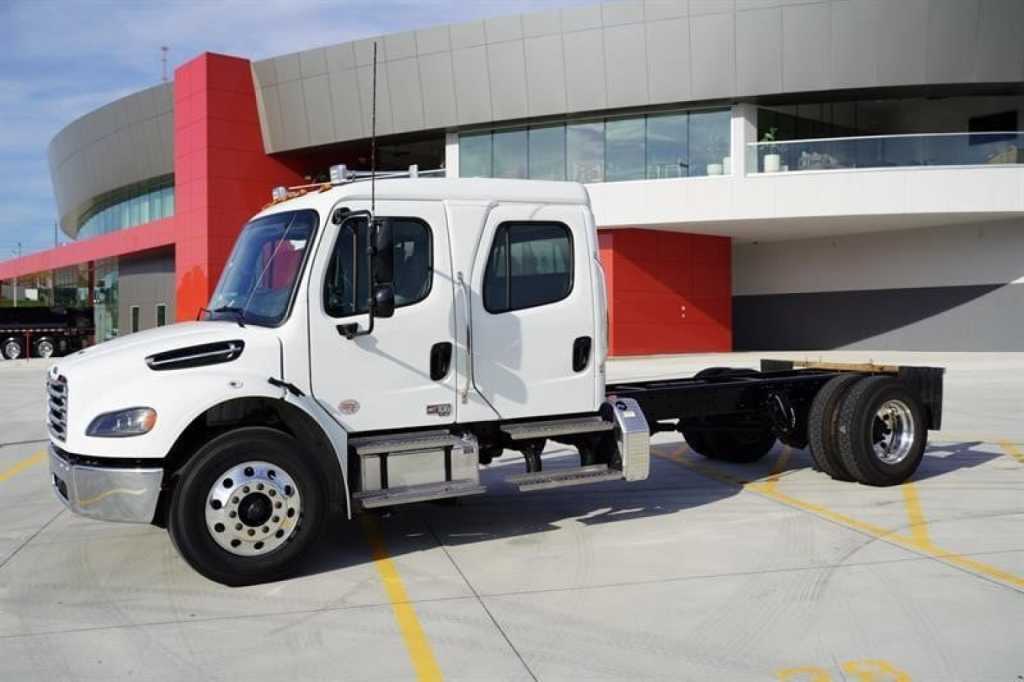
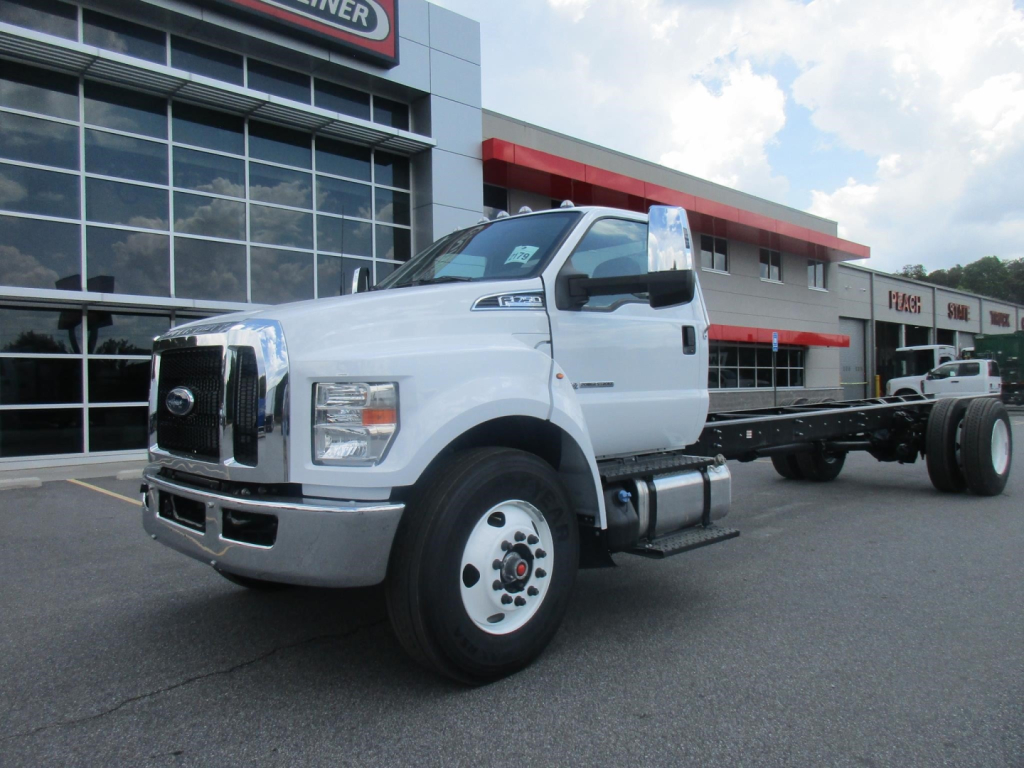
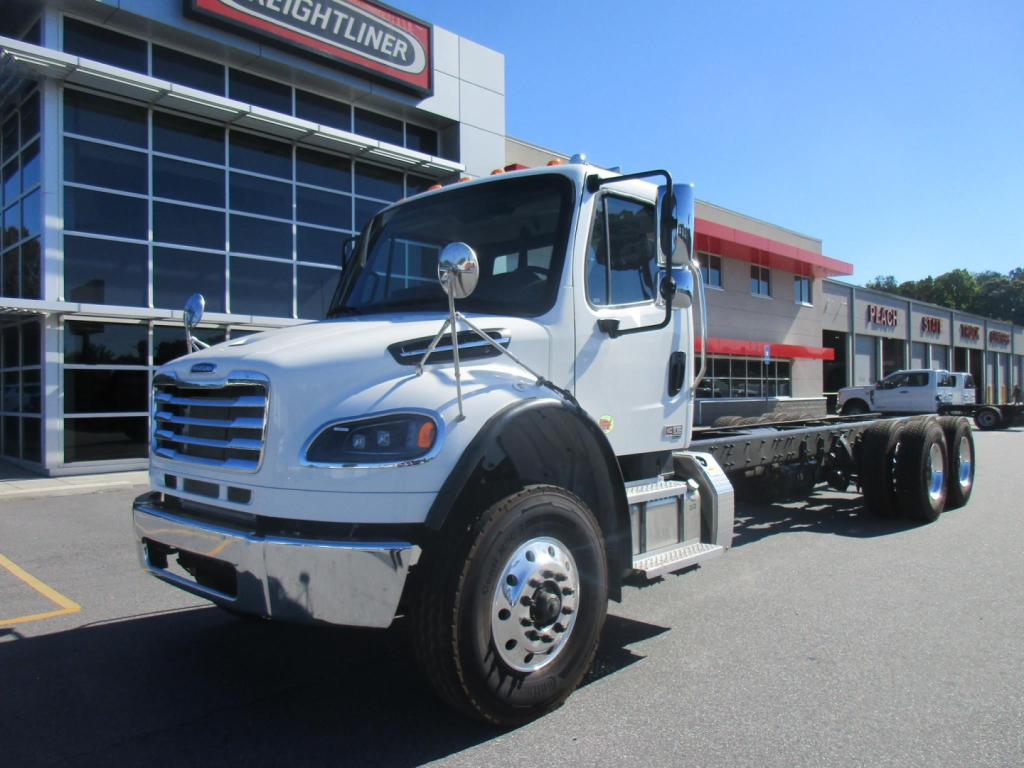
Selling a 2027 cab and chassis truck? List your 2027 cab and chassis truck for sale and reach thousands of commercial buyers.
2027 Cab and Chassis Trucks in Georgia
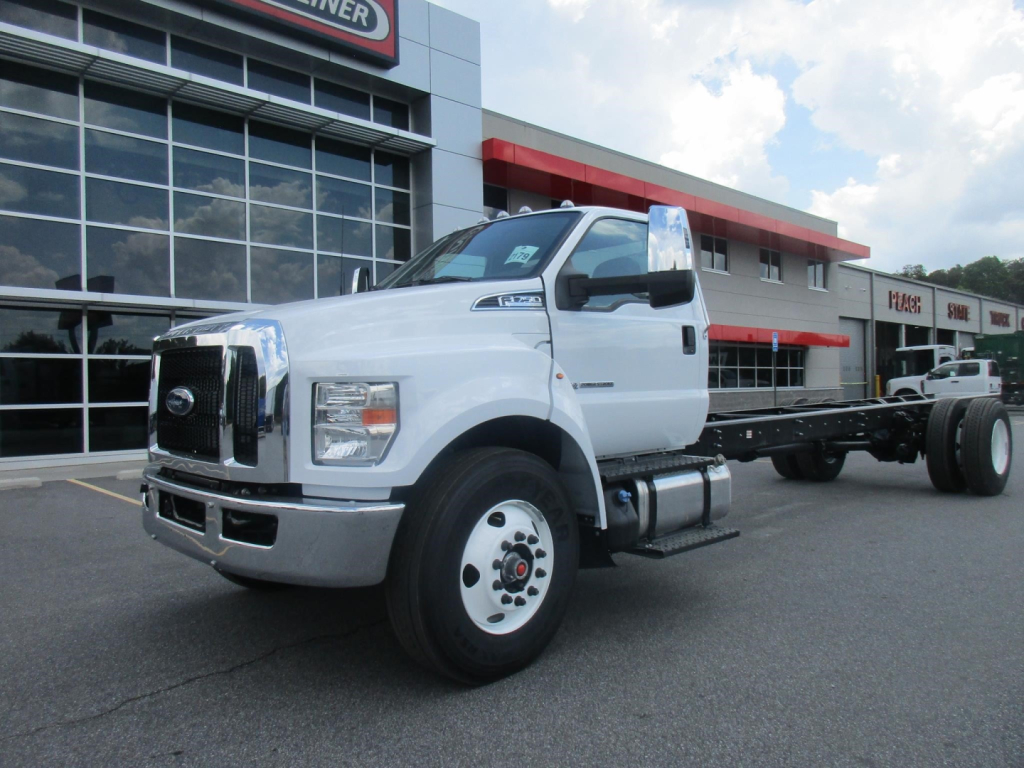
The first decision is usually class, GVWR, and wheelbase. Lighter cab and chassis models such as Ford F-350 and F-450 units are common for 8 to 12 foot bodies, especially when maneuverability and CDL considerations matter. Medium-duty platforms like the Freightliner M2 106 Plus move into heavier payloads, larger body lengths, stronger front axle ratings, and more PTO-driven vocational equipment. Buyers should match wheelbase and cab-to-axle dimensions to the intended body length, then confirm axle capacity, frame section modulus, and rear suspension spec so the finished truck carries the load legally and with the right weight distribution.
Powertrain choice depends on duty cycle more than brand loyalty. Gas engines can make sense for lighter local fleets with lower upfront cost and simpler maintenance, while diesel power is still preferred for higher mileage, towing, hydraulic applications, and heavier upfits. Transmission calibration, rear axle ratio, and PTO provisions all affect how useful the truck will be once a body is installed. In stop-and-go Georgia service, visibility, turning radius, brake type, and driver-assist features also deserve attention, especially for crews operating in traffic, on mixed urban and rural routes, or around jobsite access roads.
A smart cab and chassis purchase is really an upfit planning exercise. Check the truck's frame length, clear back-of-cab measurement, fuel tank placement, exhaust routing, and electrical provisions before committing to a body. Buyers should also confirm if the chassis is prepped for trailer brake controls, auxiliary switches, backup camera integration, and body-builder wiring. When the spec is right, a cab and chassis truck gives you a cleaner final build, fewer installation compromises, and a work platform that fits the application instead of forcing the application to fit the truck.
Frequently Asked Questions about 2027 Cab and Chassis Trucks in Georgia
What is a cab and chassis truck used for?
A cab and chassis truck is used as a base vehicle for installing a vocational body. Common uses include flatbeds, dump bodies, service bodies, utility bodies, box vans, stake beds, and specialty municipal or contractor equipment. The open frame allows the buyer or upfitter to match the truck to a specific payload, storage, towing, or hydraulic requirement.
How do I choose the right wheelbase for a cab and chassis truck?
Wheelbase should be selected based on the body length, desired weight distribution, and turning needs. A shorter wheelbase improves maneuverability but limits body size, while a longer wheelbase supports larger bodies and can improve ride quality under load. Buyers should verify cab-to-axle and cab-to-end-of-frame dimensions with the body manufacturer before purchase so the upfit fits correctly without frame modifications.
Is diesel or gas better for a cab and chassis truck?
Diesel is usually better for heavier payloads, towing, PTO use, and higher annual miles because it delivers stronger low-end torque and long-duty-cycle durability. Gas engines can be a good fit for lighter local service, lower acquisition cost, and fleets that want to avoid diesel emissions system complexity. The better choice depends on route length, idle time, payload, and the type of body equipment being powered.
What specs matter most when buying a cab and chassis truck?
The most important specs are GVWR, front and rear axle ratings, wheelbase, cab-to-axle measurement, engine and transmission pairing, rear axle ratio, and frame strength. Buyers should also check suspension type, brake system, PTO capability, and body-builder electrical connections. These details determine what kind of body can be installed, how much payload the truck can carry, and how well it performs in the intended job.
Why do buyers in Georgia often choose cab and chassis trucks?
Georgia fleets often need versatile trucks that can handle urban delivery, utility service, construction support, agriculture, and municipal work across different terrain and route types. A cab and chassis platform lets the buyer build for the exact application instead of accepting a one-size-fits-most body. That flexibility is valuable for businesses that need to control upfit cost, payload capacity, and long-term serviceability.