
Ford Commercial Trucks For Sale in New Jersey
Browse Ford trucks for sale in New Jersey, including Super Duty, Econoline cutaway, dump, tow, box, and service truck configurations.
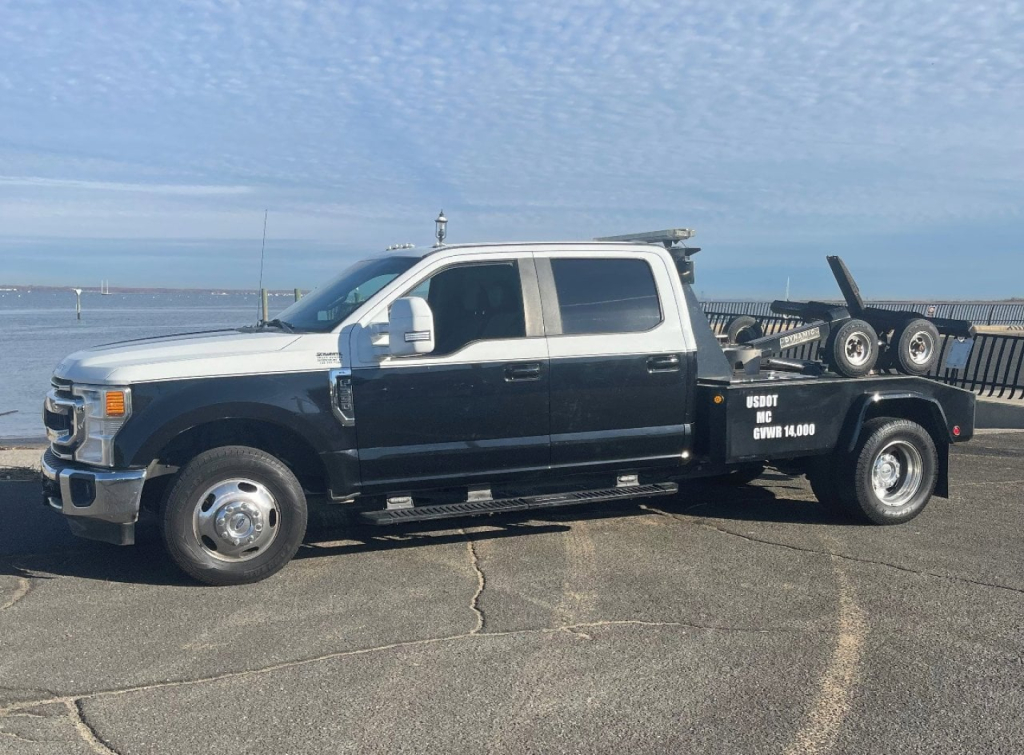
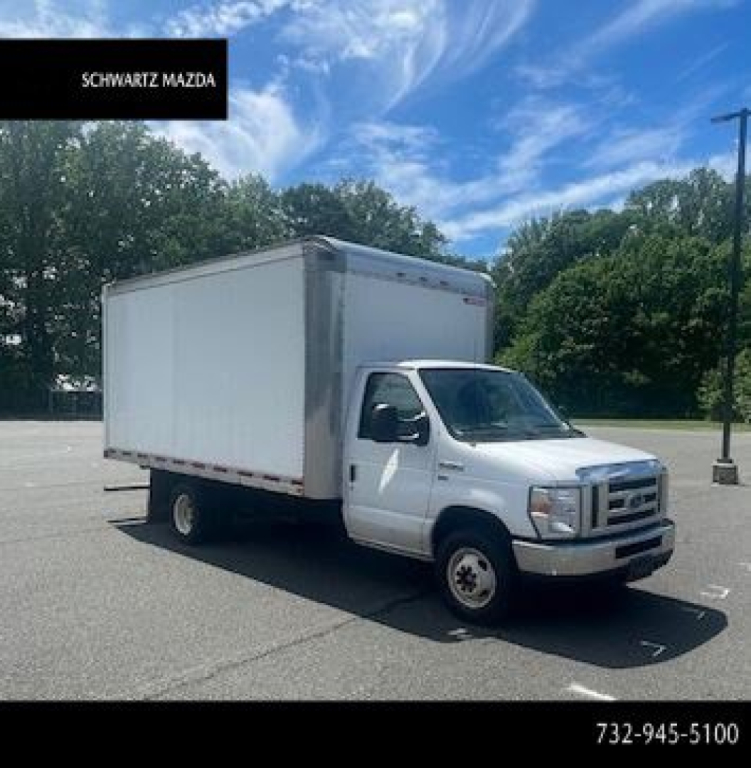
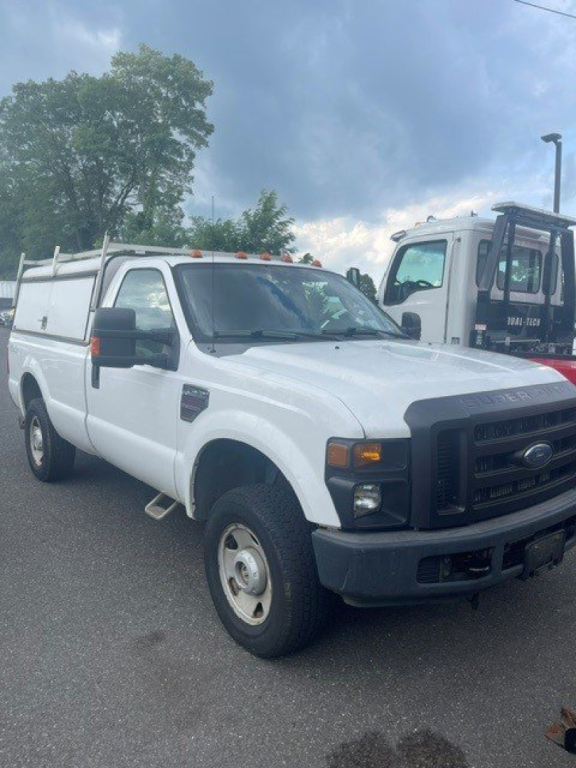
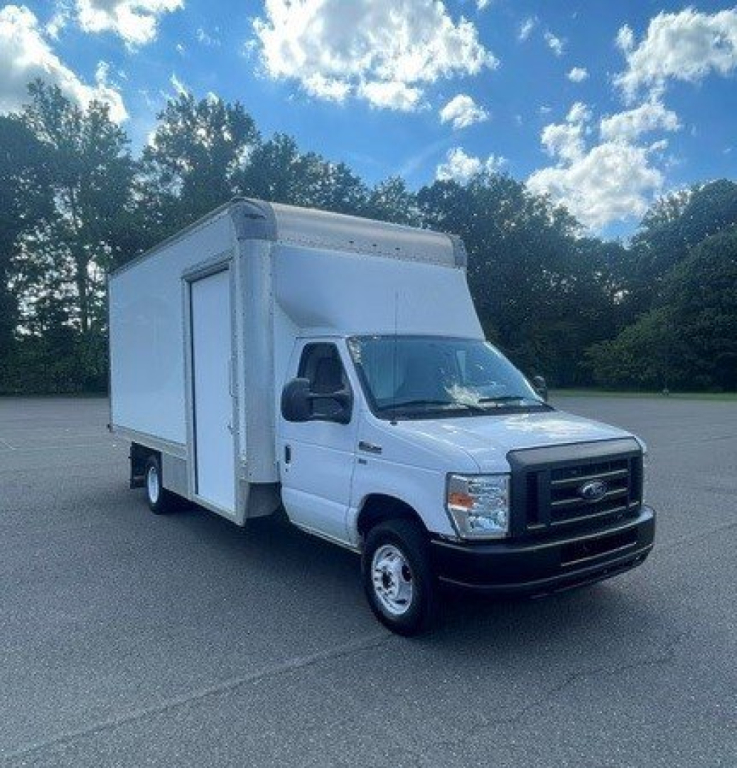
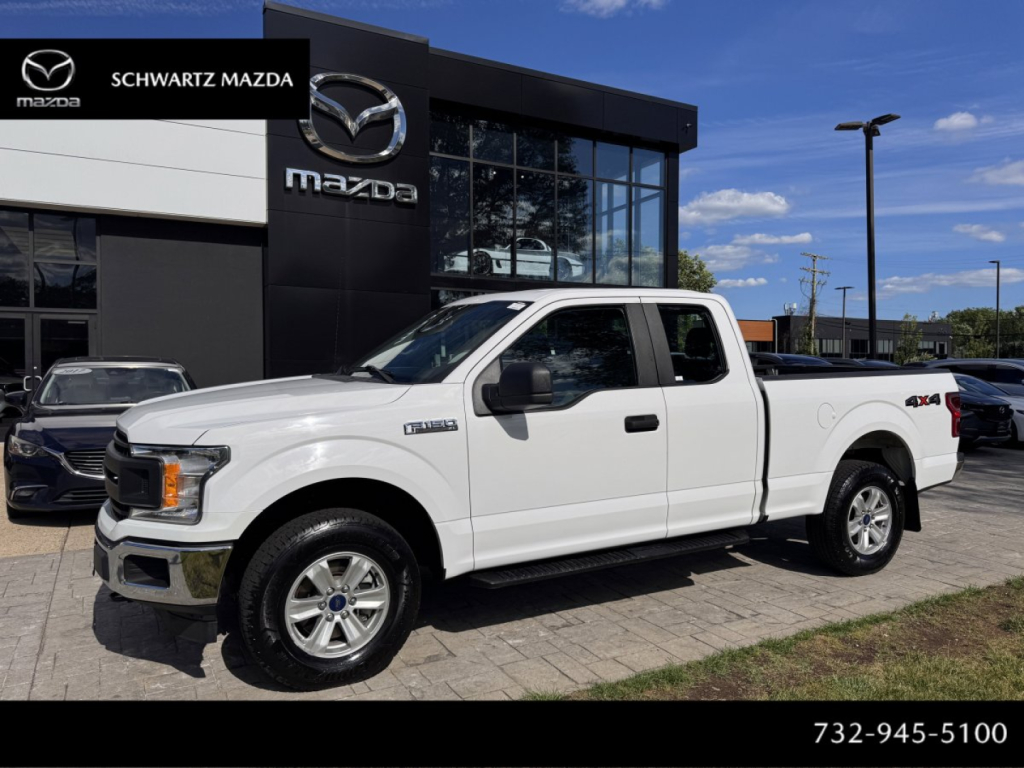
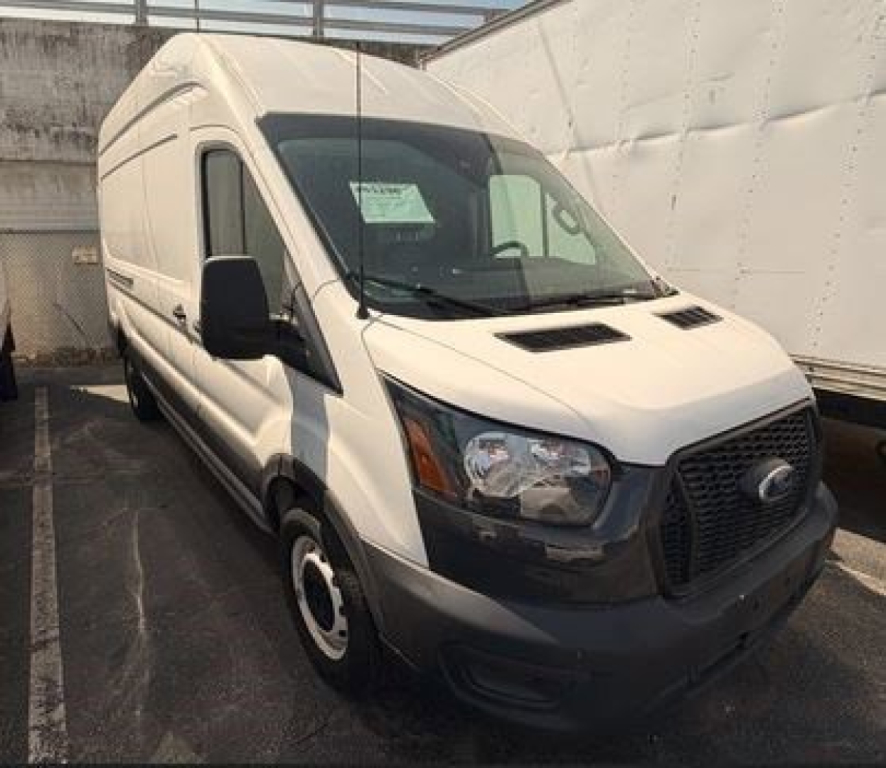
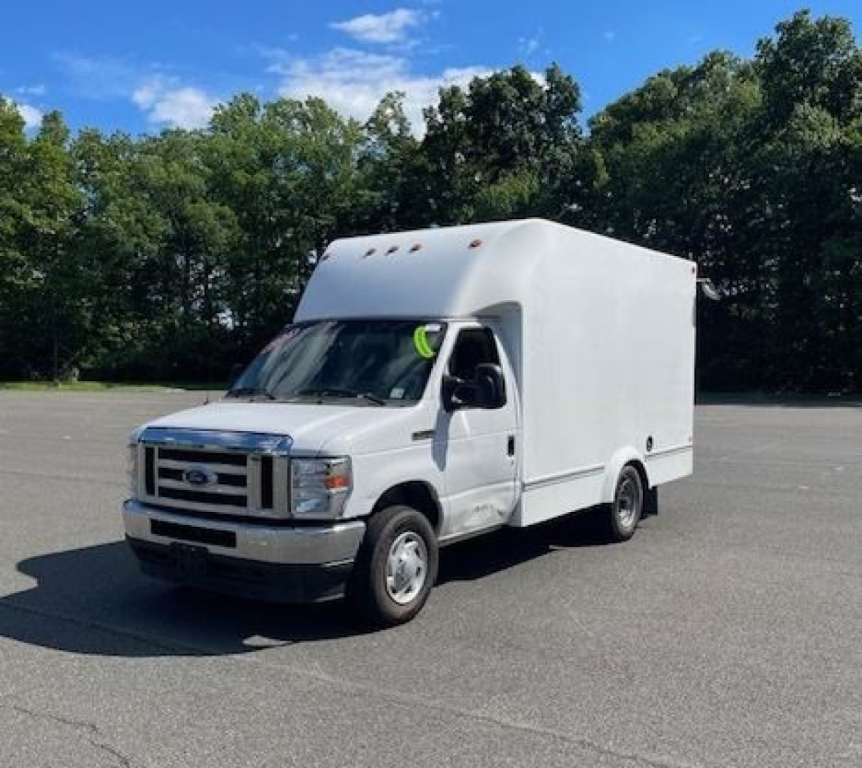
Selling a ford commercial truck? List your ford commercial truck for sale and reach thousands of commercial buyers.
Ford Commercial Trucks in New Jersey
The most important buying decision is matching the truck’s chassis rating, wheel setup, and powertrain to the job. Ford commercial trucks in this class are commonly found with gasoline V8 engines and automatic transmissions, especially in municipal, contractor, and local-delivery service. On Super Duty platforms, dual rear wheel setups are common when extra payload stability is needed for towing equipment, service bodies, or heavier body packages. On cutaway and box truck applications, buyers should pay attention to body length, rear axle ratio, door opening height, and whether the truck has a pass-through, liftgate, or interior shelving. For dump and plow-related work in New Jersey, frame condition, corrosion exposure, hydraulic function, and front axle capacity deserve close inspection because salt use can shorten service life.
Body type usually matters more than trim level on used Ford work trucks. A wrecker or self-loader needs the right boom or wheel-lift capacity, PTO or hydraulic performance, and a chassis that remains stable under recovery loads. A service or utility truck should be evaluated by compartment layout, material thickness, drawer condition, inverter or compressor setup, and any ladder rack or crane preparation. A dump truck should be checked for hoist condition, floor and sidewall wear, scissor or telescopic lift design, and whether the body dimensions match the material being hauled. For box truck buyers, the body construction matters just as much as the cab. Fiberglass versus aluminum, roll-up versus swing doors, and dock-height compatibility all affect daily use.
Ford remains a practical option in this segment because parts availability, technician familiarity, and body-builder compatibility are generally strong. That matters for buyers running regional routes, contractor fleets, or mixed-use operations that need fast turnaround on repairs. In New Jersey, many used Ford trucks have seen stop-and-go duty, short-haul cycles, winter weather, and vocational use, so maintenance history and underbody condition should weigh heavily in the purchase decision. A good Ford commercial truck is usually defined less by badge appeal and more by the right GVWR, wheelbase, body configuration, and evidence that the truck was spec'd for the work it is still expected to do.
Frequently Asked Questions about Ford Commercial Trucks in New Jersey
What are the most common Ford commercial truck models buyers look for in New Jersey?
Ford Super Duty models such as the F-350 and F-450 are among the most common commercial trucks in this market, especially for tow, utility, dump, and contractor applications. E-Series and Econoline cutaway models are also common for box trucks, delivery bodies, and specialty upfits. The right model usually depends on body style, payload needs, and whether the truck will spend most of its time in local service, jobsite work, or municipal duty.
Is a Ford F-350 or F-450 better for commercial body upfits?
An F-350 is often a good fit for lighter service bodies, small wreckers, and moderate payload applications, especially when maneuverability matters. An F-450 generally makes more sense when the body is heavier, the truck will tow regularly, or greater front axle and rear suspension capacity are needed. Buyers should compare GVWR, rear axle rating, wheelbase, dual rear wheel configuration, and the installed body weight before deciding between the two.
What should I inspect on a used Ford dump or plow truck in New Jersey?
Rust and corrosion should be at the top of the list, especially on the frame, cab corners, brake lines, bed mounts, spreader connections, and hydraulic components. Buyers should also verify dump hoist operation, PTO engagement if equipped, front suspension wear, steering play, and signs of hard winter service. On trucks used for salting or snow work, underbody condition often tells more than paint quality or interior appearance.
Are gasoline Ford work trucks a good choice for local commercial use?
Gasoline Ford work trucks can be a strong fit for local routes, municipal fleets, and contractor use where lower annual mileage, simpler emissions equipment, and easier cold-weather operation are priorities. They are common on older Super Duty and cutaway chassis used for utility, towing, and box applications. The tradeoff is usually lower torque and sometimes higher fuel consumption compared with diesel, so buyers should match the engine choice to route length, load weight, and duty cycle.
What matters most when buying a used Ford box or cutaway truck?
Body condition, chassis rating, and service history matter more than cosmetic trim. Buyers should confirm the box dimensions, door type, floor condition, roof integrity, and whether the truck has a liftgate or pass-through based on the intended use. On the chassis side, wheelbase, GVWR, rear axle ratio, tire condition, and brake wear all affect how well the truck will perform in delivery or route service.