
Ford Cab and Chassis Trucks For Sale in New Jersey
Shop Ford cab and chassis trucks for sale in New Jersey. Compare E-Series and other Ford commercial chassis by GVWR, wheelbase, engine, and upfit use.
Have ford cab and chassis truck to sell? List it here to reach thousands of buyers.
Ford Cab and Chassis Trucks in New Jersey
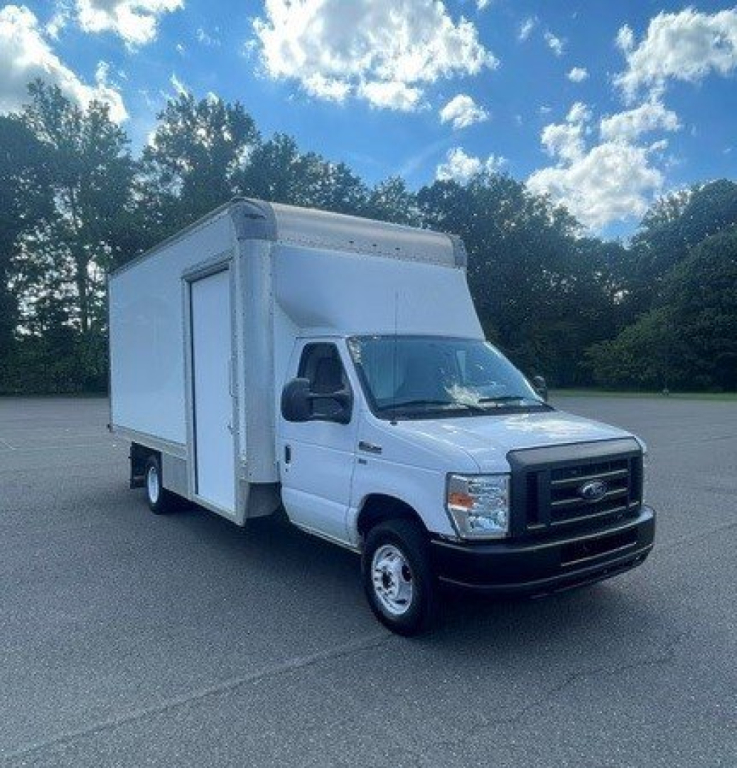
A lot of buyers start with the Ford E-Series Cutaway because it remains a proven commercial platform for delivery, passenger, and vocational upfits. Gas V8 power, including the 7.3L V8 on newer models, is a common draw for fleets that want straightforward maintenance and lower acquisition cost than diesel in lighter-duty use. Key checks include rear axle ratio, wheelbase, frame length, payload after upfit, and whether the chassis has dual rear wheels for the body and load you need to carry. If the truck already has a completed body, confirm door opening dimensions, interior height, liftgate capacity, and any PTO or auxiliary electrical provisions if the application depends on them.
Ford cab and chassis buyers should also pay attention to how the truck will live day to day. Tight municipal streets, shore-area delivery work, and stop-and-go service routes favor a chassis with manageable overall length, good turning radius, and a body spec that does not waste payload. For contractors and service fleets, frame-mounted toolboxes, ladder racks, inverter setups, and trailer towing capacity often matter more than peak horsepower. If the unit is a cutaway, inspect body-to-chassis integration, rear HVAC if passenger use is involved, and signs of hard commercial use around the bulkhead, flooring, suspension, and brake system.
A smart comparison between Ford cab and chassis trucks goes beyond year and mileage. Check the actual completed vehicle weight against the chassis rating, verify any upfitter modifications, and look closely at maintenance records for brakes, tires, steering components, and transmission service. On used commercial Ford chassis, rust condition is especially important in a Northeast market, so pay attention to frame rails, crossmembers, fuel and brake lines, spring hangers, and body mounts. A well-matched Ford cab and chassis can be a very efficient platform when the wheelbase, axle ratio, and upfit are aligned with the work instead of simply meeting a price point.
Frequently Asked Questions about Ford Cab and Chassis Trucks in New Jersey
What is a Ford cab and chassis truck used for?
A Ford cab and chassis truck is a commercial chassis delivered without a finished cargo body so it can be upfitted for a specific task. Common uses include box truck bodies, utility and service bodies, stake beds, dump bodies, shuttle bus bodies, refrigerated bodies, and cutaway van applications. The value of this format is that the wheelbase, frame, and GVWR can be matched to the job instead of adapting a fixed-body truck.
What should I check when buying a used Ford E-Series Cutaway or cab and chassis?
Start with the basics that affect body compatibility and legal payload: GVWR, wheelbase, rear axle ratio, and dual rear wheel configuration. Then inspect frame condition, suspension wear, brakes, tires, steering play, transmission service history, and signs of overloading. On a completed cutaway or body-upfitted truck, verify the body installation quality, wiring integrity, liftgate or auxiliary equipment operation, and any corrosion on frame rails, crossmembers, and mounting points.
Is a gas Ford cab and chassis a good choice for commercial use?
For many light and medium-duty applications, yes. Ford gas V8 chassis are popular with fleets that want lower upfront cost, simpler emissions systems, and easier service support than diesel for local routes. They are especially common in delivery, shuttle, contractor, and service applications where the truck sees frequent stops, moderate annual mileage, and predictable load demands. The right answer still depends on payload, terrain, route length, and how much idling or towing the truck will do.
How do I choose the right wheelbase on a Ford cab and chassis?
Wheelbase should be selected based on the finished body length, weight distribution, and the turning space your route allows. A wheelbase that is too short can limit body options and create poor load balance, while one that is too long can make urban maneuvering harder and add unnecessary weight. Buyers should confirm the body manufacturer’s required cab-to-axle and frame dimensions before committing to a chassis, especially for box, service, reefer, or passenger upfits.
Why does rust inspection matter so much on cab and chassis trucks in New Jersey?
Cab and chassis trucks often work year-round and are exposed to road salt, moisture, and heavy payload stress, which can accelerate corrosion in the Northeast. Rust on frame rails, brake lines, fuel lines, spring mounts, and body attachment points can affect safety, inspection readiness, and upfit longevity. A clean-looking body does not guarantee a clean chassis, so buyers should inspect underneath carefully and account for corrosion repair costs before making a decision.