
Ford Box Trucks For Sale in New Jersey
Shop Ford box trucks for sale in New Jersey. Compare Econoline cutaways, body lengths, GVWR, engines, and upfit features for delivery work.
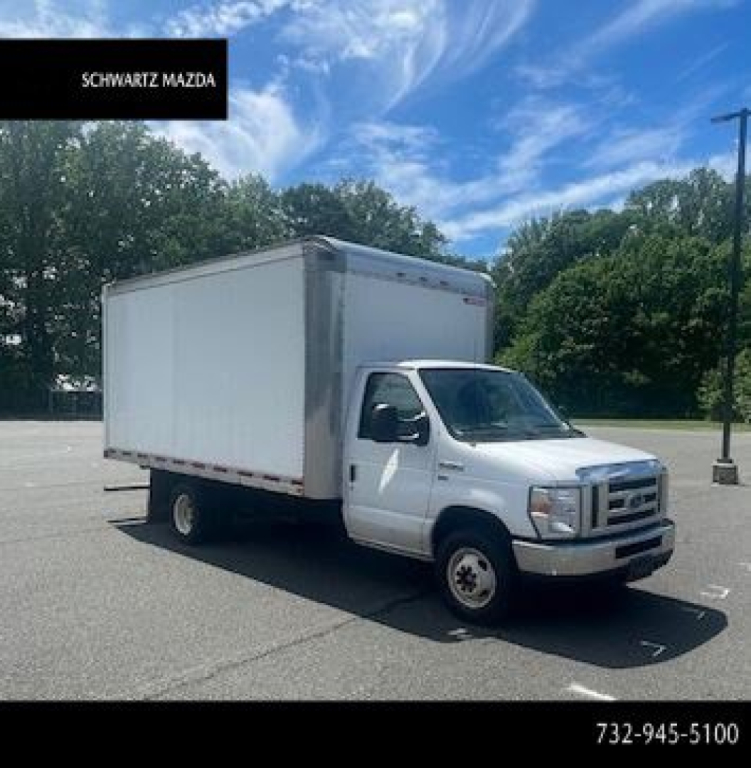
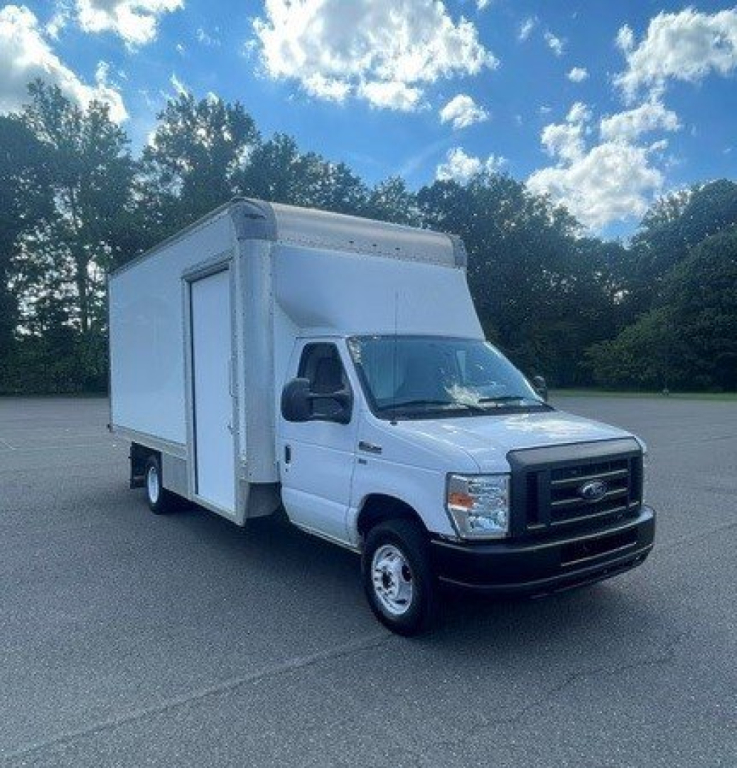
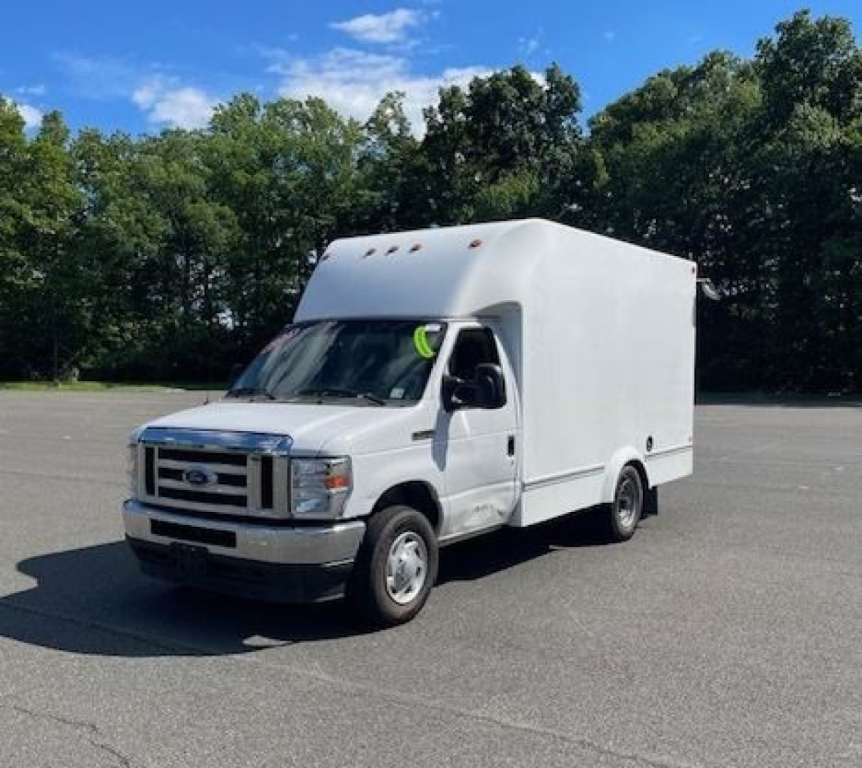
Selling a ford box truck? List your ford box truck for sale and reach thousands of commercial buyers.
Ford Box Trucks in New Jersey
One of the first decisions is matching body size and payload to the job. A 12-foot or 14-foot Ford box truck is a practical fit for urban deliveries, contractor supplies, or rental-style moving applications where maneuverability matters. Buyers should check GVWR, rear axle rating, wheelbase, and whether the truck is single rear wheel or dual rear wheel, since those details affect legal payload, stability, and tire replacement cost. On older Ford units, gas V8 powertrains are common, especially in E-350 and similar light-duty cutaway models. Gas engines can make sense for short-route work with frequent stops, lower annual mileage, and simpler service needs compared with diesel alternatives.
Body condition matters as much as chassis condition on a used Ford box truck. Look closely at the box floor, front wall, roof bows, rear frame, door hardware, and any signs of water intrusion around seams or marker lights. Fiberglass reinforced plywood and aluminum bodies each have their place, and buyers in New Jersey should pay extra attention to rust on underbody components, cab corners, brake and fuel lines, and liftgate mounting areas if equipped. If the truck will handle palletized freight, confirm door opening height, interior width between wheel wells if applicable, E-track presence, and whether a liftgate has the capacity and platform size your route requires.
Ford box trucks also appeal to operators who want a familiar cab layout and easy parts access through a large service network. For city and suburban work, check turning radius, mirror visibility, cab step-in height, and air conditioning performance, especially on older delivery units with lots of daily stops. A clean Ford box truck with the right body length, axle setup, and service history can be a cost-effective platform for bakery distribution, parcel delivery, equipment transport, and general dry freight where cargo protection is more important than open-deck flexibility.
Frequently Asked Questions about Ford Box Trucks in New Jersey
What should I look for first when buying a used Ford box truck?
Start with the truck’s GVWR, body length, and actual payload fit for your operation. Then inspect the box structure, floor condition, rear door frame, roof seams, and the chassis for rust, suspension wear, brake condition, and tire age. On Ford cutaway models, service history is important because delivery use often means frequent stop-and-go driving, idle time, and repeated loading cycles that can accelerate wear.
Are Ford box trucks good for local delivery work?
Ford box trucks are well suited for local and regional delivery routes, especially in light and medium-duty applications. They are commonly used for parcel delivery, moving, contractor supply transport, and route service because they are easy to drive, widely supported for parts and repairs, and available in practical body sizes for tighter urban streets. A shorter wheelbase unit is usually the better choice where dock space and turning room are limited.
What body size is most common on a Ford box truck?
Common body lengths on Ford box trucks are often 10, 12, 14, and 16 feet, depending on the chassis and intended use. A 12-foot body is popular for city delivery and service work because it balances cargo space with maneuverability. Buyers should match body length to freight dimensions, pallet count, and loading method rather than shopping by box length alone.
Is a gas Ford box truck a good choice compared with diesel?
A gas Ford box truck can be a smart choice for shorter routes, lighter payloads, and fleets that want simpler maintenance and lower upfront cost. Gas engines are common in Ford E-Series style box trucks and are often easier to service for general repair shops. Diesel may still be preferable for heavier duty cycles or higher annual mileage, but many local delivery operations do well with gasoline power.
Why does rust inspection matter on Ford box trucks in New Jersey?
New Jersey road salt and winter moisture can accelerate corrosion on frames, cab mounts, brake lines, fuel lines, crossmembers, and box mounting points. Rust can also appear around door hardware, liftgate brackets, and lower cab panels. A careful underbody inspection helps buyers avoid structural repairs and safety-related issues that may not be obvious from the cab or box exterior.