
2014 Commercial Trucks For Sale in New Jersey
Browse 2014 trucks for sale in New Jersey, including box trucks, vans, tow trucks, and cab chassis for delivery, service, and fleet use.
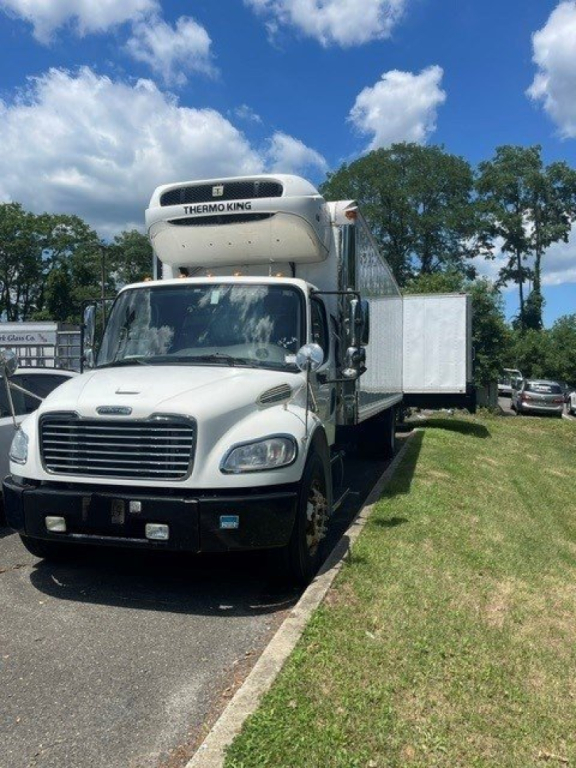
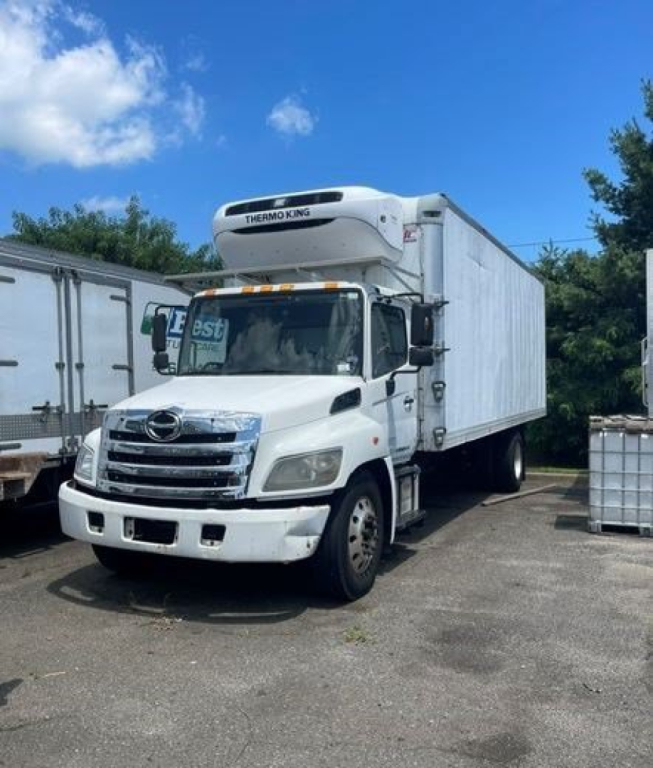
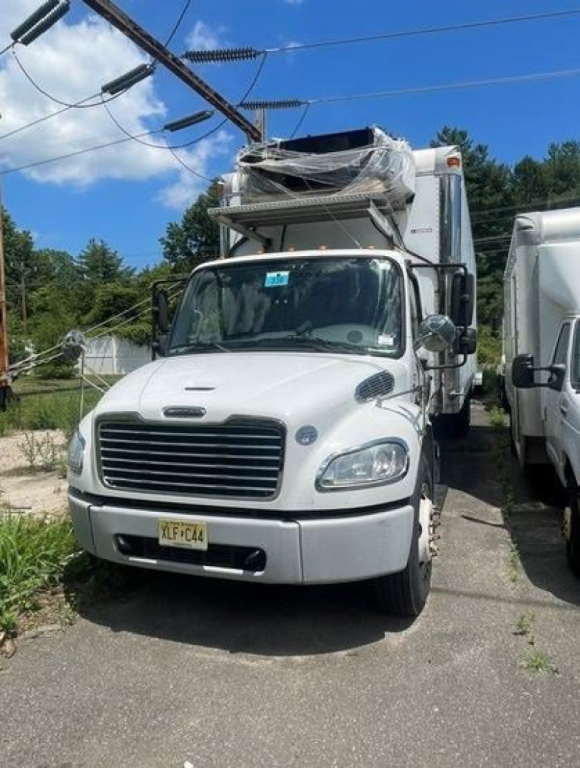
Selling a 2014 commercial truck? List your 2014 commercial truck for sale and reach thousands of commercial buyers.
2014 Commercial Trucks in New Jersey
For 2014 used trucks, buyers should pay close attention to engine family, transmission type, and emissions equipment condition. Many trucks from this year are diesel-powered and may use DEF systems, diesel particulate filters, and EGR components that need to be evaluated as part of the total operating cost. Service history matters more than badge alone. Look for documented oil changes, aftertreatment work, injector or turbo repairs, cooling system service, and any recent clutch or automatic transmission repairs depending on the spec. On medium-duty units, common checkpoints include front axle wear, spring and shackle condition, driveline vibration, brake life, liftgate operation if equipped, and signs of body or frame rust from Northeast winters and road salt.
Body configuration is what separates a good value from a truck that creates daily frustration. Box trucks in this year range are commonly found with 16-foot to 26-foot bodies, roll-up rear doors, translucent roofs, e-track, walk ramps, and liftgates. Cargo vans are often used for contractor, courier, and last-mile work where roof height, rear door access, payload, and turning radius matter more than raw GVWR. Cab and chassis trucks may be set up for landscaping bodies, utility bodies, stake beds, reefer bodies, or specialty vocational work. Tow trucks and wreckers need a harder look at PTO function, boom or wheel-lift condition, hydraulic leaks, winch operation, and rear axle capacity. If the truck will cross state lines or carry heavier payloads, verify actual door sticker ratings, bridge formula implications where relevant, and any body upfit that affects legal payload.
A strong 2014 truck purchase usually comes down to matching spec to route and maintenance capability. Automatic transmissions are common in delivery and stop-and-go applications, while diesel engines remain popular for higher-mileage service. Buyers should compare wheelbase to body length, axle rating to real payload, and cab condition to expected driver turnover. In New Jersey, corrosion, idle hours, and local-route wear can tell more of the story than odometer miles alone. A careful inspection, cold start, loaded road test, and review of maintenance records will do more to identify a dependable 2014 truck than focusing only on price or make.
Frequently Asked Questions about 2014 Commercial Trucks in New Jersey
What should I check first on a 2014 used truck?
Start with the truck’s intended job, then verify the core mechanicals that support it. Confirm GVWR, body type, wheelbase, engine, transmission, axle rating, and brake condition. On diesel trucks, inspect the DEF system, DPF status, EGR components, and check for warning lights or forced regen issues. In New Jersey, rust on the frame, crossmembers, brake lines, cab mounts, and body hardware is especially important because road salt can shorten service life even when mileage looks reasonable.
Is a 2014 diesel truck still a good fleet buy?
A 2014 diesel truck can still be a good fleet buy if the emissions system has been maintained correctly and the truck matches the route. Diesel makes sense for heavier payloads, longer daily mileage, towing, and medium-duty applications where torque and durability matter. The key is maintenance history. A lower-priced truck can become expensive quickly if it needs injectors, turbo work, DPF cleaning, DEF components, or cooling system repairs shortly after purchase.
What body styles are common in 2014 trucks for sale?
The 2014 market typically includes cargo vans, box trucks, cab and chassis units, stake bodies, service trucks, tow trucks, and other vocational configurations. Box trucks are common for delivery, moving, and route work. Cargo vans fit contractor and urban service use. Cab and chassis trucks are often chosen because they can be paired with utility, landscape, dump, or flatbed bodies. The right choice depends on payload, cargo access, dock compatibility, and the type of stops the truck will make each day.
How important is mileage on a 2014 truck compared with hours and maintenance?
Mileage matters, but it is only one part of the picture. A truck with moderate mileage and strong service records is often a better buy than a lower-mile truck that sat for long periods or missed maintenance intervals. Idle hours are especially relevant on tow trucks, utility trucks, and delivery units that spend time running PTOs or idling in traffic. Maintenance records, cold-start behavior, transmission shift quality, brake wear, suspension condition, and signs of corrosion usually tell more about remaining life than the odometer alone.
Are automatic transmissions common on 2014 trucks?
Yes. Automatic transmissions are common on many 2014 trucks, especially box trucks, cargo vans, and local delivery units. They reduce driver fatigue in stop-and-go service and can make training easier for mixed fleets. Buyers should still road test for harsh shifts, delayed engagement, slipping under load, and transmission fluid condition. On medium-duty trucks with Allison automatics, service history and proper operation under load are more important than the transmission nameplate by itself.