
2014 Cab and Chassis Trucks For Sale in New Jersey
Browse 2014 cab and chassis trucks in New Jersey. Compare GVWR, wheelbase, cab style, engine, transmission, and body upfit compatibility.
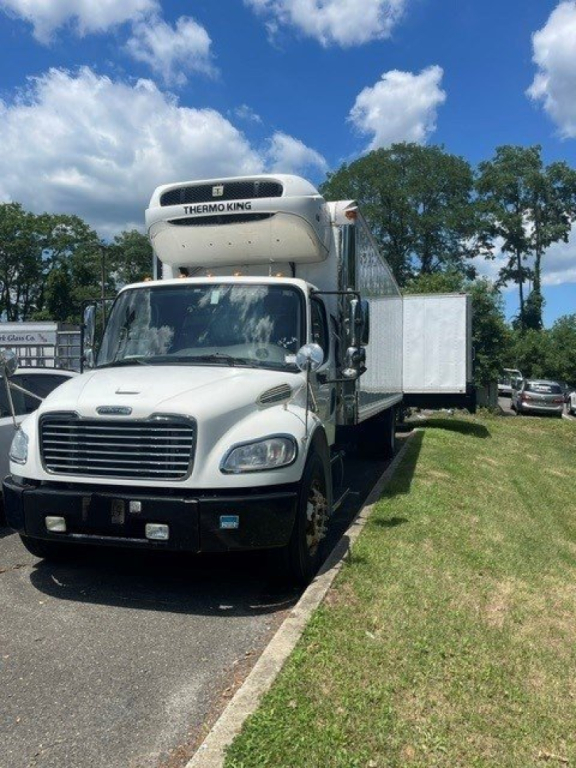
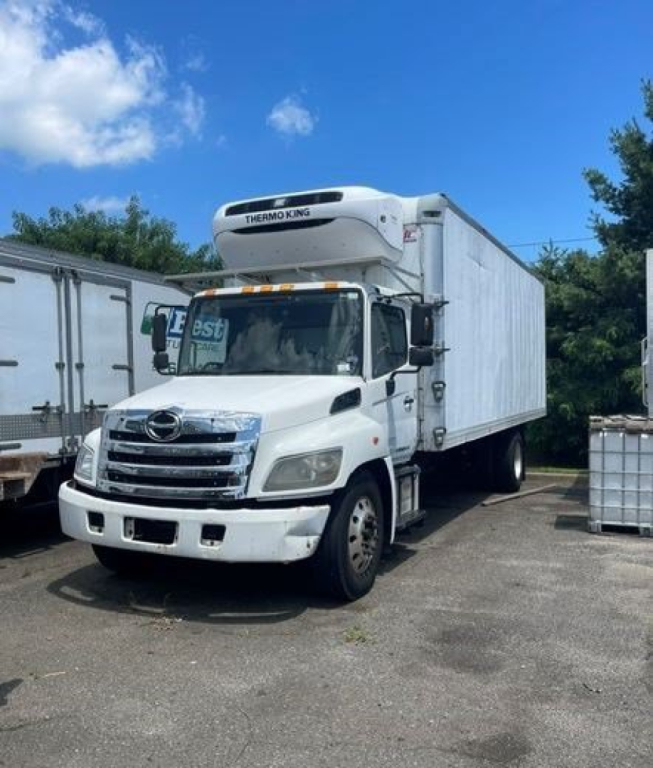
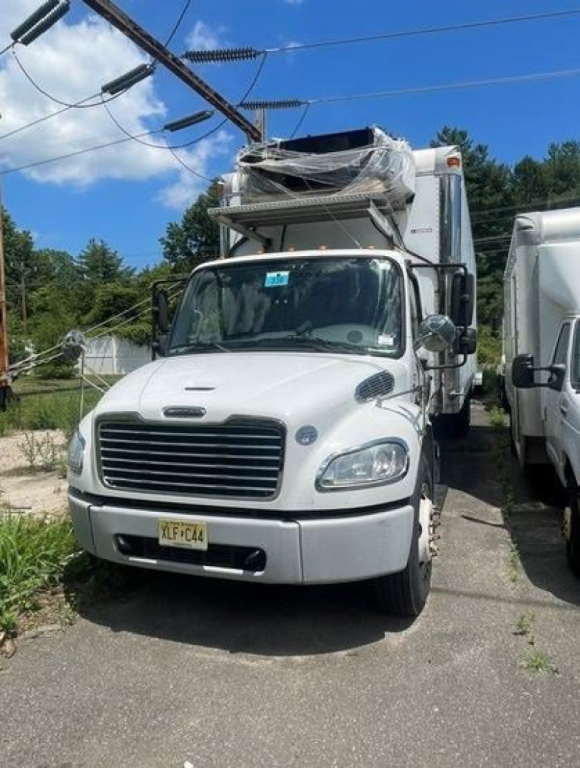
Have 2014 cab and chassis truck to sell? List it here to reach thousands of buyers.
2014 Cab and Chassis Trucks in New Jersey
In the 2014 model year, common choices in this segment include medium-duty platforms from Hino, Freightliner, International, Isuzu, Ford, and Chevrolet. Typical specs range from Class 3 through Class 7, with diesel engines dominating the heavier applications and gas engines appearing more often in lighter local-delivery work. Automatic transmissions are common, especially Allison units in medium-duty trucks, and brake type matters more than many first-time buyers expect. Hydraulic brakes can keep operation simpler on lighter GVWR builds, while air brakes are more common on heavier trucks and may be preferred for certain vocational uses. If the truck is being matched to a 20-foot to 26-foot body, confirm axle rating, frame height, rear suspension capacity, PTO provisions, and any existing body-builder wiring before treating it as a simple bolt-on job.
A used 2014 cab and chassis truck should be evaluated as both a vehicle and an upfit platform. Frame condition is critical in Northeast markets, so pay close attention to corrosion, prior frame drilling, crossmember repairs, and signs the rails were stretched, shortened, or previously carried a different body. Measure the cab-to-axle and verify the wheelbase instead of relying on a generic listing description. Check for idle hours, service history, injector or emissions work, transmission behavior under load, and front axle wear from plow or municipal use. On diesel units, confirm the status of DPF, DEF, EGR, and related emissions components, since downtime on an upfit truck usually costs more than downtime on a standard pickup or van.
The best 2014 chassis cab depends on the body and route, not just the badge on the grille. Local box truck and reefer applications usually value a clean frame, correct wheelbase, and dependable automatic drivetrain over extra horsepower. Utility, dump, and contractor setups put more emphasis on PTO compatibility, rear axle ratio, suspension spec, and available payload after the body is installed. In tight New Jersey service areas, turning radius, overall cab height, and visibility can matter as much as GVWR. A properly matched cab and chassis gives you flexibility that a finished body truck does not, but the measurements and ratings need to line up before the upfit starts.
Frequently Asked Questions about 2014 Cab and Chassis Trucks in New Jersey
What is a cab and chassis truck?
A cab and chassis truck is a truck sold with the cab, frame rails, drivetrain, and axles in place, but without a permanent rear body installed. It is designed to accept an upfit such as a box, flatbed, dump body, service body, reefer body, or utility body. The main advantage is flexibility, since the same basic truck can be configured for very different applications if the wheelbase, cab-to-axle, and weight ratings are correct.
What should I check first on a 2014 cab and chassis truck?
Start with cab-to-axle measurement, wheelbase, GVWR, front and rear axle ratings, and frame condition. Those items determine what body can be installed and how much usable payload the completed truck will have. On a 2014 model, it is also smart to review emissions-system history, transmission service, brake type, and any signs of prior body installation such as extra frame holes, wiring splices, or modified crossmembers.
How do I know what body length will fit a 2014 chassis cab?
Body fitment is based primarily on cab-to-axle length, wheelbase, axle placement, and the body manufacturer's mounting requirements. A truck that accepts a 24-foot or 26-foot body in one spec may not in another, even if the model name is the same. The safest approach is to measure the truck and match those numbers to the upfitter's body chart rather than assuming fit based on a listing title or a similar truck.
Are diesel 2014 cab and chassis trucks a good choice for New Jersey routes?
Diesel power is often a strong fit for medium-duty work in New Jersey because it handles heavier payloads, stop-and-go delivery, and PTO-driven applications well. The tradeoff is that 2014 diesel trucks have modern emissions systems that need proper maintenance. A truck with documented DPF cleaning, DEF-system repairs, and consistent service records is usually a better bet than a lower-priced unit with missing emissions history.
What is more important on a chassis cab, mileage or frame and upfit compatibility?
Mileage matters, but on a cab and chassis truck the frame, measurements, and spec match are often just as important. A lower-mile truck can still be a poor buy if the frame is corroded, previously altered, or wrong for the body you need. A higher-mile unit with a clean frame, correct cab-to-axle, solid maintenance records, and the right axle and suspension ratings can be the more useful and lower-cost platform in actual service.