
2014 Cab and Chassis Trucks For Sale
Shop 2014 cab and chassis trucks for body builds, vocational work, and fleet upfits. Compare GVWR, wheelbase, cab-to-axle, and powertrains.
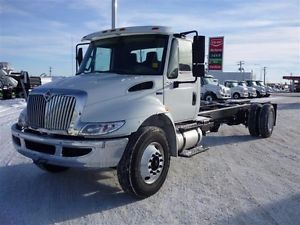
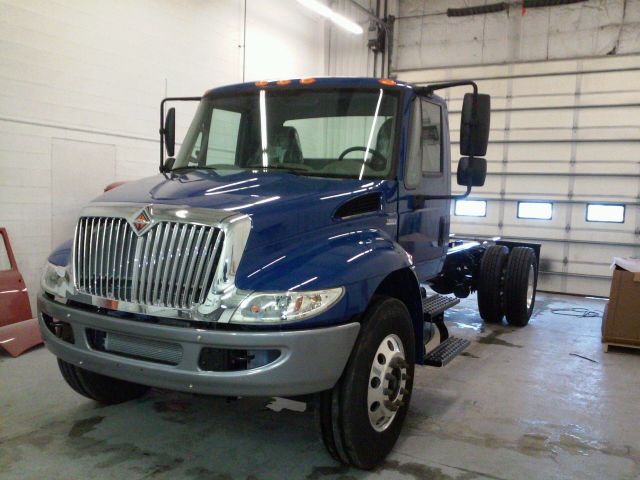
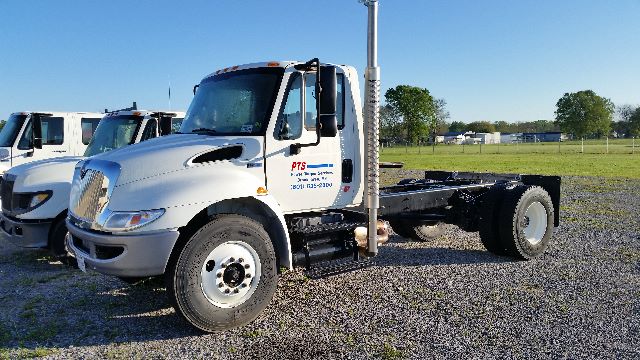
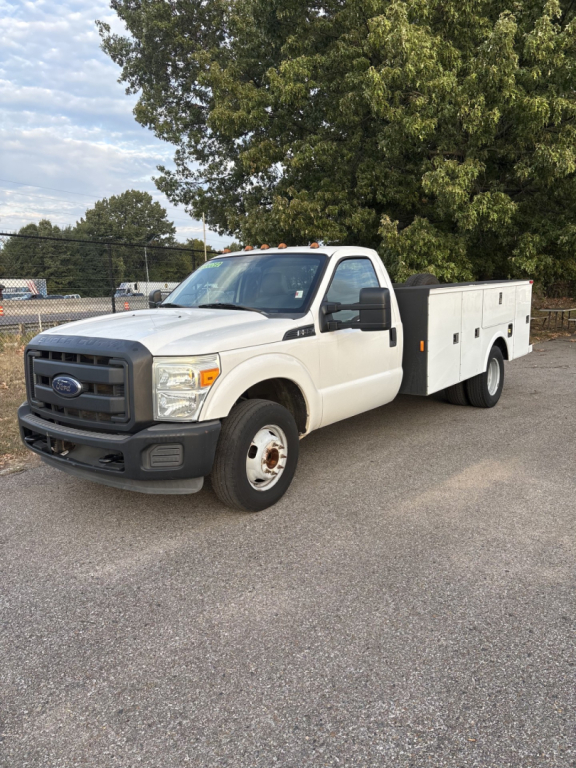

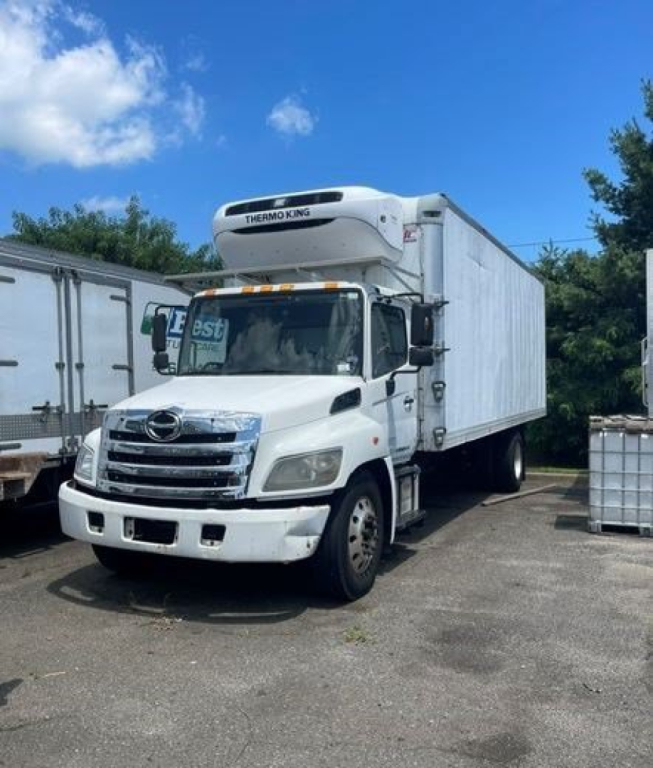

Selling a 2014 cab and chassis truck? List your 2014 cab and chassis truck for sale and reach thousands of commercial buyers.
2014 Cab and Chassis Trucks
Many 2014 cab and chassis trucks on the market fall into medium-duty and heavy-duty applications, with common examples ranging from Class 4 through Class 8. Buyers should pay close attention to engine and transmission combinations, especially on trucks intended for stop-and-go municipal work, regional delivery, towing, or construction support. Automatic transmissions are common in utility and local-route service, while manual and automated manual options still appear in heavier vocational specs. Rear axle ratio, suspension type, locking differentials, PTO provisions, and frame height also matter if the truck is being built for hydraulic equipment, dump operations, or trailer support.
On a used 2014 chassis cab, the value is often in how well the truck matches the next body rather than in cosmetic condition alone. Measure the frame carefully, confirm any existing body mounts or frame modifications, and check for corrosion, cracks, or past repairs around crossmembers, suspension hangers, and the back-of-cab area. Buyers should also verify emissions equipment condition, brake type, wheelbase, and front axle capacity before committing to an upfit. If the truck already has options like a PTO opening, air ride suspension, wet kit, or vocational gearing, it can reduce build time and lower installation costs.
A well-matched 2014 cab and chassis truck can still be a cost-effective platform for fleets, municipalities, contractors, and owner-operators who need a truck tailored to a specific job. The best choice depends less on badge preference and more on dimensional fit, weight rating, drivetrain spec, and intended duty cycle. When those core specifications line up with the body and route, a chassis cab becomes one of the most versatile truck formats in the commercial market.
Frequently Asked Questions about 2014 Cab and Chassis Trucks
What is a cab and chassis truck?
A cab and chassis truck is a vehicle sold with the cab, drivetrain, and frame rails in place, but without a completed rear body. It is designed to accept an upfit such as a flatbed, service body, van body, dump body, rollback, utility body, or specialized vocational equipment. The main advantage is flexibility, because the same basic truck can be configured for very different jobs based on wheelbase, cab-to-axle dimension, frame rating, and PTO requirements.
What should I check first on a 2014 cab and chassis truck before buying?
Start with GVWR, front and rear axle ratings, wheelbase, and cab-to-axle measurement. Those numbers determine whether the truck can legally and physically accept the body you plan to install. After that, inspect frame condition, suspension, brake system, tire size, transmission spec, and any PTO or hydraulic provisions. On a 2014 model, emissions system condition and maintenance records are also important because repair costs can be significant if aftertreatment components have been neglected.
Why does cab-to-axle length matter on a chassis cab?
Cab-to-axle length, often abbreviated CA, is one of the most important fitment measurements on a chassis cab. It affects body length, body placement, weight distribution, and clearance between the back of the cab and the installed equipment. If the CA is too short or too long for the intended body, the truck may require costly modifications or may not balance load correctly across the axles. Body manufacturers typically specify required CA dimensions for each upfit.
Are 2014 cab and chassis trucks good for vocational upfits?
Yes, many 2014 cab and chassis trucks remain viable for vocational service if the frame, drivetrain, and emissions systems are in sound condition. They are commonly used for dump bodies, contractor flats, utility trucks, hooklifts, towing applications, and delivery bodies. The real question is not just age, but whether the truck's ratings, wheelbase, engine power, and transmission are appropriate for the job. A correctly spec'd 2014 truck can still provide solid service in regional, municipal, and jobsite applications.
What common specs matter most when comparing used chassis cabs?
The most important specs are GVWR, axle capacities, wheelbase, cab-to-axle, engine horsepower and torque, transmission model, rear axle ratio, suspension type, brake system, and frame dimensions. Buyers should also look for PTO capability, locking differentials, fuel tank placement, exhaust routing, and any prior frame alterations. These details affect body compatibility, payload, maneuverability, and long-term operating cost much more than appearance alone.