
2014 Cab and Chassis Trucks For Sale in Kansas
Shop 2014 cab and chassis trucks for sale in Kansas. Compare GVWR, cab-to-axle lengths, engine options, and body-ready configurations.
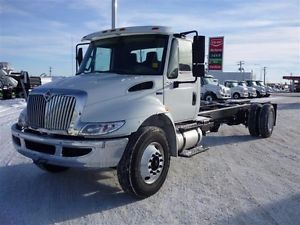
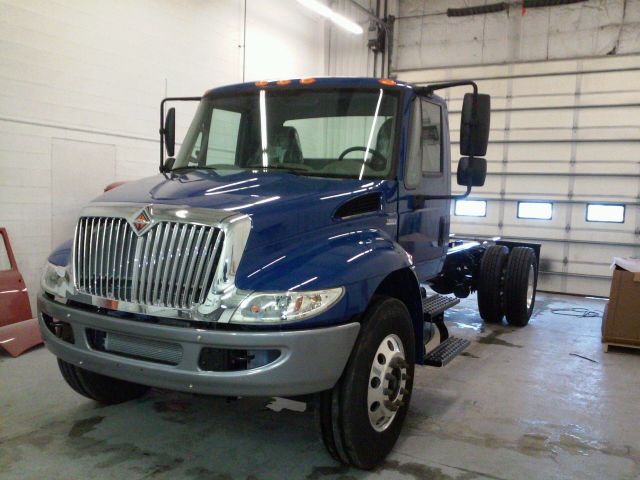
Selling a 2014 cab and chassis truck? List your 2014 cab and chassis truck for sale and reach thousands of commercial buyers.
2014 Cab and Chassis Trucks in Kansas
For many 2014 medium-duty cab and chassis trucks, the sweet spot is around a 33,000 lb GVWR with single rear axle configurations and cab-to-axle dimensions in the 138-inch to 140-inch range. That setup is popular because it supports a wide range of body lengths without pushing the truck into a more specialized spec. Buyers should verify body compatibility first, especially CA and axle placement, because that determines what can actually be mounted. Powertrains in this model year often include diesel engines in the mid-200 to 260 HP range, paired with either an Allison automatic or a 6-speed manual. An automatic typically makes more sense for stop-and-go delivery, vocational upfit work, and mixed-driver fleets. A manual can still appeal to operators who want lower upfront complexity and more direct control in certain jobsite conditions.
Brake type, rear axle spec, and frame layout also deserve close attention. Air brakes are common in higher-GVWR medium-duty trucks and can be a better fit for heavier bodies or frequent loaded operation. A locking differential is a valuable option for gravel roads, muddy yards, snow, and uneven jobsite access, which is relevant in many parts of Kansas. If the truck is being purchased strictly as a chassis for upfitting, check frame condition, wheelbase, fuel tank placement, exhaust routing, and any existing PTO provisions before committing. A clean frame and the right dimensional spec can save significant money and downtime during the body installation process.
The 2014 model year can be attractive because it often delivers a lower acquisition cost than newer medium-duty chassis while still offering modern fleet-friendly features. The best buy is usually not the cheapest truck on paper. It is the chassis that already matches the intended body, operating weight, and route profile. A buyer looking at 2014 cab and chassis trucks should focus on service history, engine emissions system condition, transmission type, brake configuration, and whether the truck was ordered with a vocational-ready spec from the start. Getting those fundamentals right matters more than any badge on the hood.
Frequently Asked Questions about 2014 Cab and Chassis Trucks in Kansas
What is a cab and chassis truck used for?
A cab and chassis truck is a stripped truck platform designed to accept a vocational body or specialized upfit. Common uses include flatbeds, box trucks, dump bodies, service bodies, tow bodies, utility bodies, and refrigerated bodies. The main buying advantage is flexibility, because the chassis can be matched to the exact work rather than forcing a prebuilt body into a job it was not designed to handle.
What specs matter most when buying a 2014 cab and chassis truck?
The most important specs are GVWR, front and rear axle ratings, wheelbase, cab-to-axle length, frame dimensions, engine output, and transmission type. Cab-to-axle measurement is critical because it determines which body lengths and body styles will fit correctly. Buyers should also confirm brake type, suspension spec, PTO readiness, and differential options if the truck will work in vocational or off-pavement conditions.
Is an automatic or manual transmission better in a 2014 medium-duty cab and chassis?
An automatic is usually the better choice for delivery routes, urban driving, and fleets with multiple drivers because it reduces fatigue and is easier to operate in stop-and-go work. A manual can still be a practical option for buyers who prefer lower mechanical complexity or need more direct control in certain work environments. The right choice depends on route type, driver experience, and the body or equipment being installed on the chassis.
Why is cab-to-axle length so important on a cab and chassis truck?
Cab-to-axle length determines how the body mounts on the frame and how the finished truck balances its load. If the CA dimension is wrong, the body may not fit properly, axle weights may be affected, and upfit costs can increase. Buyers should match CA, wheelbase, and intended body length before purchase so the final build meets operational and legal weight requirements.
What should buyers in Kansas pay attention to on a used or older 2014 cab and chassis truck?
Kansas buyers should pay close attention to frame condition, brake configuration, differential spec, and how the truck handles mixed road conditions including highways, gravel roads, and seasonal weather. A locking differential and air brake setup can be useful for heavier vocational work and variable terrain. It is also smart to inspect emissions components, maintenance records, and any signs of corrosion or previous upfit modifications that could affect the next body installation.