
2014 Freightliner Cab and Chassis Trucks For Sale
Shop 2014 Freightliner cab and chassis trucks. Compare wheelbases, GVWR, diesel engines, PTO options, and upfit-ready configurations.
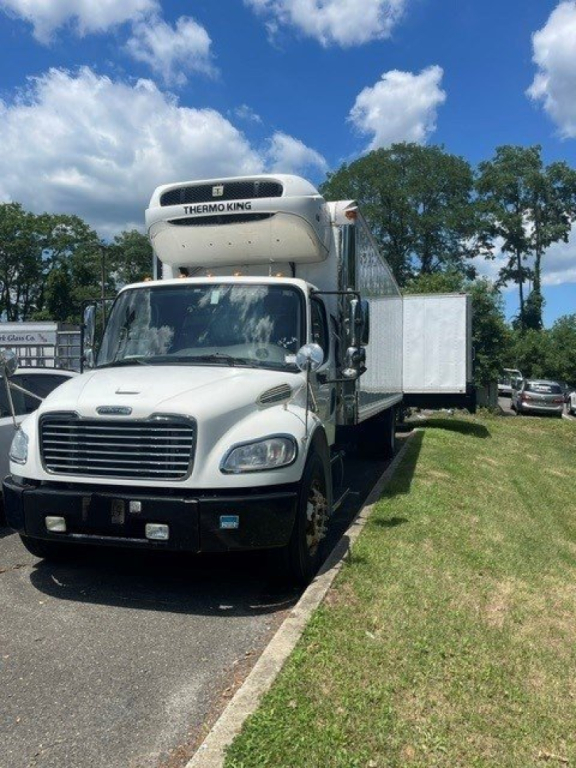
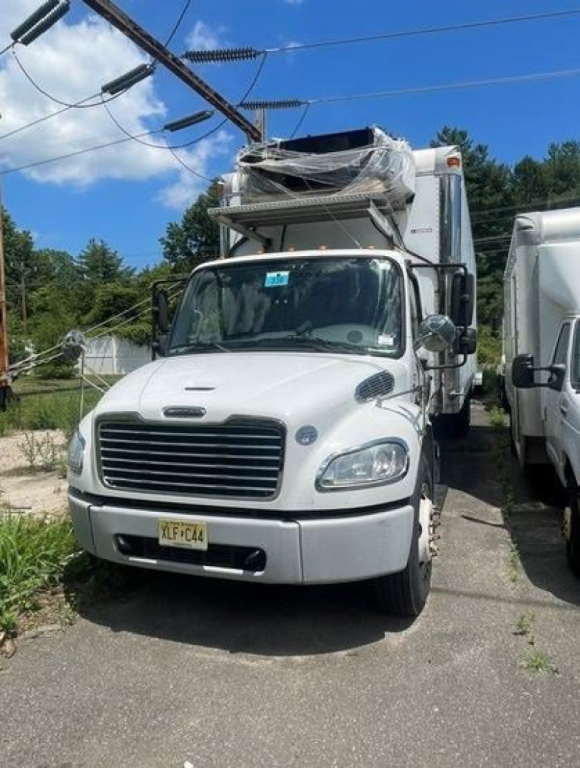

Have 2014 freightliner cab and chassis truck to sell? List it here to reach thousands of buyers.
2014 Freightliner Cab and Chassis Trucks
On 2014 Freightliner medium-duty cab and chassis trucks, buyers will often see diesel power from Cummins or Mercedes-Benz depending on model and original spec. Automatic transmissions are common, especially Allison setups, because they work well in city delivery, vocational, and stop-and-go applications. Front axle ratings, rear axle ratings, suspension type, brake configuration, and tire size matter more than many first-time buyers expect because they directly affect legal payload, body fitment, and ride quality once the truck is completed. If the truck is intended for a refrigerated body, bucket body, dump, or plow package, check for PTO compatibility, hydraulic plumbing, frame reinforcement, and any existing wiring or air and electric runs to the rear.
Freightliner cab and chassis trucks from this model year are often chosen for their serviceability and straightforward parts support. The M2 106 in particular is widely used in regional delivery and municipal work because the cab is easy to work around and body builders know the platform well. A buyer should confirm wheelbase and cab-to-axle dimensions before anything else, then review GVWR, engine horsepower and torque, transmission model, rear axle ratio, and suspension. On a used unit, pay close attention to frame condition, crossmember integrity, corrosion around body-mount areas, brake wear, and signs of prior vocational use such as plow mounts, hydraulic leaks, or overloaded spring packs. Those details matter more on a chassis truck than on a completed straight truck because the truck may still need significant upfit investment.
For buyers comparing 2014 Freightliner cab and chassis trucks across many listings, the best value usually comes from matching the spec to the job instead of chasing the lowest price. A short wheelbase may be ideal for city maneuverability, while a longer cab-to-axle is necessary for a 24-foot to 26-foot body or specialized utility build. Air brakes, spring or air suspension, single or tandem rear axle layouts, and fuel tank placement all affect what can be mounted and how the truck will perform once finished. A properly spec'd Freightliner cab and chassis can serve as a durable platform for delivery, construction, municipal, and service fleet work, provided the chassis dimensions and vocational equipment support the intended body from day one.
Frequently Asked Questions about 2014 Freightliner Cab and Chassis Trucks
What is a cab and chassis truck used for?
A cab and chassis truck is an incomplete truck built to accept a vocational body or equipment package. Common uses include box trucks, reefer trucks, flatbeds, dumps, utility bodies, tow bodies, hooklifts, and service trucks. The buyer is really purchasing the underlying platform, so frame length, cab-to-axle measurement, axle ratings, and PTO capability are critical to making the final upfit work.
What should I check first on a 2014 Freightliner cab and chassis?
Start with wheelbase, cab-to-axle, and GVWR because those three specs determine what body can be installed and how much legal payload the truck can carry. After that, verify engine and transmission model, rear axle ratio, front and rear axle ratings, brake type, and suspension. If the truck will run hydraulic equipment, confirm PTO provisions and any existing hydraulic, electrical, or air connections already present on the chassis.
Is the Freightliner M2 106 a good platform for upfitting?
Yes. The Freightliner M2 106 is one of the more common medium-duty upfit platforms in the market. It is widely used for delivery and vocational work, body builders are familiar with it, and parts and service support are generally strong. Its suitability still depends on the exact chassis spec, especially frame length, cab-to-axle, axle capacity, and transmission setup.
Why do cab-to-axle and wheelbase matter so much?
Cab-to-axle and wheelbase determine body fit, weight distribution, turning radius, and how the finished truck will handle under load. A chassis with the wrong dimensions can limit body choices or create clearance and balance problems after installation. Buyers planning a van body, reefer, dump, or utility upfit should confirm these measurements before evaluating cosmetic condition or optional equipment.
Are automatic transmissions common in 2014 Freightliner cab and chassis trucks?
Yes. Automatic transmissions are very common in this segment, especially on delivery and vocational applications where frequent stops and driver turnover are factors. Allison automatics are often preferred for PTO work and urban routes because they are simple to operate and well suited to body-equipped trucks. The transmission should still be evaluated against the truck's intended duty cycle, terrain, and body type.