
Autocar Trucks For Sale
Autocar severe-service trucks including ACX refuse, DC-64 dump, mixer and roll-off, plus ACTT yard spotters. Specs, powertrains and options.
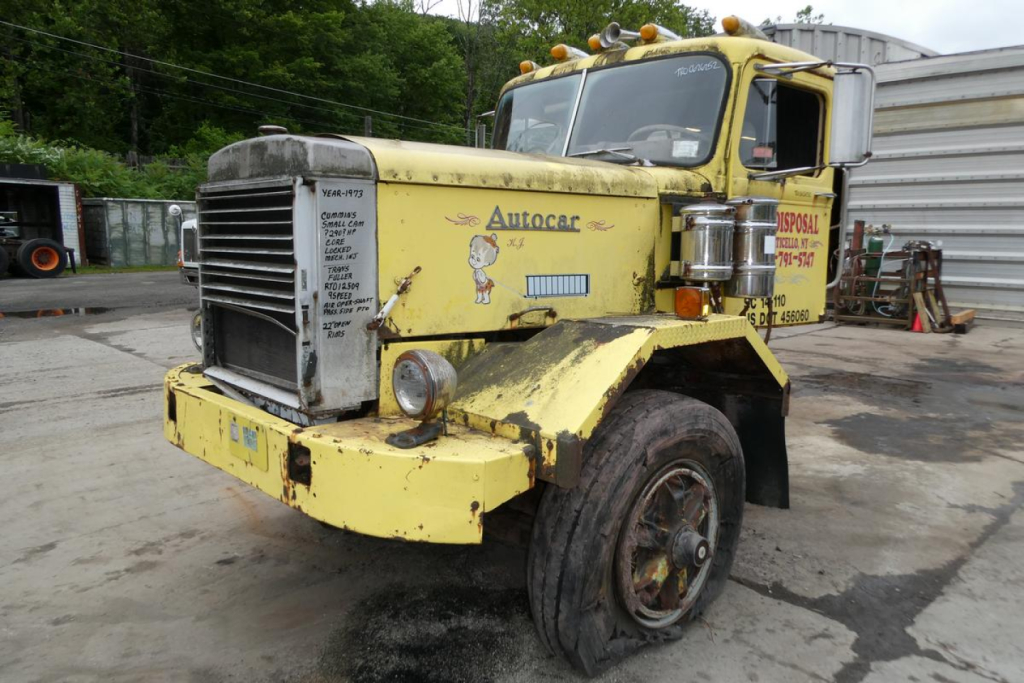

Selling a autocar truck? List your autocar truck for sale and reach thousands of commercial buyers.
Autocar Trucks
Powertrains are typically Cummins diesel or natural gas with torque prioritized over top speed. L9 and X12 diesels are common, matched to Allison fully automatic transmissions for frequent starts, heavy PTO usage and grade work. Many ACX units were built with CNG or RNG-capable ISX12N engines that meet near zero NOx for CARB markets and municipal bids. PTO choices matter on these trucks. Front engine PTO, rear engine PTO or transmission PTO should be matched to the body type and duty cycle, and the cooling package must be sized for continuous hydraulics on refuse packers, mixers and pumps.
Chassis specs vary widely by job. Front axles often range from 14k to 24k with 40k to 46k rears, plus lift axles to meet bridge and payload targets. Wheelbases are set to body length and weight distribution for front loaders, rear loaders, hooklifts and roll-offs. Frames use high tensile steel with straight rails, front frame extensions and clean top-of-rail options that speed upfits. Suspension selections include vocational air, rubber block or walking beam to balance ride, articulation and durability. Air disc brakes on the steer axle improve stopping in stop-and-go routes, while S-cam drums remain common across tandems for low maintenance cost.
Buying Autocar is often about lifecycle and uptime. Look for body builder integration quality, robust electrical with sealed multiplex connectors, and service access to aftertreatment, DEF and cooling modules. In refuse and terminal applications, hours can be a better wear indicator than miles, so review both along with hydraulic pump condition, cylinder leaks and pivot wear. In corrosion-prone regions, verify e-coat coverage, stainless or composite lines and underbody protection. For CNG units, confirm tank age, inspection records and valve function along with station access and range planning. Spec the right axle ratio for low speed work, confirm differential locks for traction, and choose cab layout and dual steer options that fit your route and crew size.
Frequently Asked Questions about Autocar Trucks
What types of Autocar trucks are most common and what do they do?
ACX low cab forward models dominate refuse and recycling routes with front, rear and side loader bodies. DC-64 conventionals are widely used as dump trucks, concrete mixers, roll-offs, vacuum and sewer jetter chassis, and concrete pump carriers. ACTT terminal tractors are specialized yard spotters for distribution centers, ports and rail yards where maneuverability and hitch speed matter.
How do I choose between an Autocar ACX cabover and a DC-64 conventional?
Pick ACX for dense urban work and high on-off cycles where low step height, curbside visibility and a short wheelbase save time and reduce risk. Choose DC-64 for heavier loads, higher cooling demands and bodies that benefit from frame space and conventional service access like mixers, dumps, pumps and heavy roll-offs. Turning circle, crew ergonomics, PTO routing and body clearance often decide the choice.
Are natural gas Autocar trucks a good fit and what are the trade-offs?
CNG or RNG-capable ACX units with ISX12N offer near zero NOx, quiet operation and predictable fuel cost, which helps in CARB states and municipal bids. The trade-offs are station access, range based on tank configuration, and incremental weight that can affect payload. Inspect tank certification dates, mounting hardware and fuel system service history, and verify that your routes and duty cycles match the fueling network.
What chassis specs matter most for refuse, roll-off and mixer applications?
Front axle rating and tire size support lift arm and hopper weight on front loaders, while 46k rears and appropriate suspensions manage packer or roll-off loads. For mixers, axle spacing and lift axle placement protect steer weight and meet bridge laws. Frame rail tensile strength, front frame extensions, PTO type and cooling capacity are critical for high-duty hydraulics. Axle ratios should favor low speed torque and startability over top speed.
What should I check when evaluating a used Autocar vocational truck?
Review engine and transmission service records with a focus on PTO hours, aftertreatment performance and any cooling upgrades. Inspect body integration, hydraulic pumps, valves, cylinders and hoses for leaks and heat damage. Look for frame and crossmember cracks near body mounts, suspension bushing wear, brake lining thickness and air system health. On refuse and yard units, prioritize total engine hours, idle percentage and telematics fault history over odometer miles.