
Commercial Trucks For Sale in Alabama
Alabama trucks for sale, compare highway and vocational specs that impact payload, tare weight, corrosion resistance, floor strength, and thermal integrity.
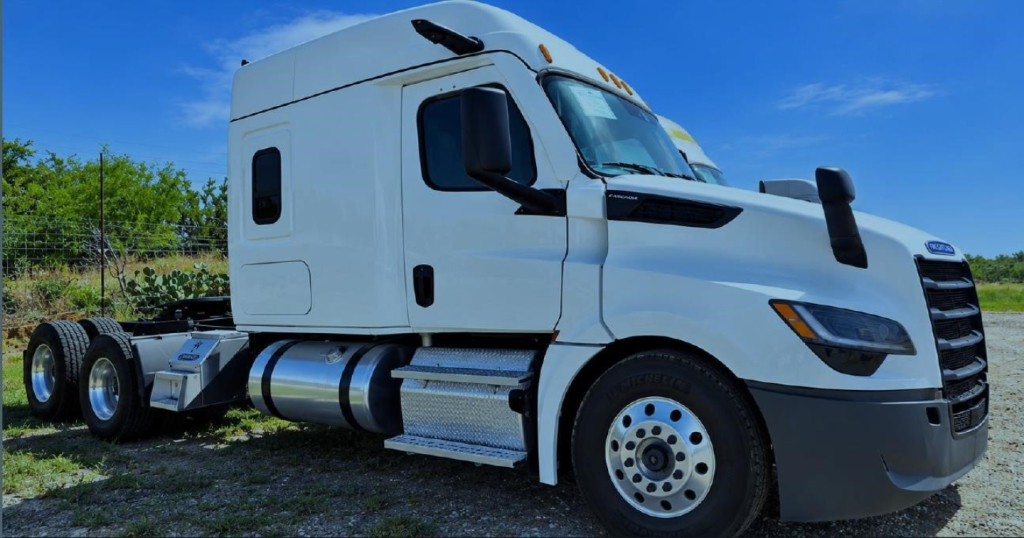
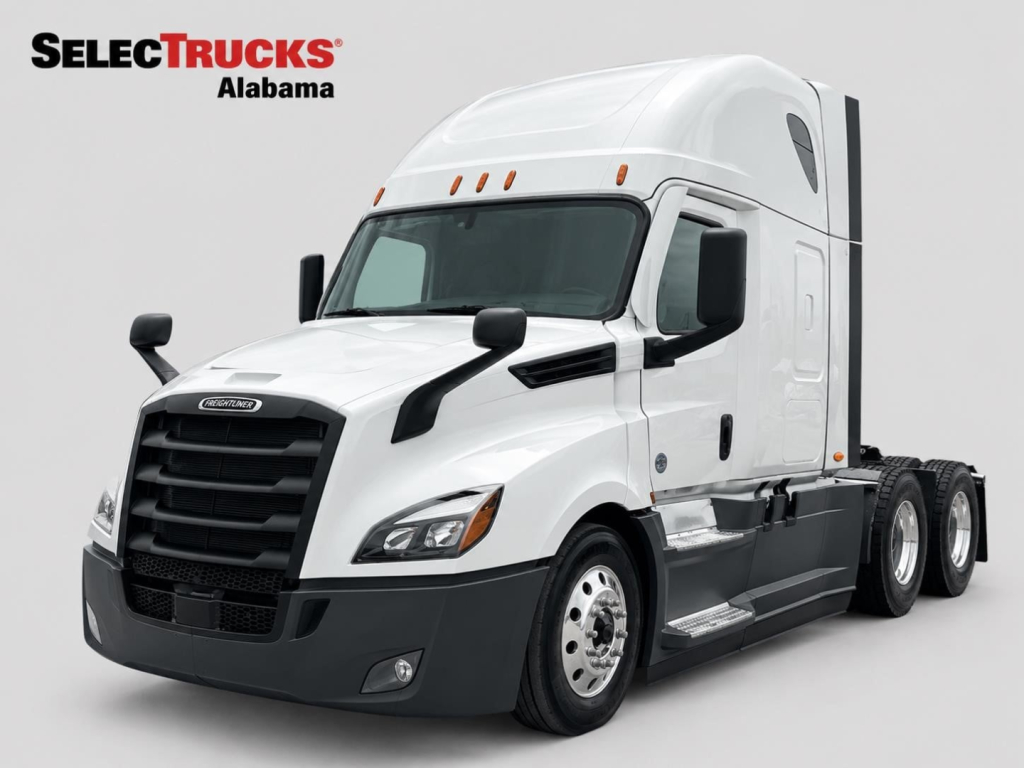
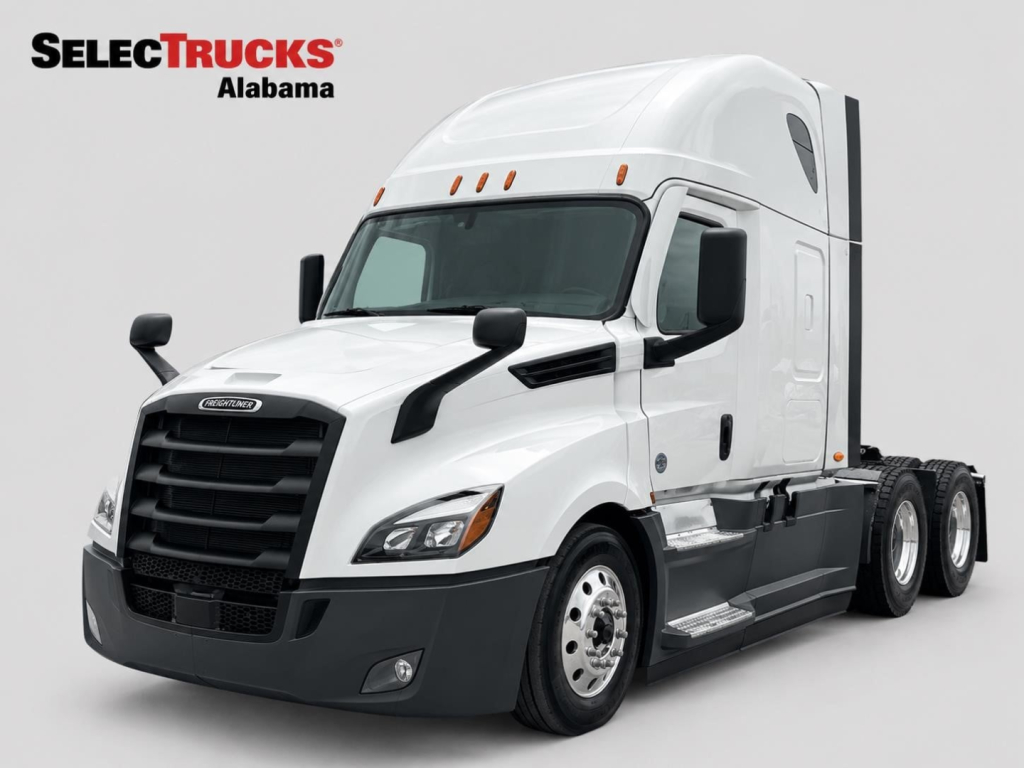
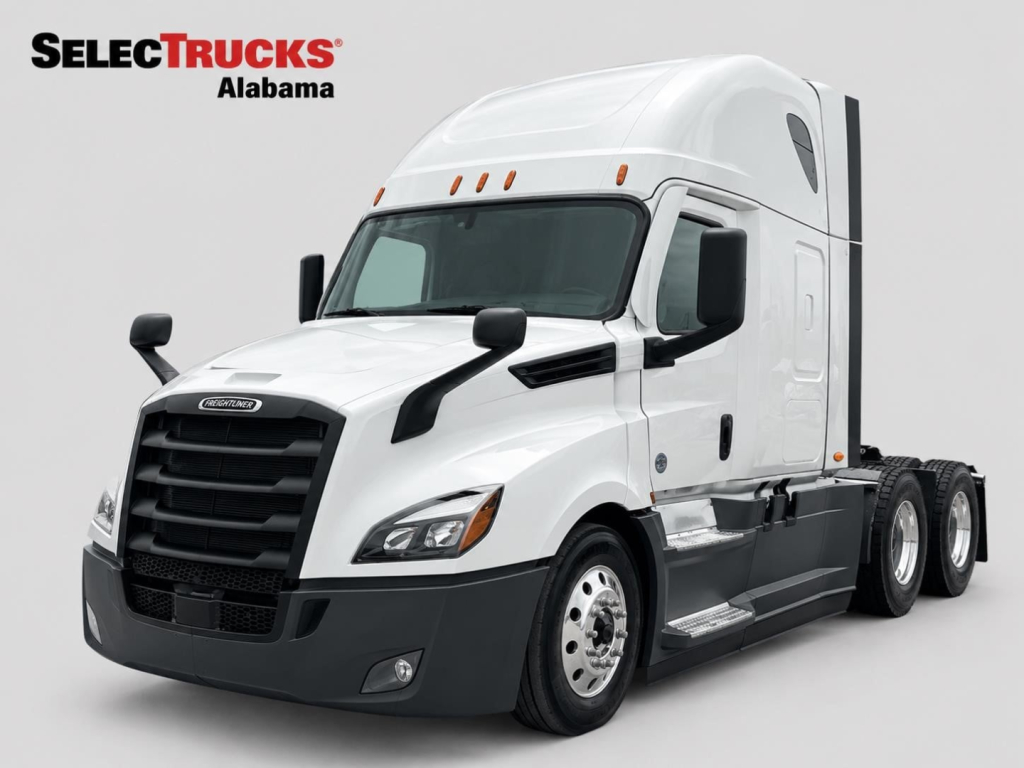
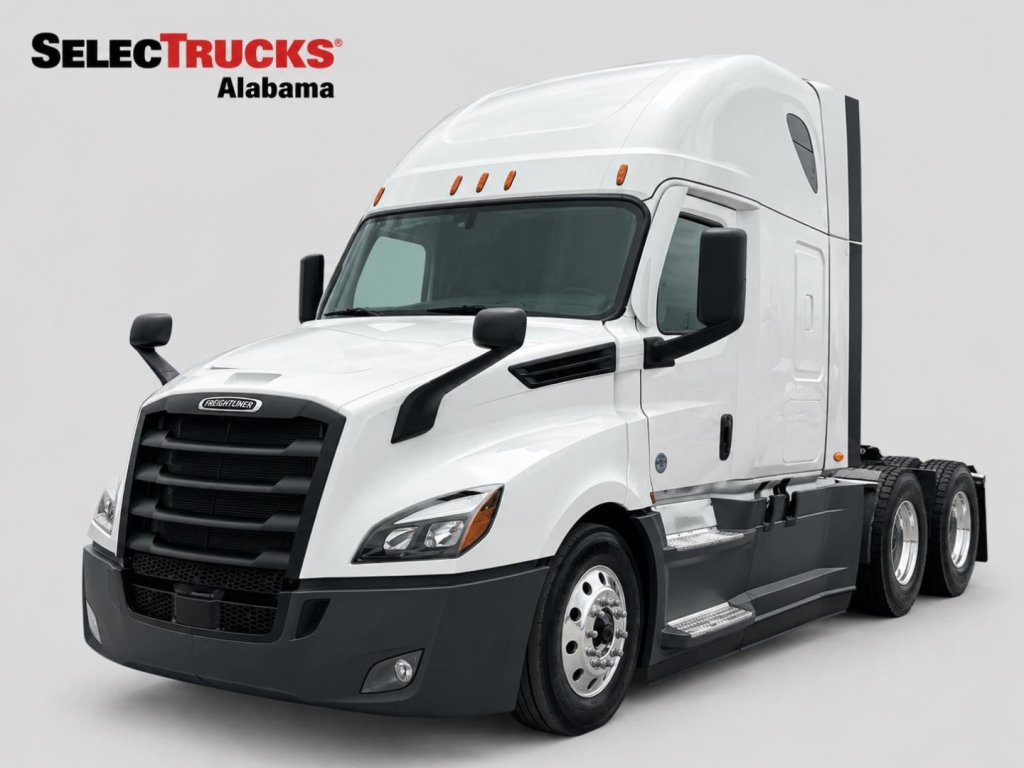
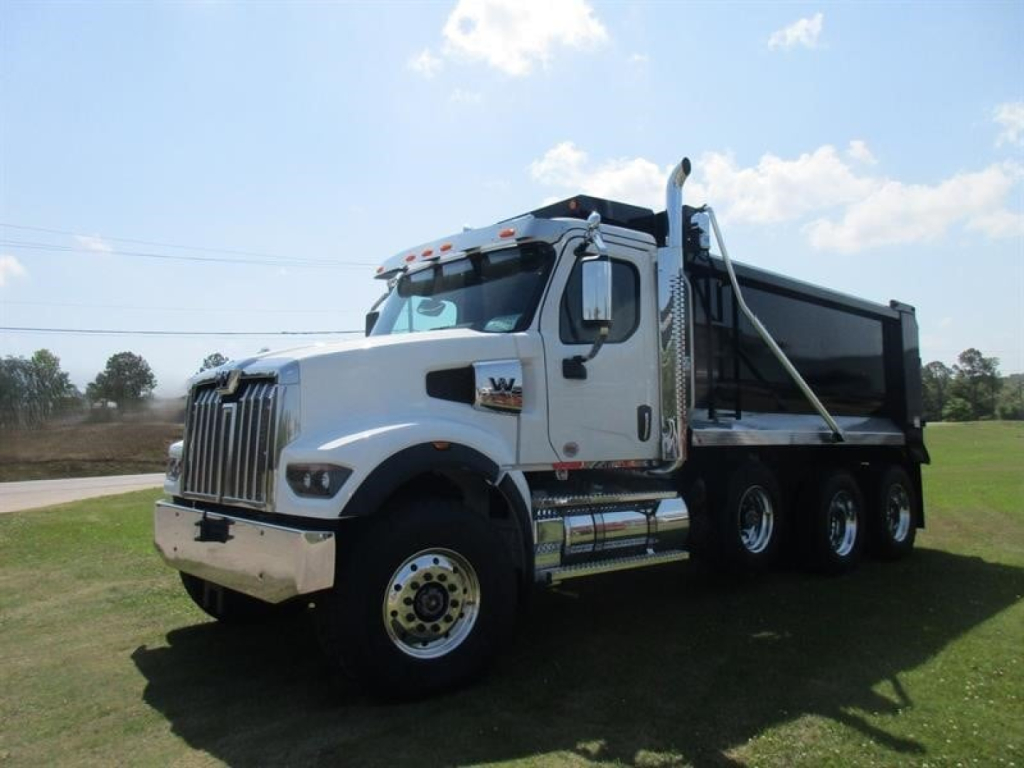
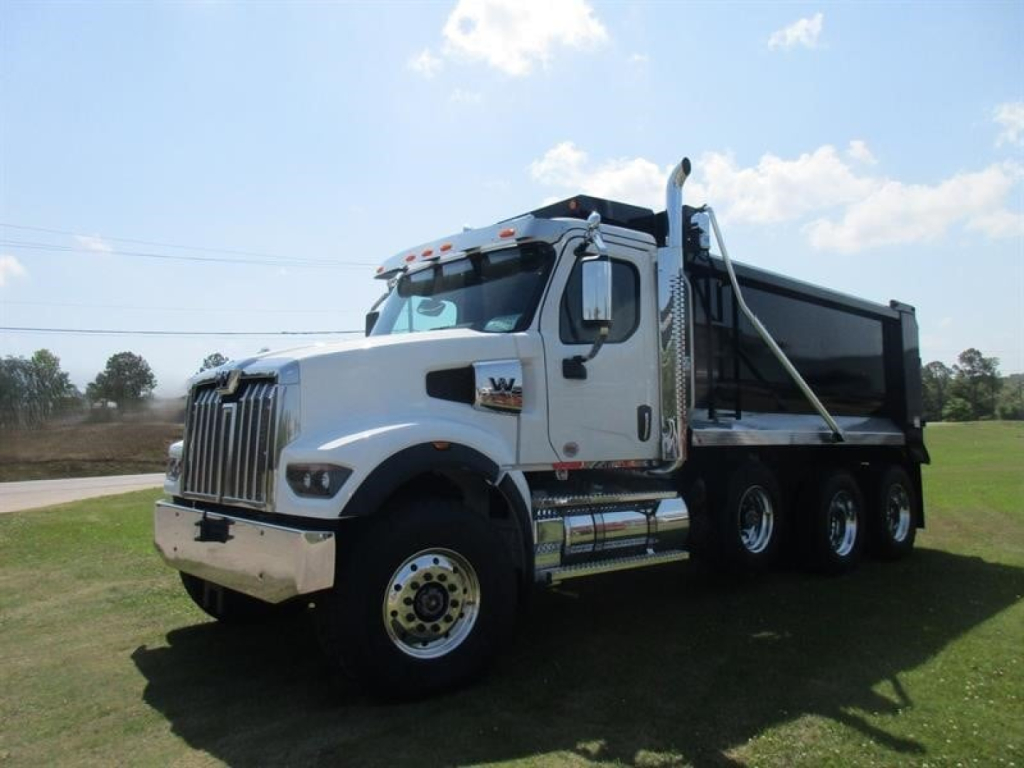
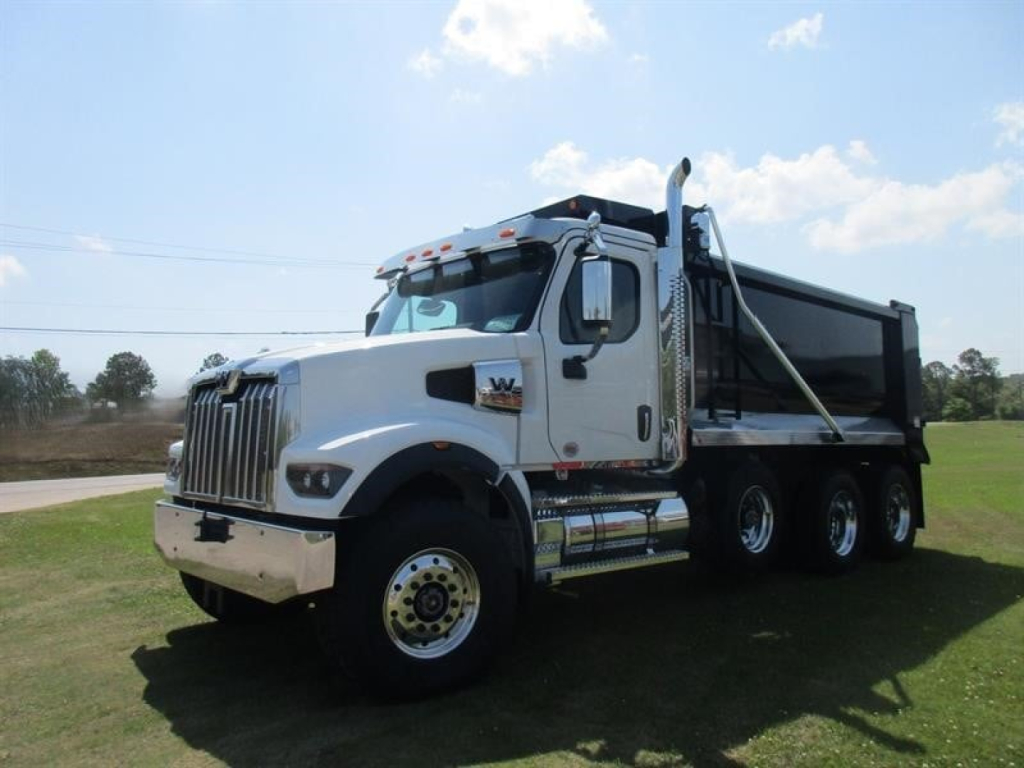
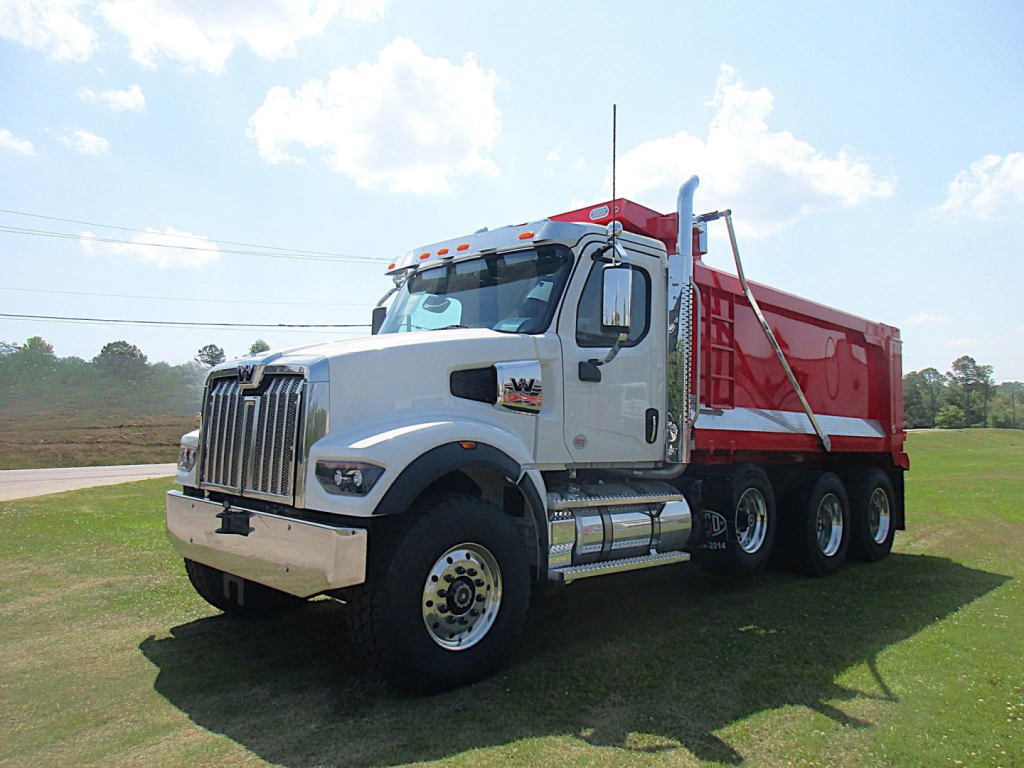
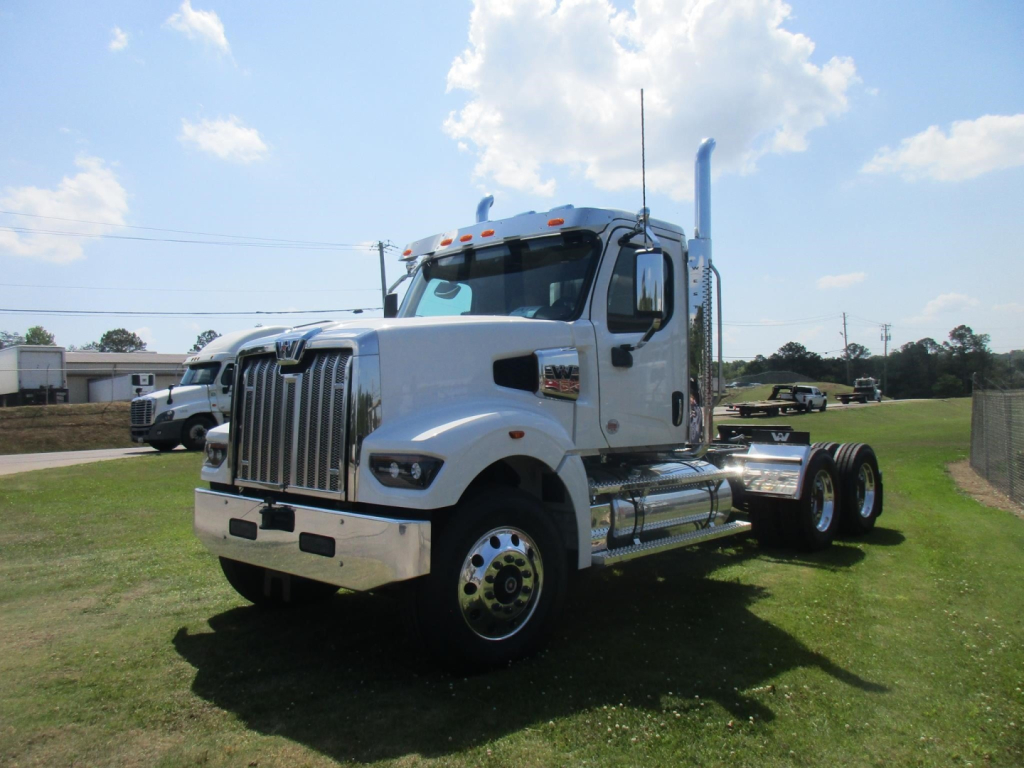
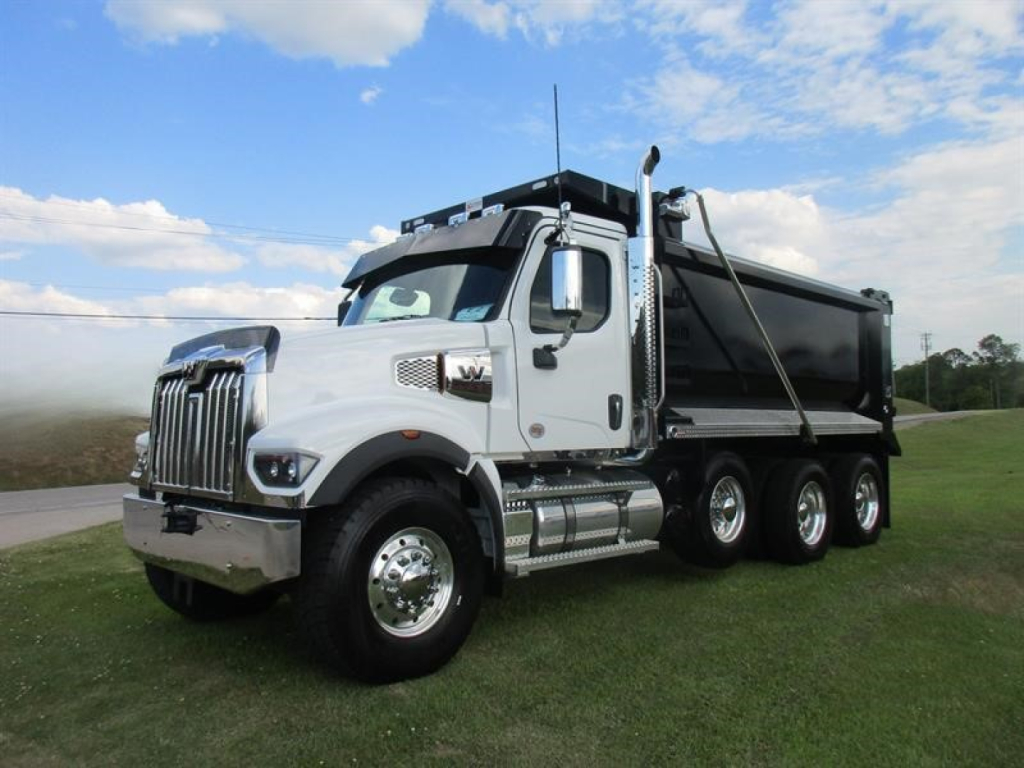
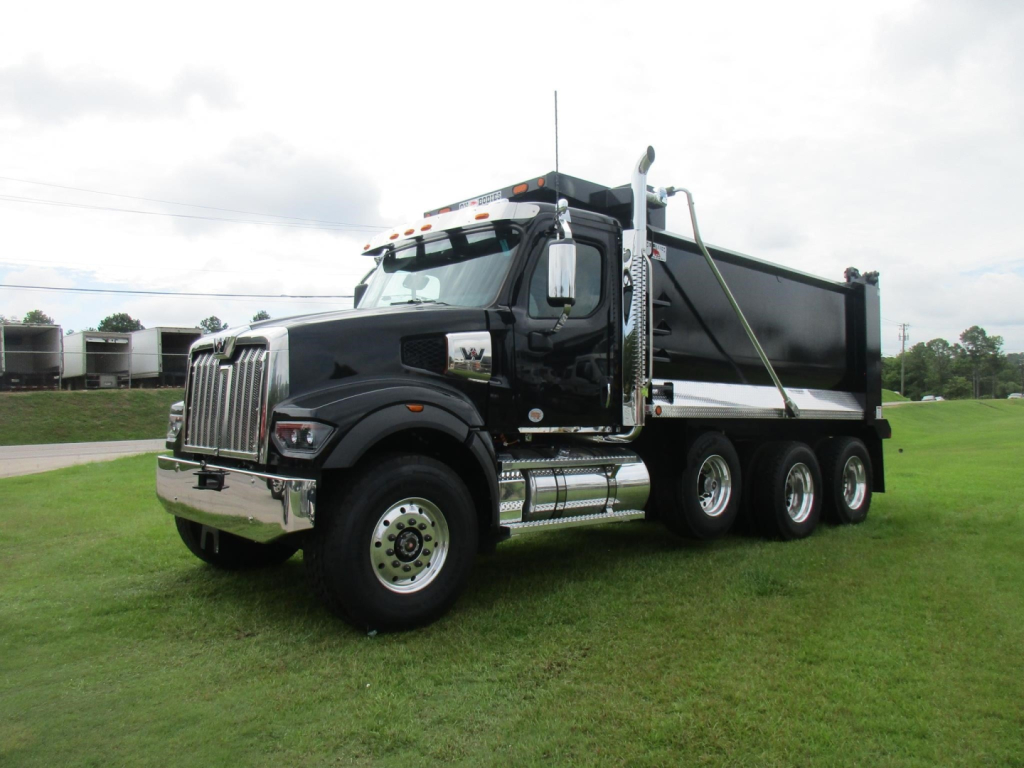
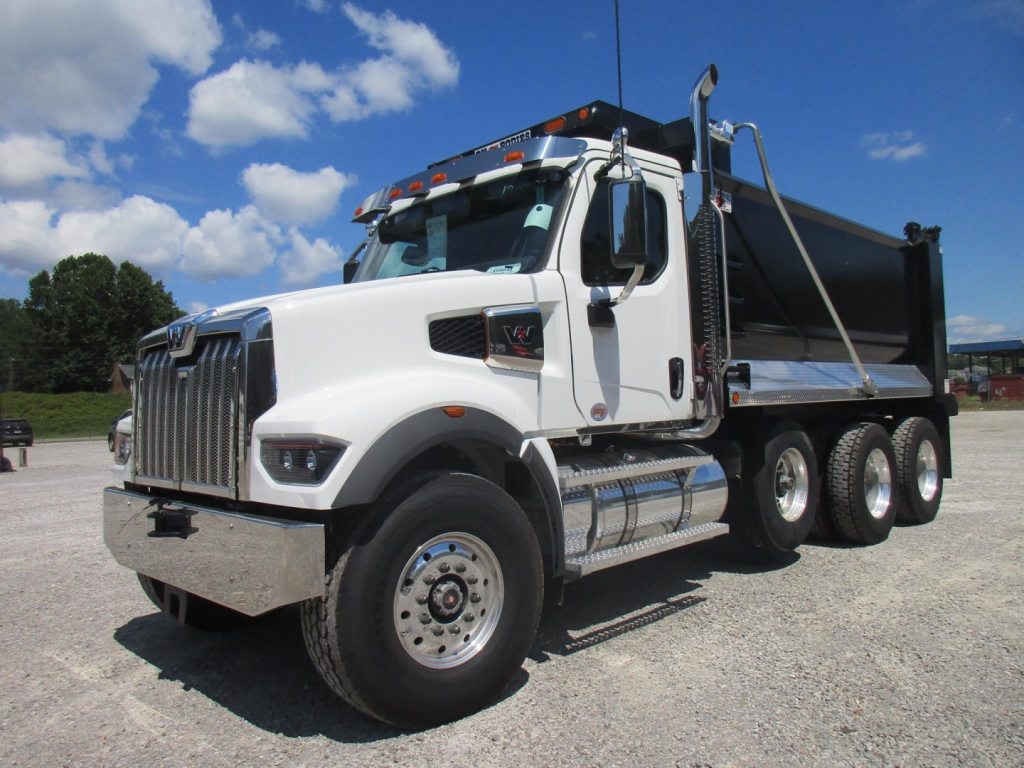
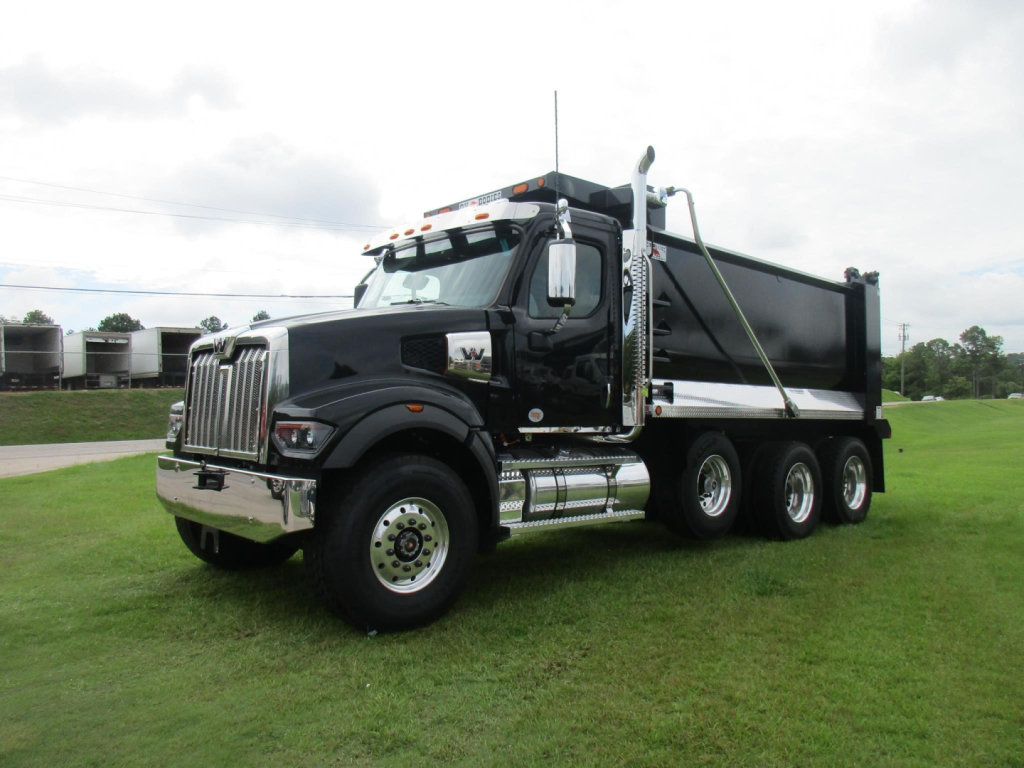
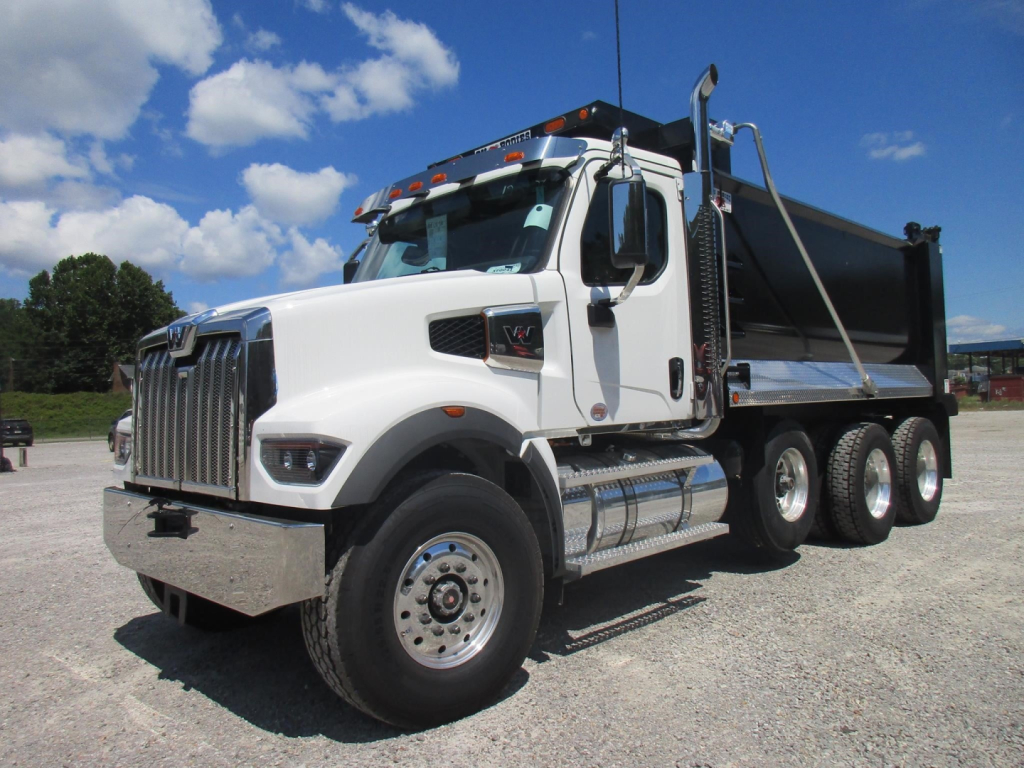
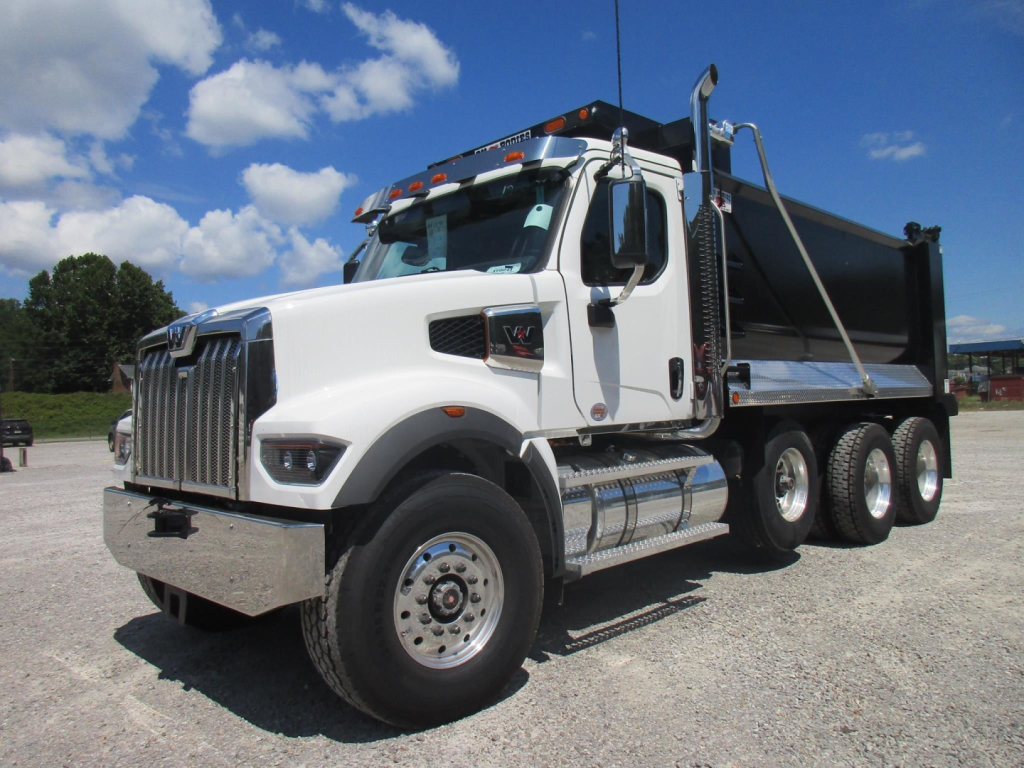
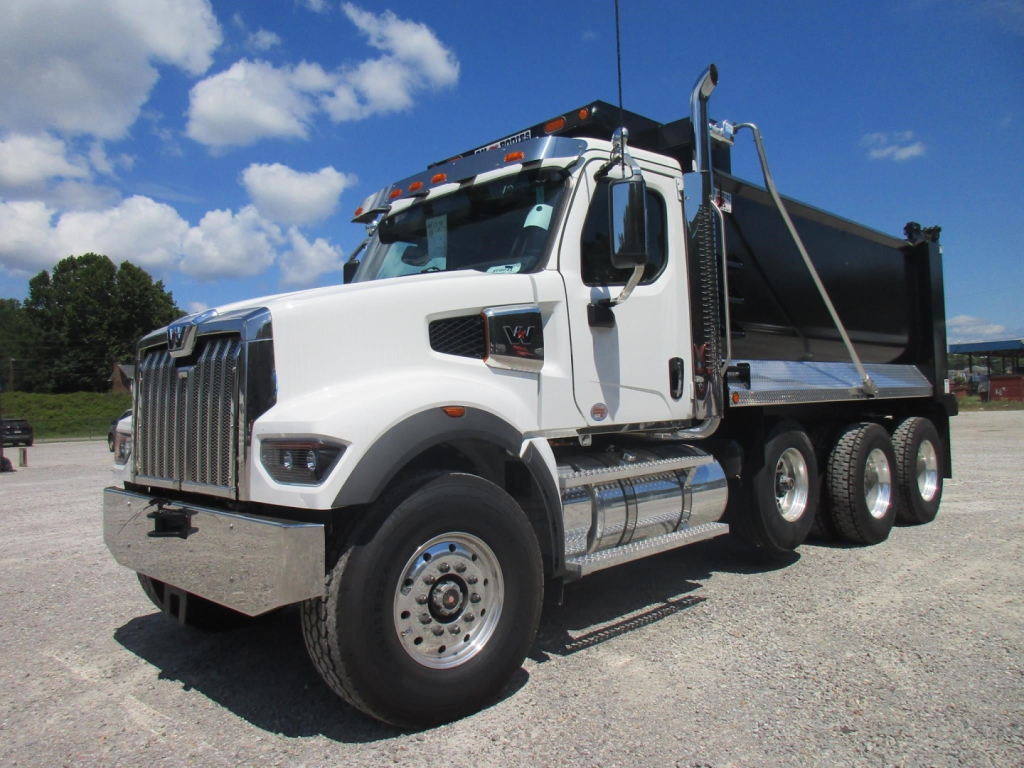
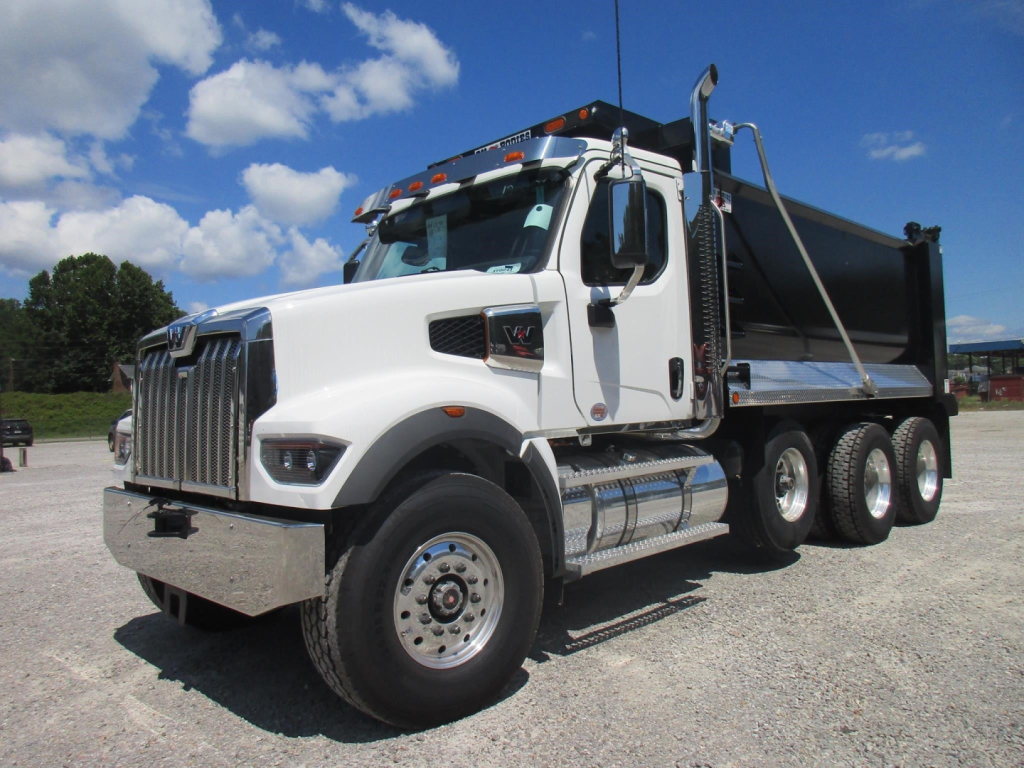
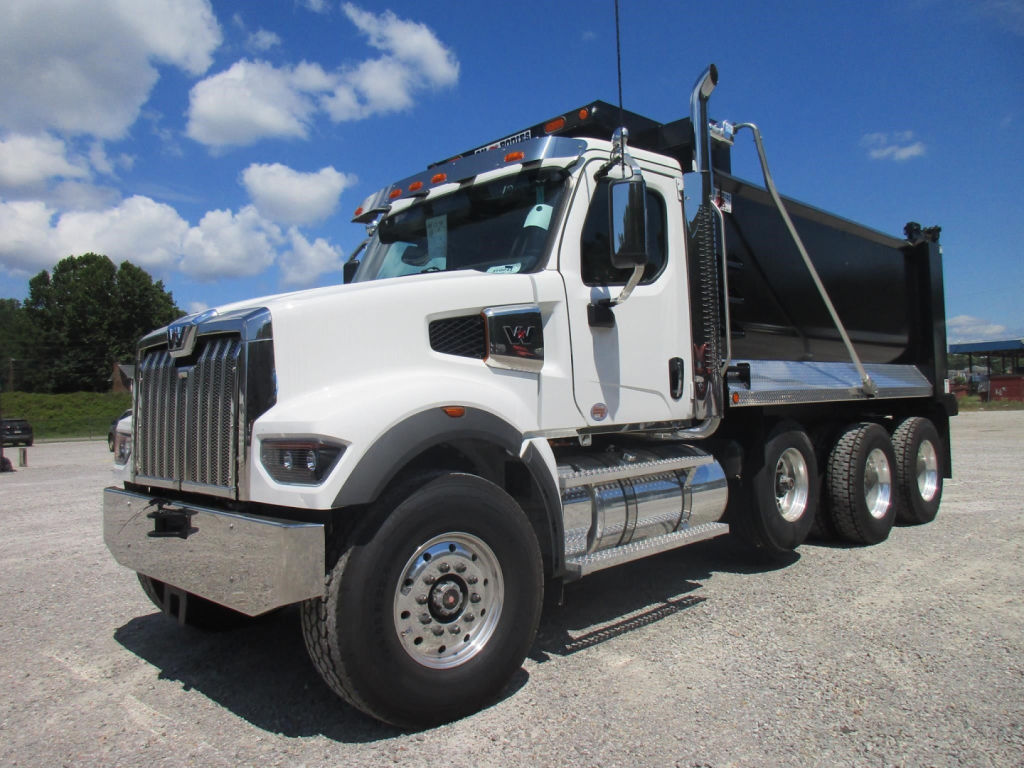
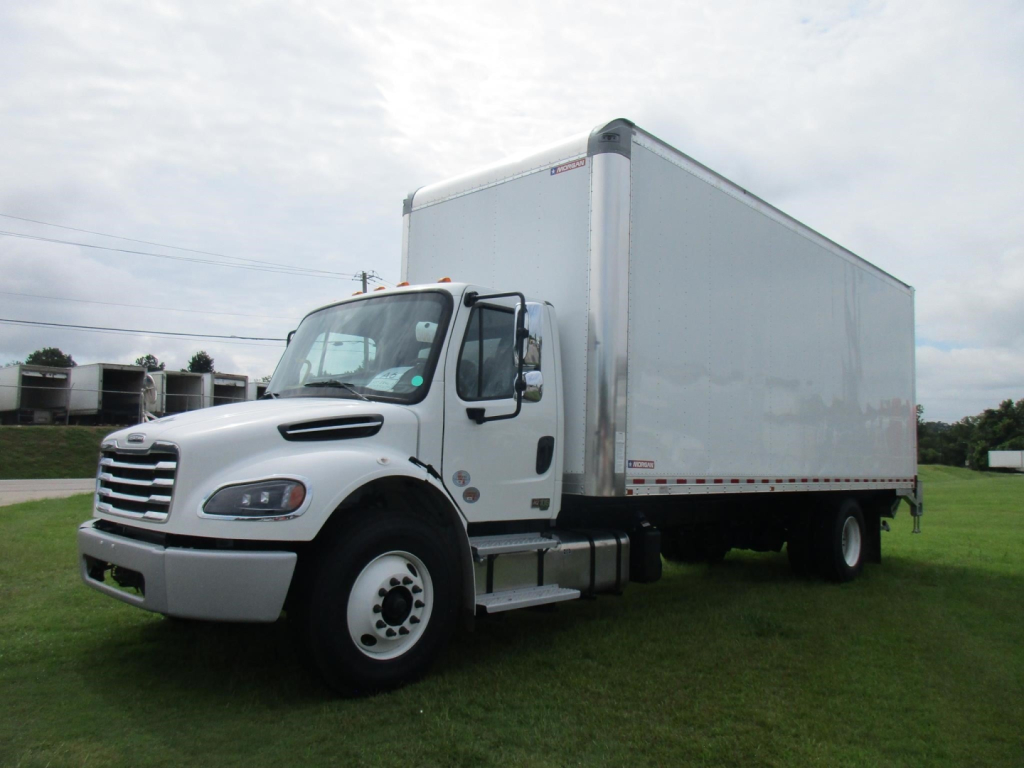
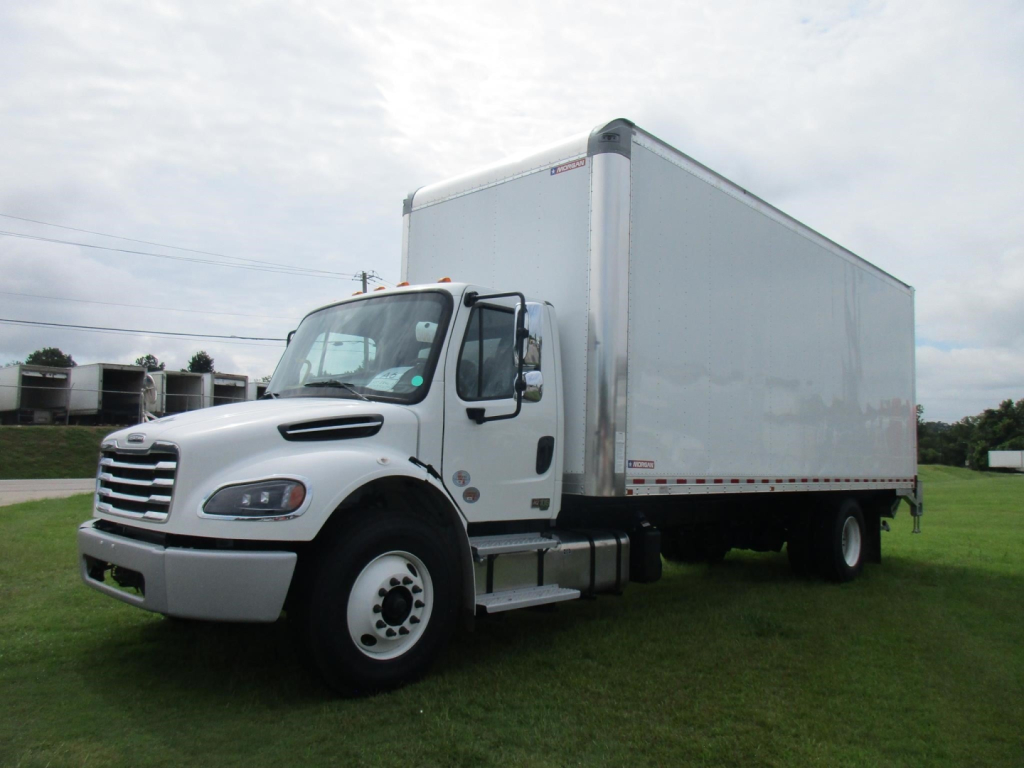
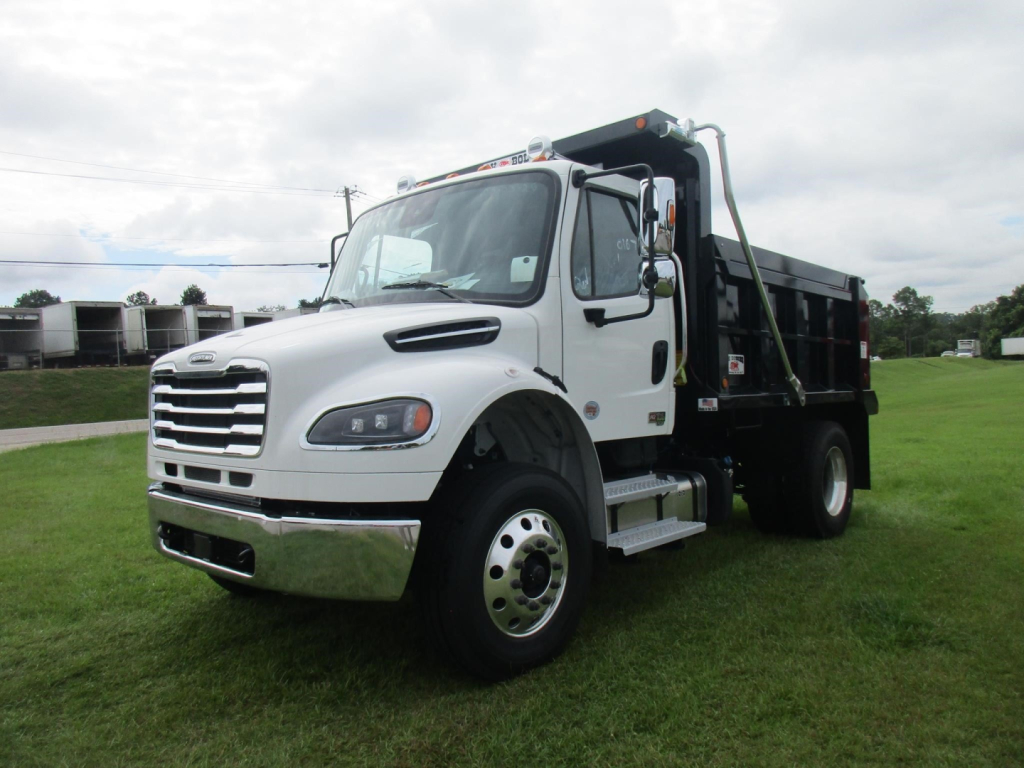
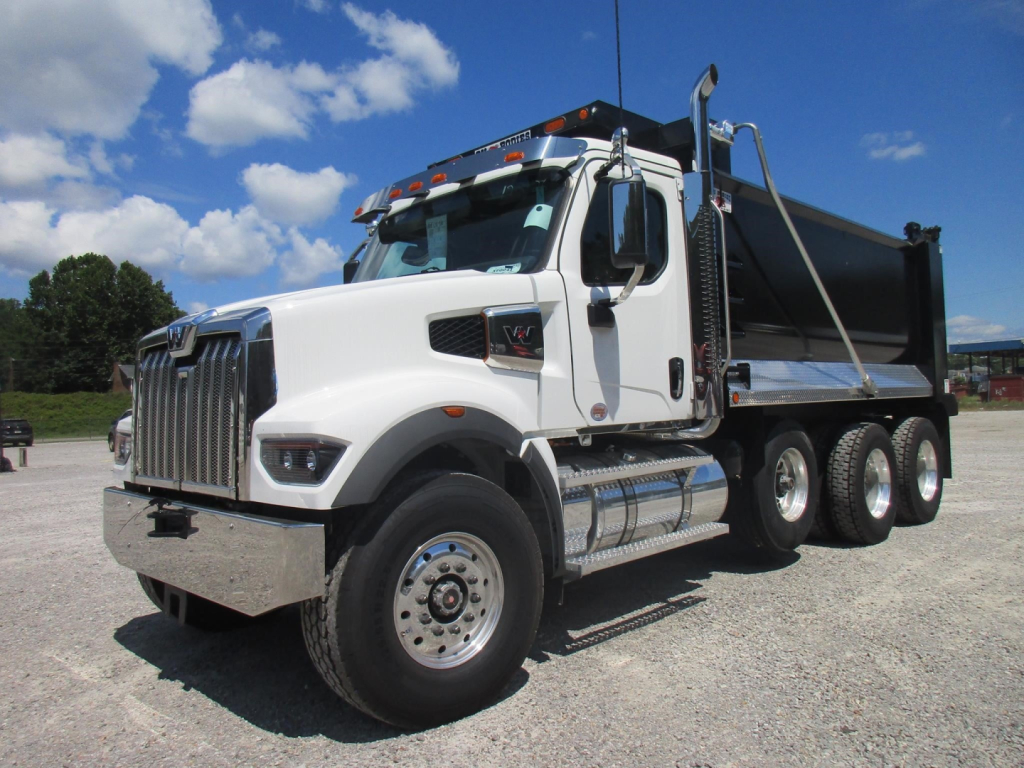
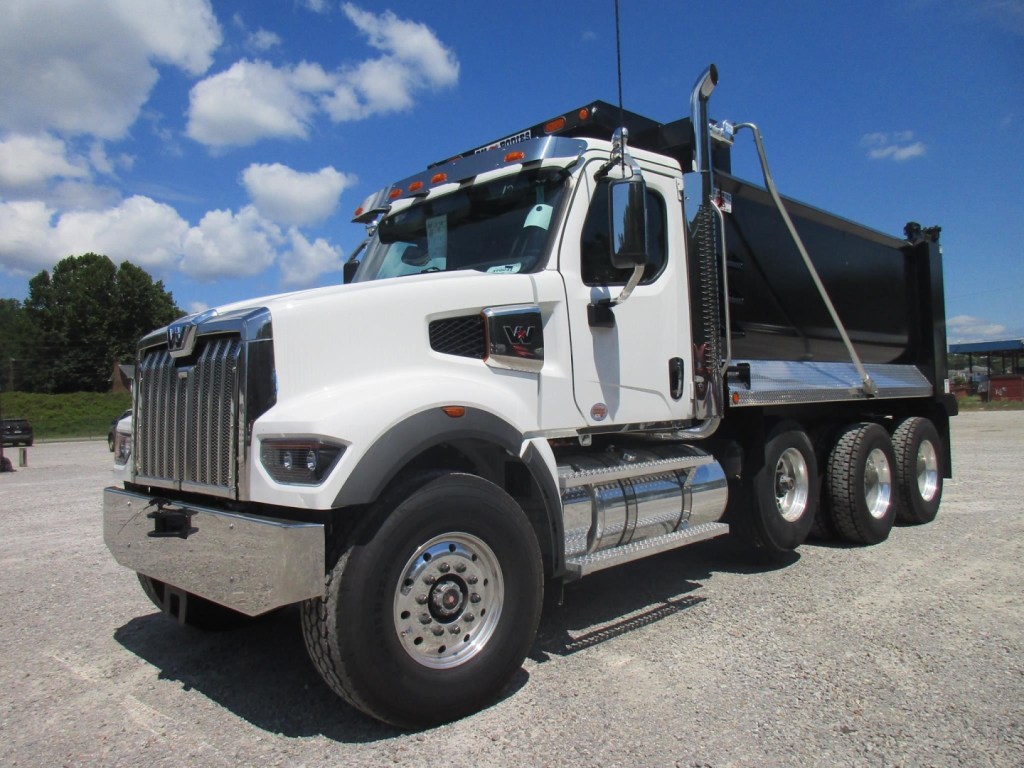
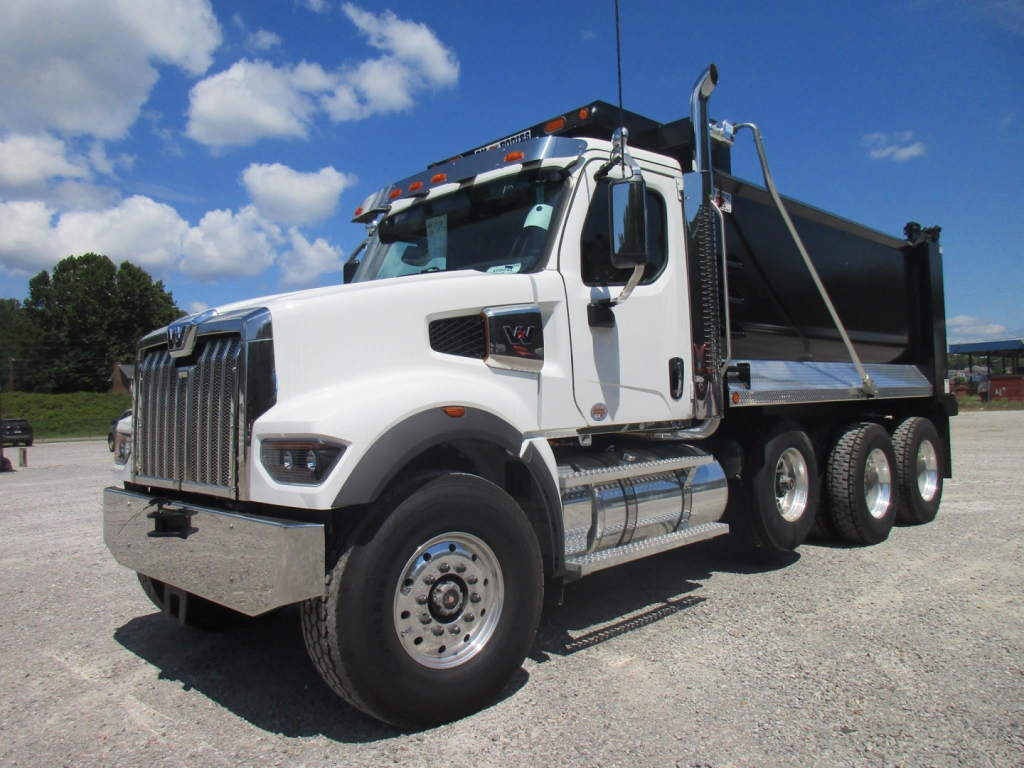
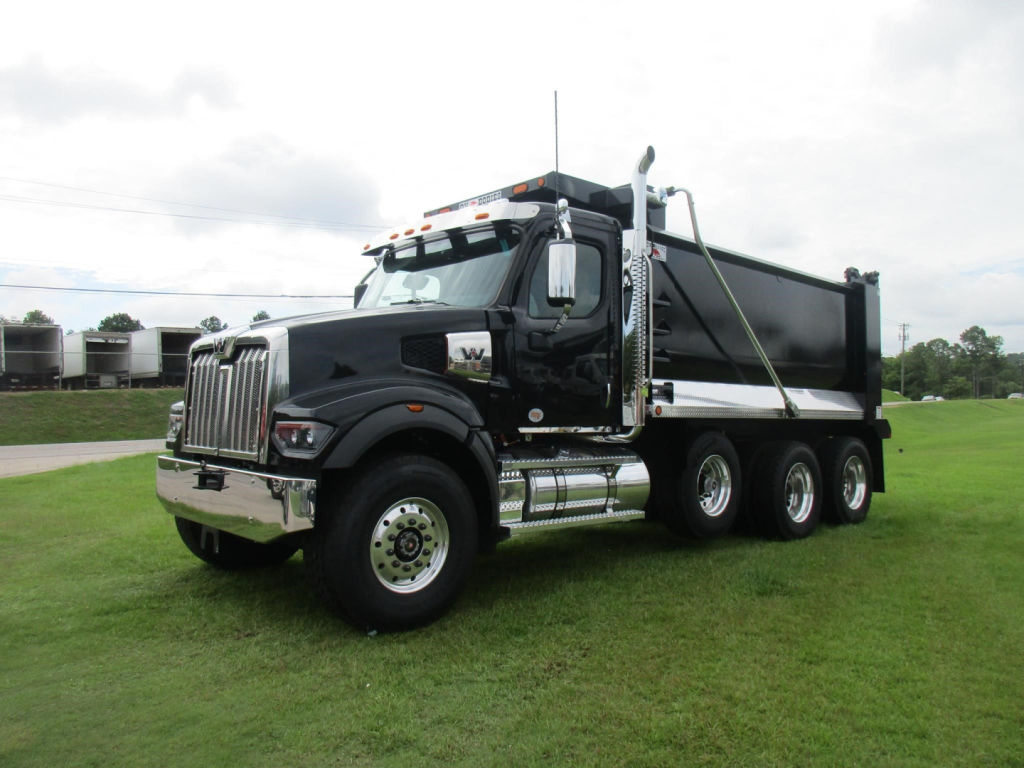
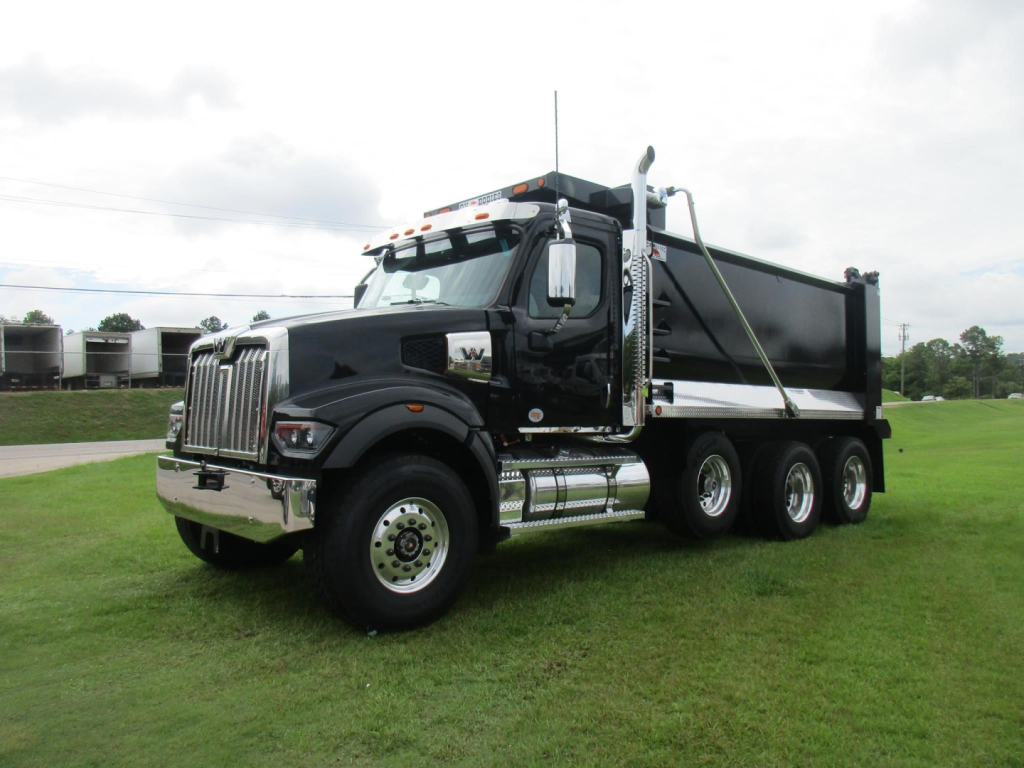
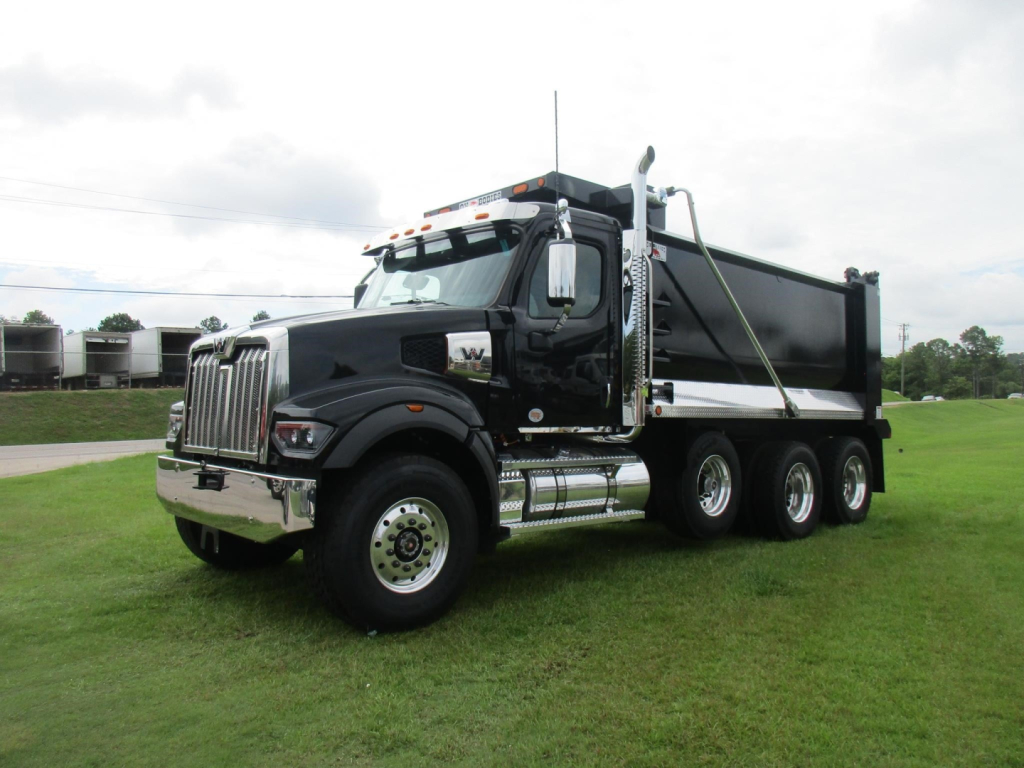
Showing 1 to 28 of 126 results
Selling a commercial truck? List your commercial truck for sale and reach thousands of commercial buyers.
Commercial Trucks in Alabama
Tare weight and corrosion resistance are linked to materials and coatings. Aluminum cabs, wheels, and fuel tanks shed hundreds of pounds, composite fairings and bolted crossmembers can cut more, stainless fasteners and e coated frames help in humid and coastal parts of Alabama. If the truck sees quarry roads or timber jobs, consider a double frame or full length liners, recognize the weight penalty. Wide base singles reduce tare and rolling resistance, duals offer redundancy and better traction on soft sites. Automatic tire pressure monitoring preserves casing life and improves fuel burn.
Floor strength and body construction dictate service life and residual. On box trucks, look for laminated hardwood or aluminum plank floors with 12 inch crossmember spacing for high pallet densities, 16 inch spacing suits lighter freight and trims weight. Add scuff liners and logistics posts to protect walls and secure loads. Dump bodies benefit from AR400 or Hardox steel with proper thickness at the floor and tail, smooth beds shed material faster, heavy floors last longer and add pounds. Flatbeds with apitong or aluminum decking balance grip, corrosion resistance, and tare. For refrigerated straight trucks, thermal integrity hinges on foam density, true foam in place walls, sealed seams, high R value doors, and intact door gaskets, every air leak raises fuel use and shortens equipment life.
Powertrain and cooling packages should fit heat, hills, and speed. Spec torque that matches startability on grades, then choose axle ratios and automated transmissions that keep engines in the sweet spot at Alabama highway speeds. Larger charge air coolers, high capacity radiators, and grille shutters help in summer heat. Disc brakes shorten stops and ease maintenance, drums offer lower upfront cost. For sleepers, cab insulation, high efficiency HVAC, and battery APUs cut idle time and improve thermal comfort. PTO provisions, front frame extensions, and high output alternators matter on mixers, dumps, and service trucks, build for the attachment, not after the fact.
Frequently Asked Questions about Commercial Trucks in Alabama
How do I balance tare weight and durability on a box truck for urban routes in Alabama?
Use an aluminum or composite body with laminated hardwood or aluminum plank floors, select 12 inch crossmember spacing for dense freight or 16 inch to save weight, add scuff liners to prevent wall damage without adding much tare, and run aluminum wheels and smaller fuel capacity matched to route length. Ensure axle ratings and suspension match GVWR so payload is not lost to overweight components you do not need.
What matters most for dump truck body floors and frames in humid or coastal parts of Alabama?
Choose abrasion resistant steel like AR400 or Hardox for the floor and lower sides, size thickness to your material, thicker for rock, thinner for dirt and asphalt to save weight. Pair with an e coated or galvanized chassis and stainless hardware to resist corrosion, add proper underbody wash access. A double frame or full length liner increases rigidity for heavy work, but adds significant tare and should be justified by the payload and route.
How can I evaluate thermal integrity on a refrigerated straight truck?
Inspect wall and roof construction for true foam in place insulation, continuous seams, and intact vapor barriers. Check door gaskets, hinges, and latch alignment, look for uniform skin surfaces and sealed penetrations. Higher R values reduce unit run time and fuel burn, aluminum scuff and wear bands protect panels without compromising insulation. Verify the reefer capacity and standby options match your temperature set points and dwell time in Alabama heat.
Is a 6x2 axle configuration practical for regional Alabama hauling?
A 6x2 can cut tare and rolling resistance, improving fuel economy, but traction can suffer on wet job sites and steep yards. If routes are mostly paved and loads are consistent, a 6x2 with load shifting or liftable tag and good traction control works well. For mixed off road or heavy vocational work, a 6x4 with locking differentials offers better grip at the cost of extra weight and complexity.
What chassis and cooling specs help semi trucks handle Alabama summers?
Select a cooling package with higher capacity radiators, efficient charge air coolers, and clean airflow management, verify fan drive strategy and shrouding. Match axle ratios to cruise speed so the engine stays in its efficient band, this reduces heat load. Consider disc brakes for fade resistance, spec fuel and DEF tank placement to maintain weight balance, and use insulation and battery powered HVAC in sleepers to maintain cab comfort without extended idling.