
Day Cab Trucks For Sale in Alabama
Browse day cab trucks for sale in Alabama. Compare Class 8 specs, wheelbase, engine, axle ratings, and transmission options.
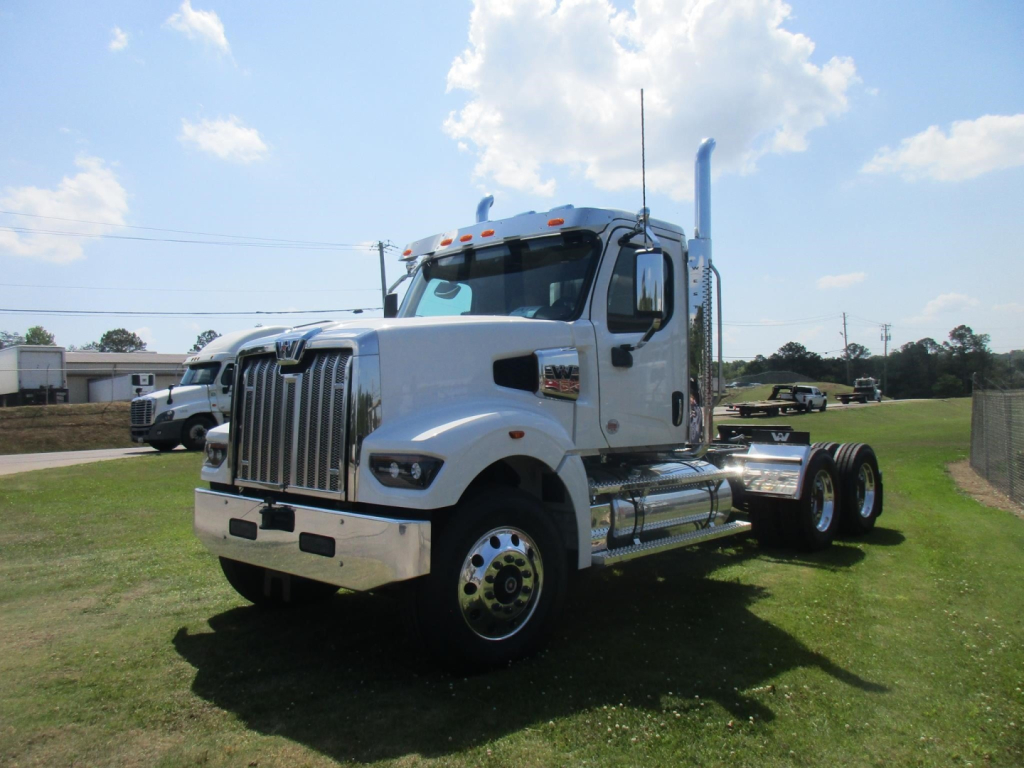
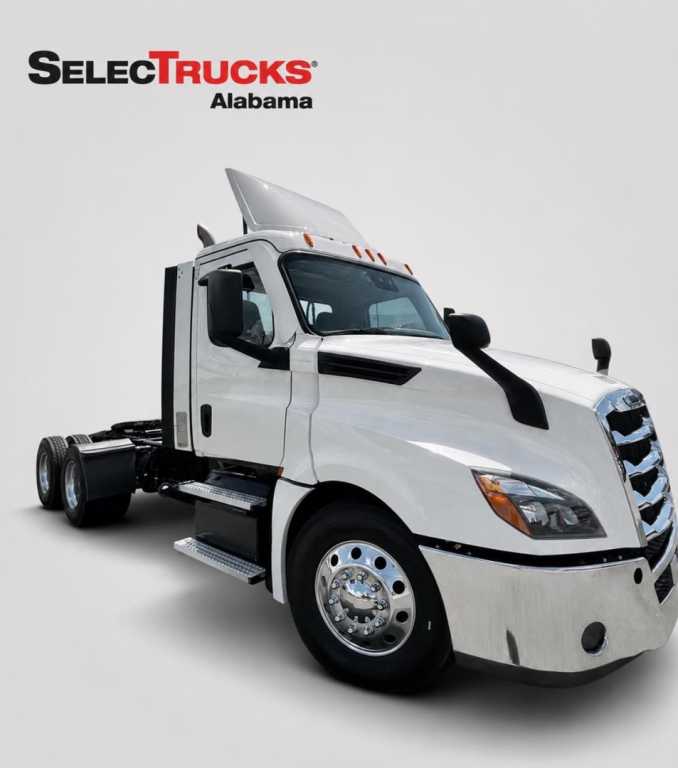
2021 Freightliner Cascadia 126
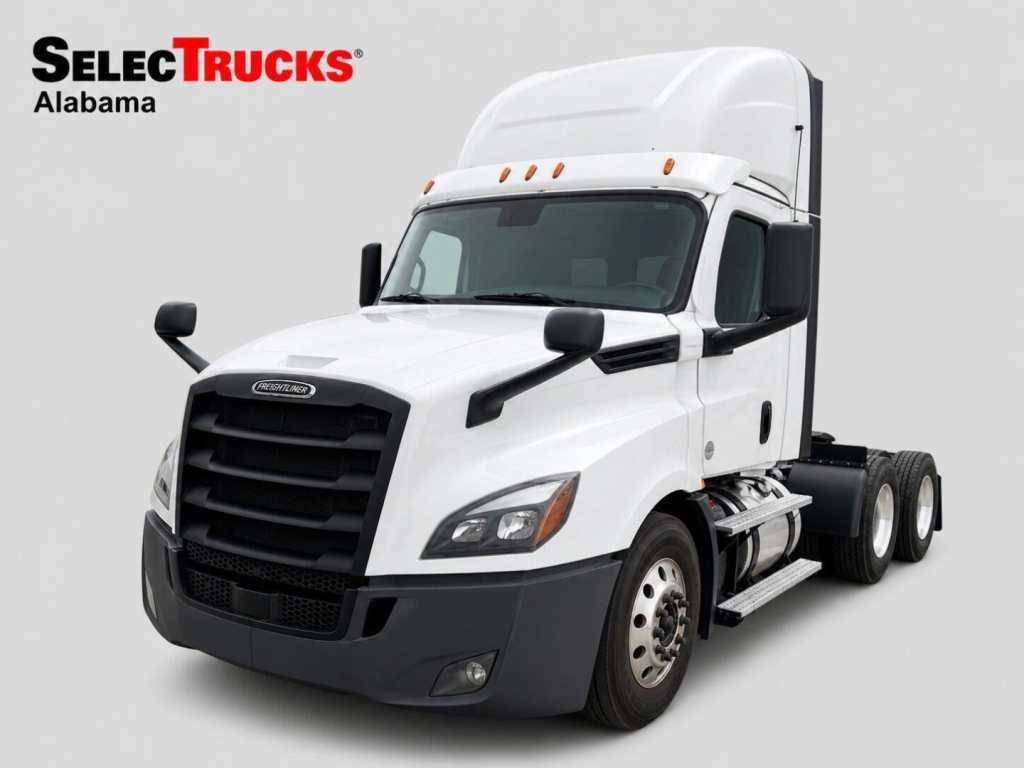
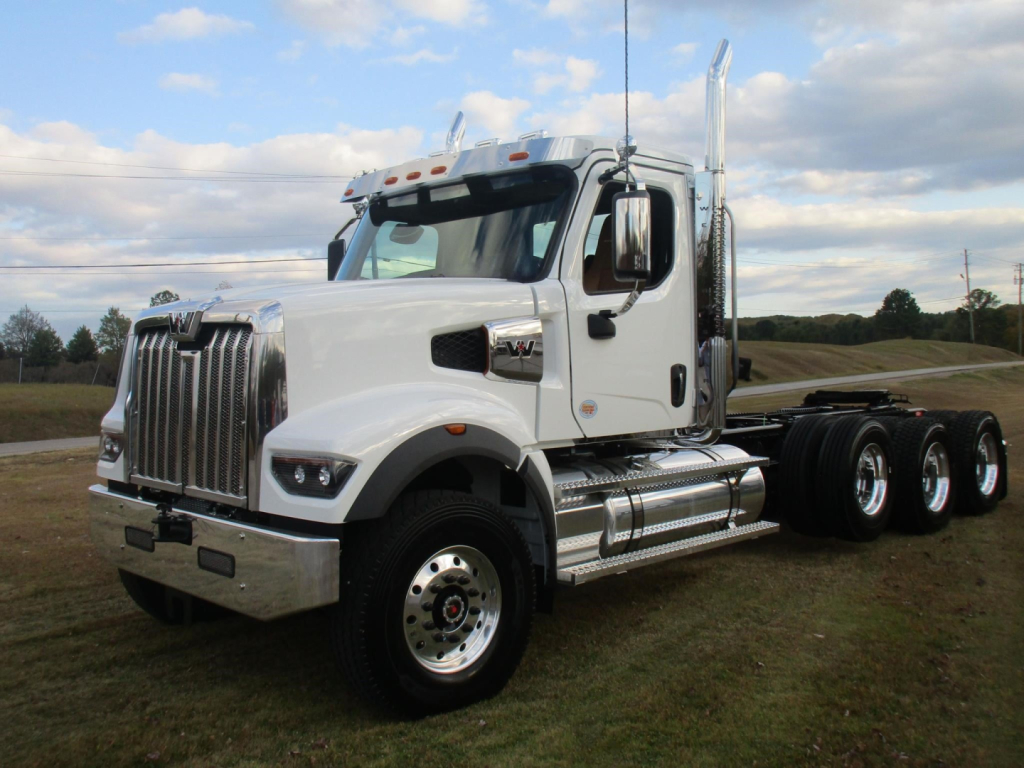
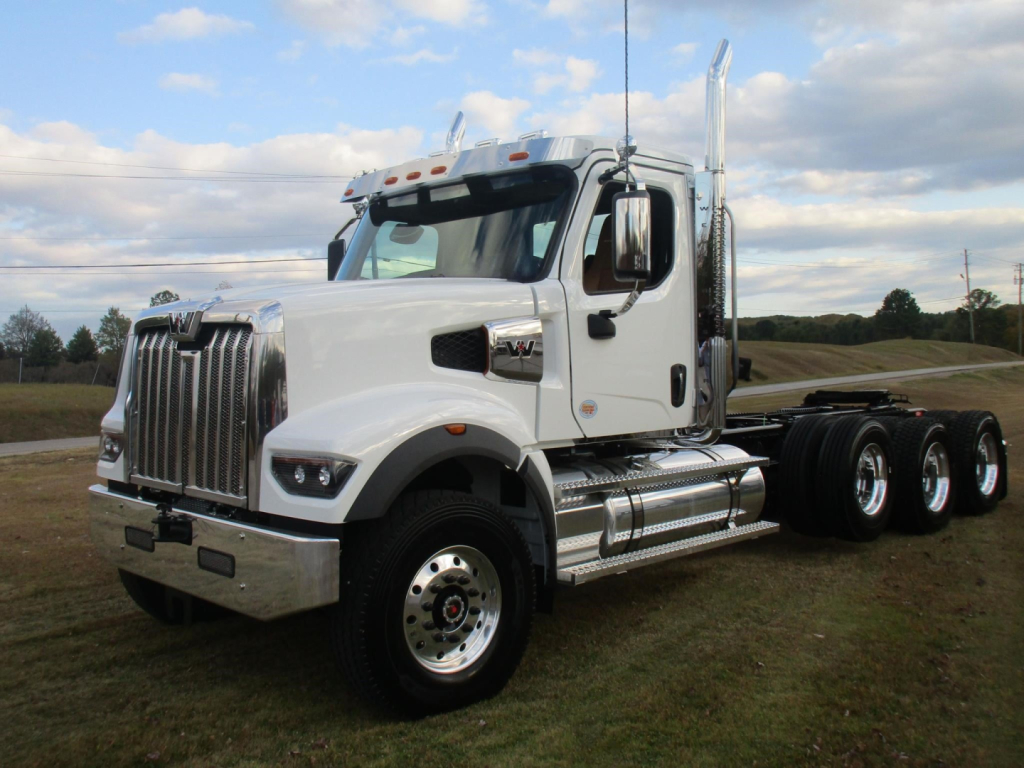
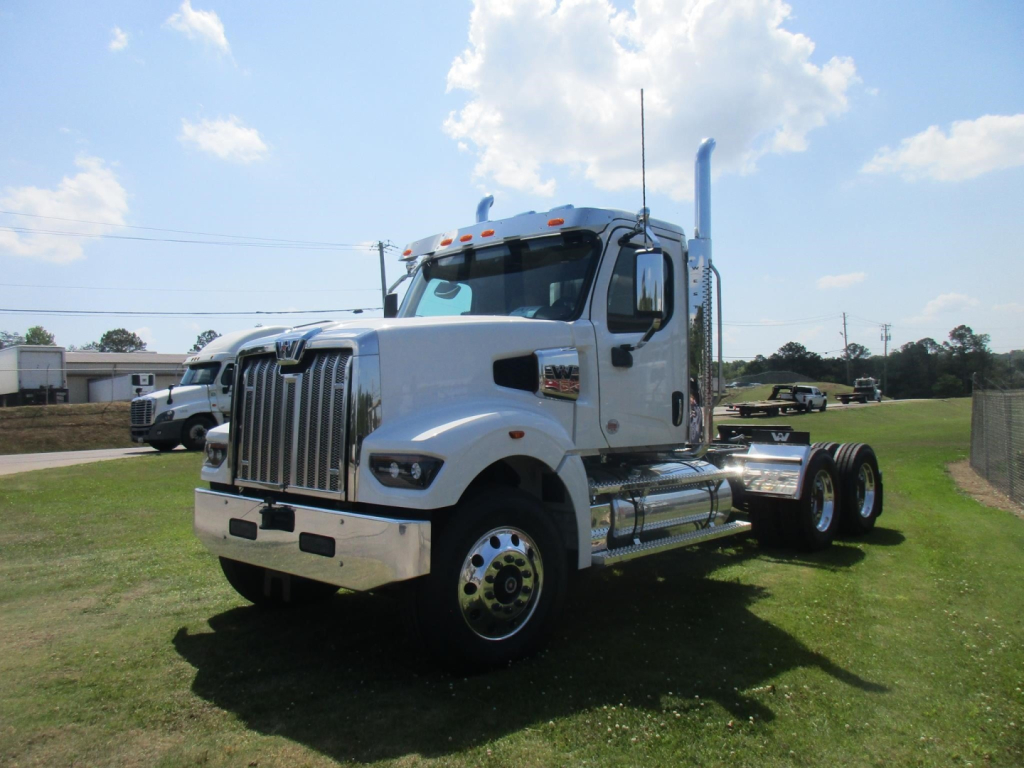
Selling a day cab truck? List your day cab truck for sale and reach thousands of commercial buyers.
Day Cab Trucks in Alabama
The main buying decision usually starts with the chassis and driveline. Most Class 8 day cabs are spec'd as 6x4 tandem axle tractors, often with rear axle ratings around 40,000 to 46,000 pounds and front axle ratings that vary significantly depending on the intended load and vocational setup. Wheelbase is a critical number. Shorter wheelbases, often in the low 200-inch range, are better for tight maneuvering and trailer spotting, while longer wheelbases can support heavier front axle loads, larger fuel capacity, or more stable handling with specialized trailer configurations. Engine choices commonly range from efficient 13-liter platforms up to 15-liter heavy-haul specs, with horsepower in the 450 to 600-plus range depending on duty cycle, terrain, and gross combination weight expectations.
Transmission and suspension choices have a direct impact on operating cost and driver acceptance. Automated manual transmissions are now common in day cab applications because they reduce driver fatigue in traffic, help standardize shifting, and can improve clutch life and fuel economy when spec'd correctly. Buyers should still look closely at gear count, low-end ratio, and how the transmission matches the rear axle ratio and tire size. Air ride suspension is popular for ride quality and freight protection, while the fifth wheel setup deserves attention if the truck will handle different trailer lengths or frequent kingpin setting changes. A sliding fifth wheel adds flexibility, but frame layout, pusher or lift axle needs, and PTO requirements may matter more for certain dump, tanker, or vocational tractor applications.
A good day cab spec is application-specific. For general regional freight, a balanced spec with a mid-range wheelbase, air ride, and a fuel-efficient 13-liter engine can make sense. For severe duty, lowboy, or high-GCW work, buyers often move toward heavier front axles, stronger rear suspensions, and 15-liter power with higher horsepower and torque ratings. Cab visibility, driver entry height, brake package, and service network also matter more than they do on paper, especially for fleets covering mixed interstate and secondary-road miles across Alabama. The best way to compare day cab trucks is to match axle ratings, wheelbase, engine family, transmission type, and fifth wheel arrangement to the exact trailers, routes, and loading conditions the truck will see every week.
Frequently Asked Questions about Day Cab Trucks in Alabama
What is a day cab truck used for?
A day cab truck is a road tractor without a sleeper compartment, designed for short-haul and regional work where the driver does not need overnight accommodations. Common applications include local freight, dedicated routes, drayage, tanker work, flatbed service, dump and vocational tractor duty, and port or terminal operations. The shorter cab helps reduce overall length and usually improves maneuverability compared with a sleeper tractor.
What wheelbase is best for a day cab truck?
The best wheelbase depends on the trailer type, axle weight distribution, and operating environment. A shorter wheelbase is usually preferred for city delivery, yard work, and tight turning conditions. A longer wheelbase can be a better fit when the truck needs higher front axle capacity, larger fuel tanks, or more stable weight placement with specialized trailers. Buyers should match wheelbase to kingpin settings, bridge law requirements, and expected trailer swing clearance.
Are AMT transmissions a good choice in a day cab?
Yes, AMT transmissions are a strong fit for many day cab applications, especially in regional and urban service with frequent stops, traffic, and multiple drivers. They help reduce driver fatigue, support more consistent operation, and can improve fuel economy when paired properly with the engine and axle ratio. For heavy vocational or specialized haul work, the transmission's torque rating, launch performance, and low-speed control are more important than the AMT label alone.
How much horsepower does a Class 8 day cab need?
Horsepower needs vary by gross combination weight, terrain, trailer type, and average speed. Many regional freight day cabs perform well in the 450 to 525 horsepower range, especially with modern torque curves and proper gearing. Heavy haul, mountain grades, and high-GCW applications often justify 565 to 605 horsepower or similar high-output ratings. Torque, rear axle ratio, and transmission gearing are just as important as peak horsepower when evaluating pulling performance.
What should I check first when comparing day cab trucks for sale in Alabama?
Start with the intended application, then compare axle ratings, wheelbase, engine family, transmission type, suspension, and fifth wheel setup. Alabama operations can involve interstate freight, construction support, port-related hauling, and mixed urban-rural routes, so maneuverability and legal weight distribution both matter. A truck that looks similar on paper can perform very differently depending on front axle capacity, frame layout, and how the driveline is spec'd for the work.