
Freightliner Day Cab Trucks For Sale in Alabama
Shop Freightliner day cab trucks in Alabama. Compare Cascadia specs, DD13 power, DT12 transmissions, wheelbases, and regional haul setups.
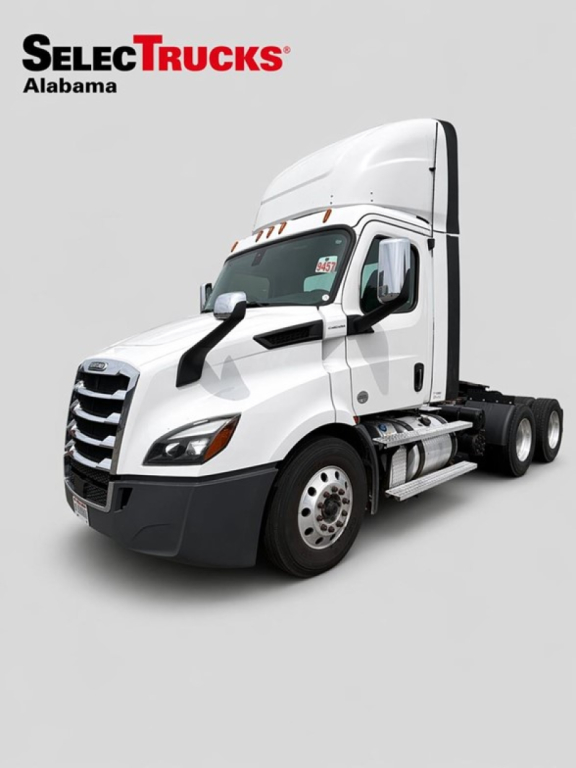
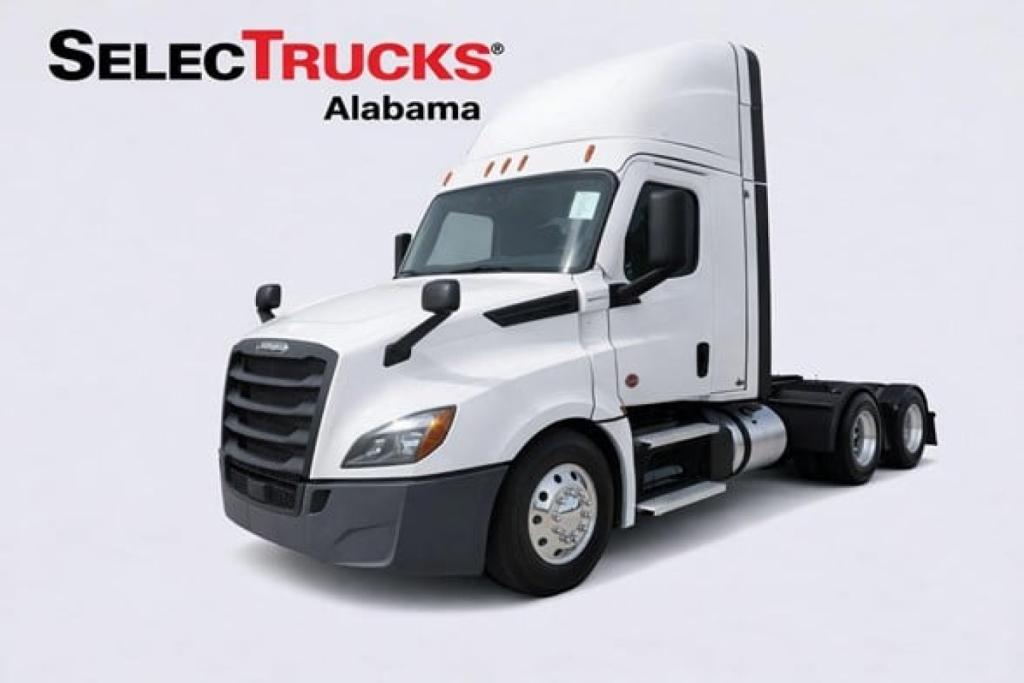
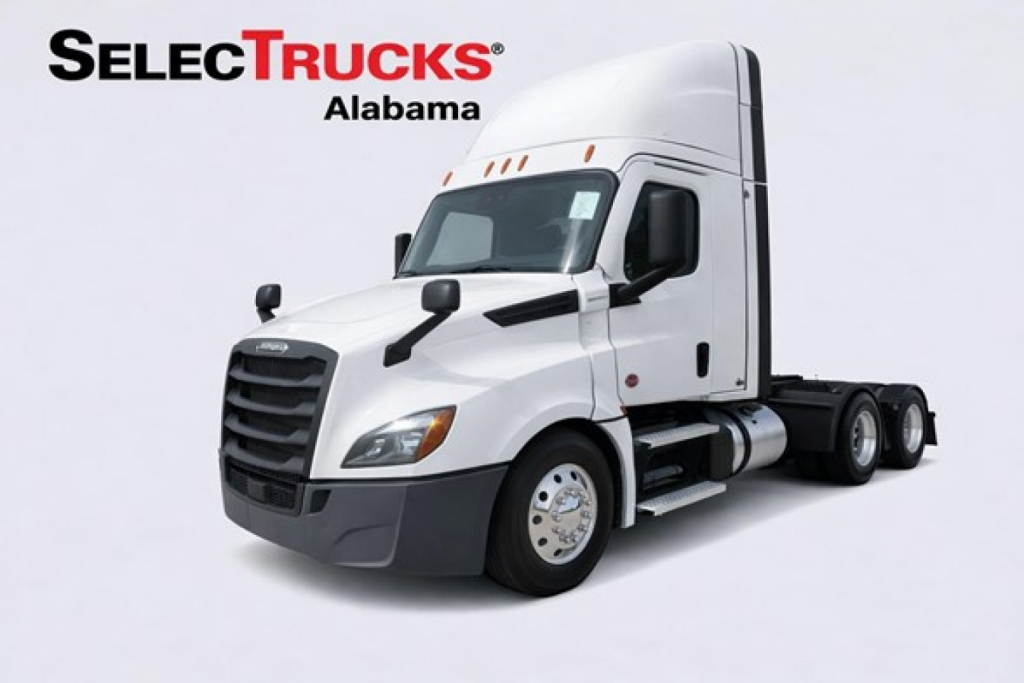
Have freightliner day cab truck to sell? List it here to reach thousands of buyers.
Freightliner Day Cab Trucks in Alabama
For many buyers, the spec sheet matters more than the badge on the hood. Common Freightliner day cab setups include a Detroit DD13 engine in the 450 HP range, a Detroit DT12 automated manual transmission, tandem axles, and a 6x4 drivetrain. Wheelbases in the mid-170-inch to 180-inch range are common because they balance trailer clearance, bridge law flexibility, and maneuverability in tighter yards. Rear axle ratios like 2.41 or 3.08 can change the truck's character significantly. A 2.41 ratio generally favors fuel-efficient highway operation, while a 3.08 ratio can be a better fit for mixed regional work, heavier starts, or routes with more stop-and-go driving.
Buyers should pay close attention to fifth wheel setup, suspension, fuel capacity, and overall fleet spec. An air slide fifth wheel adds versatility if the truck will pull multiple trailer lengths or operate across varied kingpin settings. Air ride suspension remains a preferred choice for ride quality and cargo protection. Fuel capacity should match the route profile. A 130-gallon to 160-gallon setup is common on regional day cabs and can reduce fueling frequency without adding unnecessary weight. Aluminum wheels, fairings, and aerodynamic Cascadia bodywork can also help lower operating cost over time, especially for fleets focused on fuel burn and highway miles.
Condition and maintenance history are just as important as engine and transmission choice. Freightliner day cabs often come out of large fleets, which can be a positive when service intervals, software updates, and emissions maintenance were handled consistently. Check for brake and tire wear, aftertreatment service records, clutch and transmission calibration history on DT12-equipped trucks, and any signs of excessive idle time or repeated fault activity. A well-spec'd Freightliner day cab can be a very efficient Class 8 tractor for buyers who need reliable pulling power, good driver acceptance, and a truck that is easy to service across a wide operating area.
Frequently Asked Questions about Freightliner Day Cab Trucks in Alabama
What are Freightliner day cab trucks best used for?
Freightliner day cab trucks are best suited for regional hauling, local delivery, intermodal drayage, dedicated contract freight, terminal-to-terminal moves, and other operations where the driver returns home daily. They remove the weight and cost of a sleeper while keeping full Class 8 capability. That makes them a strong fit for buyers focused on payload, maneuverability, and lower operating cost on shorter or repeatable routes.
Is a Freightliner Cascadia day cab a good choice for fuel economy?
Yes, a Freightliner Cascadia day cab is widely considered a strong fuel economy platform when properly spec'd. Aerodynamic body design, Detroit powertrains, automated manual transmissions like the DT12, and faster rear axle ratios can all contribute to lower fuel consumption on highway and regional lanes. Actual results depend on trailer type, route terrain, idle time, speed policy, and payload, so buyers should match the axle ratio and fuel capacity to the work rather than chase a single number.
What should I look for in a used Freightliner day cab?
The priority items are engine service history, emissions system records, transmission calibration and clutch data, suspension condition, brake life, tire wear pattern, and fifth wheel condition. Buyers should also verify wheelbase, axle rating, rear axle ratio, and fuel tank capacity against their intended application. On fleet trucks, a documented preventive maintenance schedule can be more valuable than cosmetic appearance because it gives a better picture of long-term uptime potential.
What is the difference between a 2.41 and 3.08 rear axle ratio on a day cab?
A 2.41 rear axle ratio is typically chosen for fuel-efficient highway operation at lower engine rpm, especially on lighter or steady-speed regional runs. A 3.08 ratio generally provides stronger launch feel and can be better suited to mixed service, more frequent stop-and-go driving, or heavier loads. Neither ratio is automatically better. The right choice depends on gross combination weight, average speed, terrain, and how often the truck starts and stops in daily service.
Why do many Freightliner day cabs use the Detroit DD13 and DT12 combination?
The Detroit DD13 and DT12 combination is common because it offers a practical balance of horsepower, torque, fuel efficiency, and service support. The DD13 is well suited for regional and highway tractor work, while the DT12 automated manual transmission helps standardize shifting behavior and reduce driver fatigue. For many fleets, that combination also simplifies training and can support more consistent operating costs across multiple trucks.