
2025 Commercial Trucks For Sale in Alabama
Shop 2025 trucks for sale in Alabama. Compare cab and chassis, dump, day cab, and vocational truck specs for regional, municipal, and fleet use.
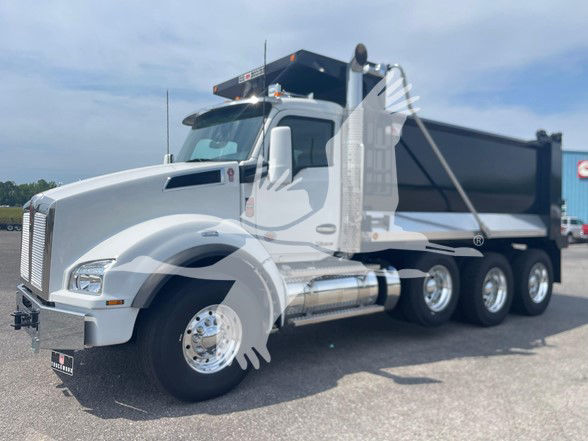
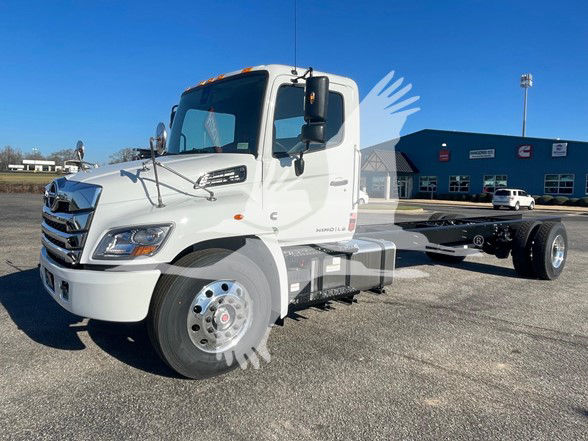
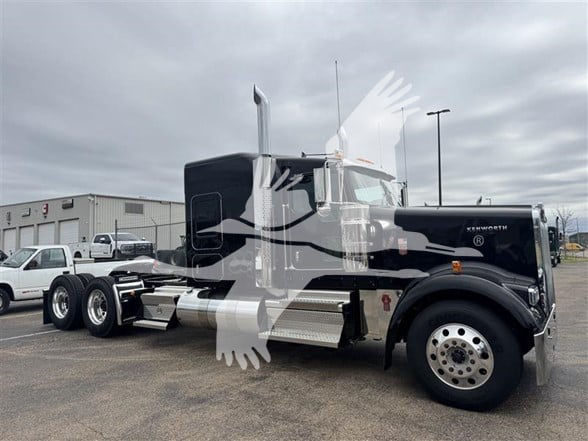
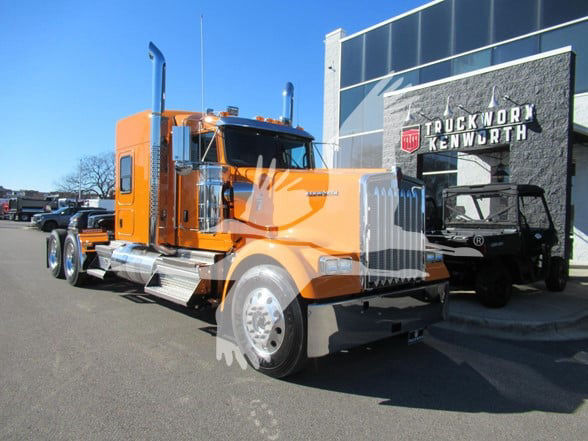
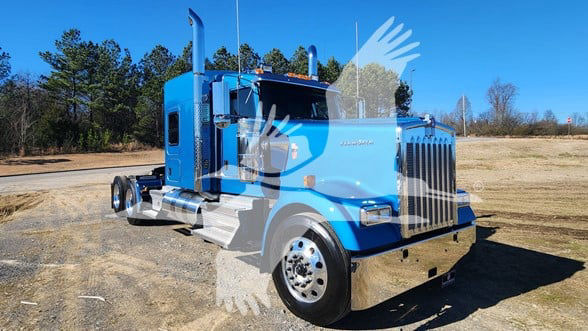
2025 Kenworth W900L
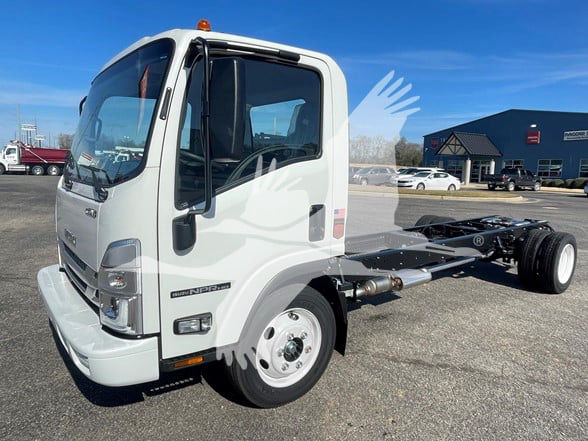
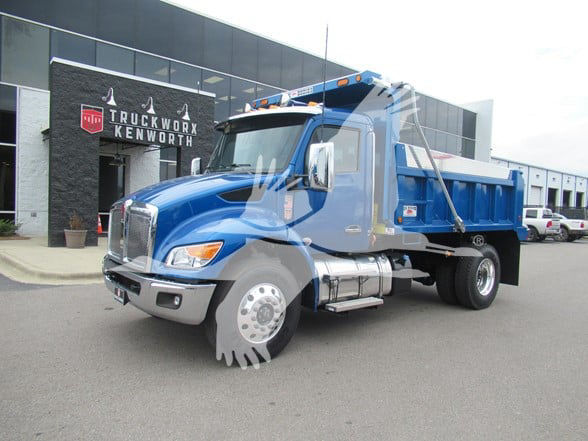
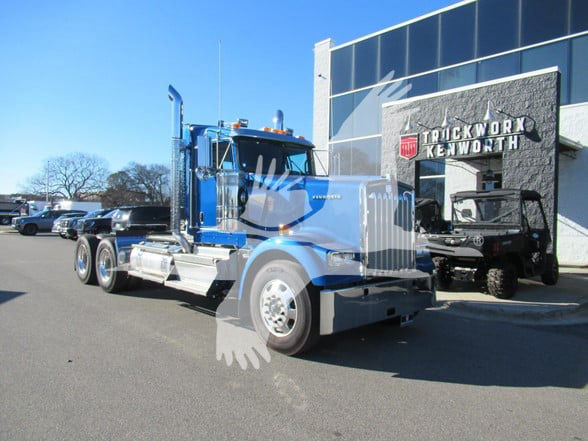
2025 Kenworth W900L
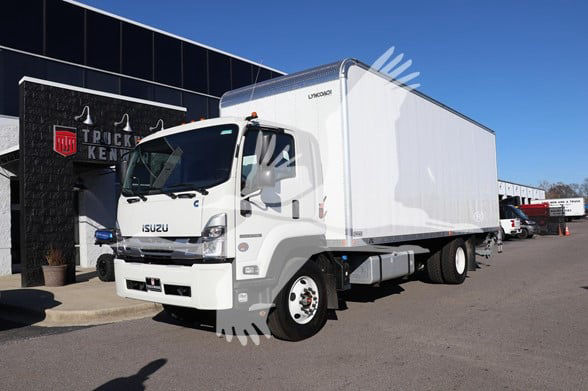
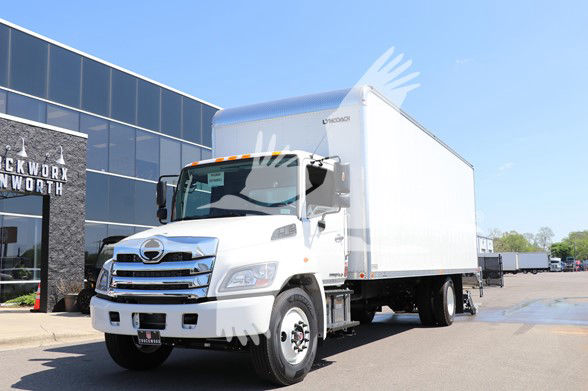
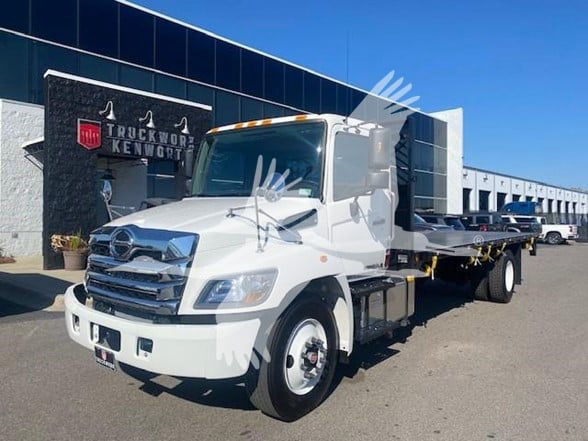

Selling a 2025 commercial truck? List your 2025 commercial truck for sale and reach thousands of commercial buyers.
2025 Commercial Trucks in Alabama
Buyers comparing 2025 trucks should pay close attention to engine class, transmission choice, and rear axle ratio because those three specs determine how the truck performs once it is loaded and working every day. Medium-duty models commonly fall in the 260 to 380 horsepower range and are often spec'd with automatic transmissions for route work, delivery, or utility applications. Heavy vocational trucks, including dump configurations, typically move into higher horsepower ratings, manual or automated manual transmissions, heavier suspensions, and more aggressive axle ratios for startability and PTO work. Tandem and tri-axle layouts are common when payload, bridge law, or body weight drives the spec. Tire size, brake package, and suspension design also affect ride quality, maintenance cost, and intended terrain.
A 2025 model year truck also appeals to buyers focused on emissions compliance, warranty coverage, and updated driver-assistance technology. Newer trucks may include improved diagnostics, collision mitigation systems, lane departure warning, electronic stability controls, and more refined cab ergonomics. For fleet buyers, that can mean less downtime, easier driver onboarding, and better lifecycle planning. For owner-operators and contractors, a newer truck may offer a cleaner starting point for a specialized body install or a long service interval before major component work becomes a concern.
On Alabama routes, truck selection often comes down to how the unit will split time between interstate miles, rural roads, and off-pavement job access. A lighter single-axle or medium-duty truck can be easier to maneuver in town and simpler to upfit for local service work. A tandem or tri-axle vocational truck is better suited for aggregate, site development, or severe-duty cycles where frame strength, suspension capacity, and traction are critical. When comparing 2025 trucks, buyers should evaluate intended body type, legal operating weight, wheelbase, engine torque, PTO requirements, and service network support before narrowing down to make and model.
Frequently Asked Questions about 2025 Commercial Trucks in Alabama
What should I look for first when buying a 2025 truck in Alabama?
Start with the truck’s intended application, because that determines the correct chassis class, axle configuration, wheelbase, and suspension. A truck meant for a dump body, utility body, rollback, or straight truck body will need different frame dimensions and weight ratings. Alabama buyers should also consider operating terrain, average payload, bridge compliance, and how much highway versus local jobsite driving the truck will see. Once the application is clear, engine horsepower, torque, transmission type, and rear axle ratio become much easier to match correctly.
Are 2025 cab and chassis trucks a good choice for custom upfits?
Yes. A 2025 cab and chassis truck is often the preferred starting point when the buyer needs a purpose-built body. These trucks are designed to accept upfits such as box bodies, dumps, stake beds, mechanics bodies, service bodies, and utility equipment. The most important measurements are wheelbase, cab-to-axle, frame rail spec, PTO capability, and GVWR. Buyers should confirm body length requirements and any needed auxiliary equipment, because an incorrect chassis dimension can limit body fit or payload distribution.
How do I choose between a medium-duty and heavy-duty 2025 truck?
The decision usually comes down to payload, duty cycle, and body type. Medium-duty trucks are commonly used for delivery, municipal service, light construction support, and utility work where maneuverability and lower operating costs matter. Heavy-duty trucks are better suited for severe service, heavier payloads, off-road conditions, and applications such as dump work or high-demand PTO operation. If the truck will spend most of its life loaded, on rough surfaces, or in stop-and-start vocational use, heavy-duty specs generally provide better durability and longevity.
What specs matter most on a 2025 vocational truck?
The most important specs are GVWR, front and rear axle ratings, suspension type, engine torque, transmission configuration, rear axle ratio, and wheelbase. On vocational trucks, those details directly affect payload, startability, body compatibility, and durability under severe use. Buyers should also check tire size, brake setup, frame reinforcement, and PTO provisions. For dump, utility, or construction work, suspension and axle ratings are often more important than appearance or cab trim because they determine how well the truck will handle real working loads.
Do newer 2025 trucks offer meaningful advantages over older models?
In many cases, yes. A 2025 truck may provide updated emissions systems, factory warranty support, improved safety technology, and better onboard diagnostics. Newer models can also offer more driver-friendly controls, improved visibility, and more efficient powertrain calibration. For fleet buyers, those advantages may reduce downtime and help standardize maintenance planning. For independent operators, a newer truck can mean fewer immediate repair variables and a longer runway before major component replacement becomes part of the ownership cost.