
Freightliner Trucks For Sale in Alabama
Freightliner trucks for sale in Alabama. Compare Cascadia and M2 specs, engines, tare weight, corrosion protection, floor strength and sleeper insulation.
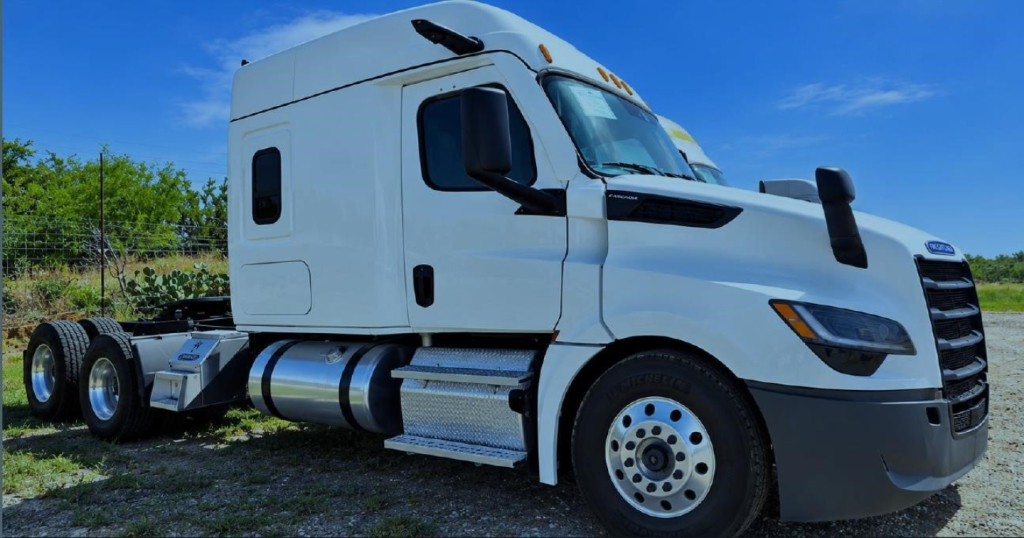
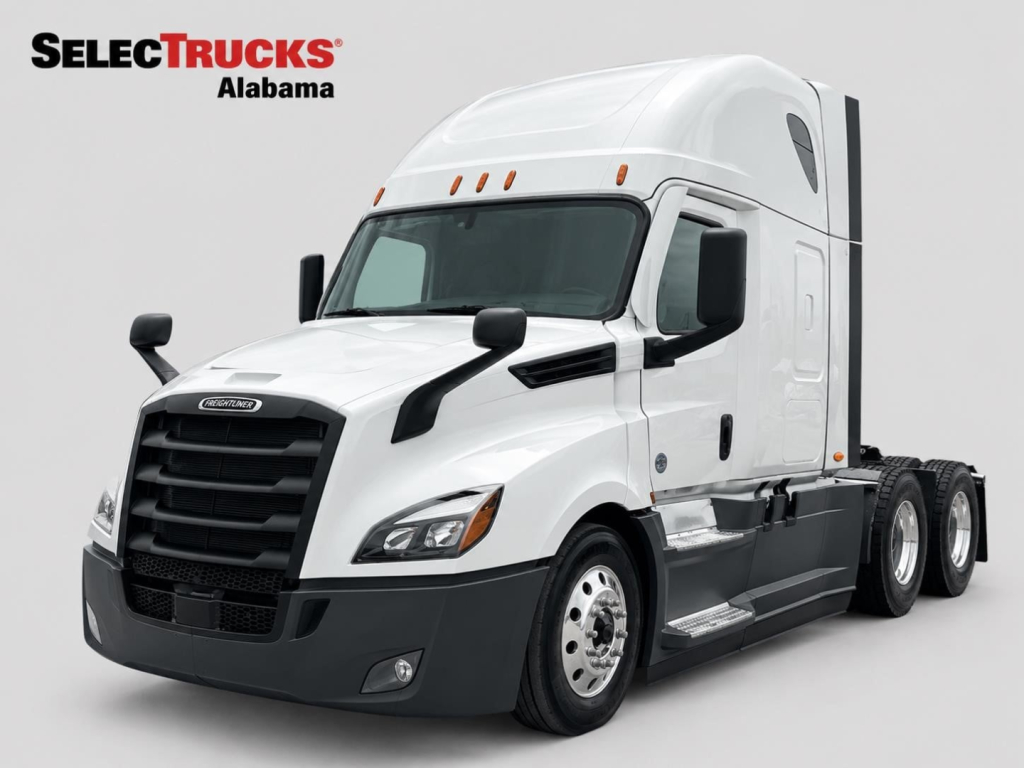
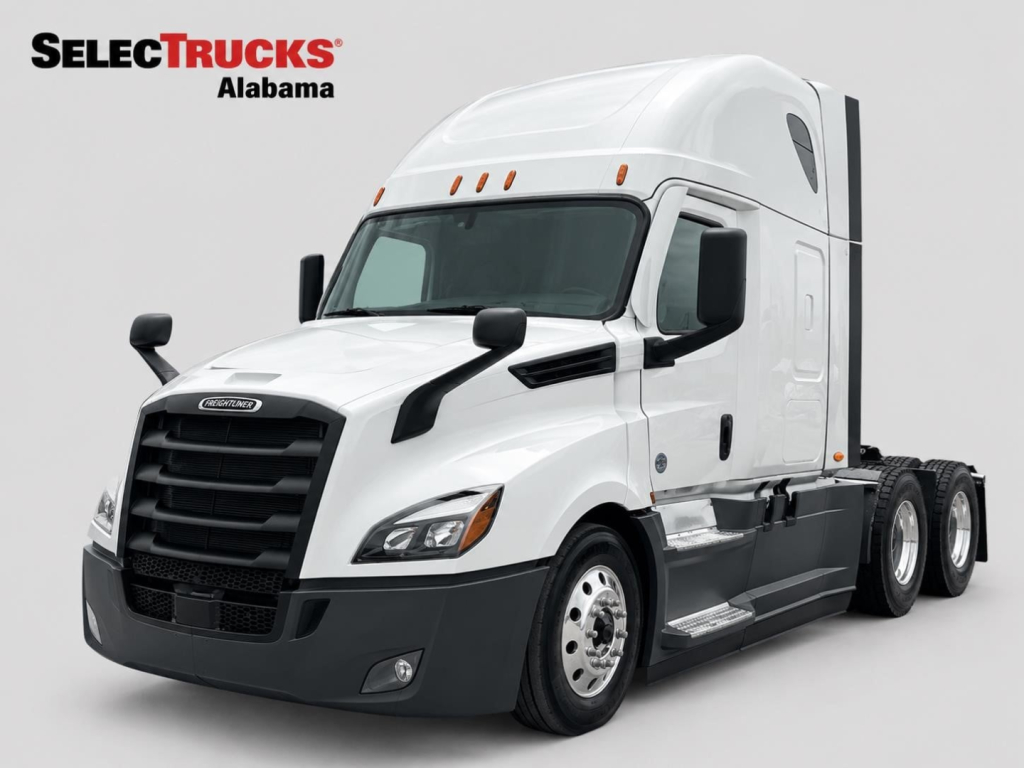
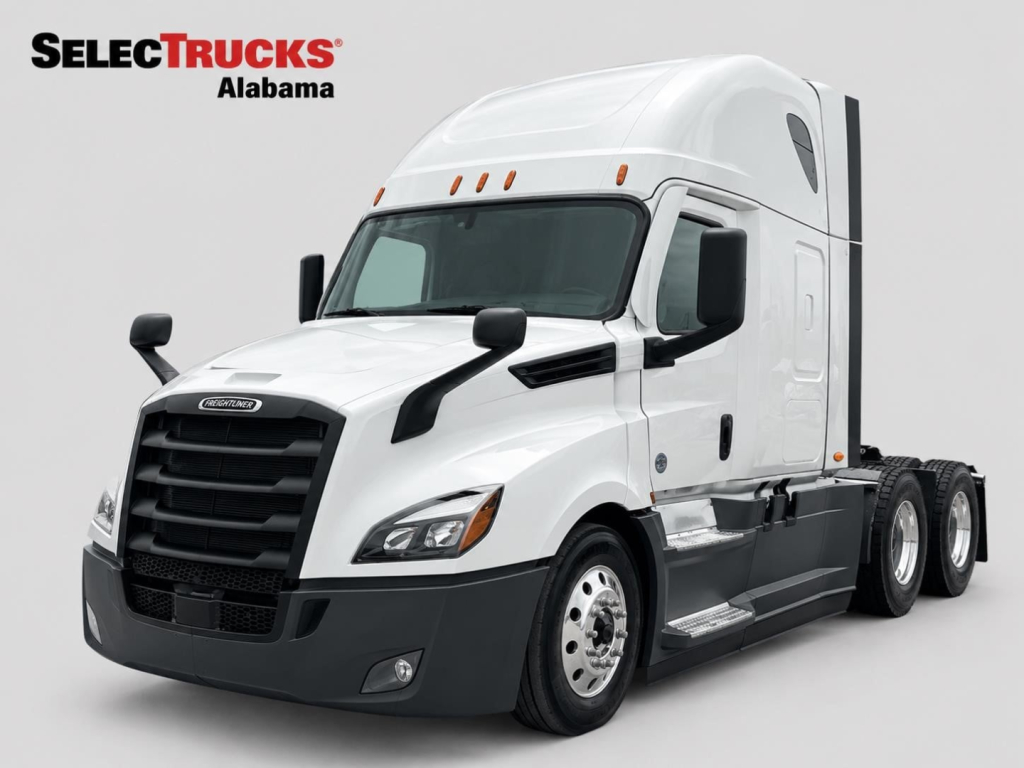
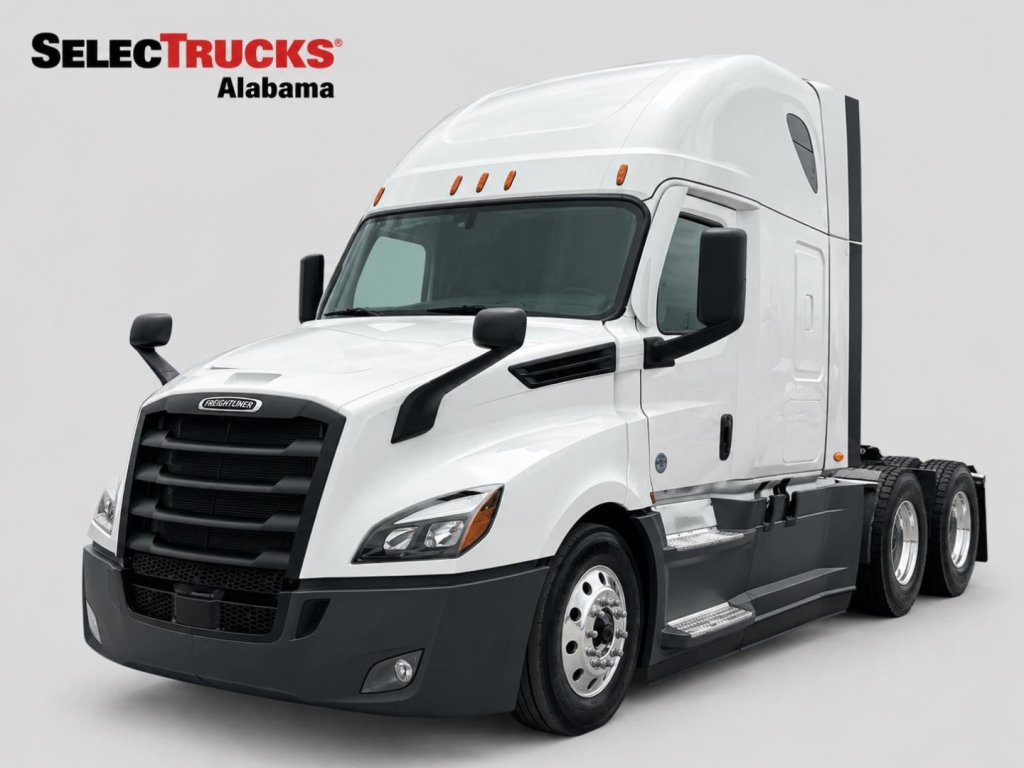
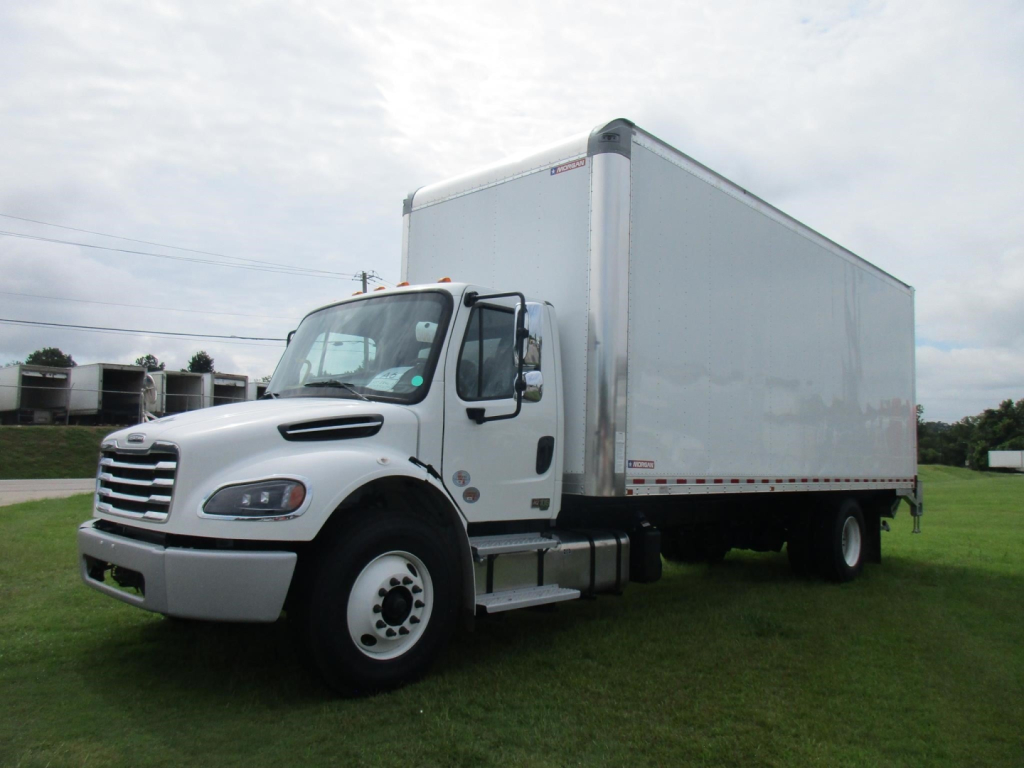
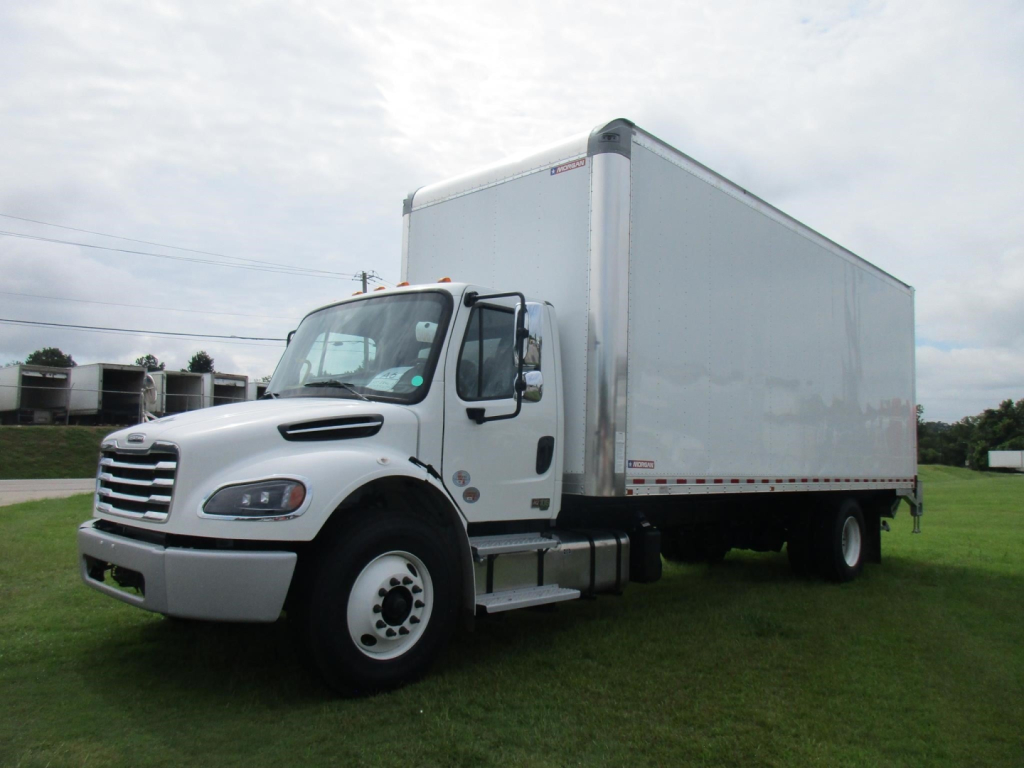
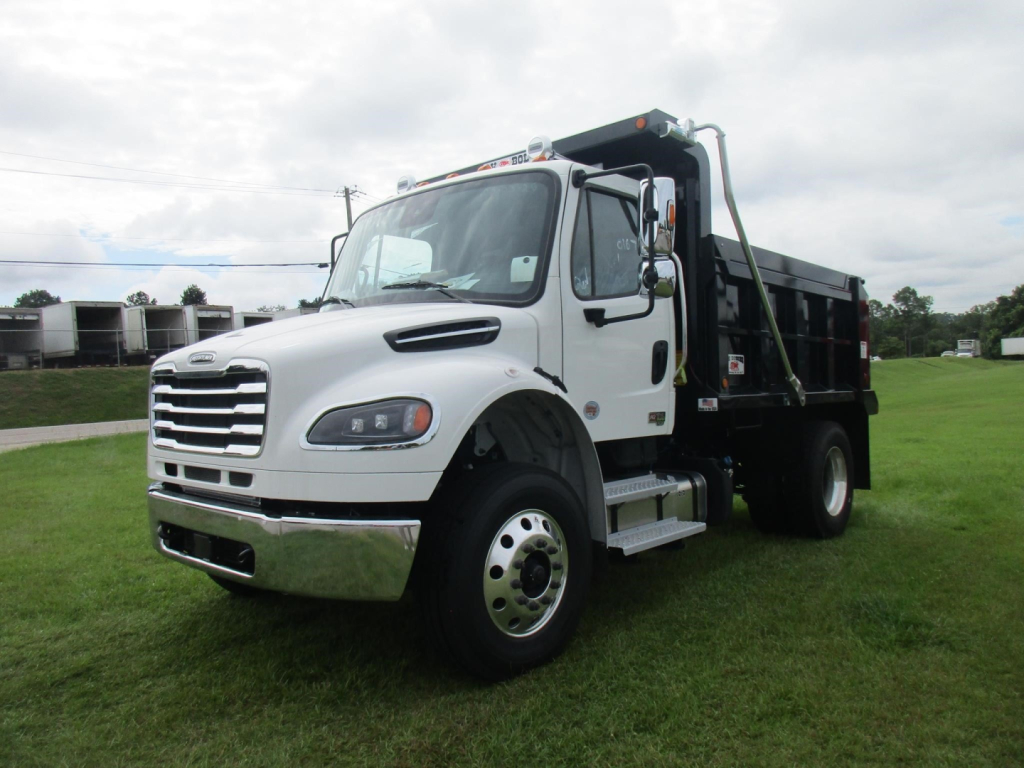
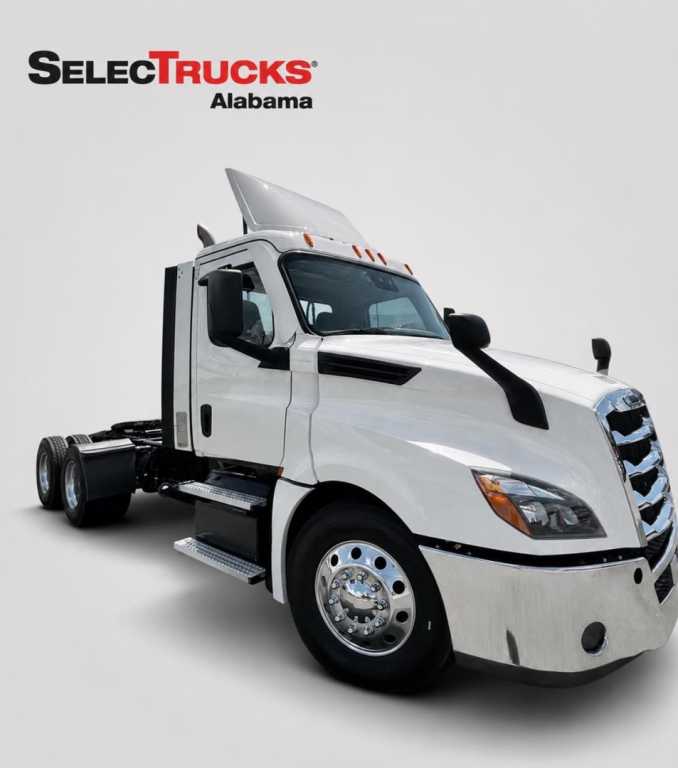
2021 Freightliner Cascadia 126
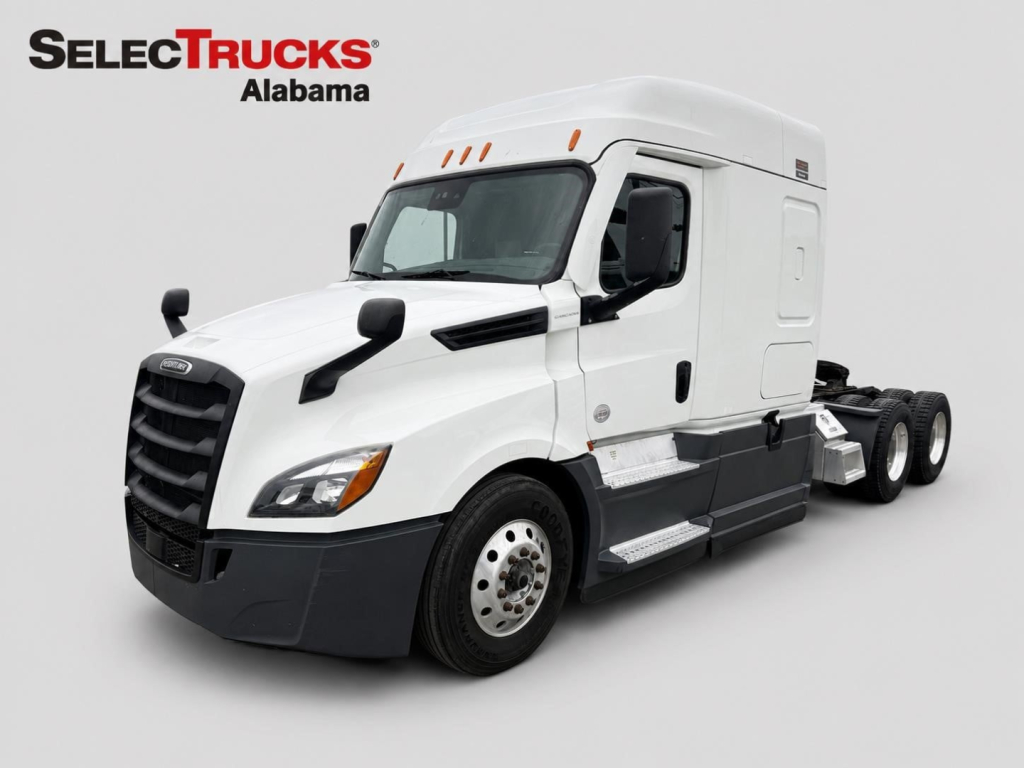
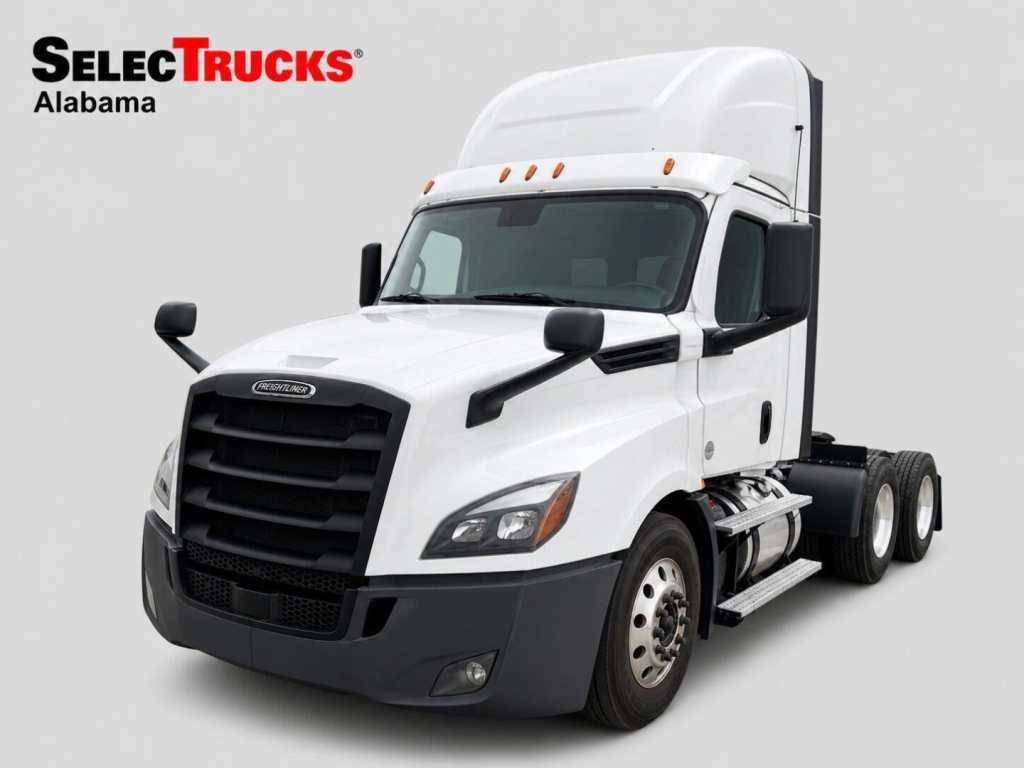
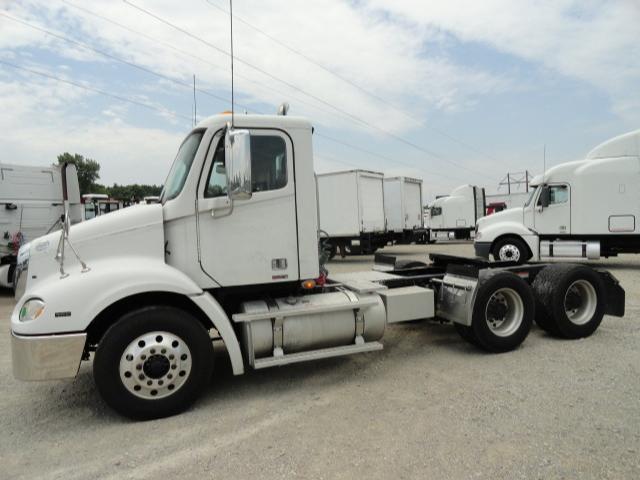
Selling a freightliner truck? List your freightliner truck for sale and reach thousands of commercial buyers.
Freightliner Trucks in Alabama
Tare weight drives payload and profitability. A lightweight Cascadia aero day cab with aluminum wheels, hubs, and air disc brakes can trim several hundred pounds, while a 6x2 saves more yet, though a 6x4 offers better traction on job sites and steep docks. Sleeper height, wheelbase, and fuel capacity add weight and affect maneuverability in Birmingham and Mobile distribution yards. Match axle ratios to route profile and gearbox strategy, for example 2.28 to 2.64 with a direct drive DT12 for flatter I 65 and I 20 lanes, or 2.79 to 3.08 for mixed terrain. Close trailer gap with fairings and set fifth wheel position to common kingpin settings to control axle weights without overloading the tandems.
Floor strength and thermal integrity matter on medium duty van and reefer builds as well as in the sleeper. For M2 box trucks, look for 1 to 1.5 inch hardwood or composite floors with 12 inch crossmember spacing, forklift edge ratings in the 12k to 16k range, secure threshold plates, and intact 12 to 24 inch scuff liners. Logistics posts and e track preserve walls and distribute loads. Reefer bodies should show tight door seals, dry insulation with solid R values, sealed bulkheads, and no water intrusion. On Cascadia sleepers, well sealed doors, sound deadening, and robust HVAC or an APU, ParkSmart or battery HVAC, keep cabs cool and quiet in Alabama heat while cutting idle time and fuel burn.
Corrosion resistance in the Southeast is generally favorable, yet coastal operations, fertilizer, and aggregate work accelerate wear. Freightliner aluminum cabs, e coated frames, and powder coated brackets reduce rust, stainless hardware and composite air tanks help further. Inspect frame rails and flanges for scaling or rust jacking, crossmembers and fifth wheel top plates for pitting, battery and DEF tanks for corrosion, and wiring for intact loom and sealed connectors. Telematics such as Detroit Connect and Virtual Technician aid diagnostics and repair planning, and spec choices like sealed hubs, galvanized steps, and undercoating extend service life while holding resale value in the Alabama market.
Frequently Asked Questions about Freightliner Trucks in Alabama
Which Freightliner model aligns best with long haul, regional, or vocational work in Alabama?
For long haul, the Cascadia with a DD15 or X15 and a DT12 or automated manual balances fuel economy with power, day cab or mid roof sleepers suit regional routes. M2 106 and 108SD fit 24 to 28 foot box, reefer, and short chassis applications with Allison automatics for stop and go efficiency. The 114SD or 122SD, sometimes branded as SD or Coronado variants, cover mixers, dumps, heavy haul, and municipal builds with higher axle ratings, set back or set forward axle options, and robust suspensions.
What tare weight should I expect, and how does it affect payload under 80,000 pounds GCWR?
A typical Cascadia 72 inch sleeper, DD15, DT12, 6x4, aluminum wheels, and a full aero kit often runs about 18,000 to 19,500 pounds as a tractor only. A lightweight day cab can fall near 16,500 to 17,500 depending on tanks, wheels, and brakes. An M2 26 foot box with a liftgate commonly weighs 15,000 to 18,000 empty depending on body spec and fuel. Tractor tare weight determines payload with a 53 foot dry van, many fleets target 44,000 to 46,000 pounds of legal payload on interstate weights, so every 500 pounds saved in tare directly adds to billable freight.
How do I evaluate floor strength on a Freightliner straight truck or chassis with a van body?
Check floor material and crossmember spacing, hardwood or composite boards with 12 inch centers handle dock work better than thinner floors with wider spacing. Verify dock plate and forklift edge ratings, look for tight threshold plates and no crushed nail lines at the rear. Inspect for water intrusion, soft spots, and fastener integrity around pallet impact zones. Scuff liners at 12 to 24 inches protect walls, and intact logistics posts or e track indicate the body has been loaded correctly, which preserves structure and resale.
What indicates good thermal integrity for Alabama heat in sleepers and reefer bodies?
In sleepers, check door and window seals, insulation quality noted by low road noise, and HVAC performance at idle. An APU or battery HVAC system maintains cab temperature without excessive idling, saving fuel and aftertreatment wear. For reefers or insulated van bodies, confirm clean, undamaged panels, consistent interior temperatures, good door gaskets, sealed bulkheads, and no frosting or sweat at joints, these signs point to solid R values and low heat gain in summer conditions.
How do I assess corrosion risk on a used Freightliner from the Southeast?
Inspect frame rails, flanges, and crossmembers for rust jacking or delamination, look at the fifth wheel top plate and slide for pitting, and check cab mounts, steps, battery boxes, and DEF tanks for corrosion. Aluminum cabs resist red rust, yet watch for white oxidation or pitting, especially from coastal salt air. Confirm e coat and undercoating are intact, wiring harnesses have sealed connectors, and ground points are clean. Service records showing regular washes and undercarriage inspections are strong indicators of a low corrosion unit.