
Grapple Trucks For Sale in Alabama
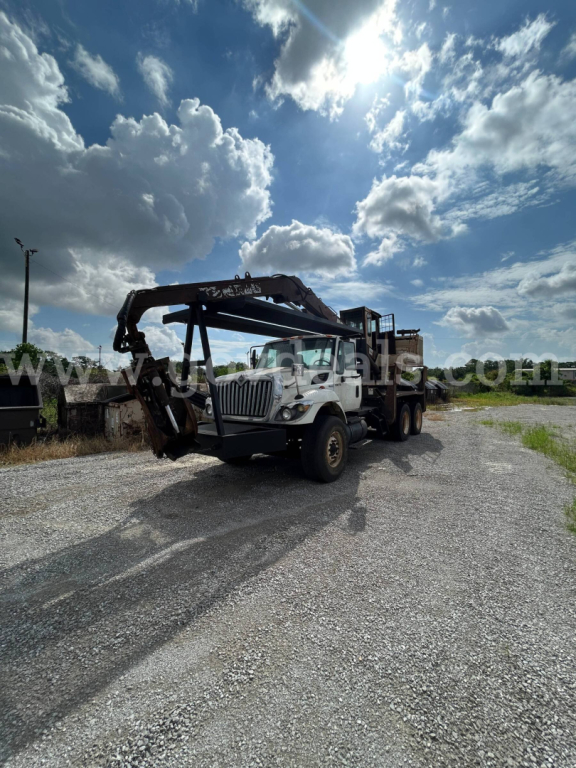
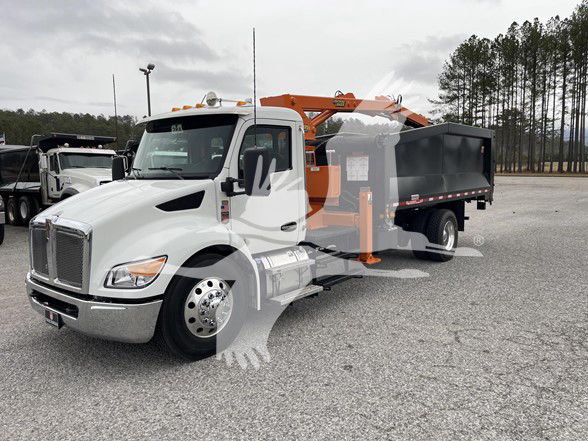

Have grapple truck to sell? List it here to reach thousands of buyers.
Grapple Trucks in Alabama
Chassis spec matters because grapple trucks spend a lot of time stopping, idling, cycling hydraulics, and carrying uneven loads. Medium-duty platforms such as the Kenworth T380 are common in this class, often paired with diesel engines in the 300 hp range, automatic transmissions, and vocational suspensions like Reyco. Wheelbase, axle ratings, and gear ratio affect turning radius, payload, and launch performance in city work or on soft shoulders. Buyers should also look closely at front axle capacity because the boom, outriggers, and subframe add substantial weight ahead of or behind the cab depending on configuration. Tire size, frame reinforcement, and PTO setup all influence how well the truck handles repeated loading cycles.
The hydraulic package deserves as much attention as the chassis. Key details include boom reach, lifting capacity at different radiuses, continuous rotation, outrigger spread, hydraulic reservoir size, and control style. Some operators prefer top-seat controls for visibility, while others want stand-up or wireless remote operation for safer positioning around traffic, fences, and utility lines. Body construction is equally important. High sides help with brush volume, but floor thickness, crossmember spacing, and tailgate design determine how the truck stands up to logs, stumps, mixed debris, and repeated dumping. If the truck will handle green waste one day and storm cleanup the next, scuff protection and easy cleanout become important fast.
A good grapple truck spec is built around route density, material type, and legal payload, not just boom brand or body size. Municipal and contractor buyers in Alabama often need a truck that can work in neighborhoods, on county roads, and at transfer stations without sacrificing stability or uptime. Check bridge law compliance, CDL requirements, and the truck's loaded height and overall length before narrowing your options. The best unit for this category is one that balances reach, cycle speed, body volume, and axle capacity so the truck can load itself efficiently and still carry a practical amount of material to the dump site.
Frequently Asked Questions about Grapple Trucks in Alabama
What is a grapple truck used for?
A grapple truck is used to pick up, load, and haul bulky materials such as brush, limbs, logs, storm debris, construction debris, scrap, and municipal waste. The defining feature is a hydraulic boom with a grapple attachment that allows the truck to self-load. That reduces the need for a separate loader and makes the equipment especially useful for tree crews, public works departments, storm response contractors, and waste operations handling oversized or irregular material.
What should I look at first when comparing grapple trucks?
Start with the boom and body combination, then confirm the chassis can support it. Buyers should compare boom reach, lift capacity, control type, outrigger setup, and rotation along with body volume, side height, and dump configuration. After that, check front and rear axle ratings, wheelbase, frame strength, PTO and hydraulic setup, and how much legal payload remains once the boom, body, and subframe are installed. A truck that looks similar on paper can perform very differently depending on weight distribution and hydraulic speed.
How much reach does a grapple truck need?
The right reach depends on where the truck will work and how material is staged. Residential tree and storm cleanup often benefit from enough boom reach to load from the curb, across a ditch, or over a pile without constant repositioning. More reach can improve productivity, but it also adds weight and can reduce lift capacity at full extension. Buyers should review lift charts at multiple radiuses, not just the maximum reach figure, because real jobsite performance depends on what the boom can safely lift at the distances operators actually use.
Are grapple trucks the same as knuckleboom trucks?
Not exactly. A knuckleboom truck refers to the folding crane style, while a grapple truck refers to the application and attachment setup used to grab loose or bulky material. Many grapple trucks use a knuckleboom crane with a rotating grapple, which is why the terms are often used together. Still, the body style, hydraulic package, and intended material stream are what make the truck a true grapple unit for debris, brush, or waste handling.
Why do axle ratings matter so much on a grapple truck?
Axle ratings are critical because a grapple truck carries permanent equipment weight before any payload is added. The boom, outriggers, subframe, body, and hydraulic components can put substantial load on the front axle and shift weight distribution in ways that limit legal hauling capacity. If axle capacities are too light for the build, the truck may be forced to haul partial loads or face compliance issues. Matching axle ratings, wheelbase, suspension, and body size to the intended material is one of the most important buying decisions in this category.