
IC Corporation Trucks For Sale
Compare IC Corporation trucks and buses, including CE and RE Series. Review engines, capacities, fuel choices, and specs to match your route and budget.
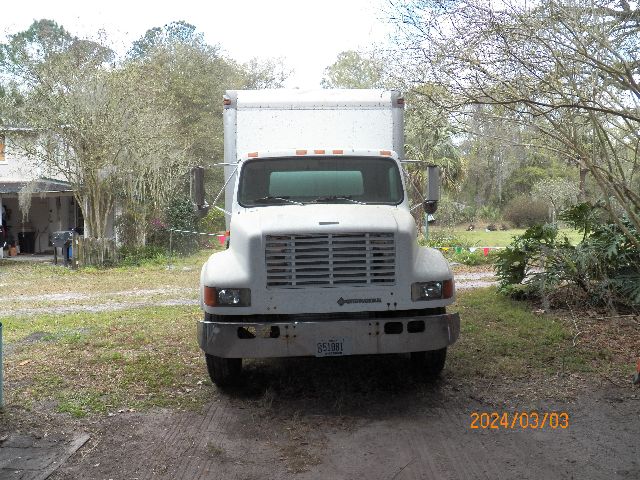
Selling a ic corporation truck? List your ic corporation truck for sale and reach thousands of commercial buyers.
IC Corporation Trucks
Powertrains vary by year. Pre-2007 DT466 and DT530 mechanical-injector and early HEUI variants are known for durability and straightforward maintenance. 2008 to 2012 models often carry MaxxForce DT or 7 with EGR-only emissions; performance is solid when maintained, but buyers should verify EGR cooler, DPF cleanings, and software history. From 2013 forward, many CE models moved to the Cummins ISB 6.7 paired with Allison 2000 or 2500 series automatics, a proven combination with broad service support. RE coaches may use larger displacement diesels and Allison 3000 series for higher GVWR. Spec decisions that matter include rear axle ratio for route speeds, hydraulic vs full air brakes, and spring vs air-ride suspension.
Fuel choices impact total cost of ownership and route suitability. Diesel remains the most common for mixed terrain and longer highway segments, typically returning 6 to 9 mpg. Propane packages using large-displacement spark-ignited engines deliver quieter operation and lower NOx, with simpler aftertreatment, but expect lower fuel economy and plan for on-site fueling or route-accessible stations. Some fleets run CNG or gasoline variants in warmer climates and flatter geographies. Look for safety and uptime features such as electronic stability control, automatic tire inflation, heated mirrors, block heaters, LED warning lights, backup cameras, multiplex electrical systems, and scuff liners. Wheelchair lifts from Braun or Ricon, 3-point belts, and high headroom interiors are common on newer builds.
Condition and documentation drive value. Inspect frame rails, crossmembers, stepwells, and wheel arches for corrosion, especially from snowbelt operations. Evaluate kingpins, tie rods, spring bushings, and driveline U-joints. On air-brake coaches, perform a governor cut-in and leak-down check; on hydraulic systems, inspect boosters and lines for seepage. Verify aftertreatment service intervals, oil analysis on high-mile diesels, transmission fluid health, and coolant test strips. Operate wheelchair lifts to full cycle and review inspection logs. For conversions, check title status, roof integrity, and electrical capacity. Matching route profile, passenger capacity, fuel strategy, and serviceability will narrow the best IC Corporation bus for your operation.
Frequently Asked Questions about IC Corporation Trucks
What is the difference between the IC CE Series and RE Series?
The CE Series is a conventional school or commercial bus with the engine in front, excellent service access, and a familiar medium-duty chassis feel. It suits mixed city and rural routes and is easy to maintain. The RE Series is a rear-engine transit-style coach with quieter cabins, often higher GVWR, and a smoother ride for longer routes or activity trips. RE units may offer larger transmissions and air-ride options, which help on highway duty and hilly terrain.
Which engines should I look for in used IC Corporation buses?
Pre-2007 International DT466 and DT530 are widely regarded for durability and simple emissions systems. 2008 to 2012 buses often use MaxxForce EGR-only engines; many run well with documented EGR, DPF cleaning, and ECM updates, but service records are important. From 2013 forward, the Cummins ISB 6.7 paired with Allison 2000 or 2500 series became common and offers wide parts and dealer support. Match engine output to GVWR and terrain, and confirm rear axle ratio aligns with your cruise speeds.
Are propane or CNG IC buses a good fit for my operation?
Propane and CNG buses reduce emissions and cabin noise and can lower maintenance tied to diesel aftertreatment. They work best on predictable route lengths with centralized fueling. Expect lower miles per gallon versus diesel, so plan fueling logistics and compare fuel cost per energy unit in your area. For cold climates, confirm cold-start aids and indoor fueling access. Review regional incentives that can offset upfront cost.
What should I inspect before buying a used IC Corporation bus?
Check frame and body corrosion points, stepwells, and window tracks. Inspect brake system function, suspension bushings, kingpins, and tires for even wear. Verify aftertreatment maintenance history, EGR and DPF service, and transmission fluid condition. Test HVAC performance, wheelchair lift operation, door actuators, warning lights, and multiplex diagnostic screens. A road test under load will reveal gear hunting, vibration, and cooling performance on grades.
Can an IC school bus be converted to an RV or specialty vehicle?
Yes. The straight, heavy frame rails and robust electrical architecture make IC buses popular for skoolie RVs, mobile clinics, and command units. Choose a wheelbase and roof height that fit your layout, confirm payload margin for tanks and cabinetry, and prioritize a drivetrain with strong parts support. Verify title and registration requirements for your state, and plan for insulation, HVAC, and power management upgrades suitable for the intended climate.