
Blue Bird Trucks For Sale
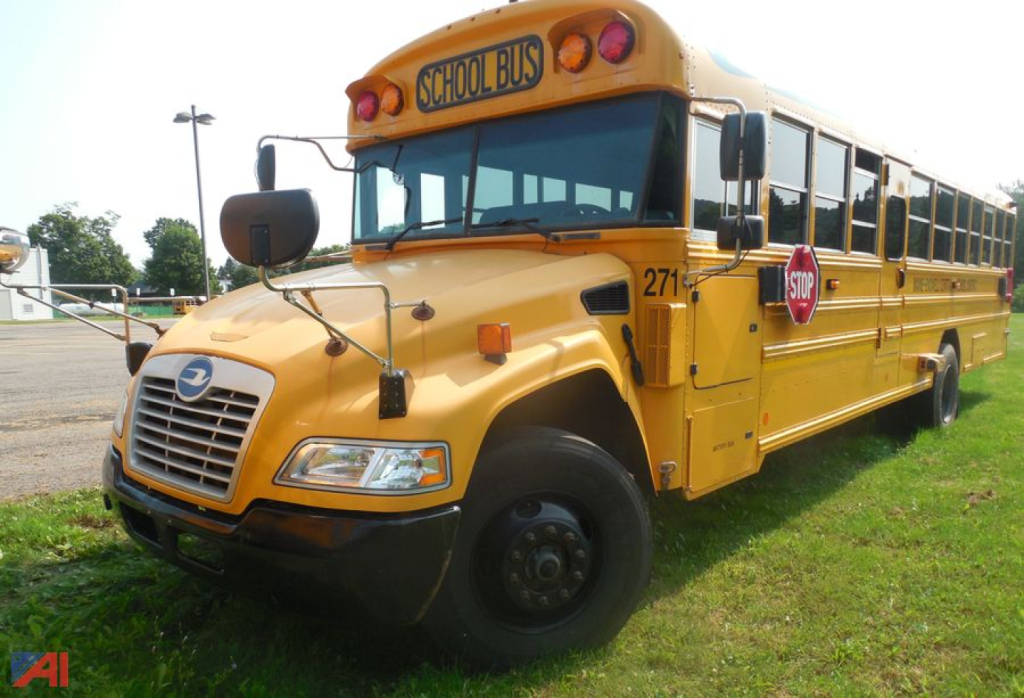
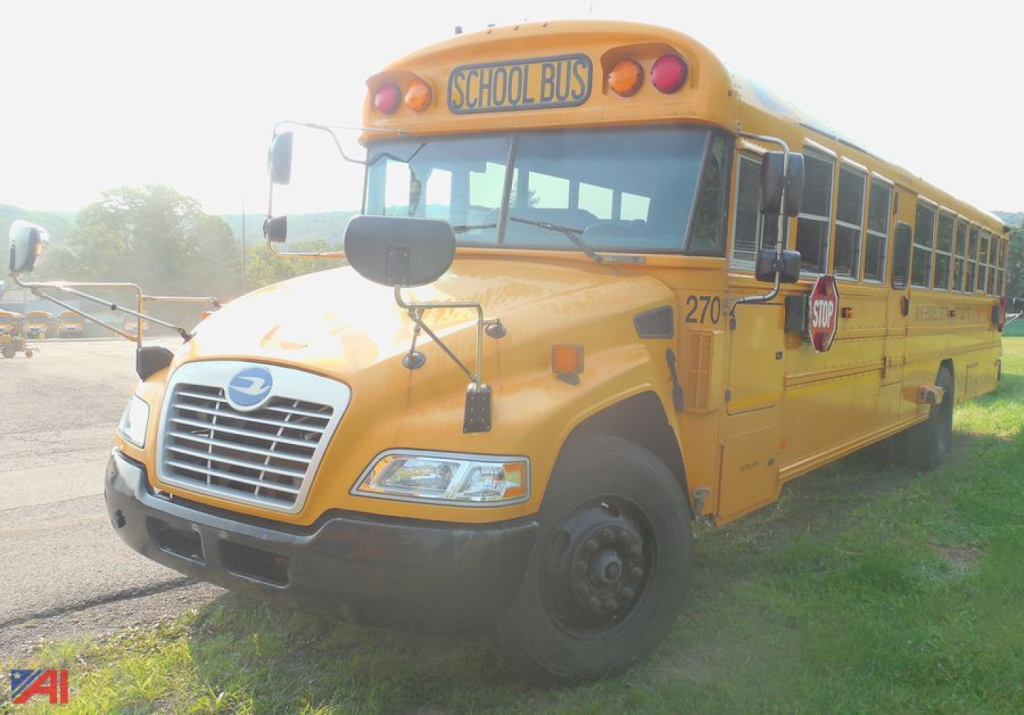
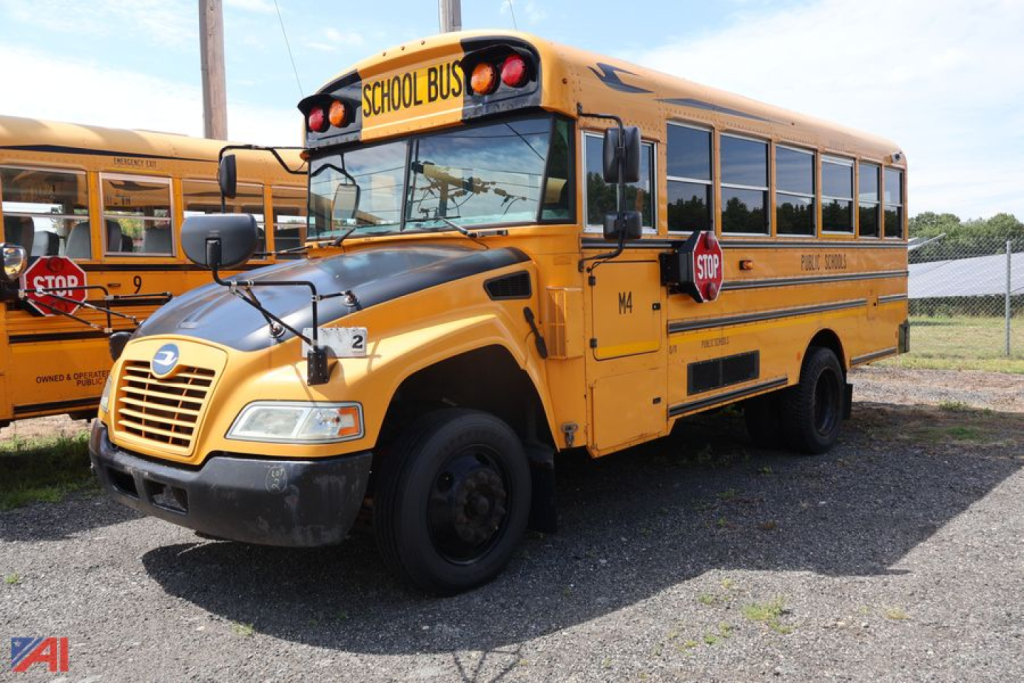
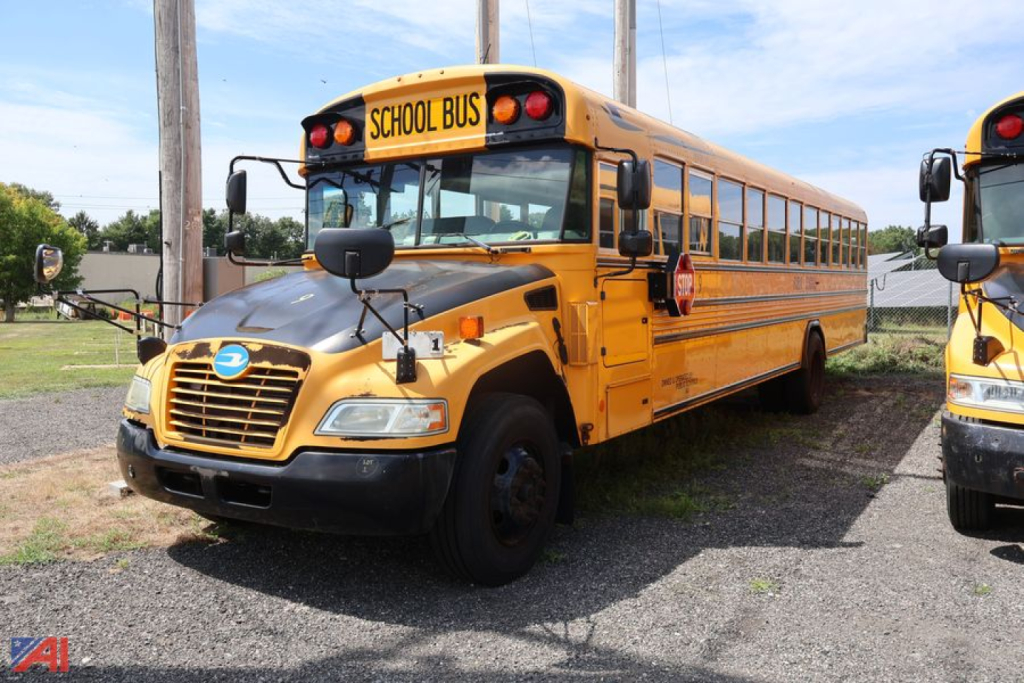
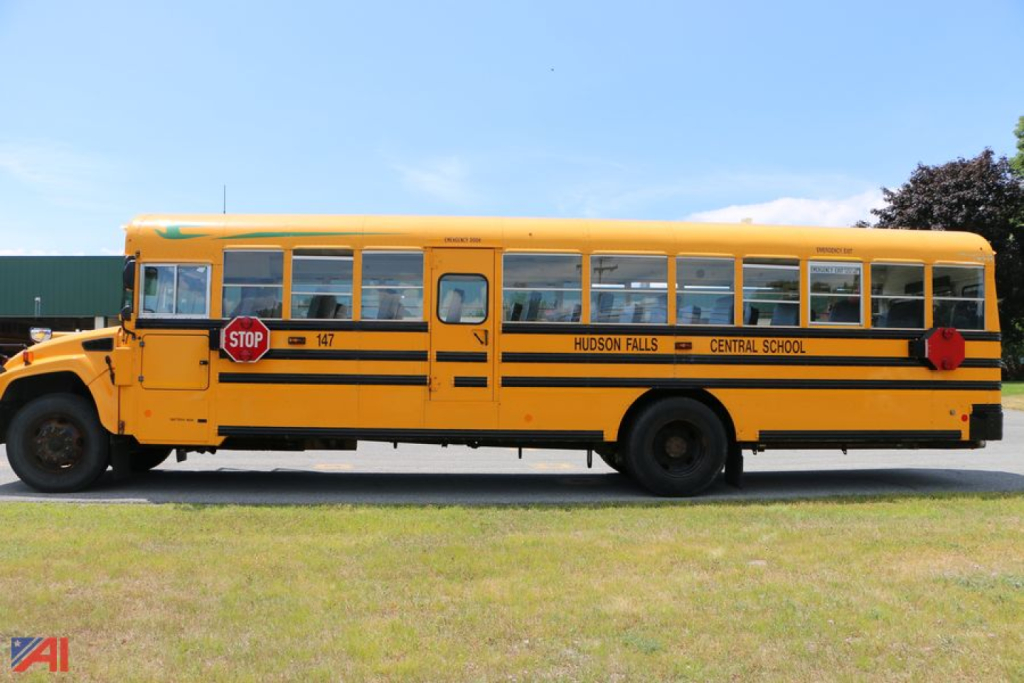
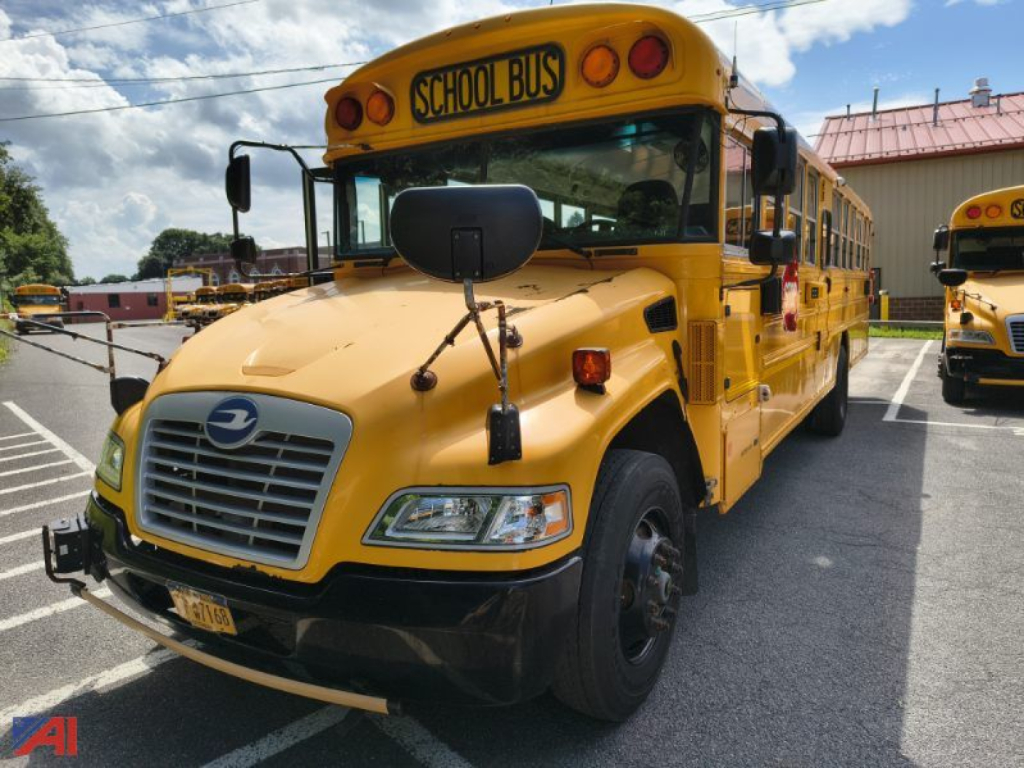
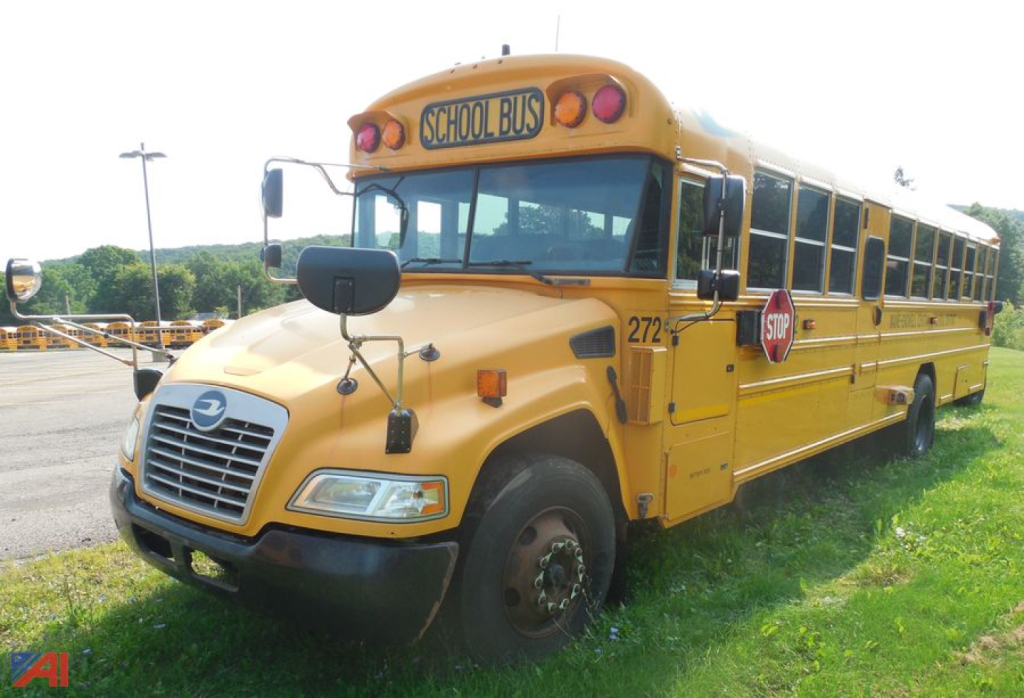
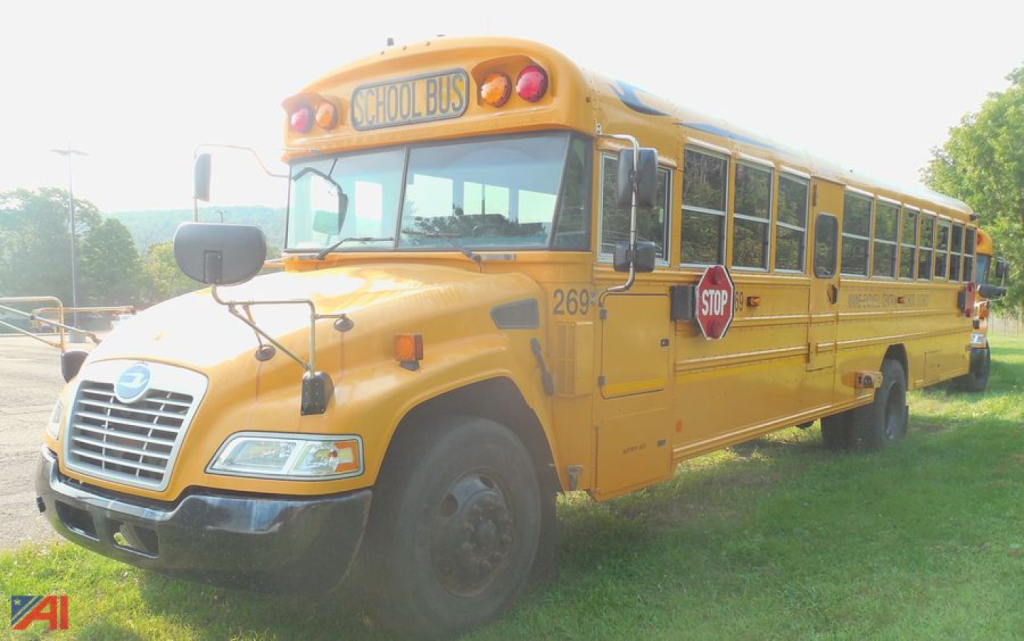
Have blue bird truck to sell? List it here to reach thousands of buyers.
Blue Bird Trucks
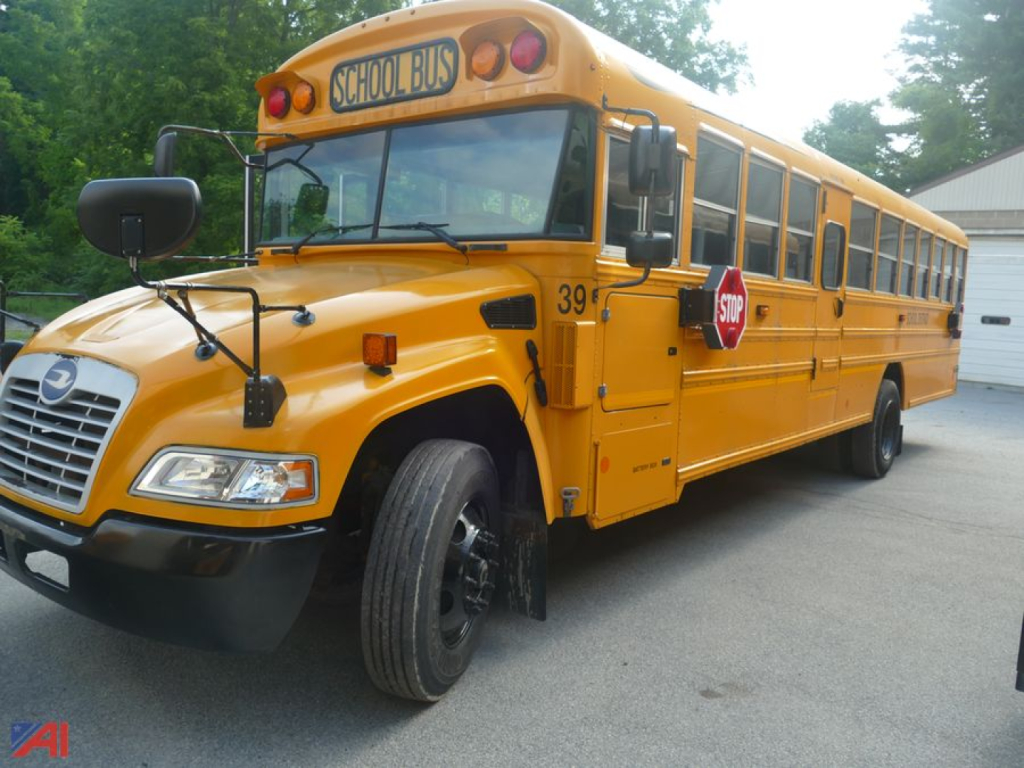
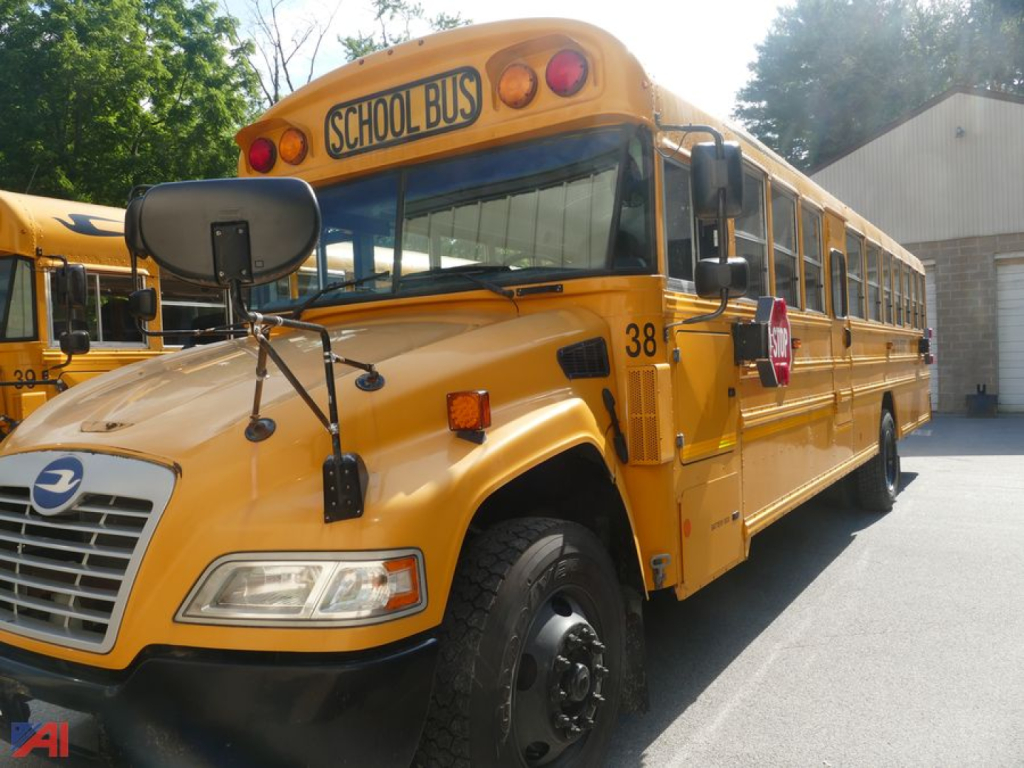
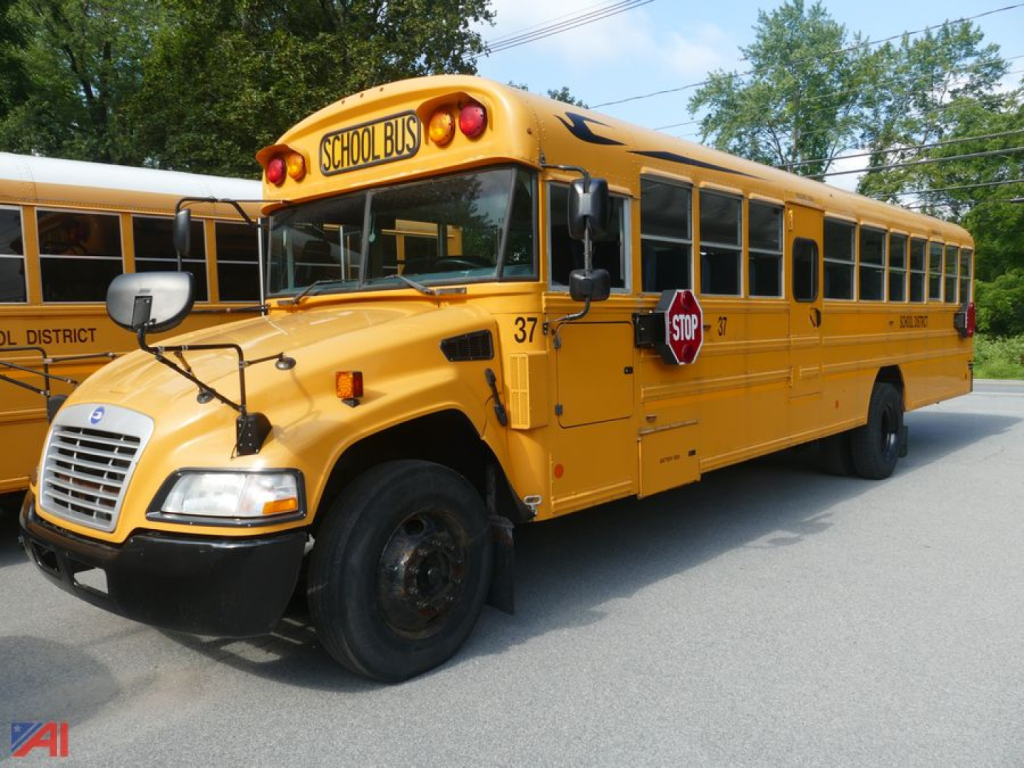
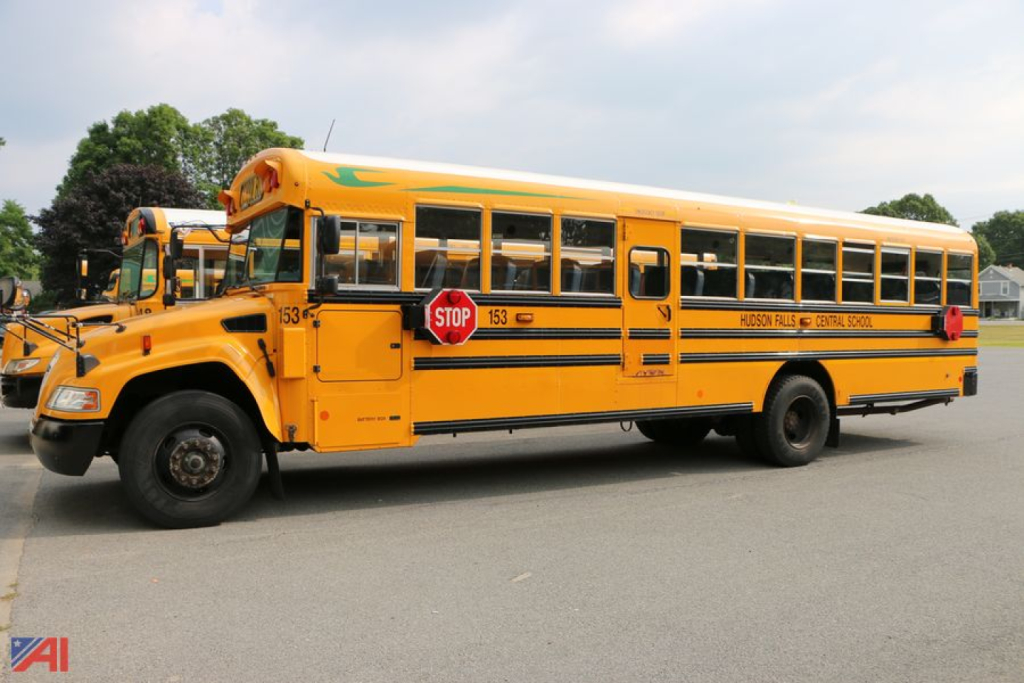
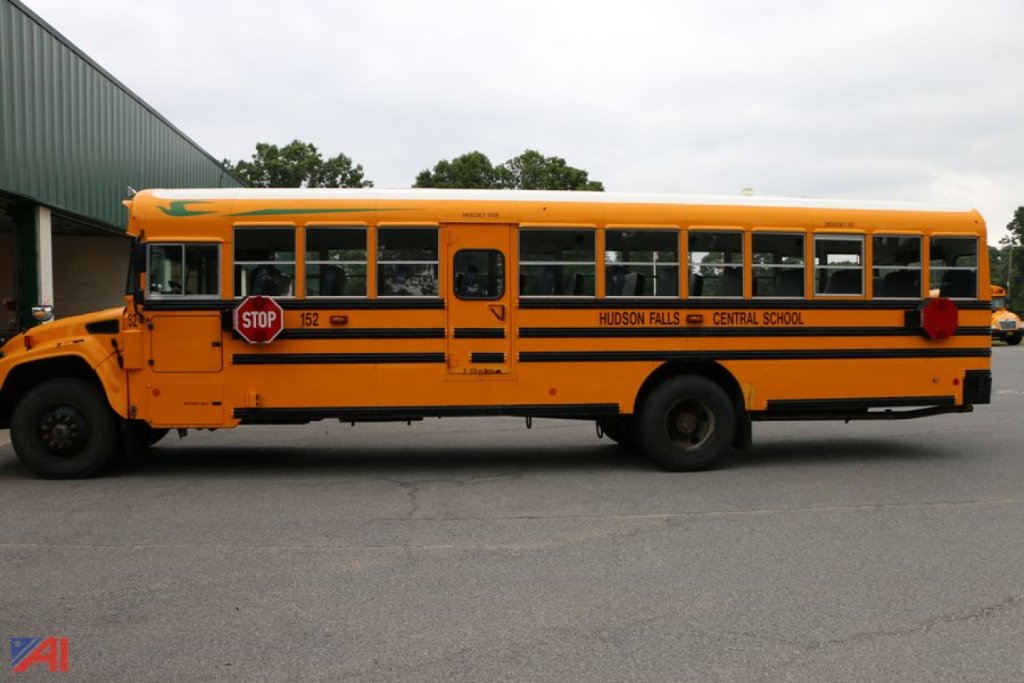
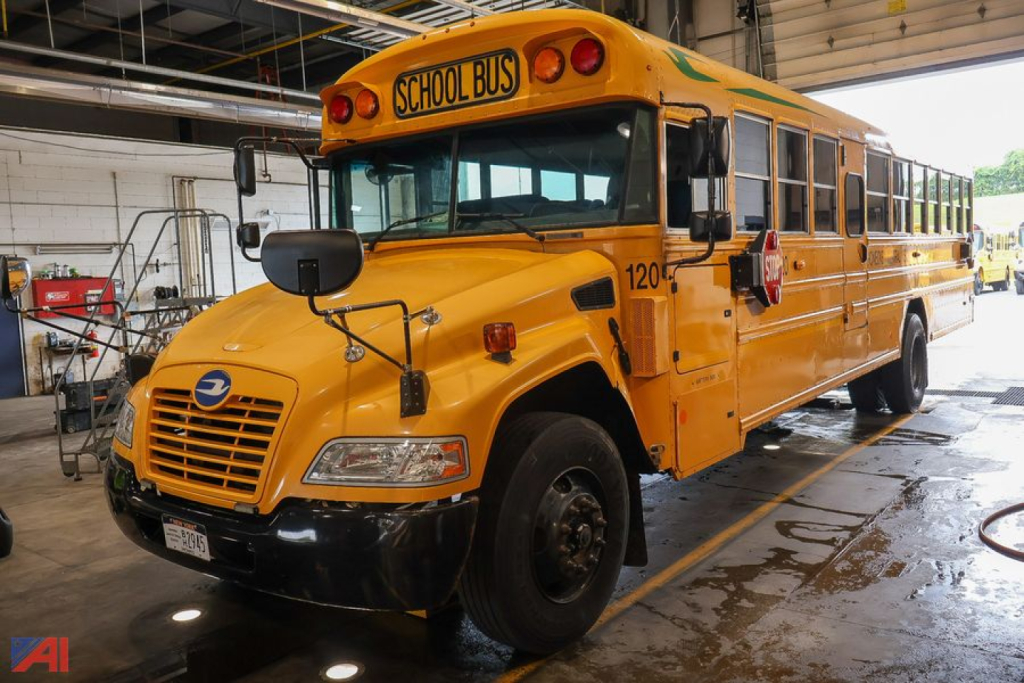
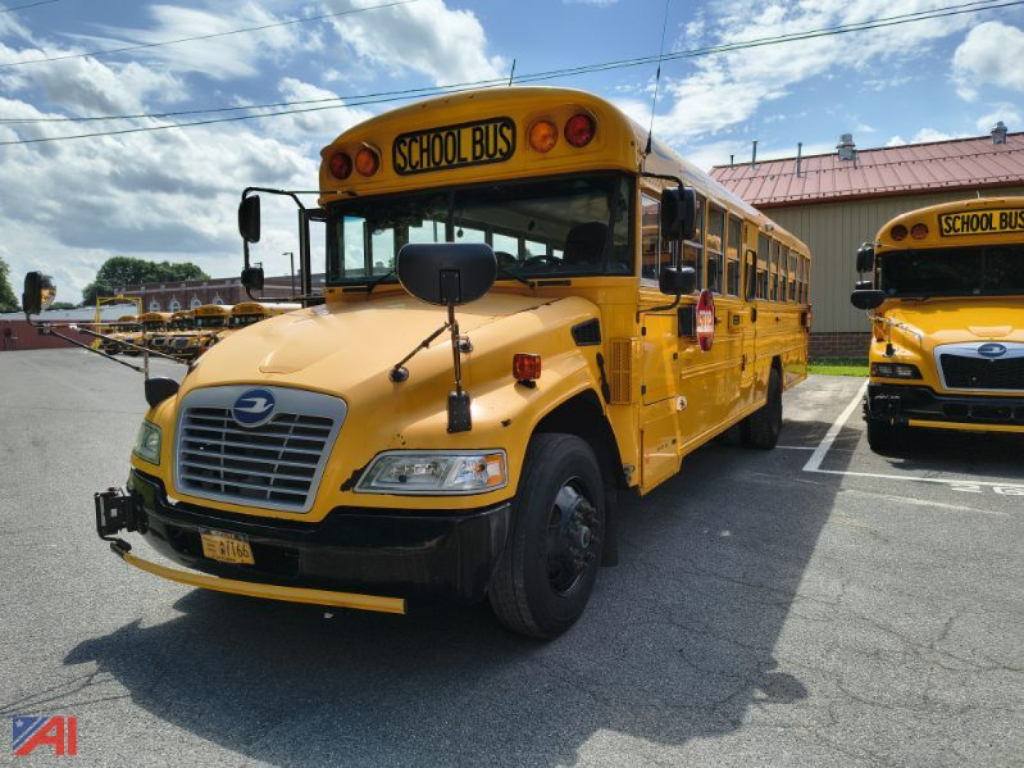
A Blue Bird Vision typically uses a front-engine conventional design with medium-duty running gear, hydraulic or air brake configurations depending on specification, and diesel or gasoline power depending on year and application. Important checkpoints include GVWR, seating count, axle ratings, wheelbase, brake type, suspension setup, tire condition, and door configuration. If the unit is still in bus service or being converted to another commercial use, look closely at idle hours, maintenance records, rust around body mounts and step wells, electrical system condition, and the status of safety equipment such as warning lights, stop arms, and crossing control devices. In many cases, these components affect both usability and the cost to bring the unit into compliance for a new role.
Blue Bird units appeal to buyers who need a heavy-use platform with strong parts support and a body designed for repeated stop-and-go duty cycles. That makes them relevant for fleet operators moving people, equipment, or mobile-service interiors, especially when interior space matters more than a traditional straight truck body. Buyers comparing listings should pay attention to drivetrain serviceability, visibility from the driver seat, turning radius, underbody corrosion, heater and HVAC performance, and whether emissions equipment has been maintained properly. On used units, a clean title, documented fleet maintenance, and evidence of consistent institutional ownership usually matter more than cosmetic appearance.
The best Blue Bird truck or bus-based unit is the one that matches the intended route, payload, and regulatory environment. A former school bus may be a strong value for private transportation or specialty conversion, but local laws can restrict how it is titled, painted, or equipped after retirement from school service. Before buying, confirm registration class, CDL implications, passenger capacity rules, emergency exit compliance, and any required modifications for private or commercial operation. That upfront diligence is what separates a low-cost purchase from a workable long-term asset.
Frequently Asked Questions about Blue Bird Trucks
What is a Blue Bird truck typically used for?
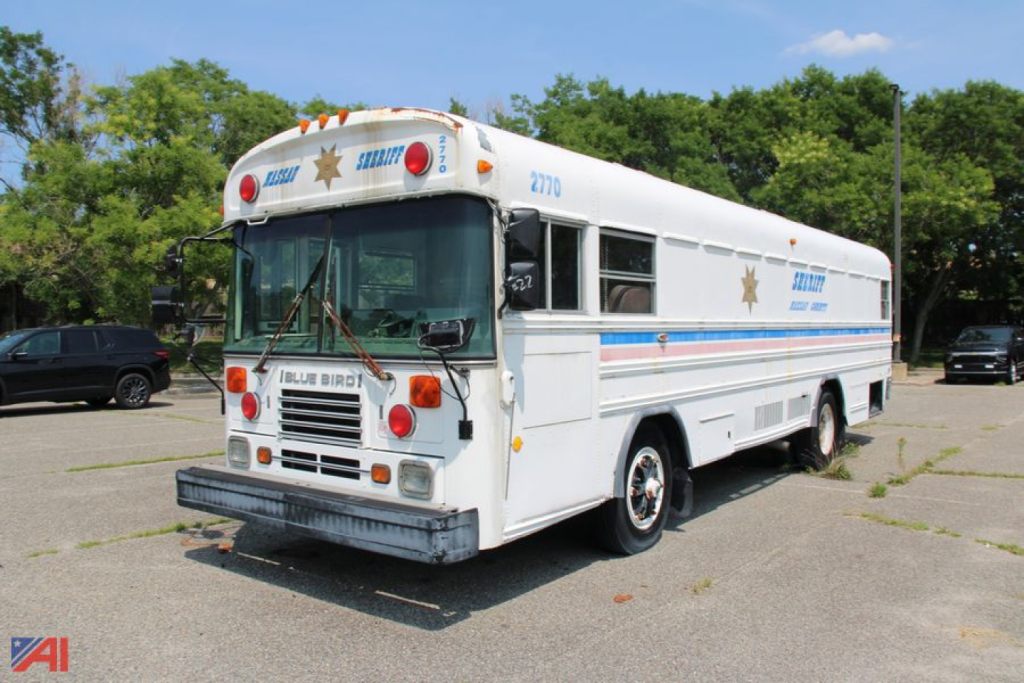
Most Blue Bird units on the market are school buses or bus-based commercial vehicles rather than conventional freight trucks. They are commonly used for pupil transportation, church and shuttle service, nonprofit transport, municipal duty, mobile offices, training units, and specialty conversions where enclosed interior space is more important than open cargo capacity.
What should I inspect first on a used Blue Bird Vision?
Start with service records, chassis condition, and corrosion. Buyers should check the engine and transmission maintenance history, brake type and wear, front suspension and steering components, tire age, underbody rust, body mount areas, step wells, electrical functions, and all safety equipment. On any former school bus, verify whether warning systems and school-bus-specific equipment have been removed or disabled as required for its next use.
Are Blue Bird buses good candidates for commercial conversion?
Yes, many are. Their medium-duty chassis, tall interior, and fleet-service design make them practical for shuttle, ministry, municipal, training, and mobile-service applications. The key is confirming title status, local registration rules, weight ratings, and the cost of required modifications before purchase. A cheap unit can become expensive quickly if emissions repairs, rust remediation, or compliance changes are needed.
Do Blue Bird units require a CDL to operate?
That depends on the vehicle's GVWR, passenger capacity, brake configuration, and how it will be used. Many bus-based vehicles trigger CDL or passenger endorsement requirements when operated with enough seating positions or under certain commercial conditions. Buyers should confirm federal, state, and local licensing rules before putting a unit into service.
What matters more on a used Blue Bird, age or maintenance history?
Maintenance history usually matters more. Many Blue Bird fleet units accumulate predictable route miles and receive scheduled institutional maintenance. A well-documented older unit can be a better buy than a newer one with poor records, deferred emissions work, or heavy corrosion. Focus on documented servicing, drivetrain condition, structural integrity, and compliance status first.