
Blue Bird Trucks For Sale in New York
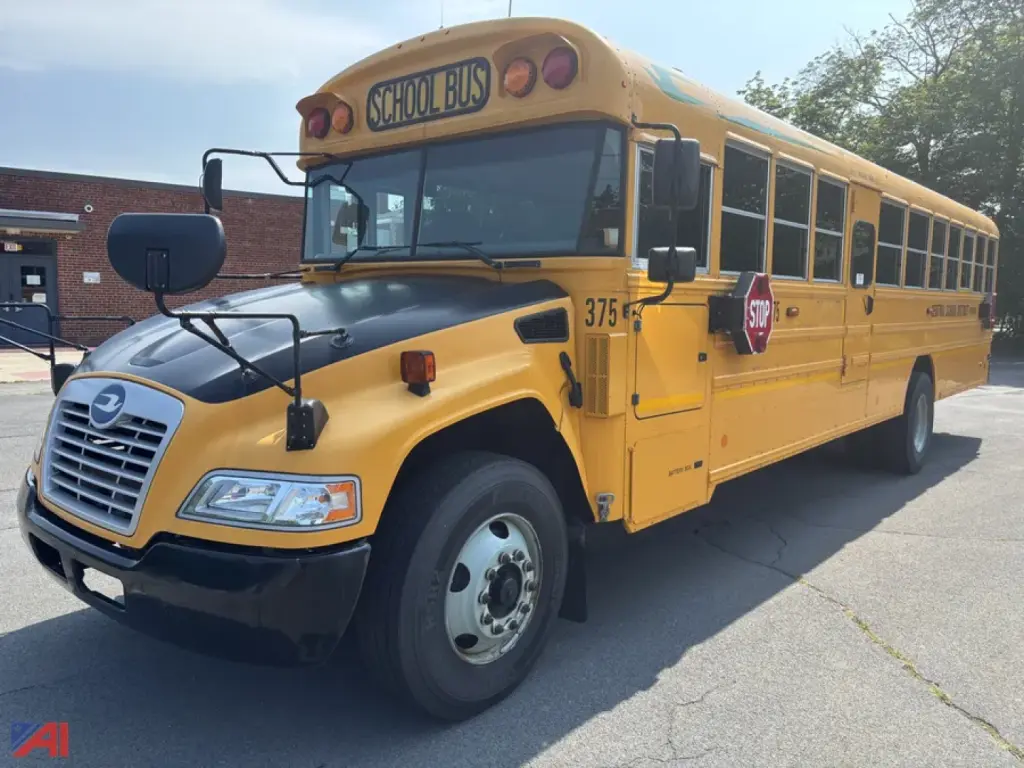
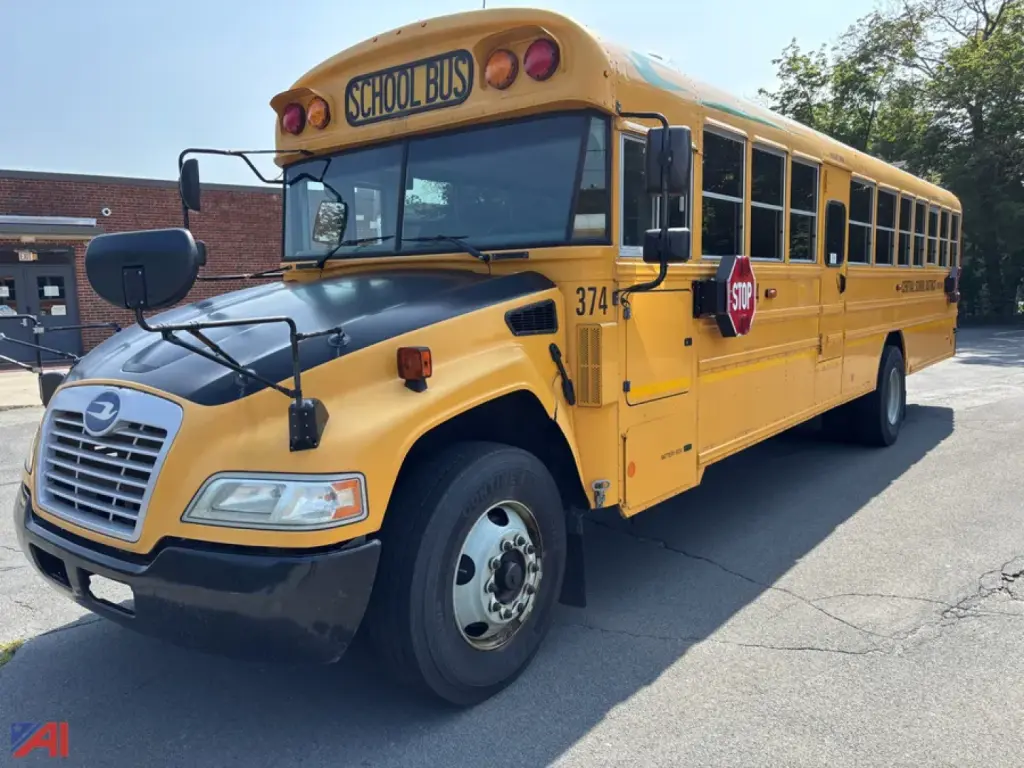
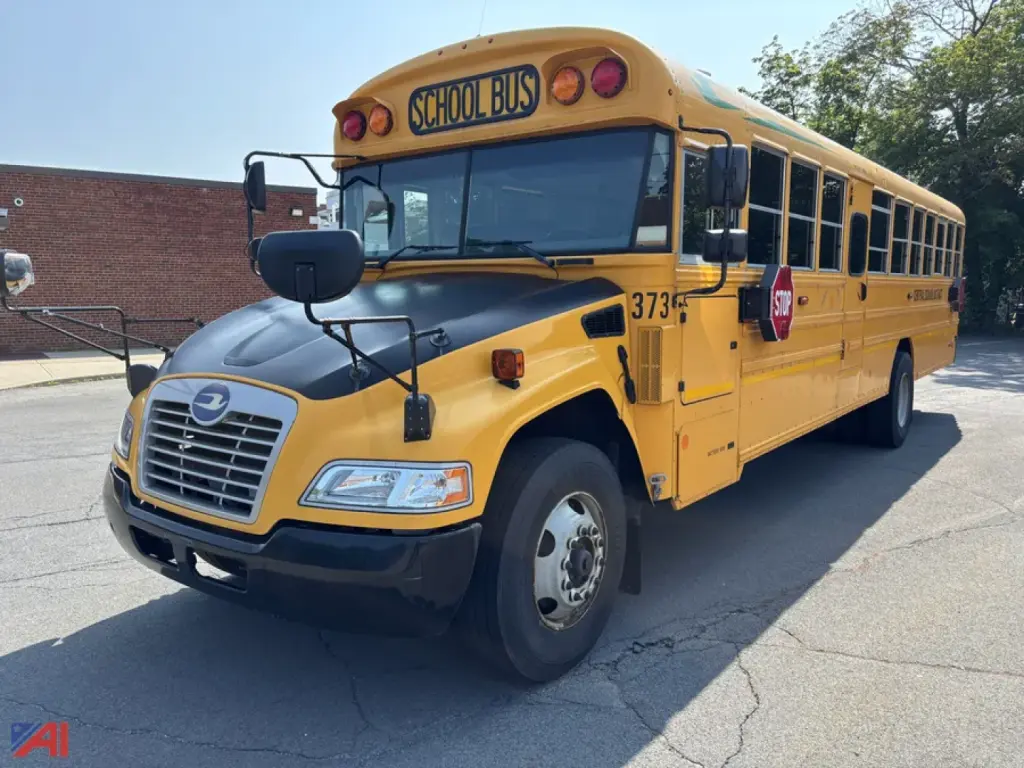
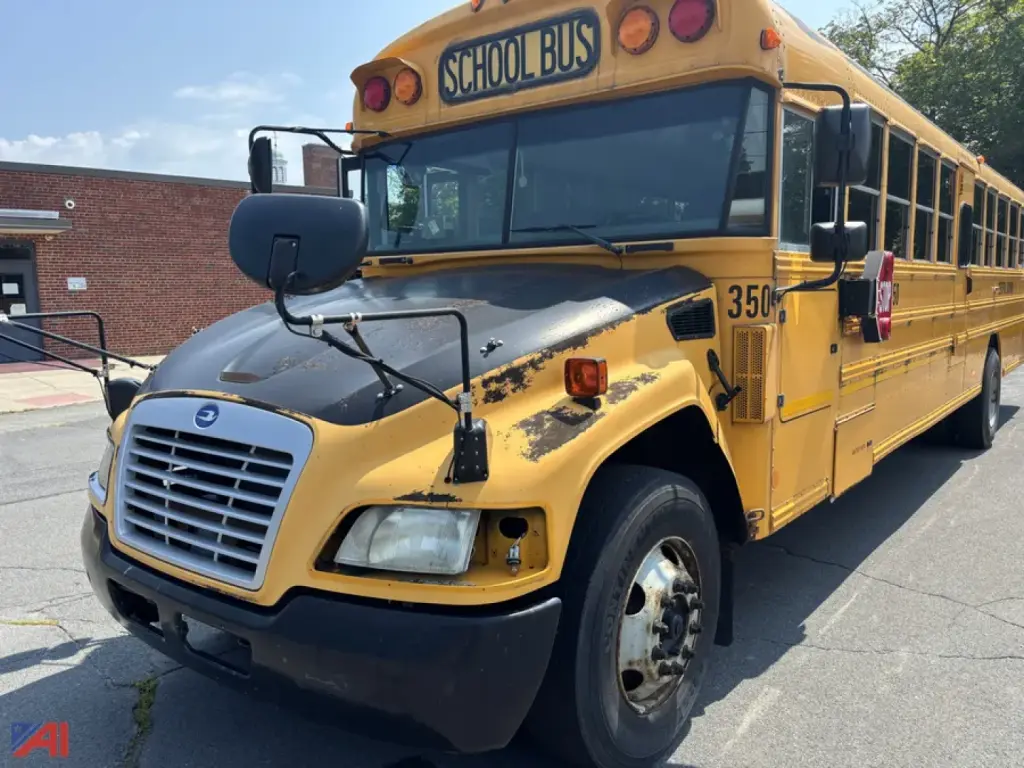
Have blue bird truck to sell? List it here to reach thousands of buyers.
Blue Bird Trucks in New York
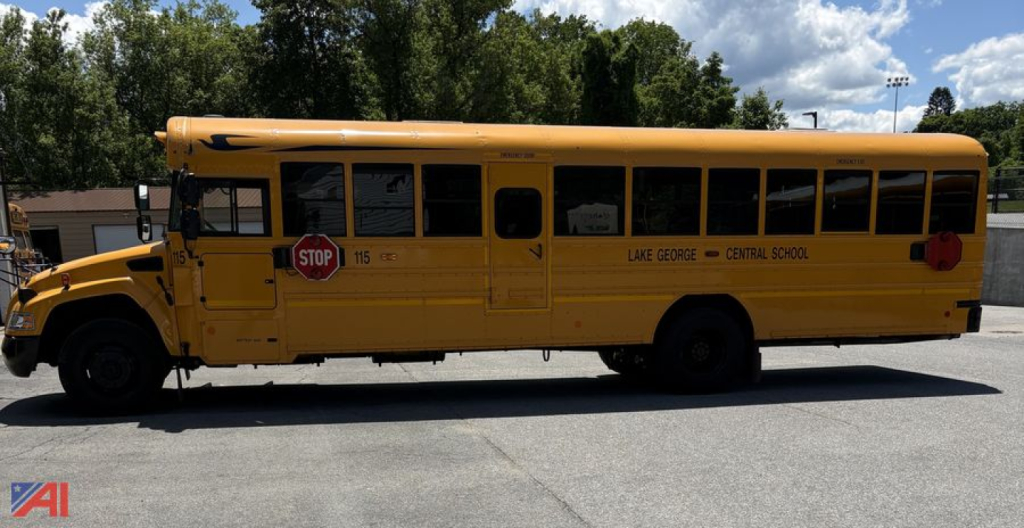
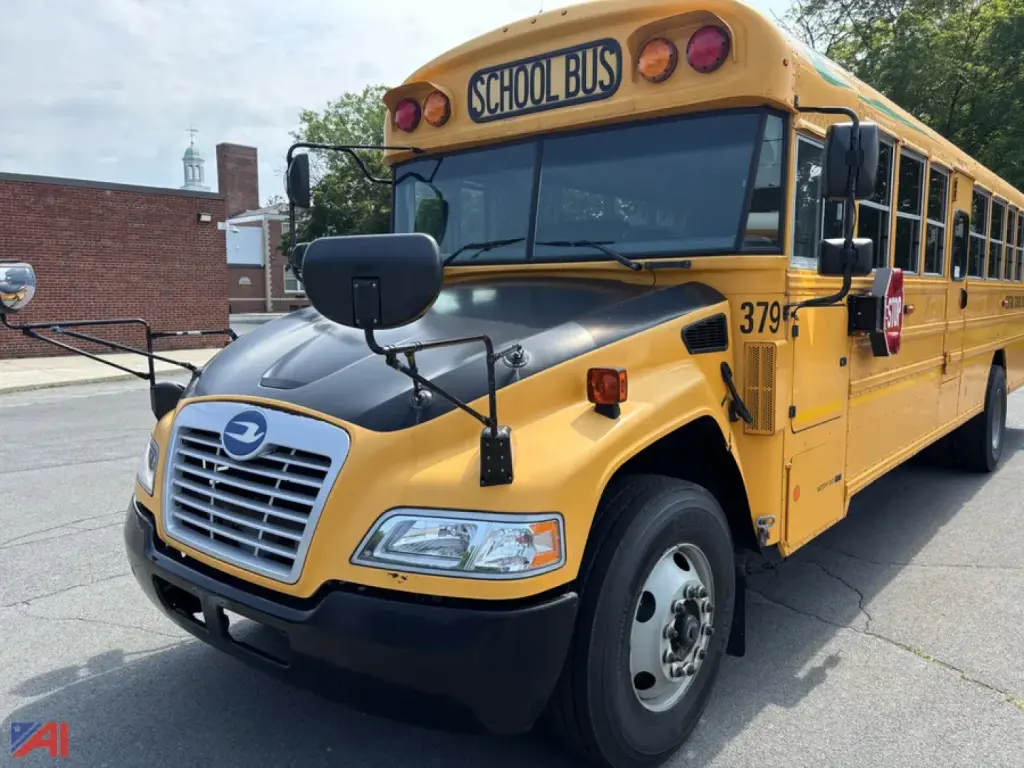
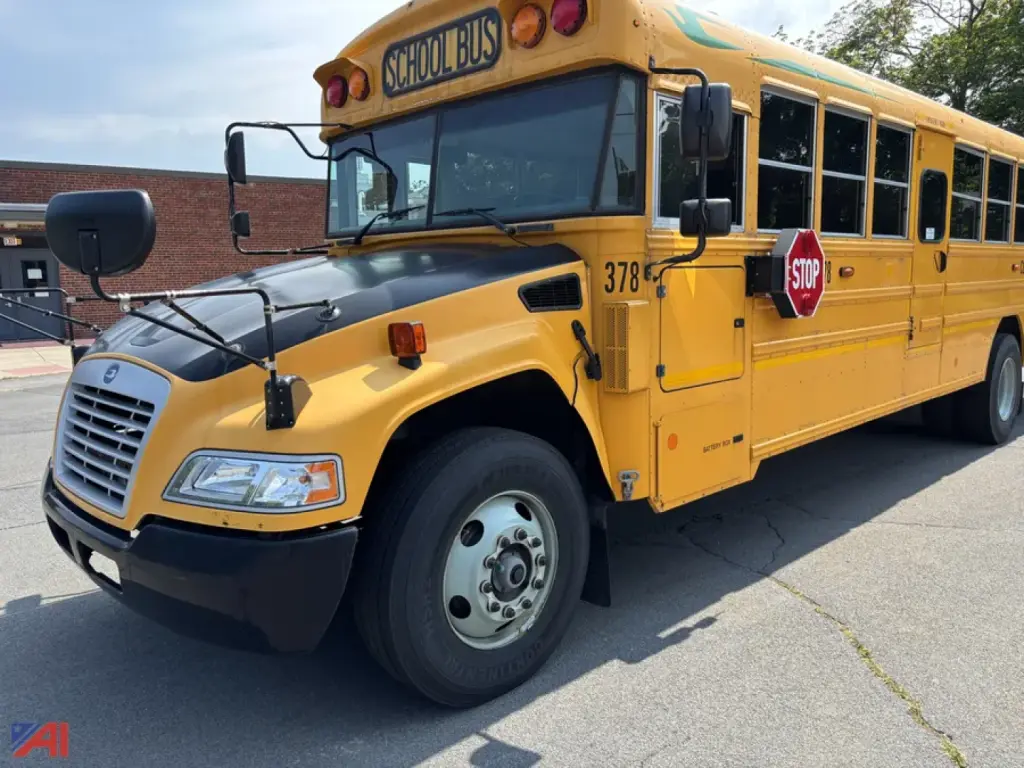
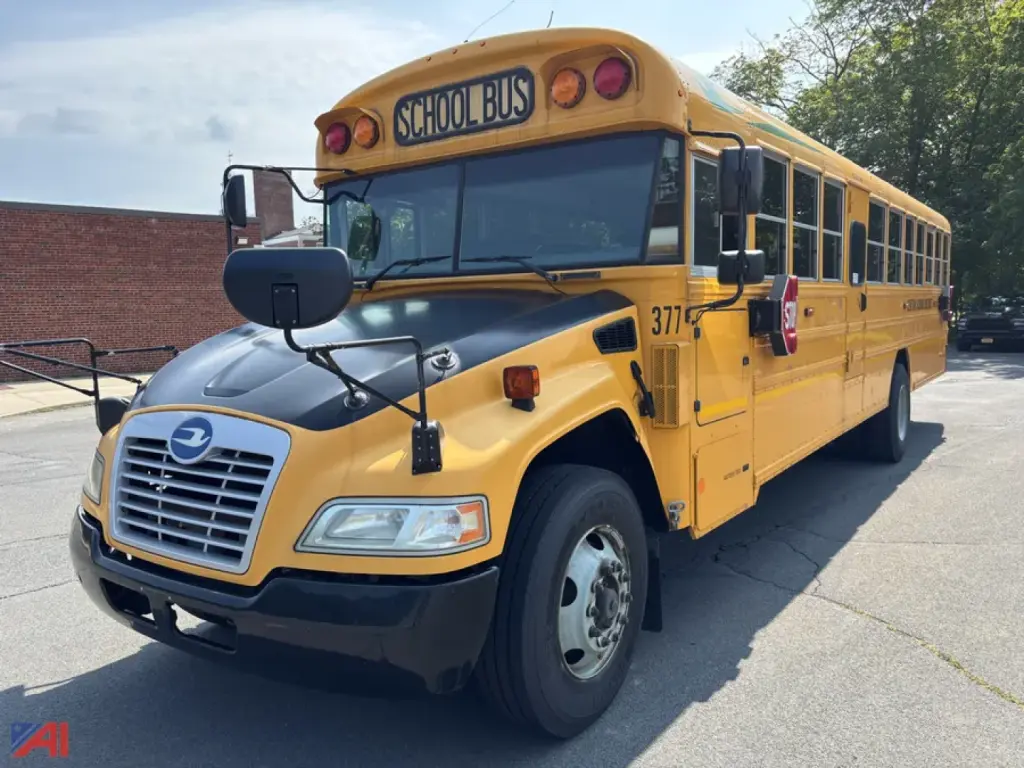
A Blue Bird Vision typically uses a conventional cab layout with a forward hood, good service access, and components familiar to many school fleet technicians. Depending on year and spec, buyers may see gasoline or diesel powertrains, automatic transmissions, hydraulic or air brake setups, and GVWR ratings that support medium-duty commercial use. Key details to verify include seating configuration, axle ratings, engine hours versus odometer miles, rust at body mounts and step wells, underbody corrosion from Northeast road treatment, and the condition of electrical systems tied to warning lights, wheelchair lifts, HVAC, and multiplex controls. On older units, suspension wear, brake line condition, and emergency exit hardware deserve a close look.
The right Blue Bird unit depends heavily on end use. For shuttle or church transport, focus on passenger entry, seat layout, luggage space, visibility, and climate control. For contractor, municipal, or mobile business conversion work, pay attention to interior dimensions, roof height, window structure, electrical capacity, and how easily the body can be modified while staying compliant with state and federal rules. New York buyers should also consider registration class, CDL requirements, emissions compliance, and any restrictions tied to former school bus equipment such as stop arms, flashing lights, and color changes before the vehicle can enter civilian service.
Compared with a standard medium-duty straight truck, a Blue Bird platform offers a very different value proposition. You get a robust body structure and a design built for repetitive route service, but not the same cargo flexibility as a box truck or stake body. Buyers who understand that tradeoff can find a durable platform for passenger movement or specialty upfit work. The smartest purchase usually comes down to service history, corrosion level, drivetrain spec, and how much post-sale reconfiguration the vehicle will require.
Frequently Asked Questions about Blue Bird Trucks in New York
What are Blue Bird trucks typically used for?
Most Blue Bird units on the secondary market are school buses or bus-based commercial vehicles rather than traditional freight trucks. Common uses include private shuttle service, church or nonprofit transport, mobile offices, training units, specialty upfits, and approved bus conversions. The best application depends on passenger needs, interior layout, local registration rules, and how much modification the chassis and body will require.
What should I inspect first on a used Blue Bird in New York?
Start with frame and underbody corrosion, especially around body mounts, step wells, crossmembers, brake lines, and suspension attachment points. New York road salt can significantly affect long-term durability. After that, check engine condition, transmission operation, steering play, brake system type and wear, electrical accessories, heater performance, and any signs that warning light or safety systems were removed improperly after school service.
Are Blue Bird Vision models diesel or gasoline?
Blue Bird Vision models have been offered with different engine configurations depending on year and fleet specification, including gasoline and diesel setups. The exact engine matters because it affects maintenance cost, emissions equipment, cold-weather operation, fuel availability, and total life-cycle expense. Buyers should confirm engine model, transmission pairing, and emissions system components before comparing units.
Can a retired Blue Bird school bus be converted for commercial or private use?
Yes, but conversion requires attention to legal compliance as much as mechanical condition. Former school bus equipment such as stop arms, school flashers, route signs, and yellow paint may need to be removed or changed based on state requirements. Registration class, seating capacity, insurance, CDL implications, and any modifications to exits, lifts, or interior structure should be reviewed before the unit is put into service.
How does a Blue Bird compare with a medium-duty box truck or shuttle bus?
A Blue Bird offers a heavy-duty passenger-oriented body and a chassis designed for frequent stops, long idling periods, and repeated daily route service. That makes it attractive for transport and specialty builds. A medium-duty box truck is usually better for pure cargo work, easier loading, and freight-focused upfits. A dedicated shuttle bus may offer more refined passenger amenities, but Blue Bird units are often valued for structural durability and fleet-grade construction.