
Mack Trucks For Sale
Browse Mack trucks for sale, including highway, vocational, and day cab models built for durability, payload, and driver-focused performance.
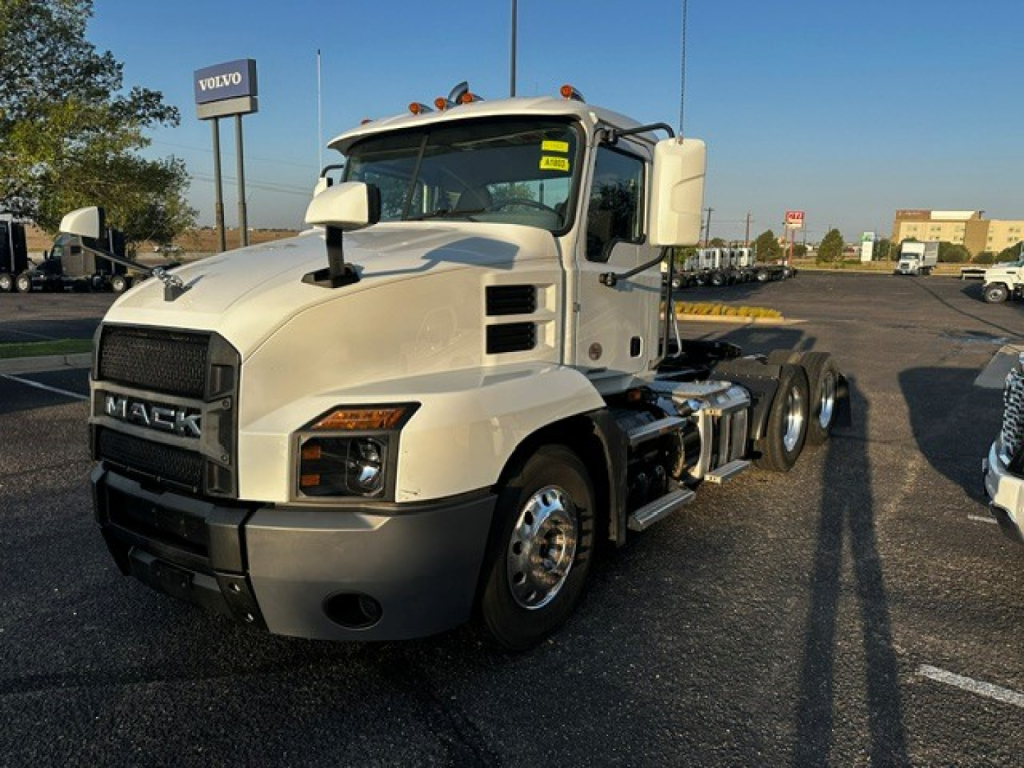
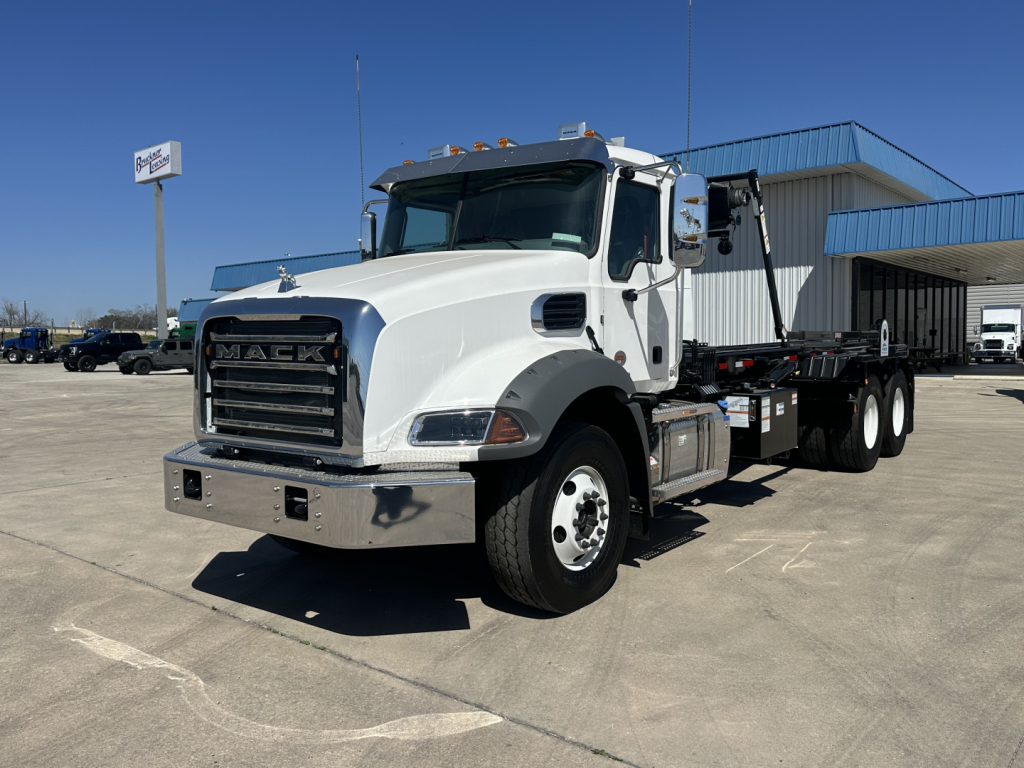
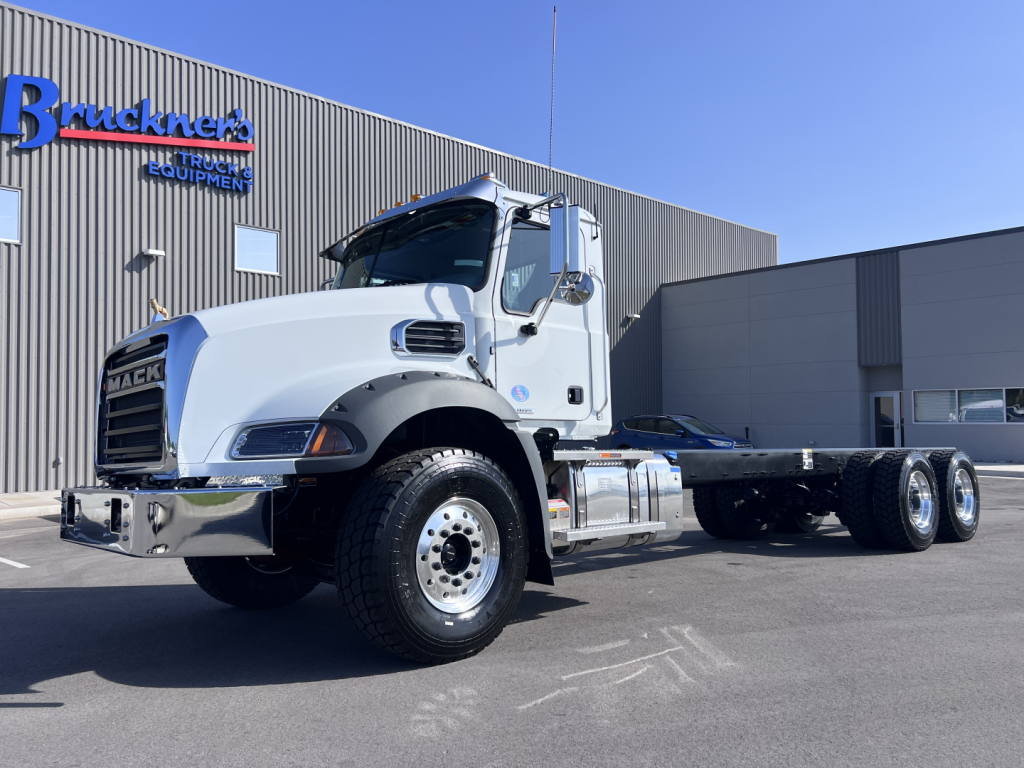
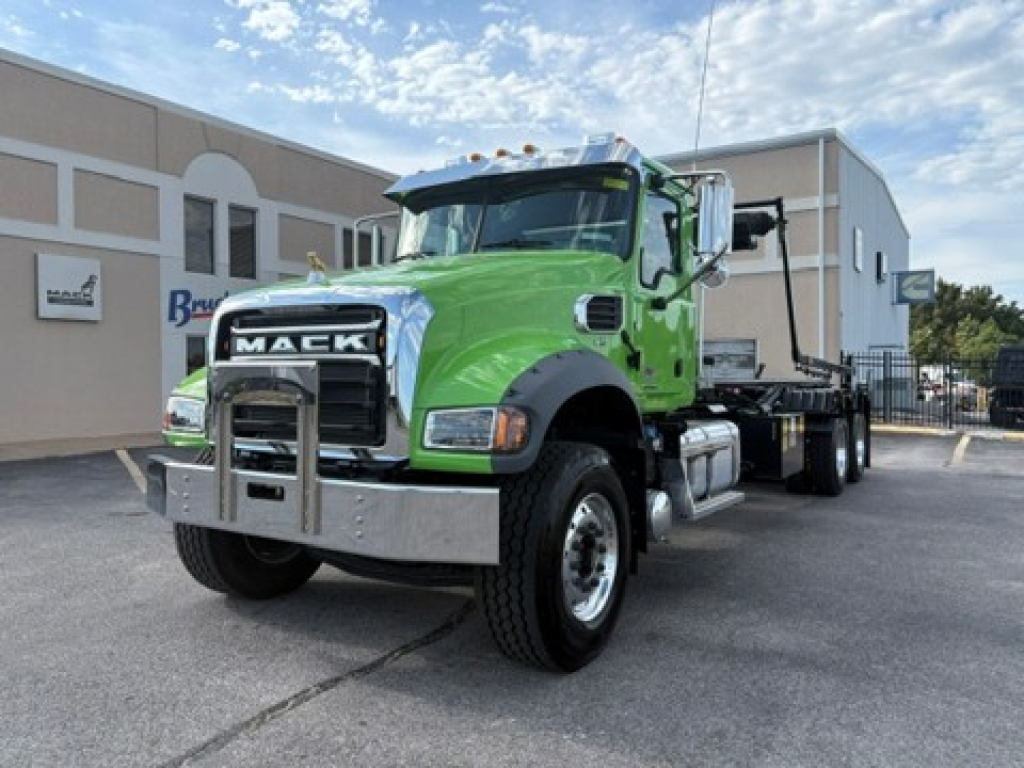
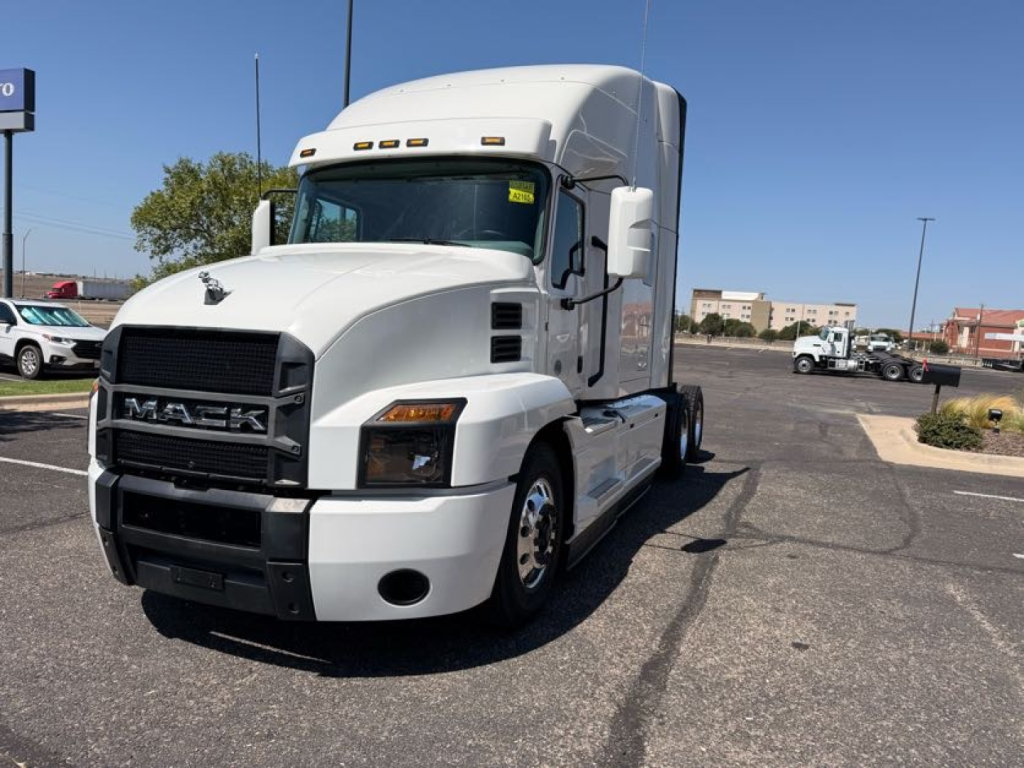
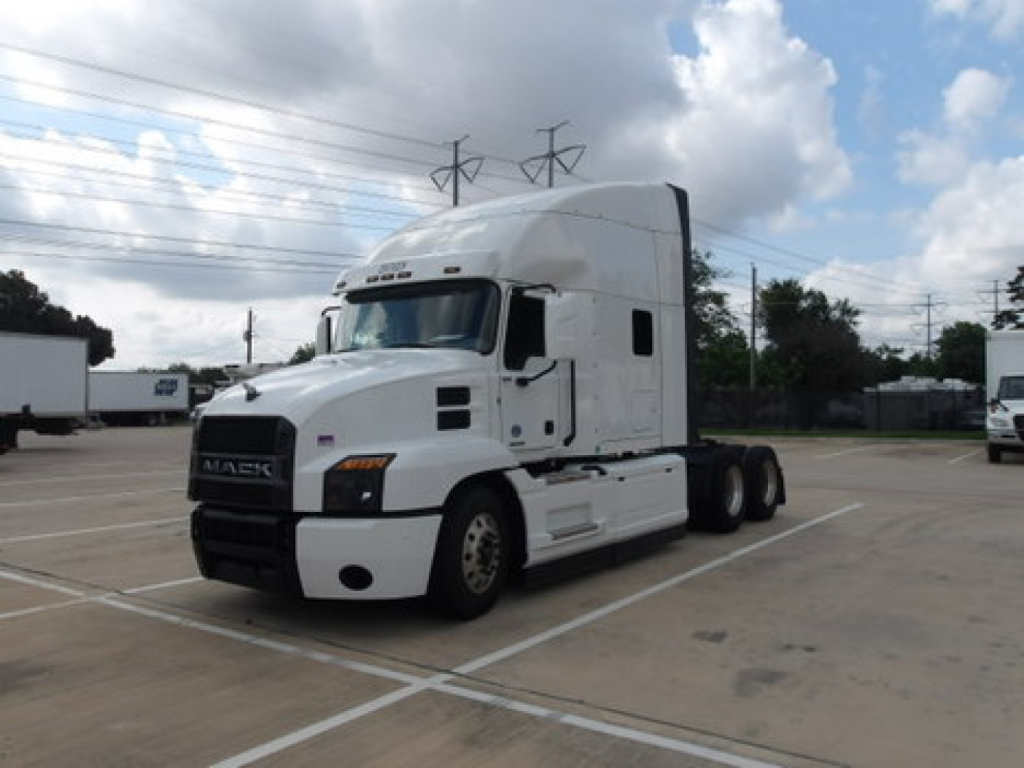
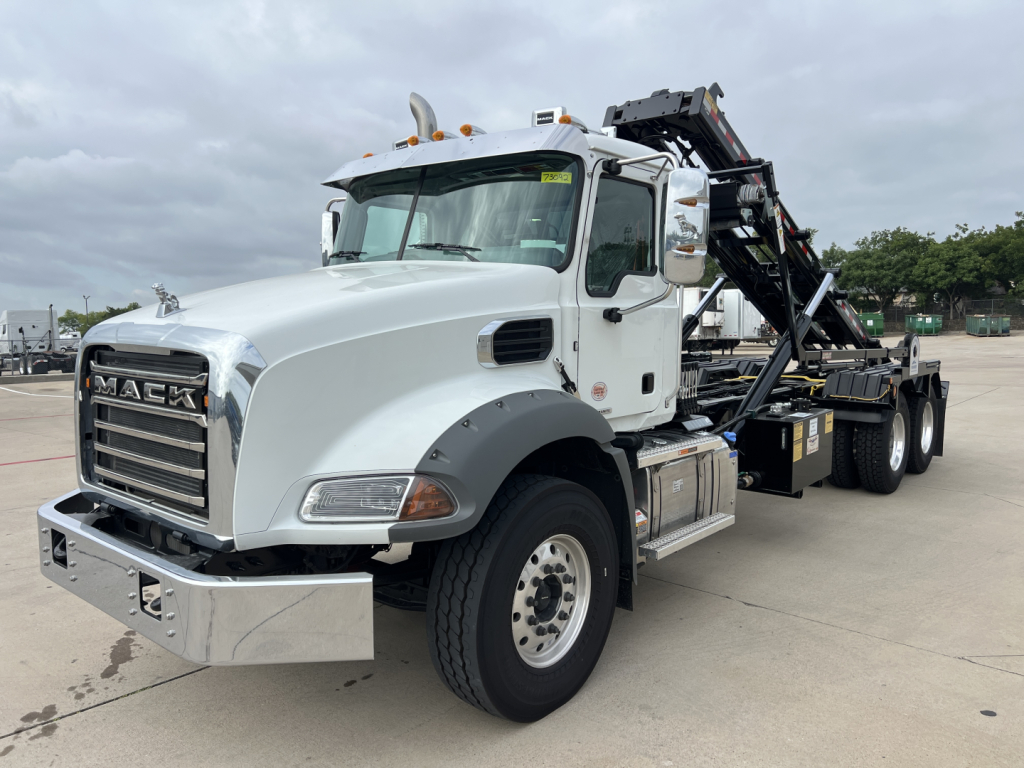
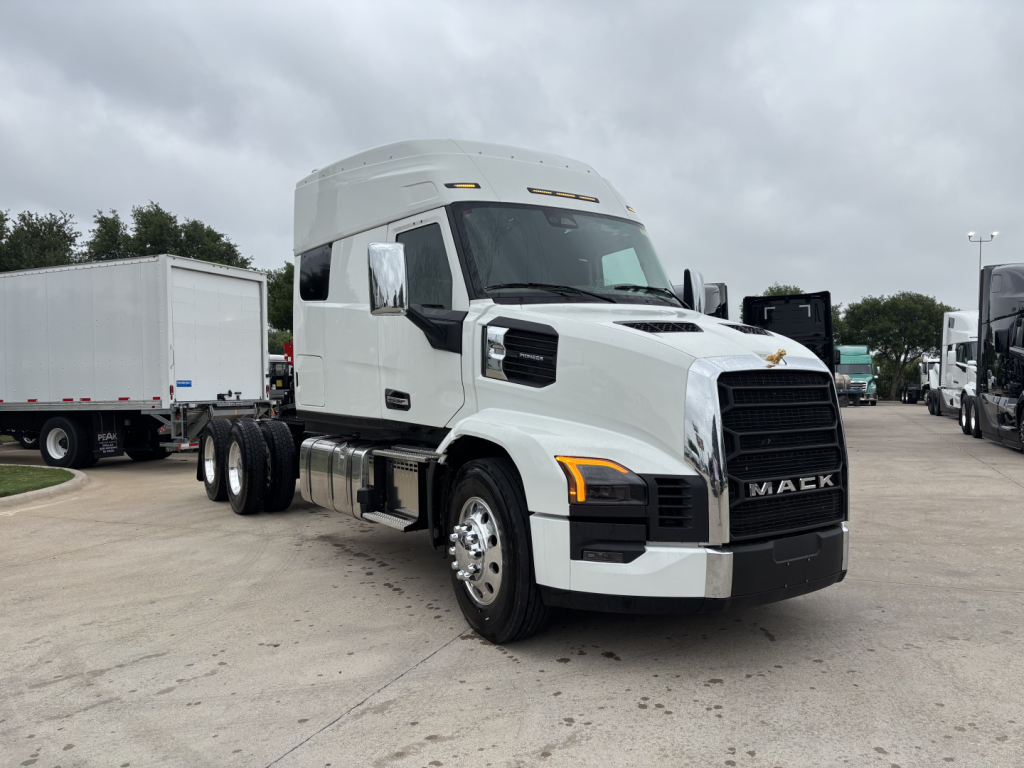
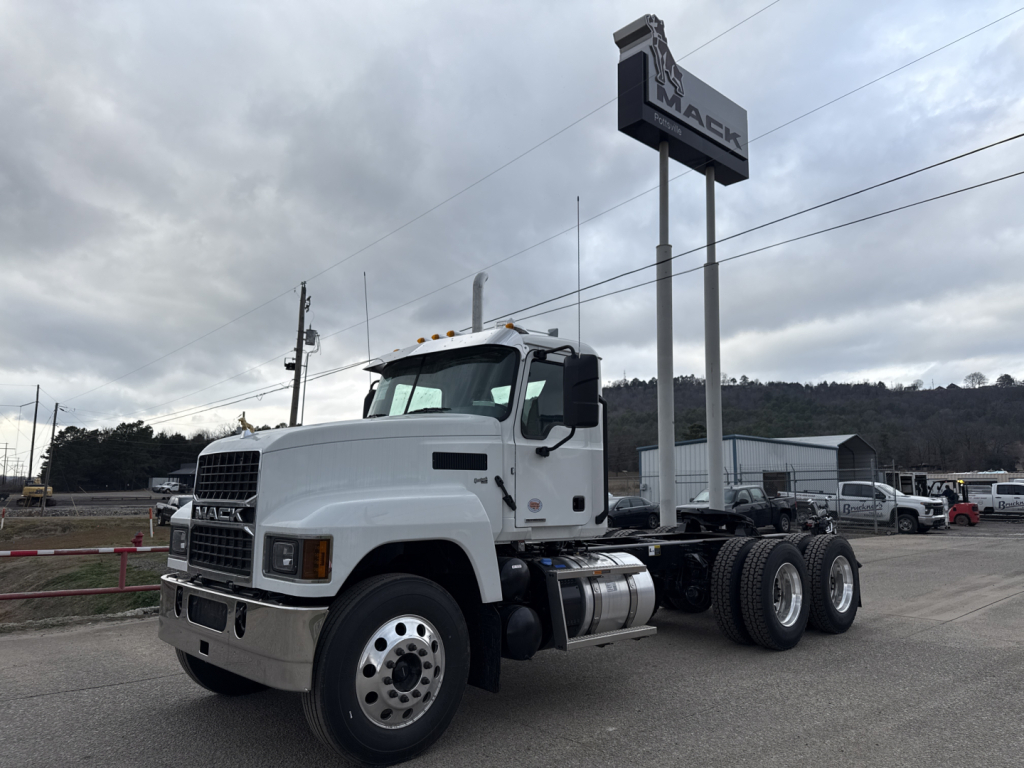
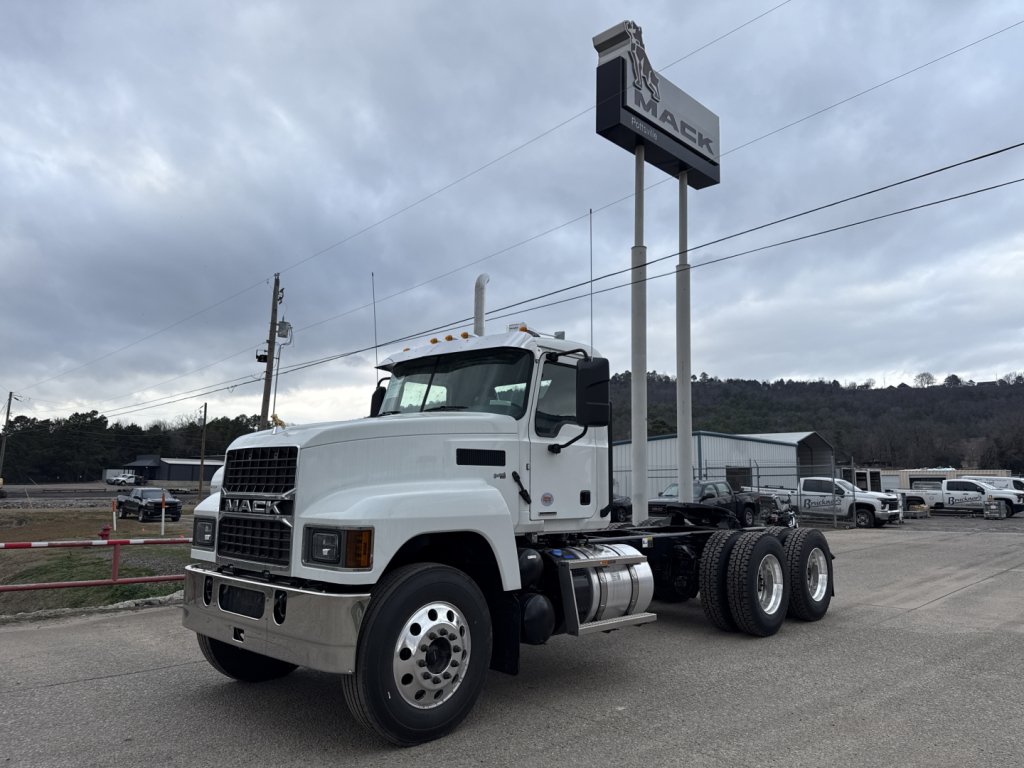
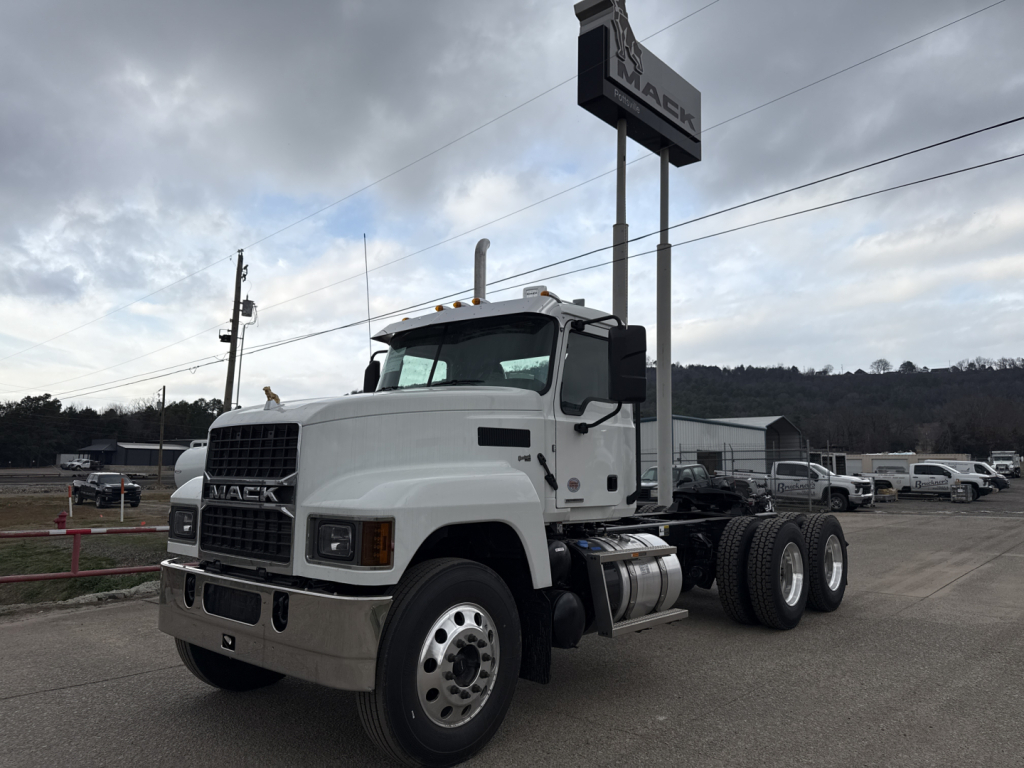
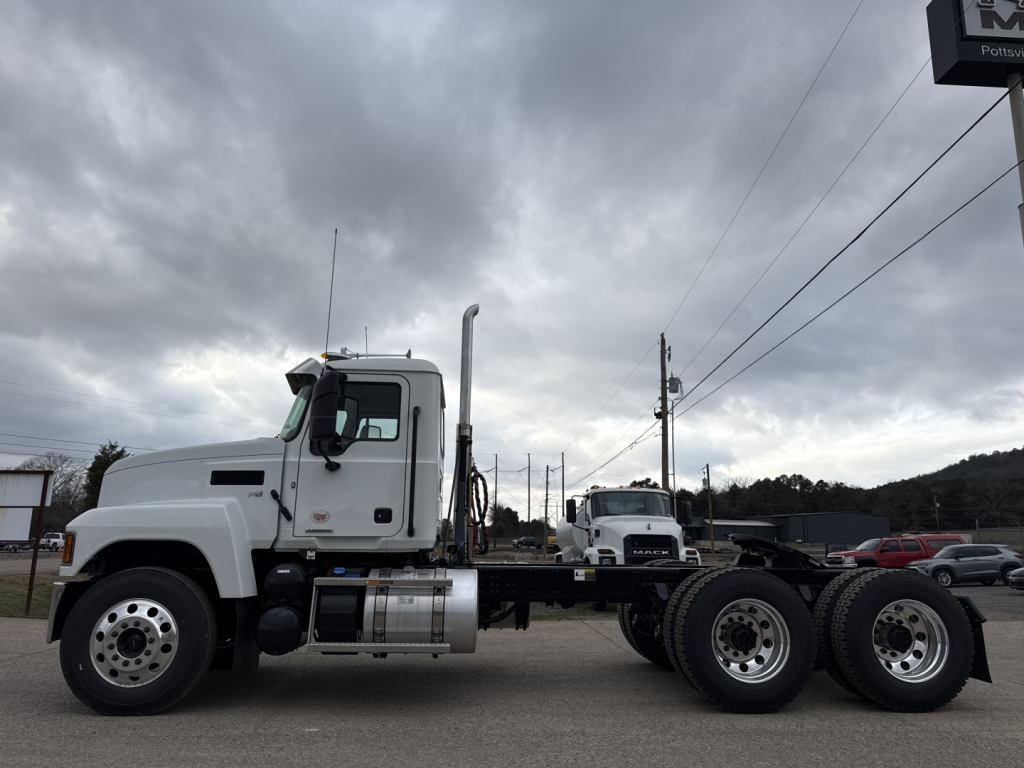
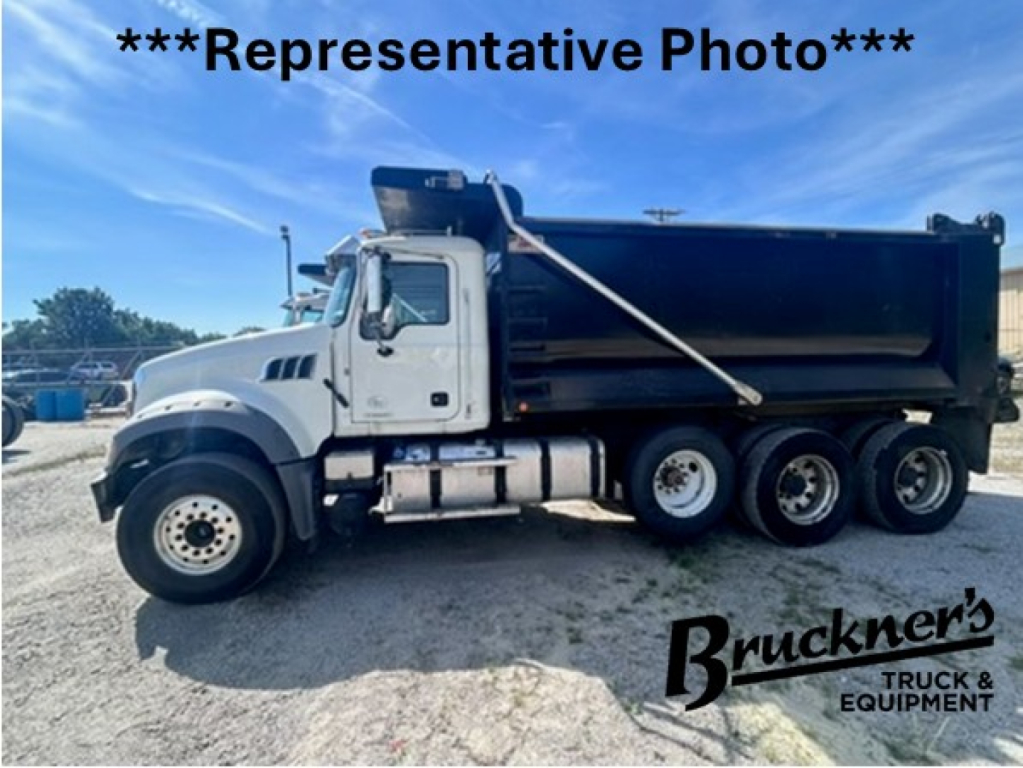
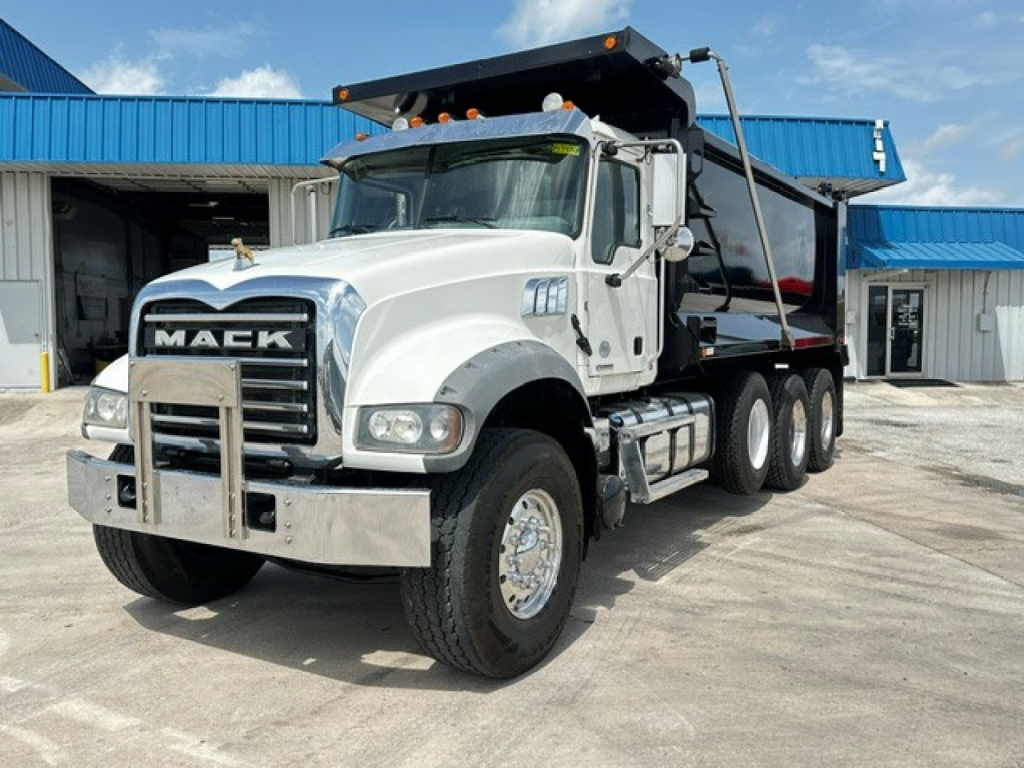
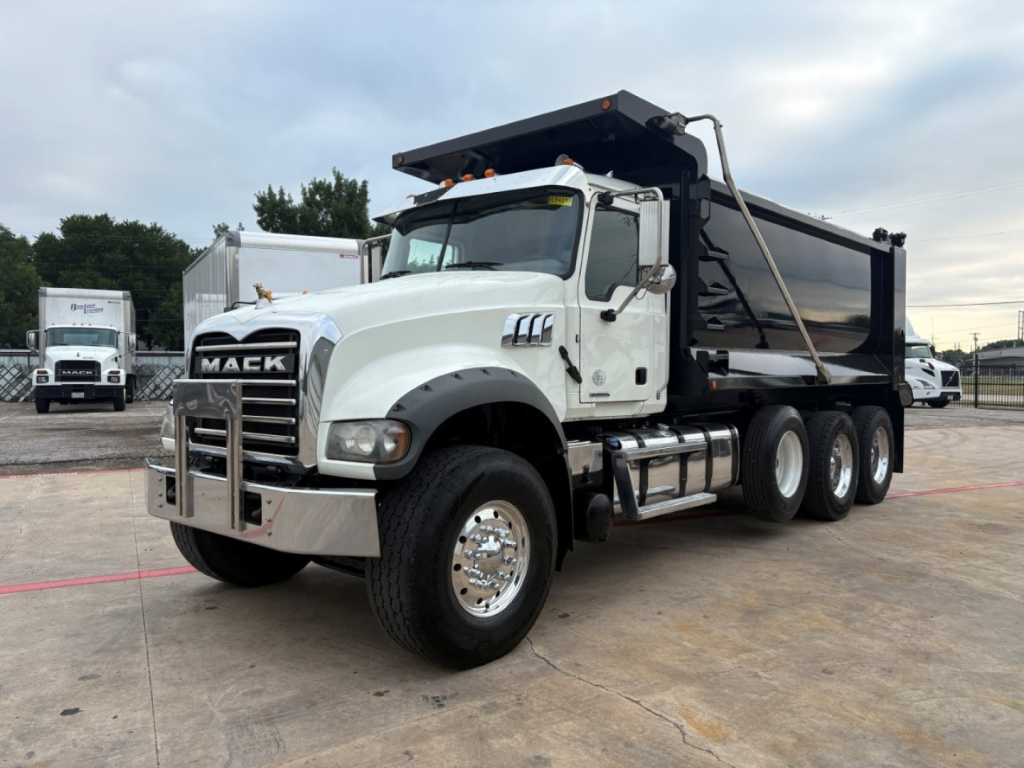
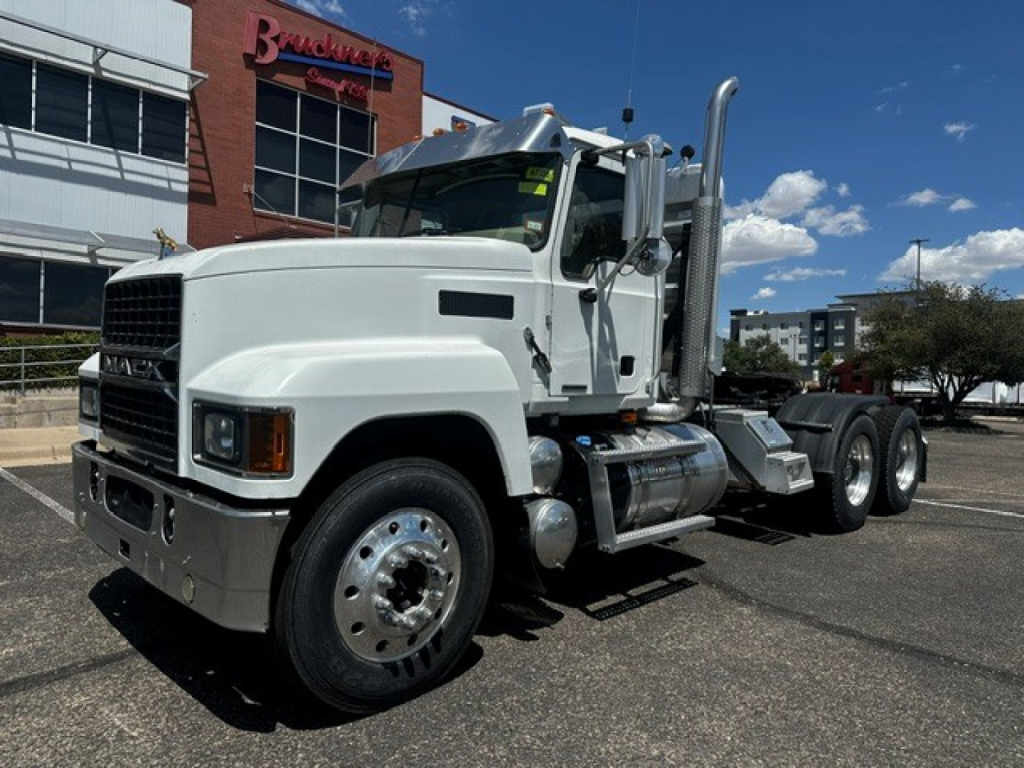
Showing 25 to 48 of 615 results
Have mack truck to sell? List it here to reach thousands of buyers.
Mack Trucks
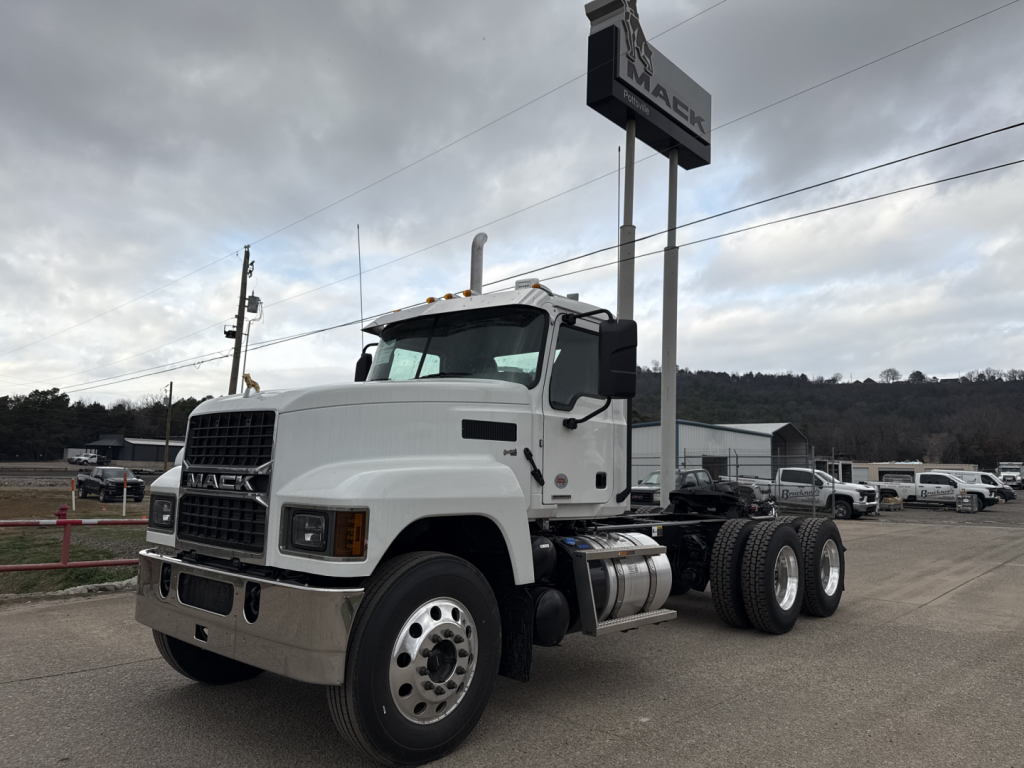
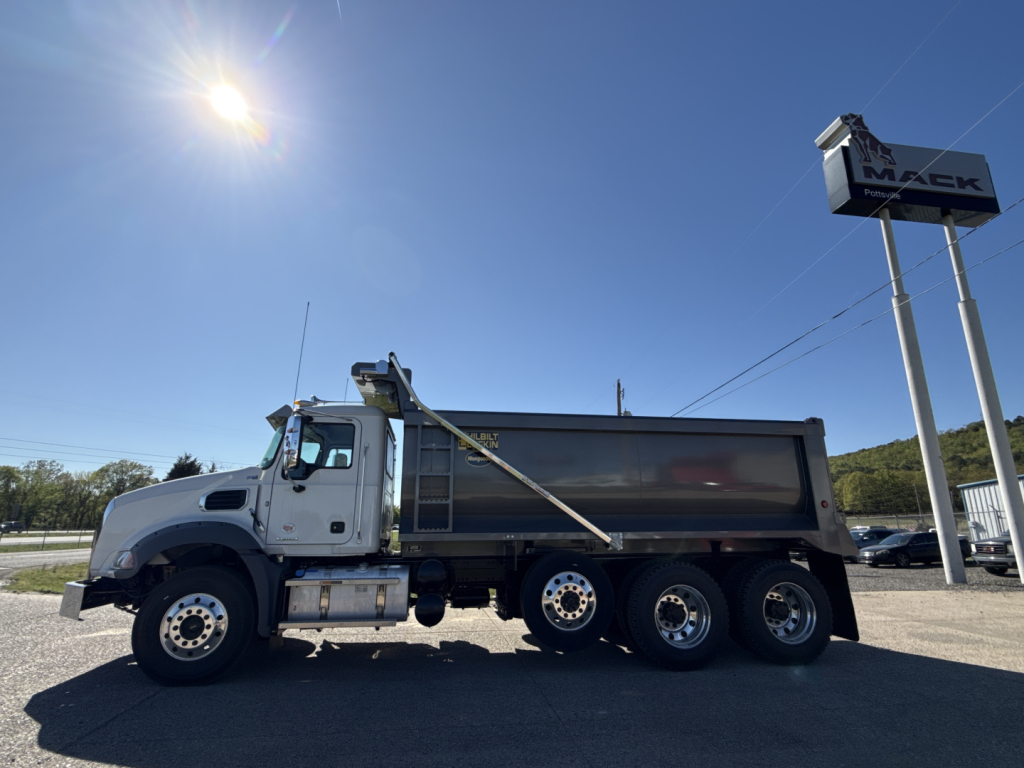
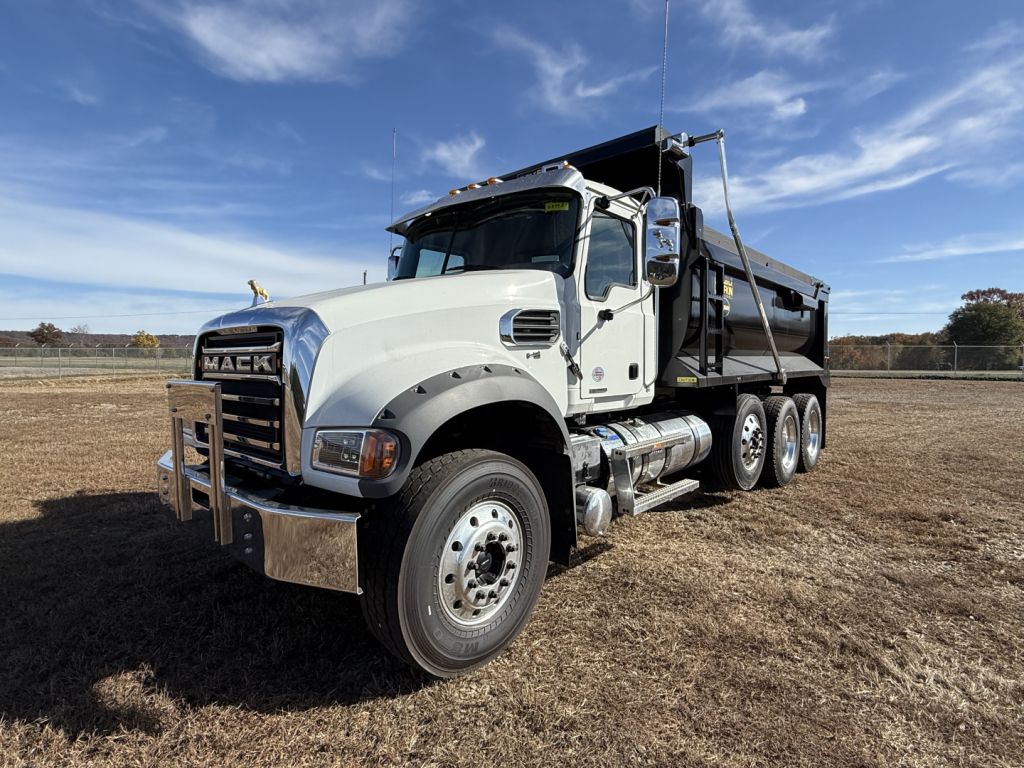
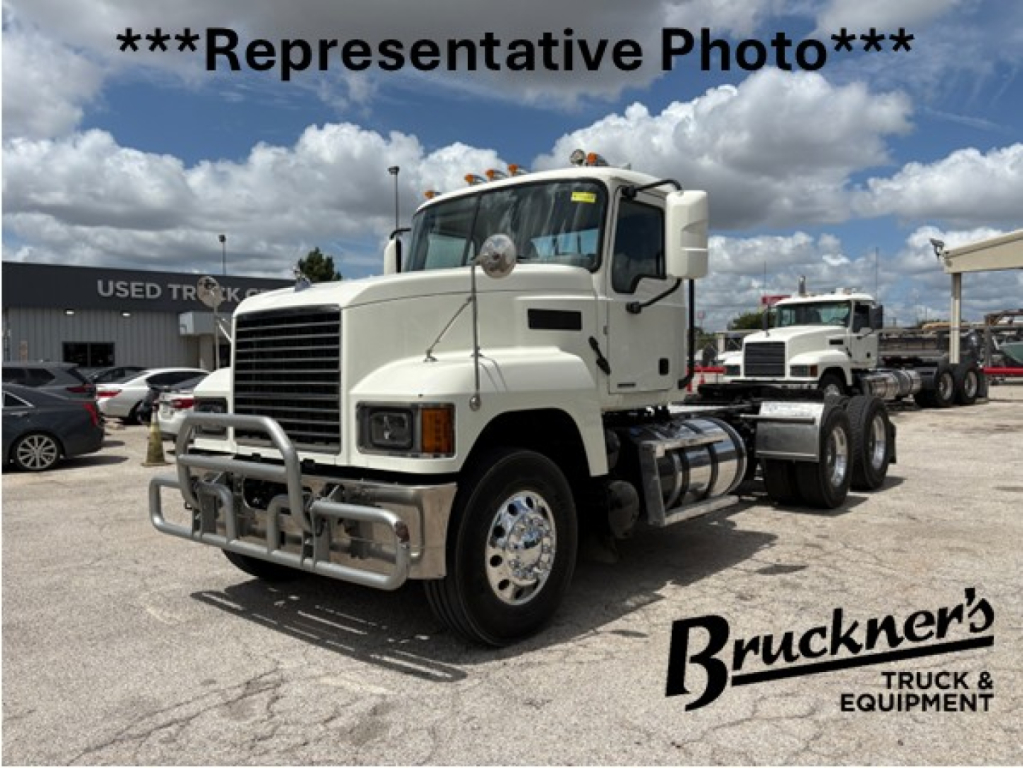
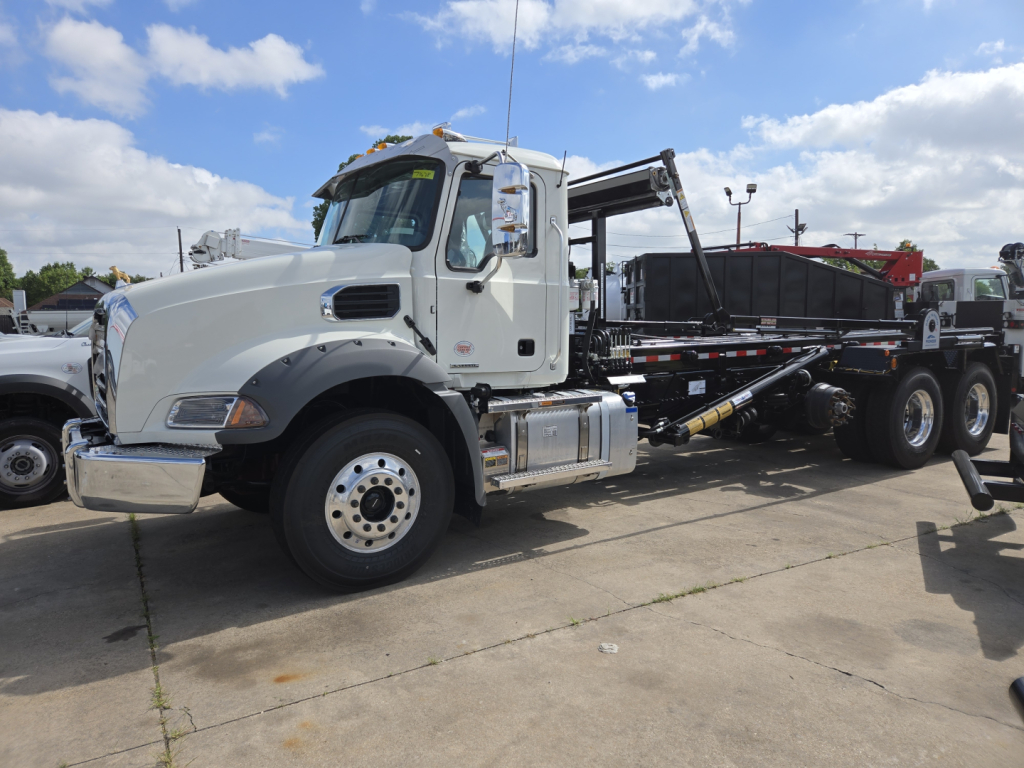
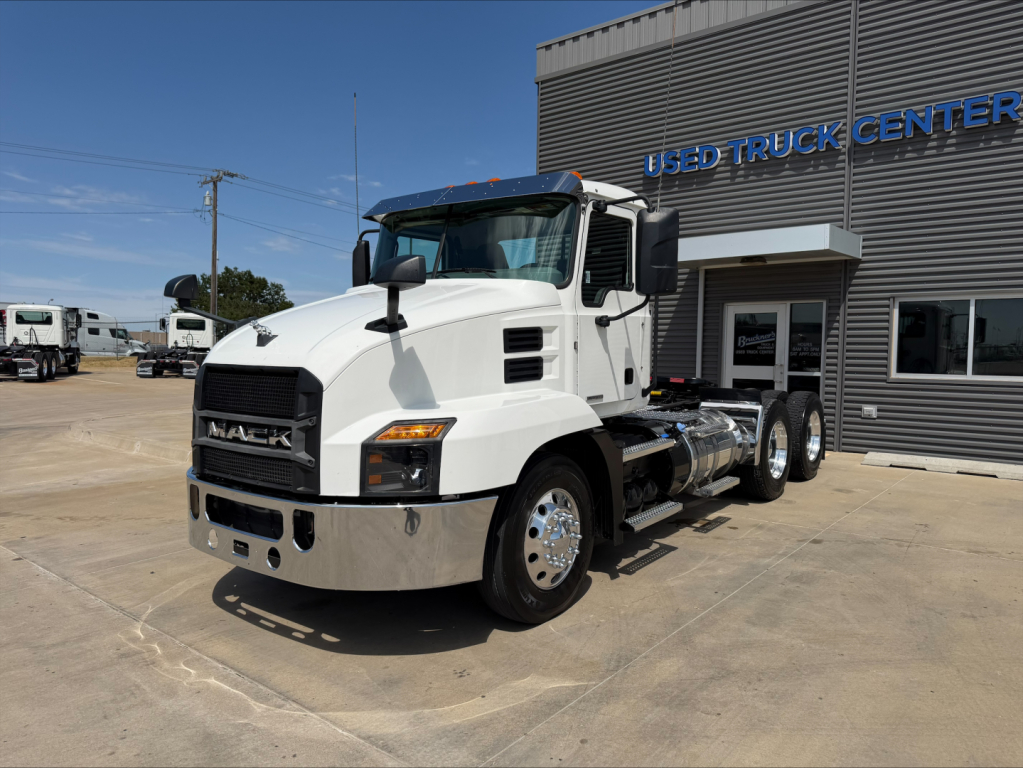
A buyer comparing Mack models should start with the intended duty cycle. For local and regional hauling, day cab configurations such as Pinnacle models are often selected for maneuverability, visibility, and easier ingress and egress in stop-and-go operation. For vocational work, Granite trucks are among the best-known Mack platforms, commonly spec'd for dump, tractor, and heavy chassis applications. Key decisions usually center on axle ratings, wheelbase, suspension type, PTO compatibility, bridge law requirements, and body-builder needs. In dump and construction service, frame rail strength, front axle capacity, set-back versus set-forward axle layout, and transmission choice can have a bigger impact on performance than advertised horsepower alone.
Mack powertrains are a major part of the buying decision. Many trucks are spec'd with Mack integrated engines and transmissions, including automated manual options that help balance driver ease with fuel economy and clutch life. Depending on the model and application, buyers may see horsepower ratings suited for regional freight, heavy haul support, or severe-duty PTO work. Rear axle ratios, locking differentials, camelback or air-ride suspension, and brake specifications should be matched to terrain, payload, and time spent on unimproved jobsites. On-road buyers may focus more on fuel efficiency, cab ergonomics, and turning radius, while vocational buyers tend to prioritize chassis upfit flexibility, ground clearance, and durability under repeated loading cycles.
Condition, emissions system history, and maintenance records are especially important when evaluating used Mack trucks. Buyers should look closely at engine hours versus miles, transmission calibration history, suspension wear, frame condition, and signs of hard vocational use around hoists, pintle plates, and body mounts. On newer models, driver-assist features, telematics integration, and idle management may also influence total operating cost. A well-matched Mack truck can deliver a long service life in applications where structural integrity, predictable handling under load, and fleet-grade component choices are non-negotiable.
Frequently Asked Questions about Mack Trucks
What are the most common Mack truck models buyers look for?
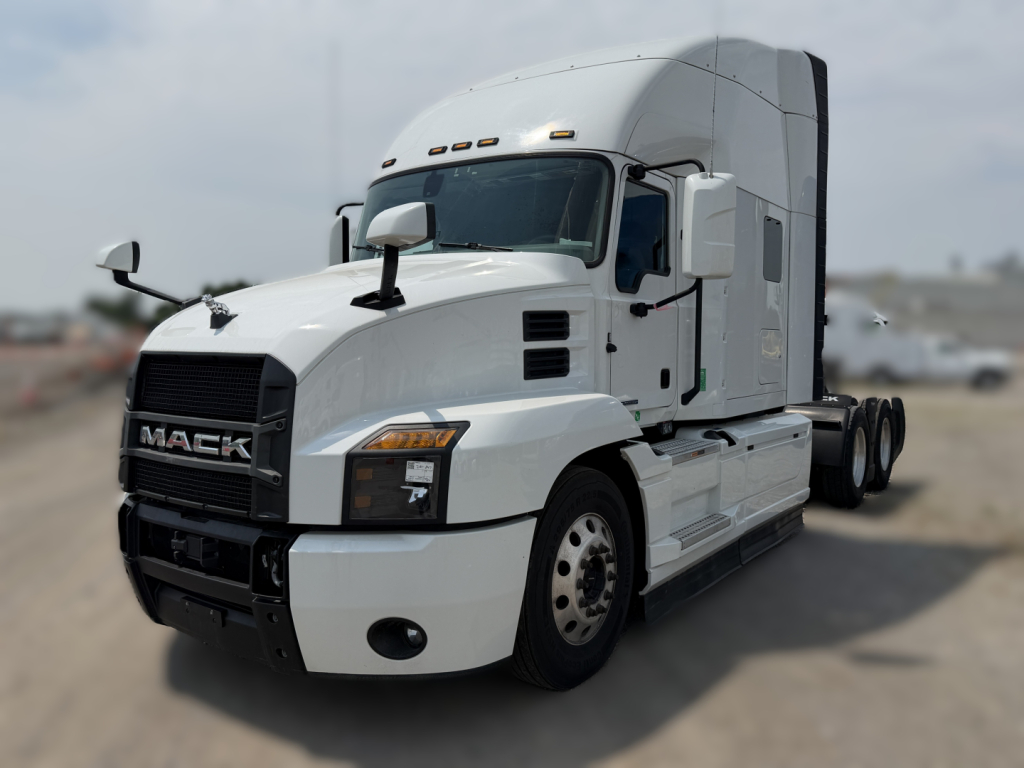
The most recognized Mack models depend on the job. The Mack Granite is widely used in vocational service such as dump, construction, and municipal work because it is built around heavy-duty chassis strength and upfit flexibility. The Mack Pinnacle is commonly seen in highway and regional applications, including conventional day cab and tractor configurations. Buyers should compare model families based on intended payload, axle configuration, cab layout, and body or trailer requirements rather than choosing by model name alone.
Are Mack trucks better suited for vocational work or highway hauling?
Mack has a strong reputation in vocational service, but the brand also supports regional and highway hauling well when properly spec'd. Granite models are especially common in severe-duty applications where frame strength, axle capacity, PTO readiness, and suspension durability matter. Pinnacle and similar on-road configurations are better aligned with freight hauling, fuel economy targets, and day cab fleet work. The better choice depends on duty cycle, terrain, body equipment, and expected gross vehicle weight.
What should I check first on a used Mack truck?
Start with the truck's application history and maintenance documentation. A vocational Mack that spent years in off-road or construction service may show more frame stress, suspension wear, and body-mount fatigue than a regional day cab with similar mileage. Review engine hours, fault code history, emissions repairs, transmission service records, axle condition, and evidence of PTO or hydraulic use. It is also smart to inspect crossmembers, spring hangers, steering components, and any signs of corrosion or cracking around high-load areas.
Do Mack trucks typically use integrated powertrains?
Many Mack trucks are known for integrated powertrain packages that pair Mack engines, transmissions, and driveline components to work together as a system. This can simplify spec'ing and may improve drivability, shift logic, and service consistency across a fleet. That said, exact configurations vary by model year and application, so buyers should verify horsepower, torque, transmission type, rear axle ratio, and suspension spec on each truck. The right powertrain is the one that matches payload, route profile, PTO demand, and driver operating style.
Which specs matter most when buying a Mack dump or vocational truck?
For a Mack dump or severe-duty chassis, the most important specs are usually front axle rating, rear axle capacity, frame section, wheelbase, suspension type, PTO setup, and transmission choice. Buyers should also confirm body compatibility, hoist requirements, tire size, and legal bridge considerations before making a decision. A truck with the right axle spread and chassis layout will usually perform better in the field than one that simply has higher horsepower. In vocational service, correct spec alignment is what protects uptime, payload efficiency, and component life.