
Mack Trucks For Sale in Colorado
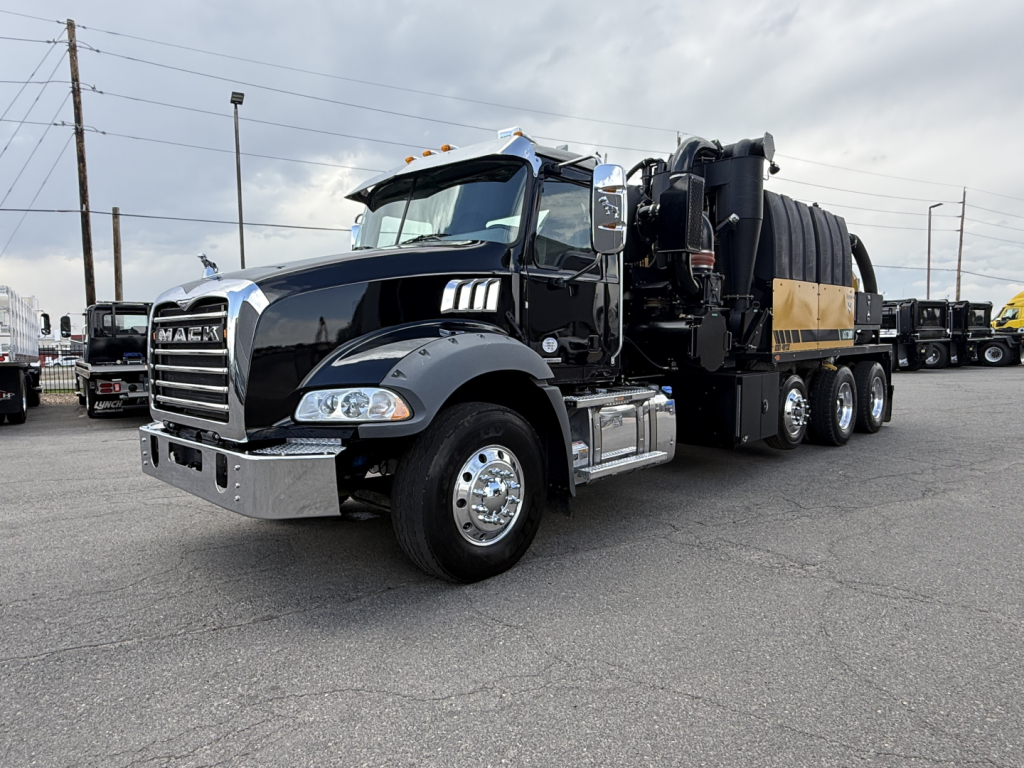
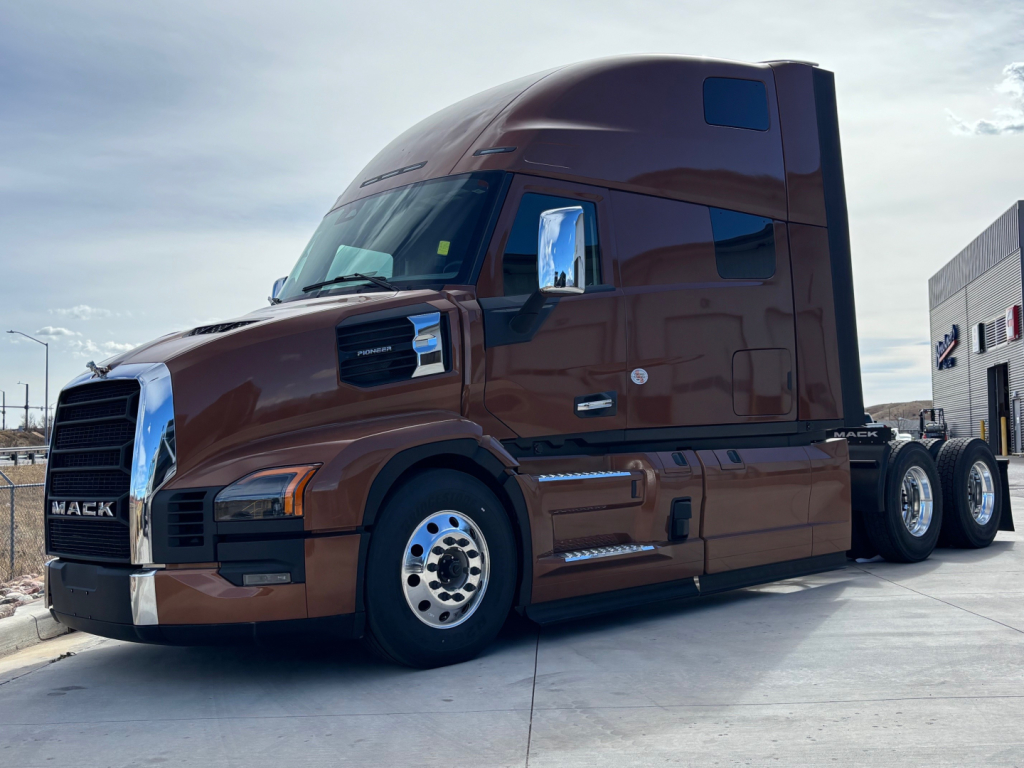
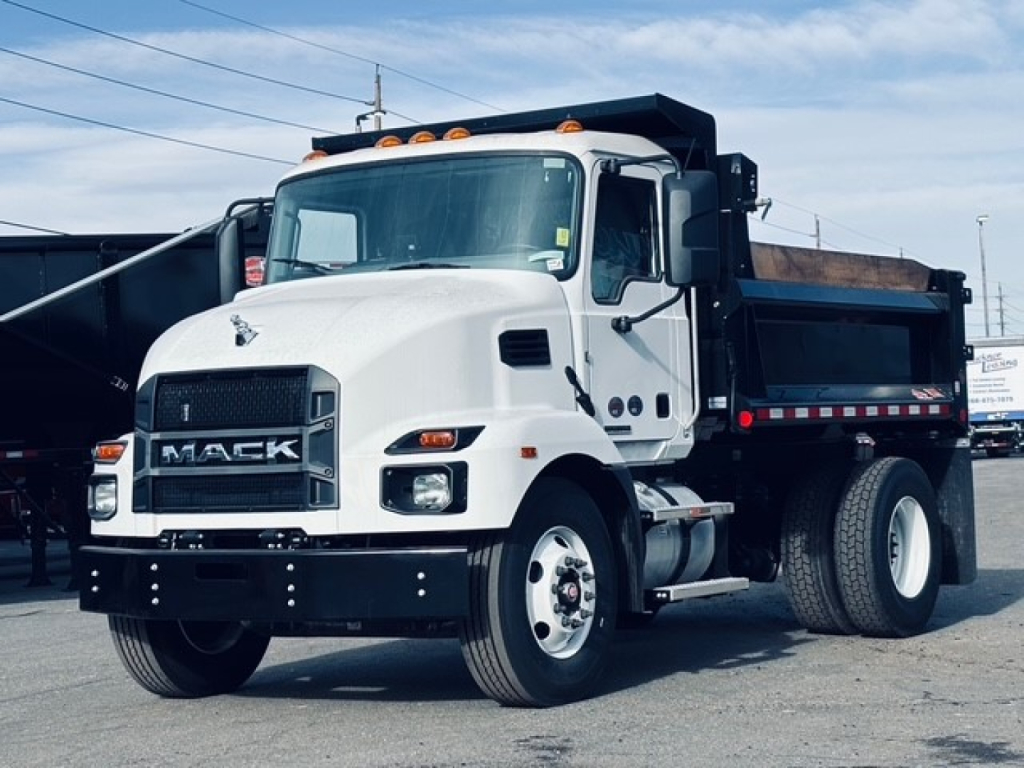
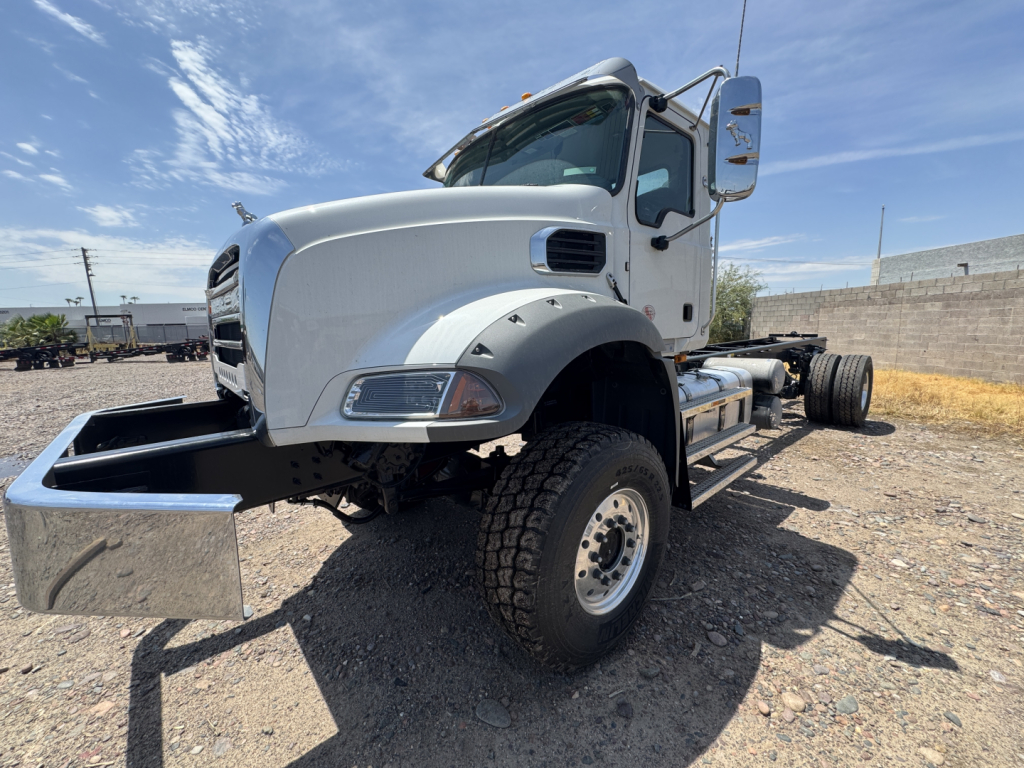
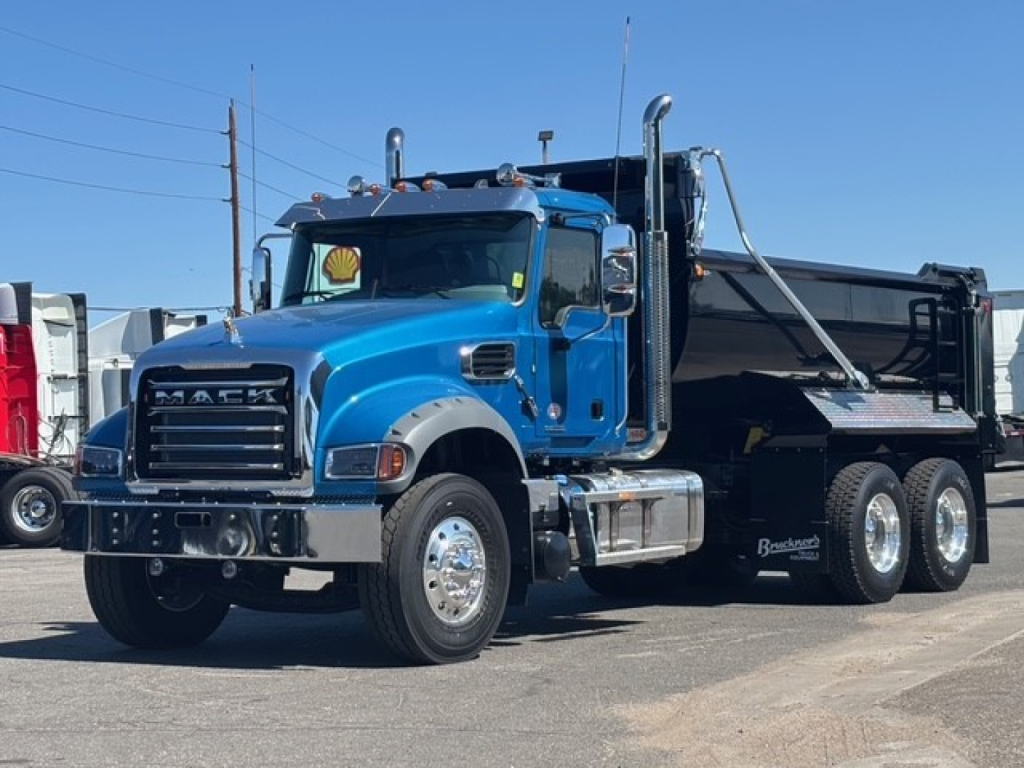
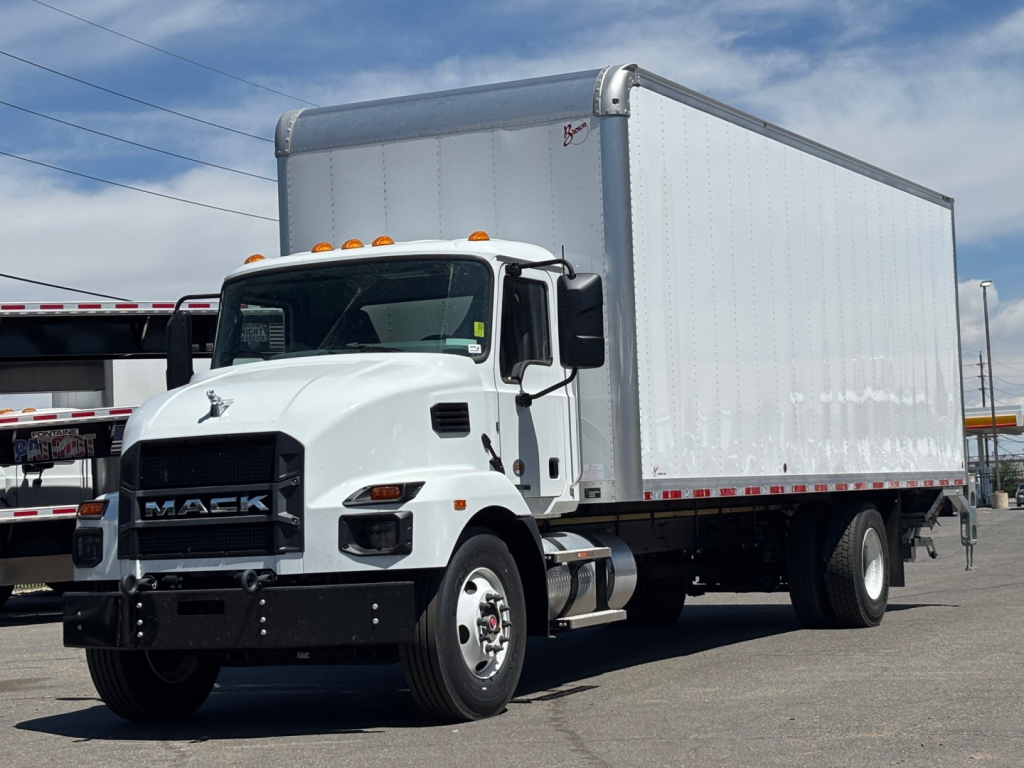
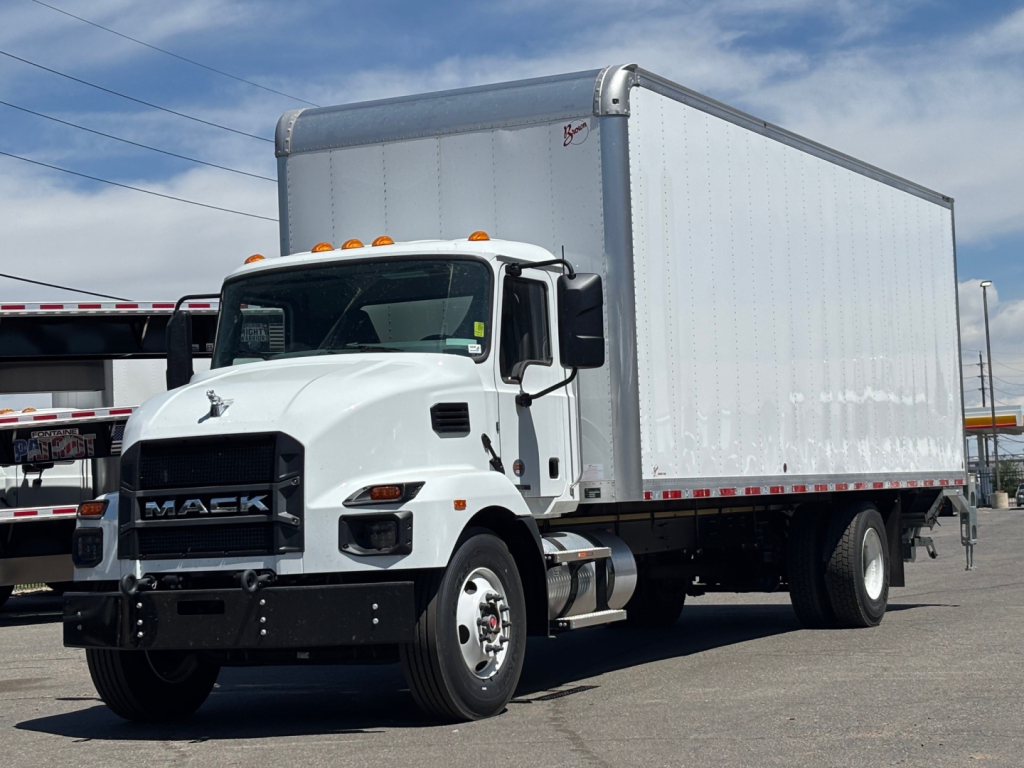
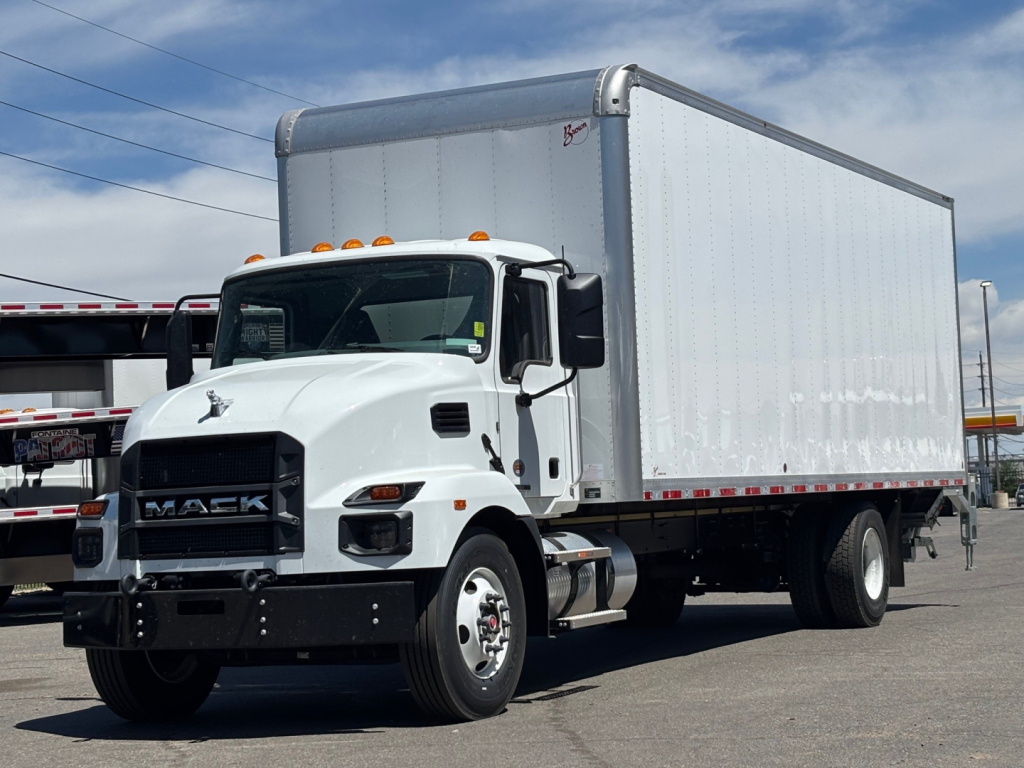
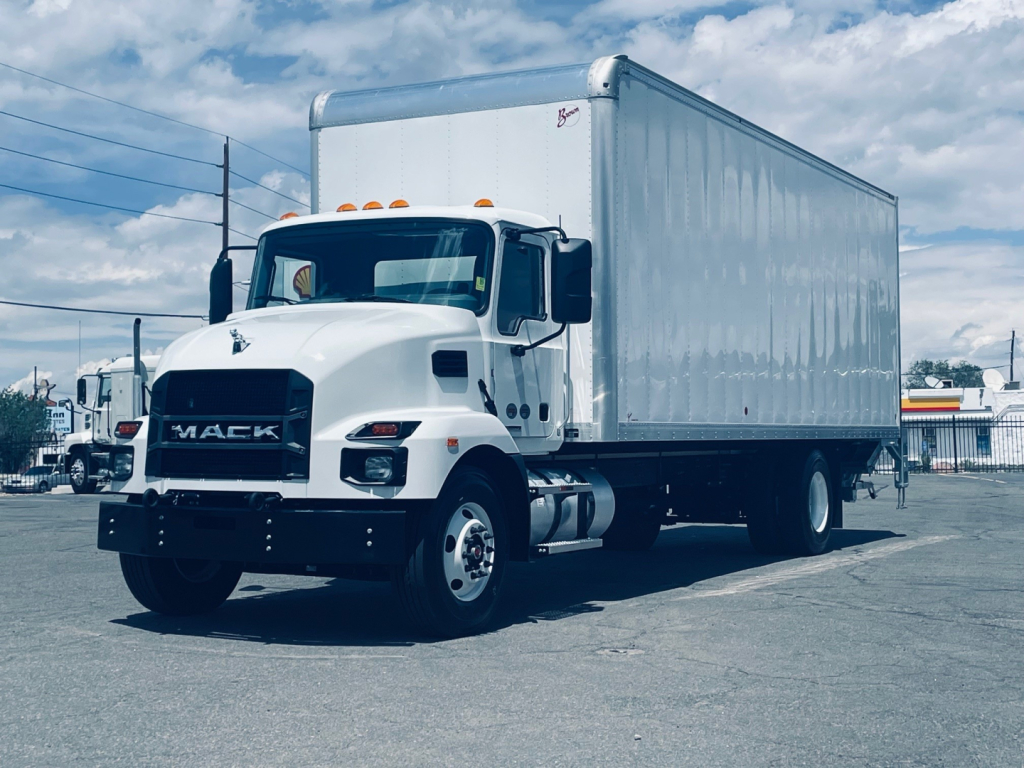
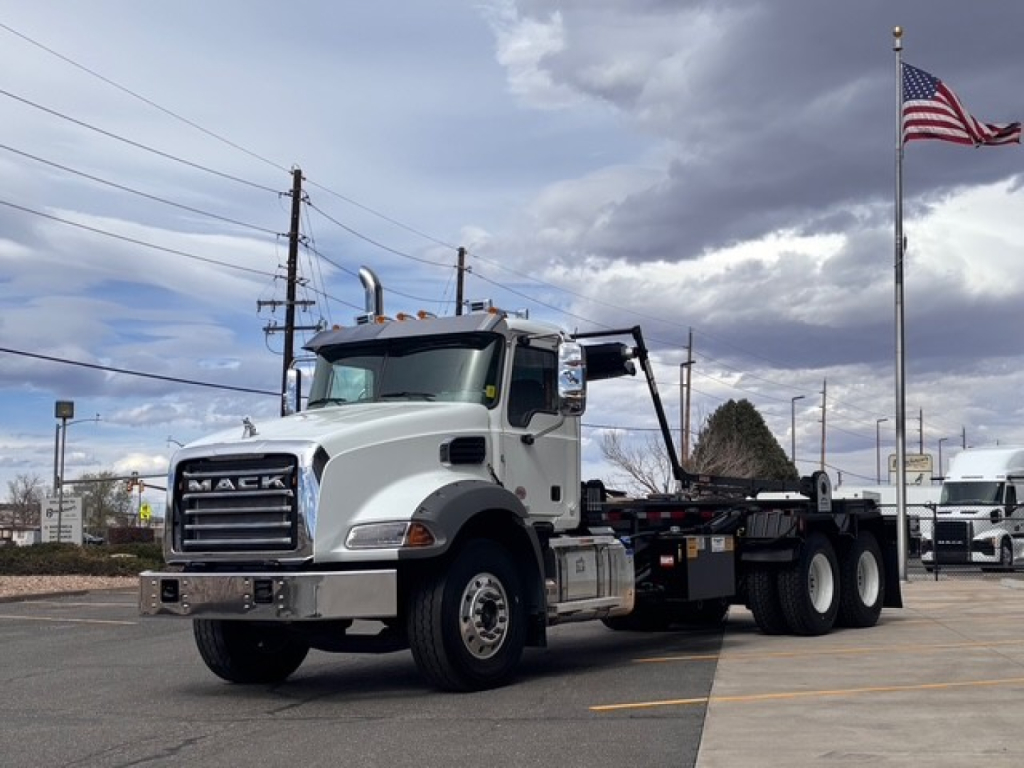
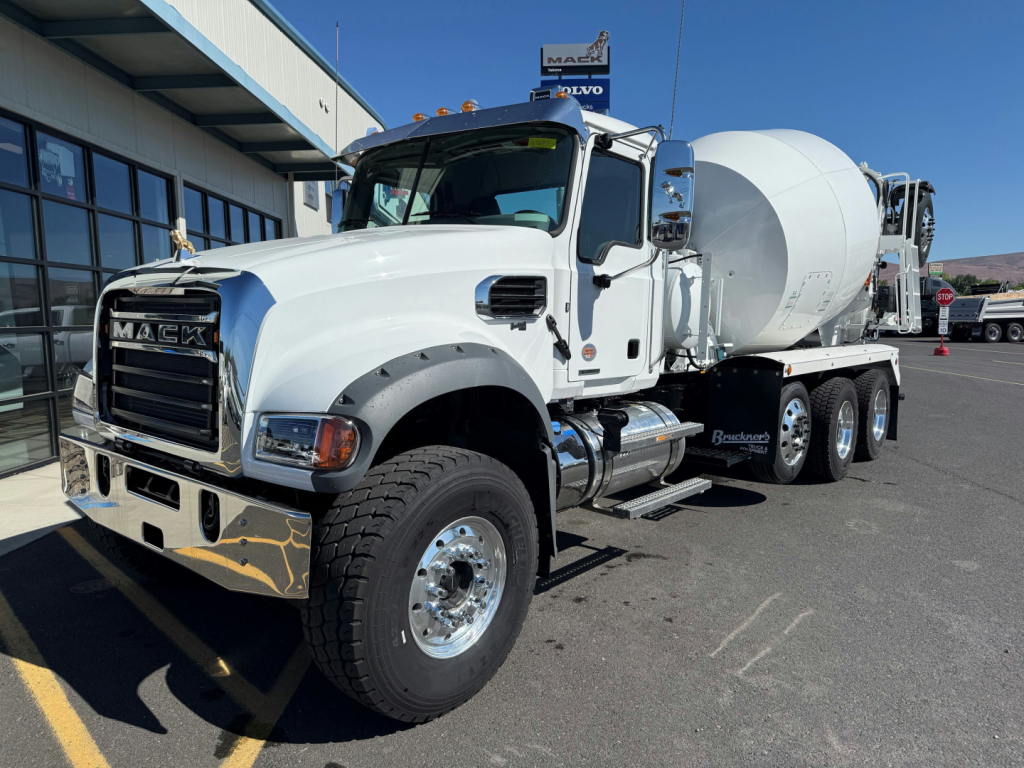
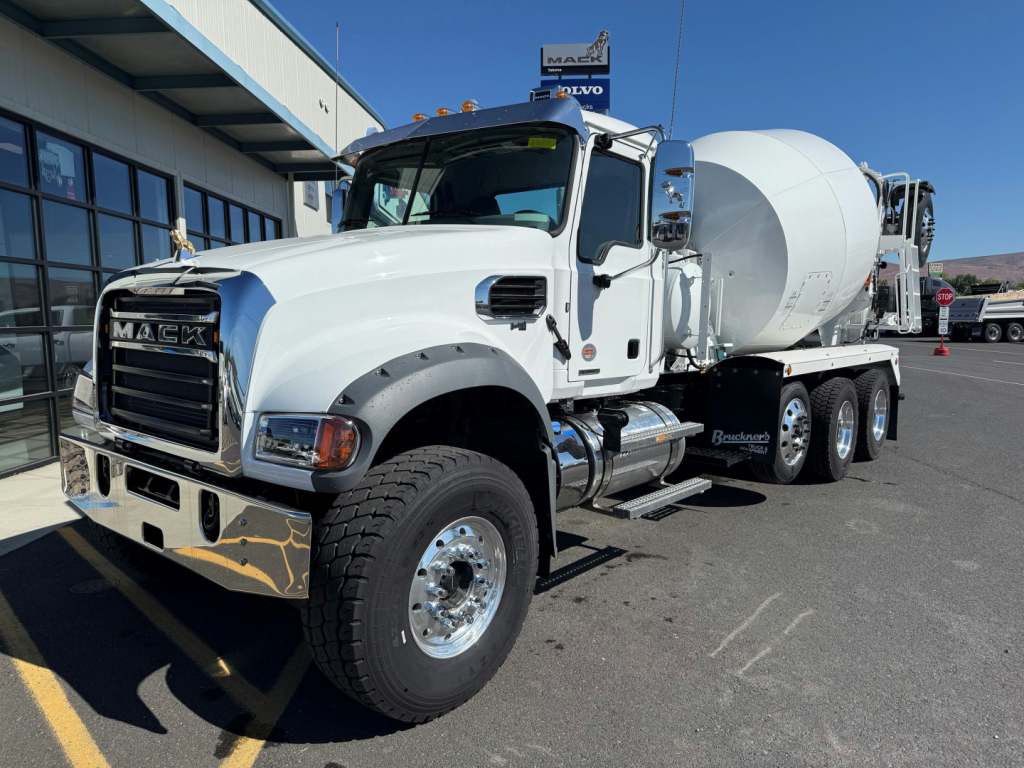
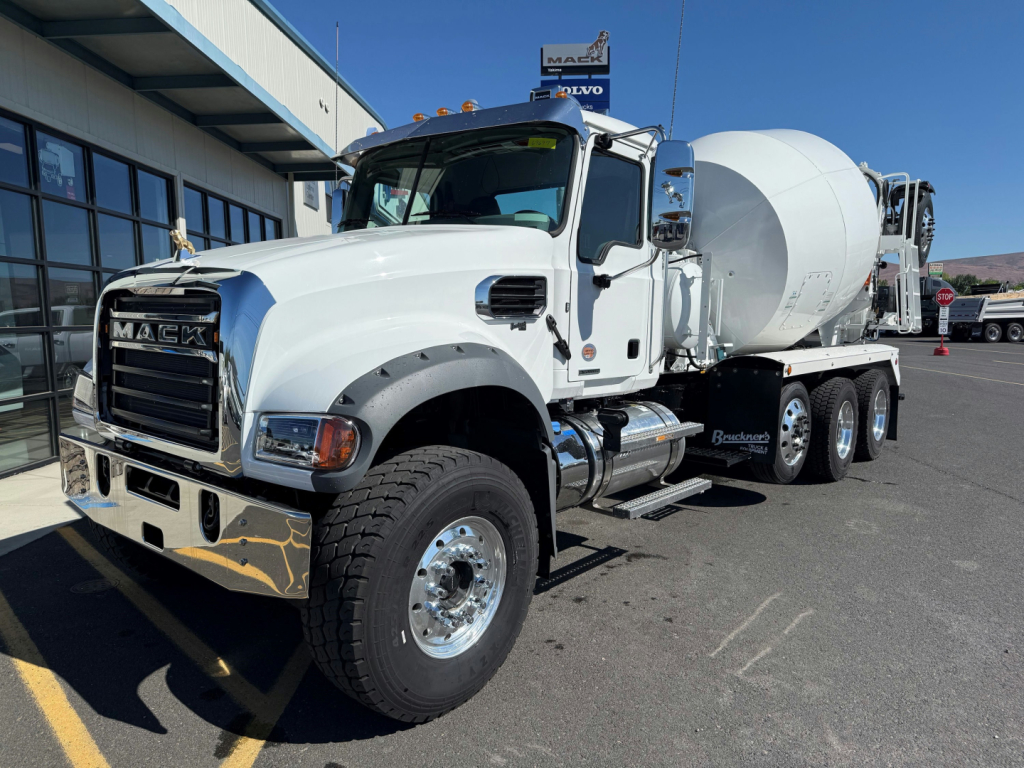
Browse Mack trucks for sale in Colorado, including highway, medium-duty, vocational, box, flatbed, mixer, and day cab configurations.
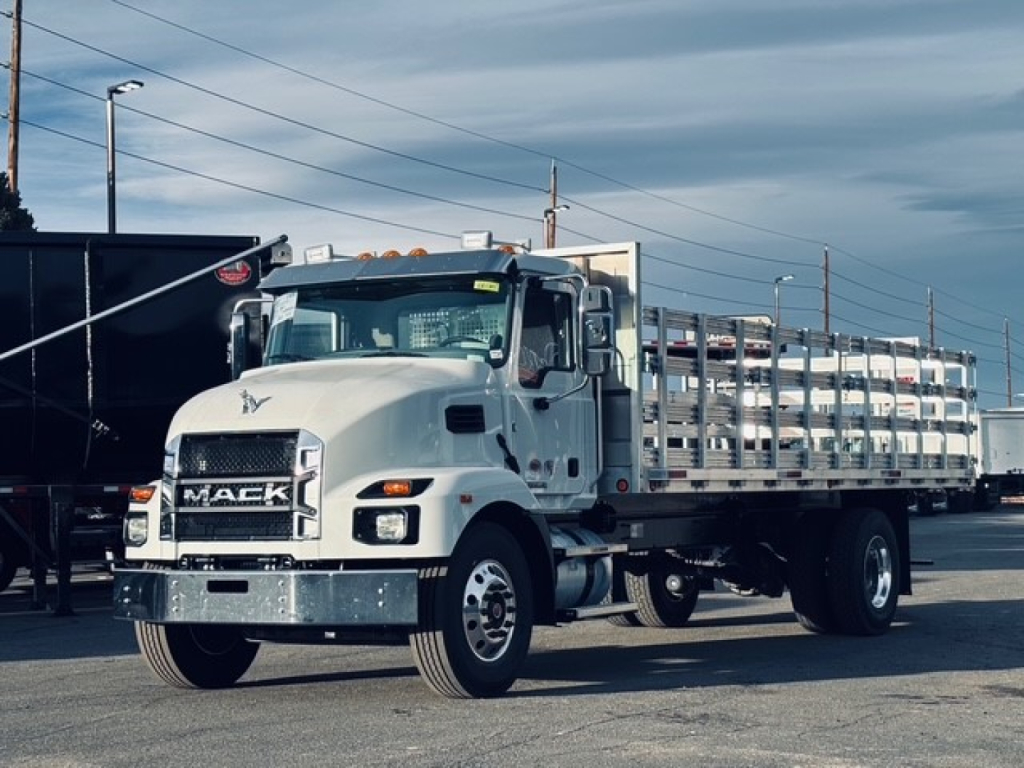
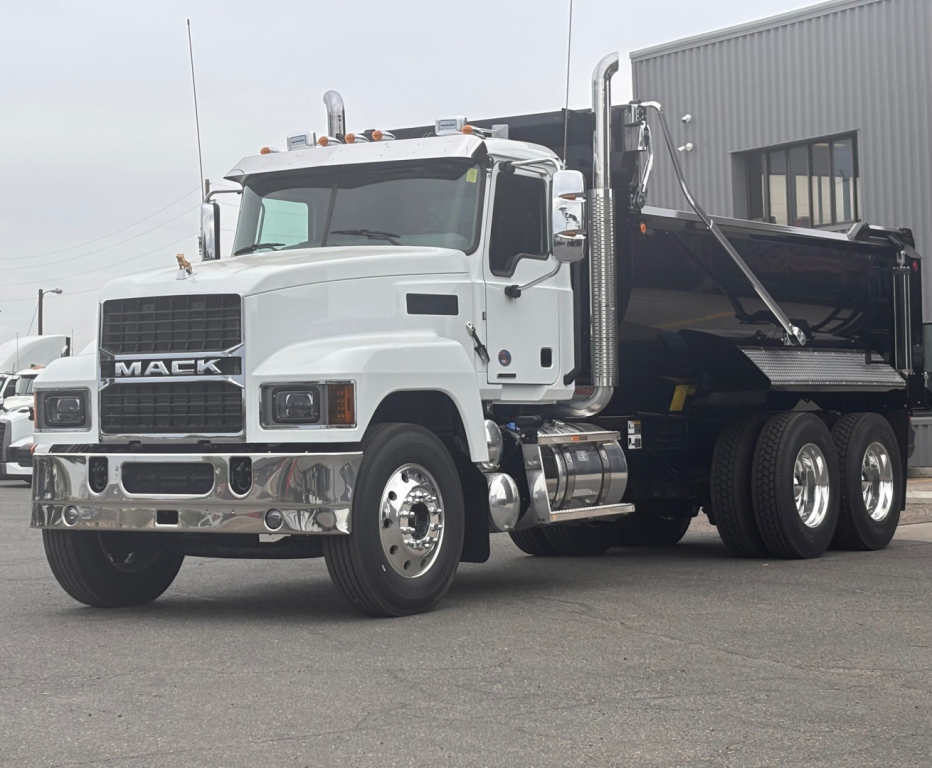
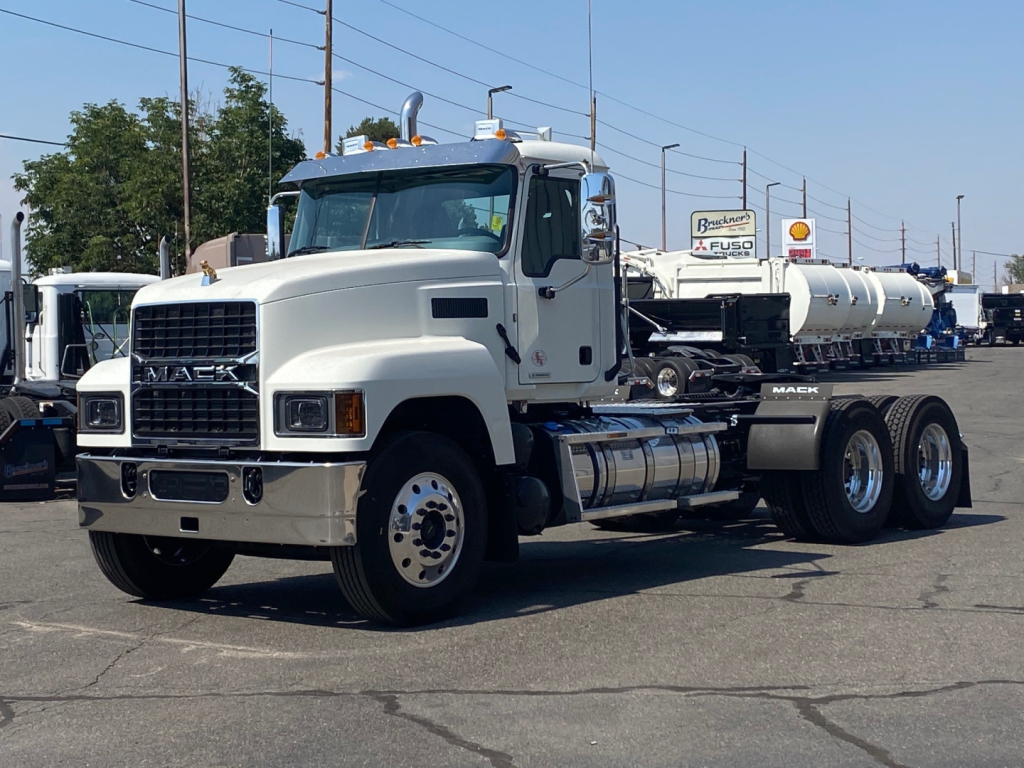
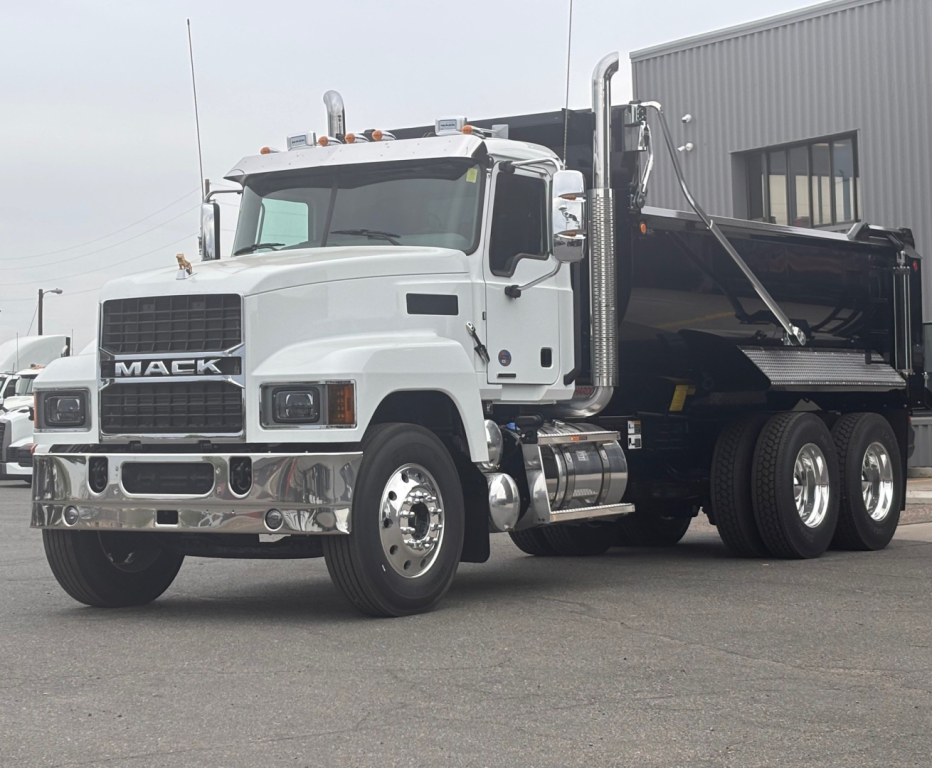
Showing 1 to 28 of 73 results
Selling a mack truck? List your mack truck for sale and reach thousands of commercial buyers.
Mack Trucks in Colorado
Powertrain choice is one of the biggest separators in this category. On highway-spec Mack trucks, buyers often look at horsepower in the 400 to 500-plus range, automated manual transmissions such as Mack mDRIVE, and axle ratios matched to local terrain and gross combination weight. In Colorado, elevation and grades make drivability more important than paper specs alone. A truck that spends time on I-70 or in Front Range construction traffic needs the right balance of torque, transmission calibration, and rear axle gearing. On MD-series trucks, Cummins ISB 6.7 engines and Allison automatic transmissions are common, especially in box truck and flatbed applications where ease of operation, lower driver training demands, and predictable maintenance costs are priorities.
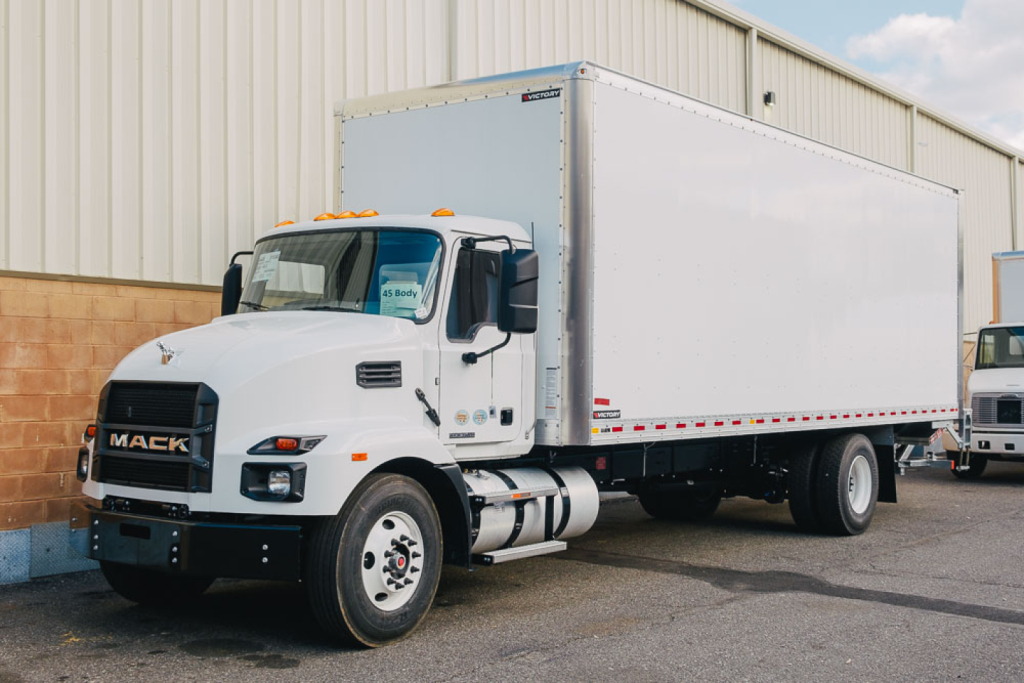
Body and chassis setup matters as much as the badge on the hood. Box trucks in this class are often spec'd with 24-foot to 26-foot van bodies, hardwood floors, E-track, liftgates, bulkheads, and interior lighting for delivery or moving work. Flatbed versions may use aluminum bodies to keep payload up, and buyers should confirm bed length, tie-down layout, headboard design, and any trailer or equipment towing needs. On vocational Mack chassis, front axle capacity, suspension type, bridge law considerations, and body-builder clearance can have a major effect on how useful the truck is once it is put to work. A pinned fifth wheel, headache rack, PTO, or hydraulic wet line can also be important if the truck will pull end dumps, lowboys, or other specialized trailers.
A smart Mack truck comparison comes down to duty cycle, operating terrain, service access, and total cost of ownership. Check GVWR and GCWR, axle spread, wheelbase, cab configuration, and body integration before focusing on appearance or model year. For medium-duty buyers, under-CDL setups can be attractive for route delivery and local fleet growth. For heavy-duty buyers, look closely at suspension specs, frame ratings, and driveline components if the truck will see rough sites or high PTO demand. Mack has long been associated with durable vocational and regional haul equipment, and the best choice is the one spec'd tightly to the job rather than simply the one with the highest horsepower or newest body.
Frequently Asked Questions about Mack Trucks in Colorado
What types of Mack trucks are most common in Colorado?
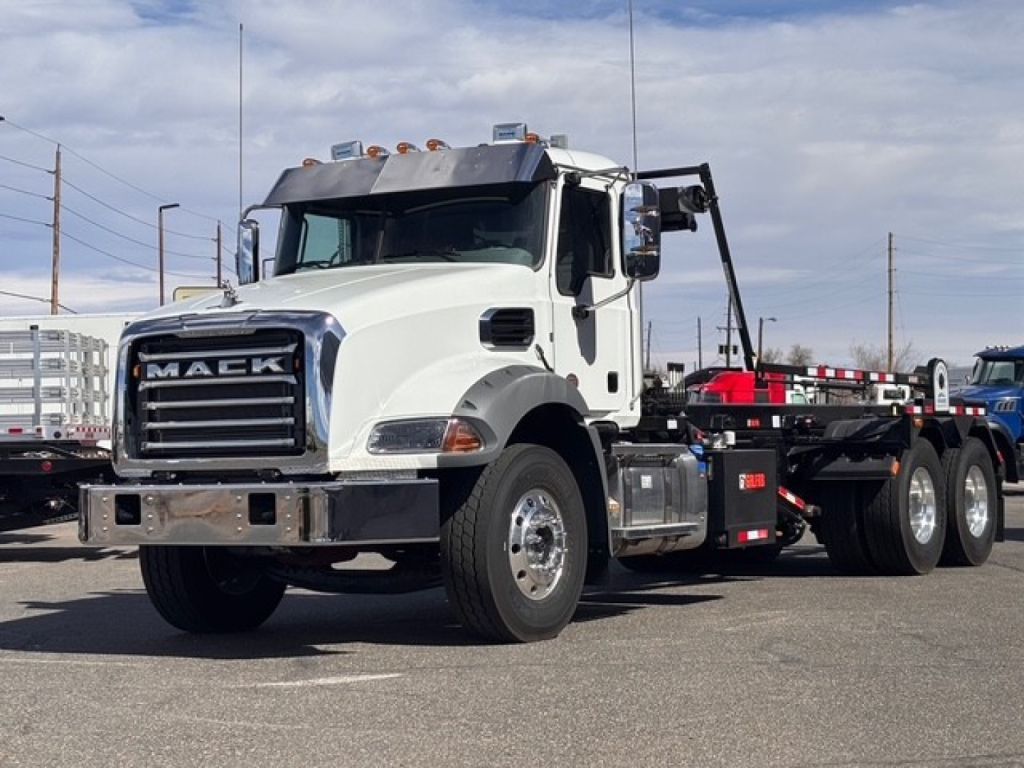
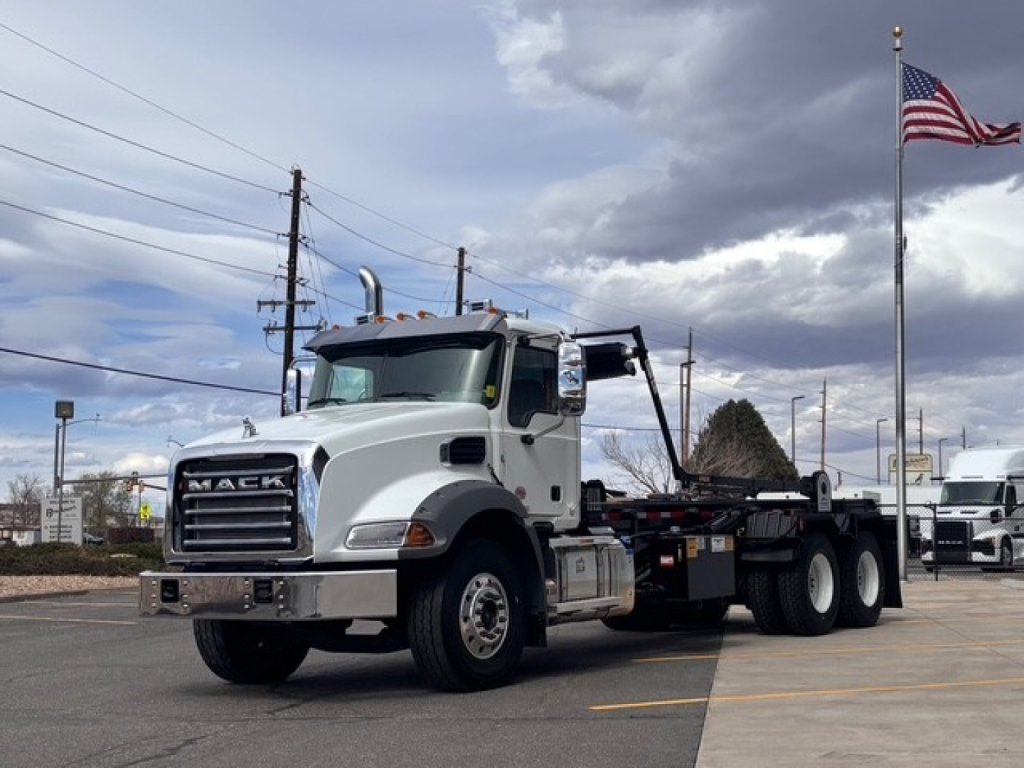
Colorado buyers commonly shop Mack highway day cabs, medium-duty box trucks, flatbeds, and vocational models such as mixer or construction chassis. The mix reflects the state's freight lanes, urban delivery demand, and heavy construction activity. Anthem day cabs are often used for regional hauling, while MD6 and MD7 trucks are popular for box body and flatbed applications. Granite models are a frequent choice when higher frame strength, PTO capability, and severe-duty durability are required.
What is the difference between a Mack MD6 and MD7?
The Mack MD6 and MD7 are both medium-duty trucks, but they serve different weight classes. The MD6 is typically favored for under-CDL or lighter GVWR applications, especially in delivery and moving work with 24-foot to 26-foot van bodies. The MD7 steps up into a heavier medium-duty range and is better suited for more payload, flatbed work, and applications that need more chassis capacity. Buyers should compare GVWR, axle ratings, suspension specs, and body requirements before choosing between them.
Is a Mack day cab a good fit for regional hauling?
A Mack day cab is often a strong fit for regional hauling when the truck returns to base daily and sleeper space is not needed. Buyers should focus on wheelbase, axle ratio, fifth wheel location, fuel capacity, and whether the truck needs a wet kit or PTO support for specialized trailers. In Colorado, horsepower and torque are important, but gearing and transmission calibration can matter just as much because long grades and elevation changes expose weak specs quickly.
What should I check on a Mack box truck before buying?
On a Mack box truck, start with GVWR, body length, liftgate rating, floor construction, and cargo control setup such as E-track. Then confirm engine and transmission pairing, door opening dimensions, body roof and wall construction, and whether the truck is under CDL if that matters to your operation. Maintenance access, parts support, and how well the body is integrated to the chassis also affect uptime. A truck with the right body spec is usually more valuable to the operation than one with extra power but the wrong cargo setup.
Why are Mack trucks popular in vocational service?
Mack trucks have a long reputation in vocational service because they are commonly spec'd for demanding jobs that require strong frames, durable suspensions, PTO capability, and dependable low-speed drivability. Mixer, dump, and construction buyers often prioritize axle capacity, steering axle weight, body-builder compatibility, and resistance to jobsite wear over cosmetic features. That focus lines up well with Mack's traditional strengths in severe-duty and regional work environments.