
Mack Dump Trucks For Sale in Colorado
Shop Mack dump trucks for sale in Colorado. Compare Granite and Pinnacle specs, tandem axle setups, GVWR, bodies, and vocational features.
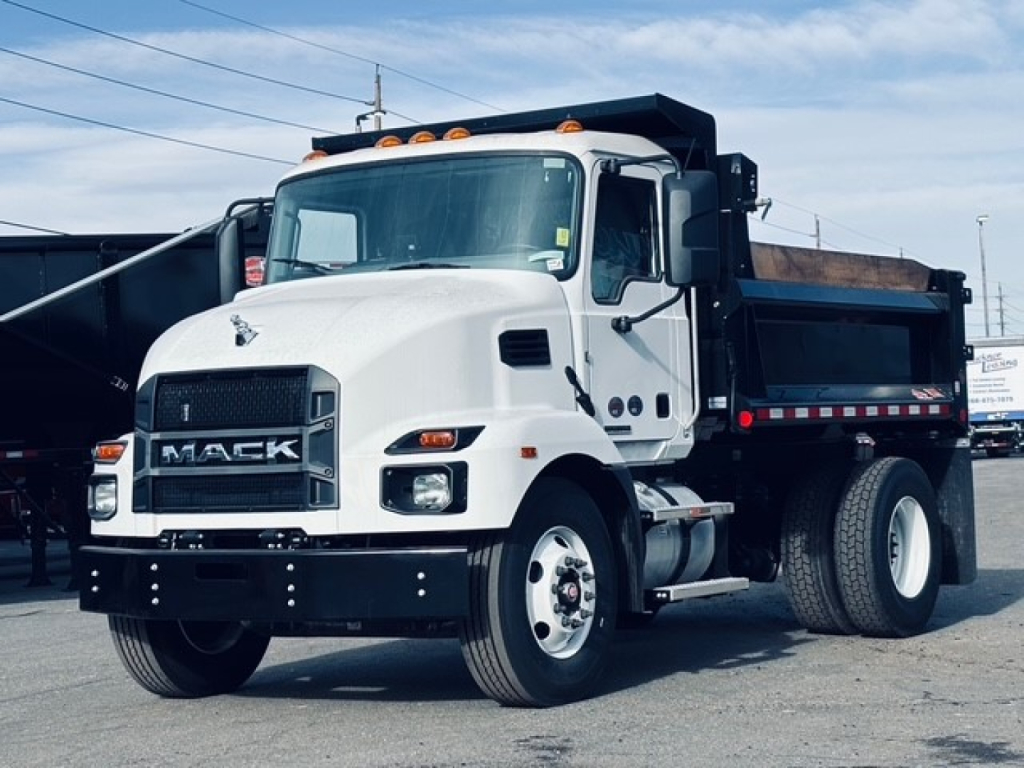
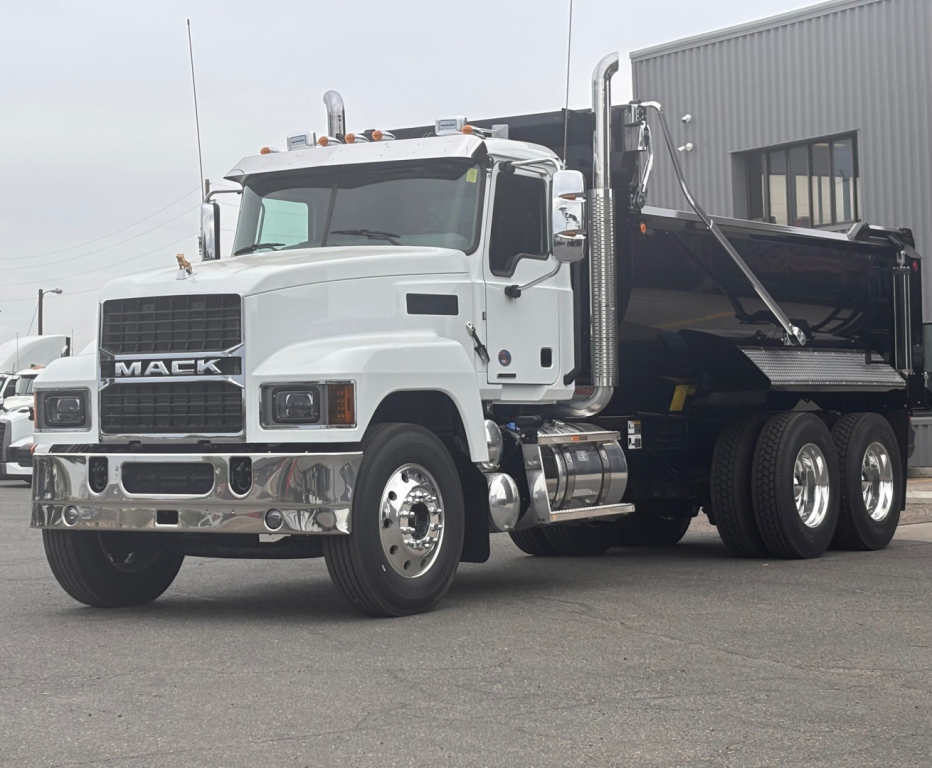
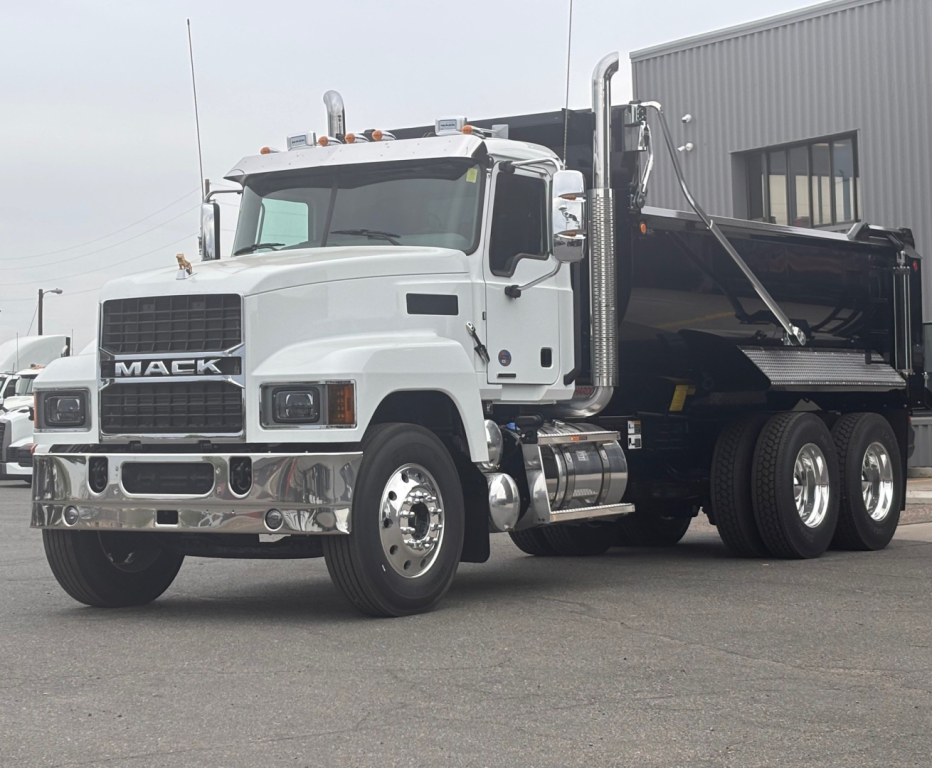
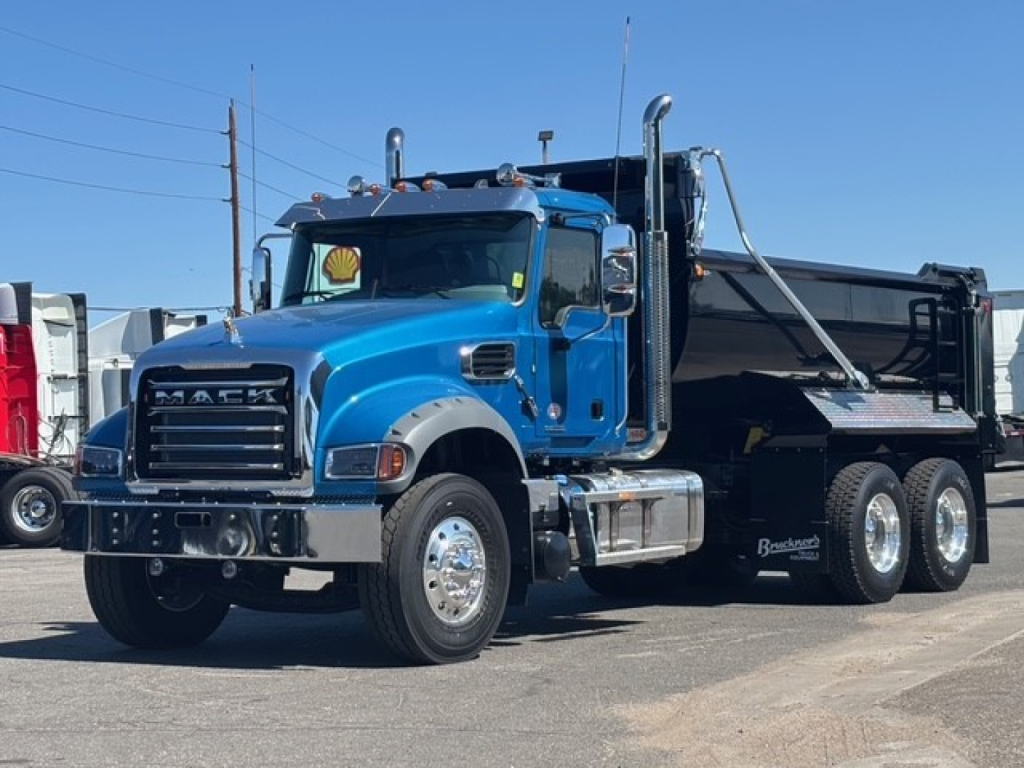
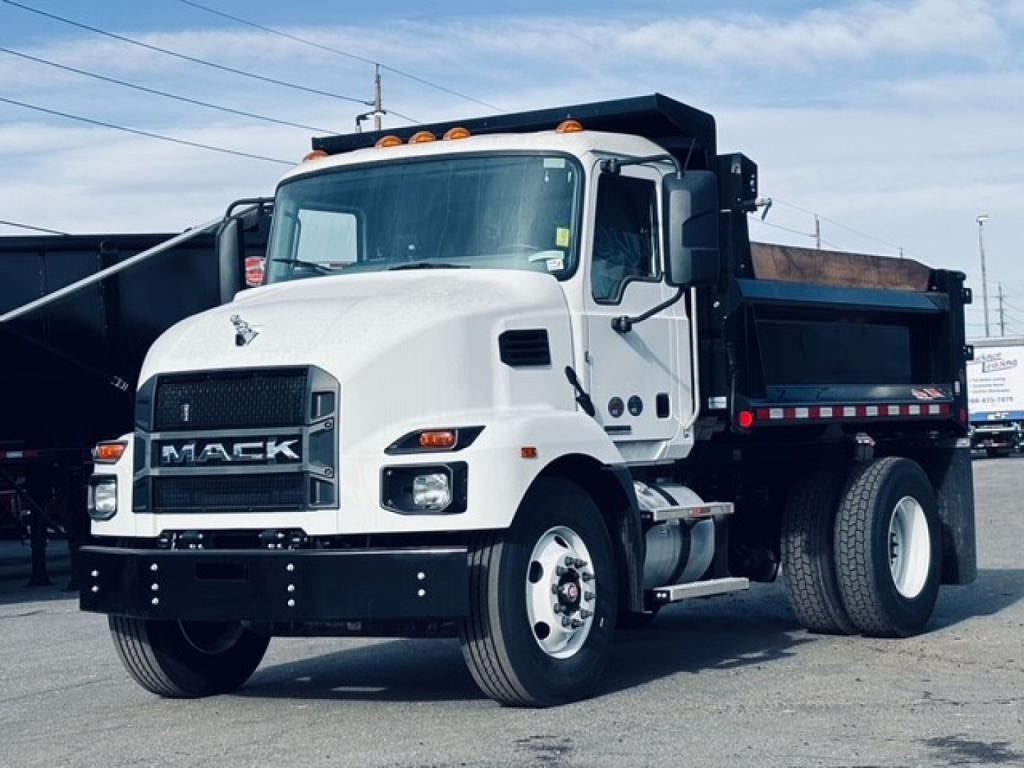
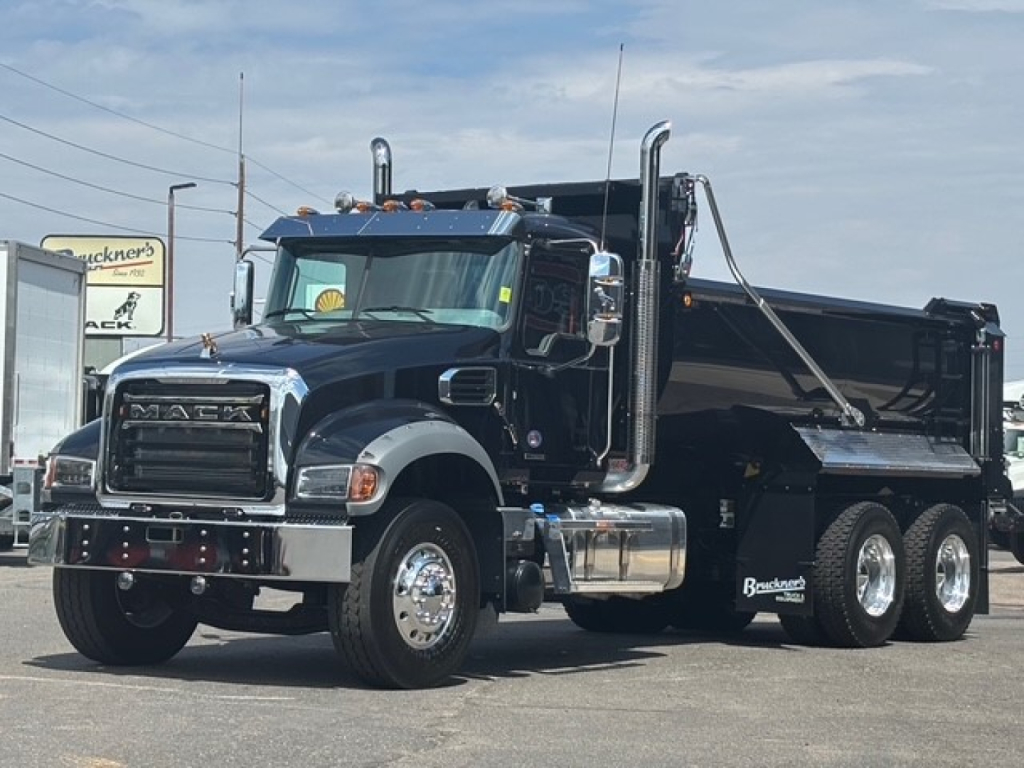

Selling a mack dump truck? List your mack dump truck for sale and reach thousands of commercial buyers.
Mack Dump Trucks in Colorado
The engine and transmission package is a major buying decision on a Mack dump truck. Many late-model units are spec'd with Mack MP8 power in the 400 to 500 horsepower range, often paired with Mack mDRIVE automated transmissions in 12- or 13-speed configurations. That combination gives strong low-end torque, cleaner shifting in stop-and-go work, and less driver fatigue on jobs that mix paved roads with jobsite maneuvering. Rear ratios around 3.40 are common for buyers trying to keep a workable balance between launch, gradeability, and road speed. Mack Camelback multileaf suspension remains a respected choice for dump service because of its simplicity, strength, and familiarity in heavy vocational fleets.
Body spec matters just as much as chassis spec. Colorado dump buyers often compare box length, floor and side material, hoist capacity, tailgate style, and tarp system before anything else. A 16-foot dump body is a common fit on tandem Mack chassis, especially in rock, asphalt, and construction material service. Elliptical rock boxes built with abrasion-resistant steel such as Hardox are popular where impact resistance and long floor life are priorities. High-lift gates, pintle hitches with air and electrical hookups, and electric tarp systems add flexibility for crews that pull equipment trailers or need faster turnaround at the jobsite. If the truck will spend real time in quarries or demolition work, pay close attention to body steel thickness, crossmember design, and hoist make rather than relying on make and model alone.
A buyer comparing Mack dump trucks should also look closely at wheelbase, turning radius, cab configuration, PTO setup, and local compliance needs. A slightly shorter wheelbase can help on tight urban sites, while a longer chassis may carry a larger body or improve bridge and weight distribution depending on the application. In Colorado, altitude and mountain grades make cooling capacity, engine brake performance, and transmission programming worth reviewing in detail. Mack dump trucks are also known as dump trucks, dump bodies, or vocational dump trucks, but the best unit is always the one spec'd for the material, route, and legal payload target. Focus on suspension, axle spread, body construction, and drivetrain match, and the truck will tell you quickly if it is built for dirt work, municipal service, or true severe-duty rock hauling.
Frequently Asked Questions about Mack Dump Trucks in Colorado
What Mack models are most common in dump truck applications?
The Mack Granite is one of the most common dump truck platforms because it is designed for vocational and severe-duty work. Pinnacle-based dump trucks also appear in the market, usually where the operation includes more highway miles or a preference for an on-road cab platform adapted for dump service. The right choice depends less on the badge and more on how the truck is spec'd, including axle capacity, suspension, wheelbase, PTO, and body construction.
What horsepower is typical for a Mack dump truck?
Many Mack dump trucks are equipped with the MP8 engine in the 400 to 500 horsepower range, with 445 horsepower being a very common vocational spec. That range gives enough torque for loaded starts, grades, and mixed on-road and off-road use without overbuilding the truck for lighter material hauling. Buyers should match horsepower and torque to payload, terrain, transmission, and rear ratio instead of shopping horsepower alone.
Why does suspension choice matter on a Mack dump truck?
Suspension affects durability, ride quality, traction, and long-term maintenance cost. Mack Camelback multileaf suspension is widely used in dump service because it is rugged, straightforward, and proven in heavy vocational applications. For fleets running rough jobsites, uneven haul roads, or high-impact loading conditions, suspension design can be just as important as engine spec because it directly affects uptime and body stability.
What should I look for in the dump body on a Mack truck?
Start with the material being hauled. Rock, demolition, and abrasive aggregate call for heavier body construction and abrasion-resistant steel, while lighter construction debris or municipal work may not require the same level of body reinforcement. Buyers should review body length, side height, floor thickness, side thickness, hoist rating, tailgate type, liner options, tarp system, and hitch equipment. A strong chassis with the wrong body can still become an expensive mismatch.
Are Mack dump trucks a good fit for Colorado hauling conditions?
Yes, if the truck is properly spec'd for mountain grades, altitude, weather, and legal weight requirements. Colorado buyers should pay particular attention to engine brake performance, cooling system capacity, axle ratings, gearing, and traction-related components because those details matter on steep grades and seasonal road conditions. A vocational Mack with the right drivetrain and body setup is well suited for construction, aggregate, paving, and municipal applications across the state.