
Mack Mixer Trucks For Sale in Colorado
Shop Mack mixer trucks for sale in Colorado. Compare axle setups, bridge compliance, drum capacity, engine specs, and vocational options.
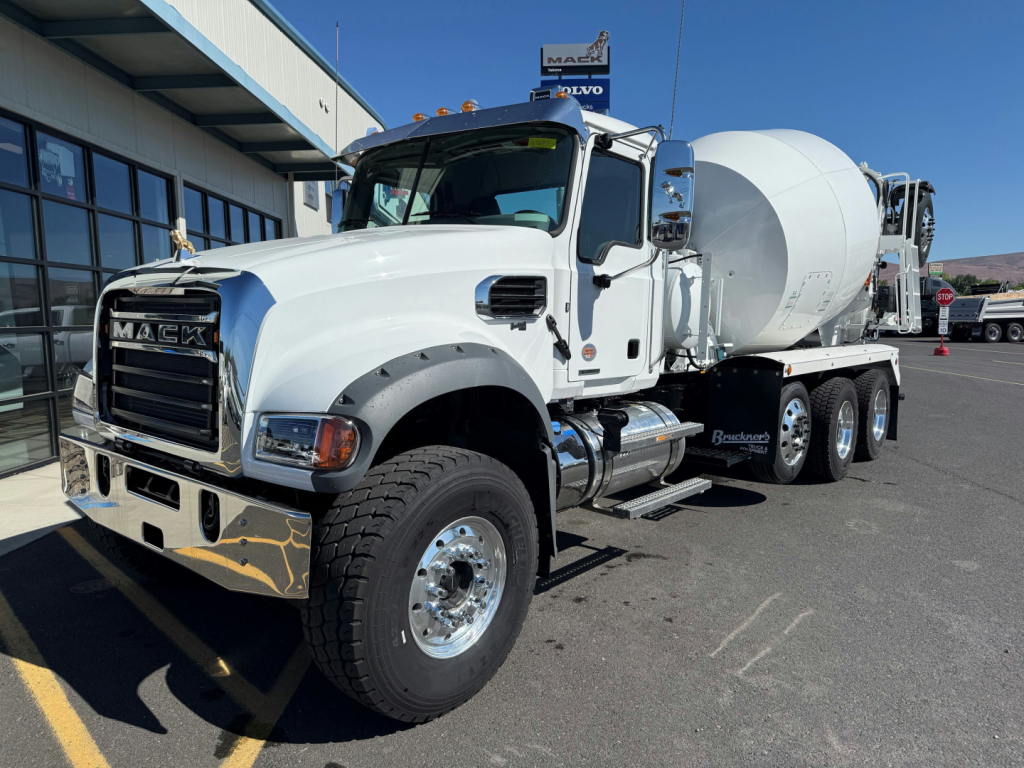
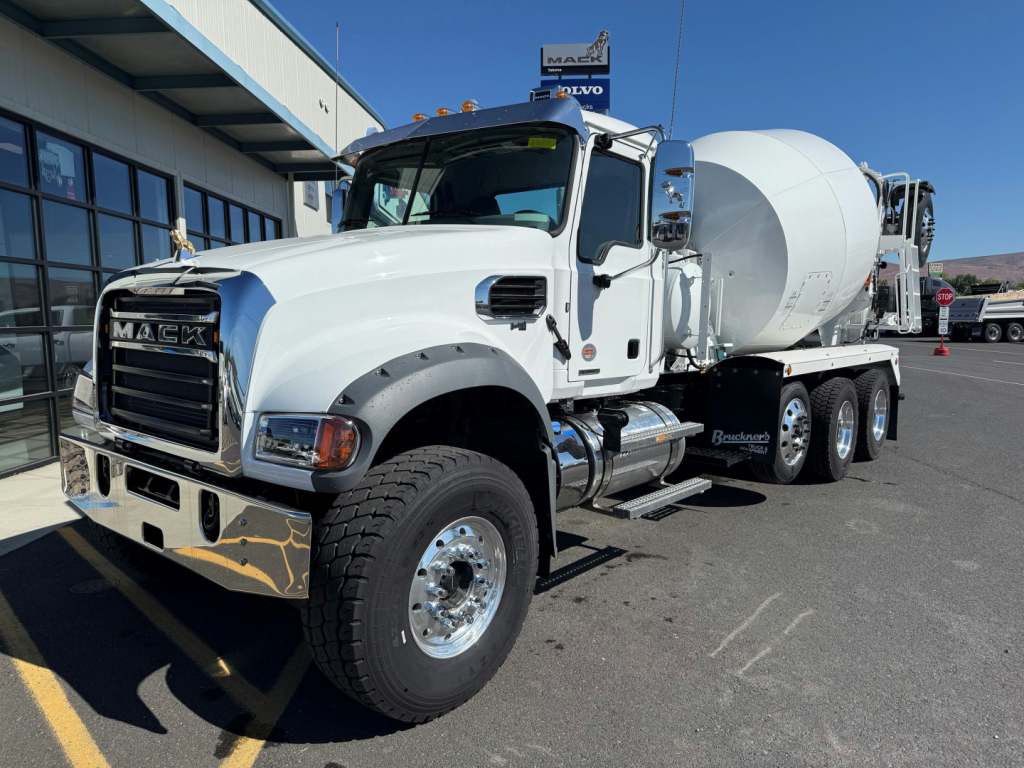
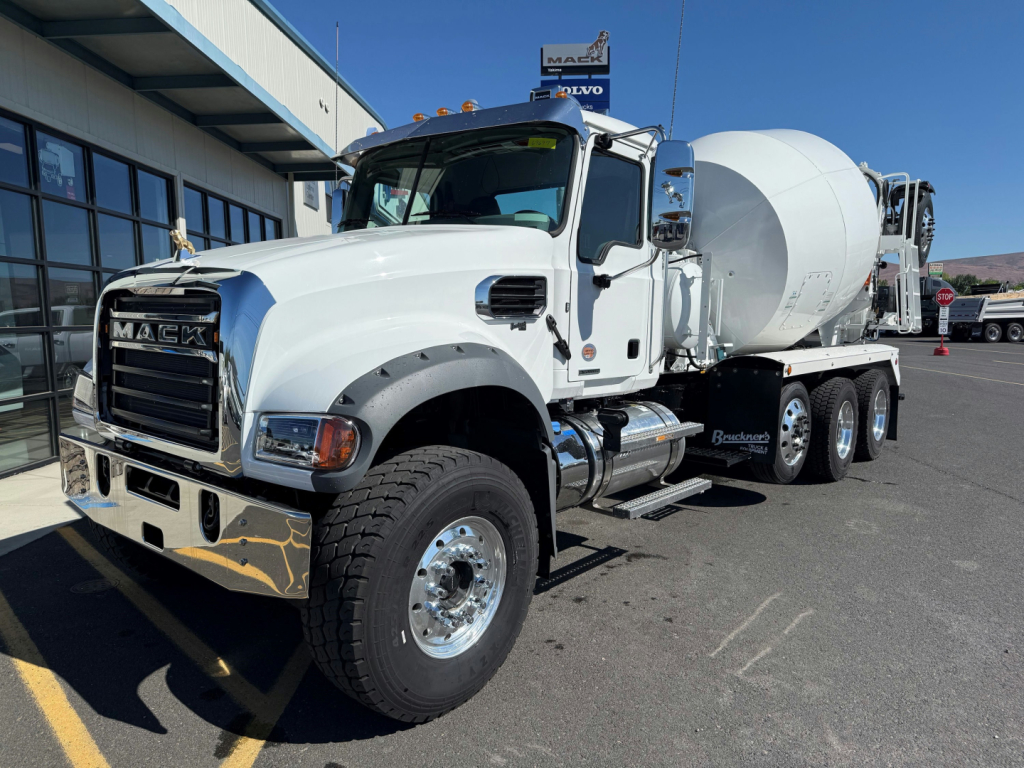
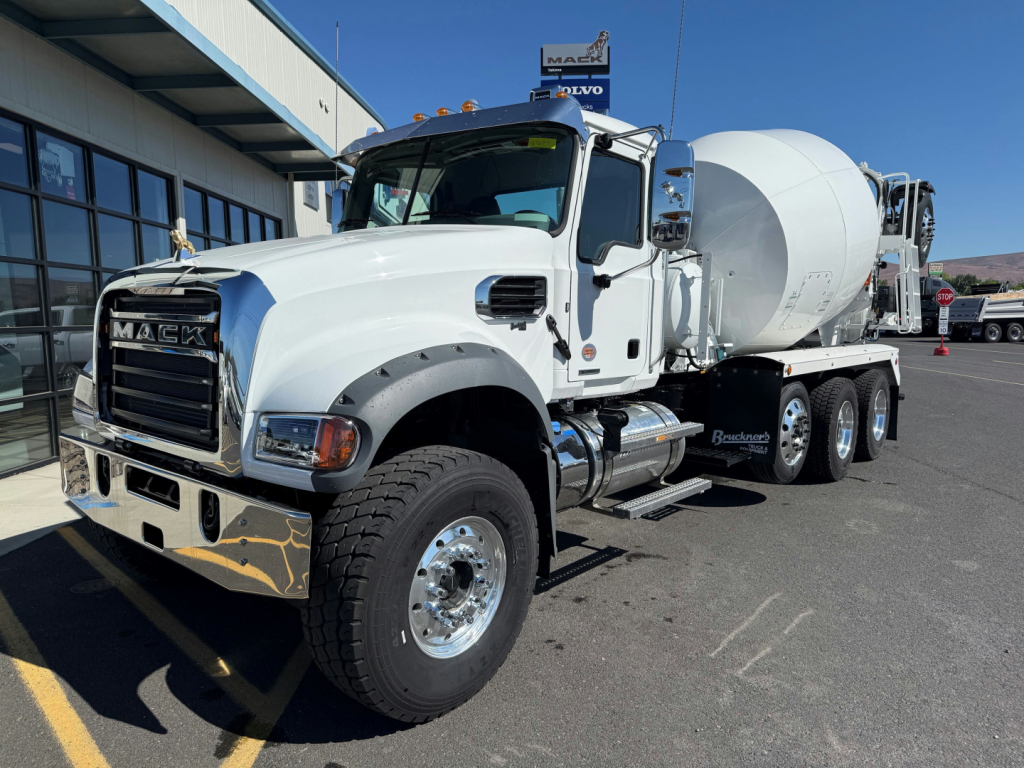
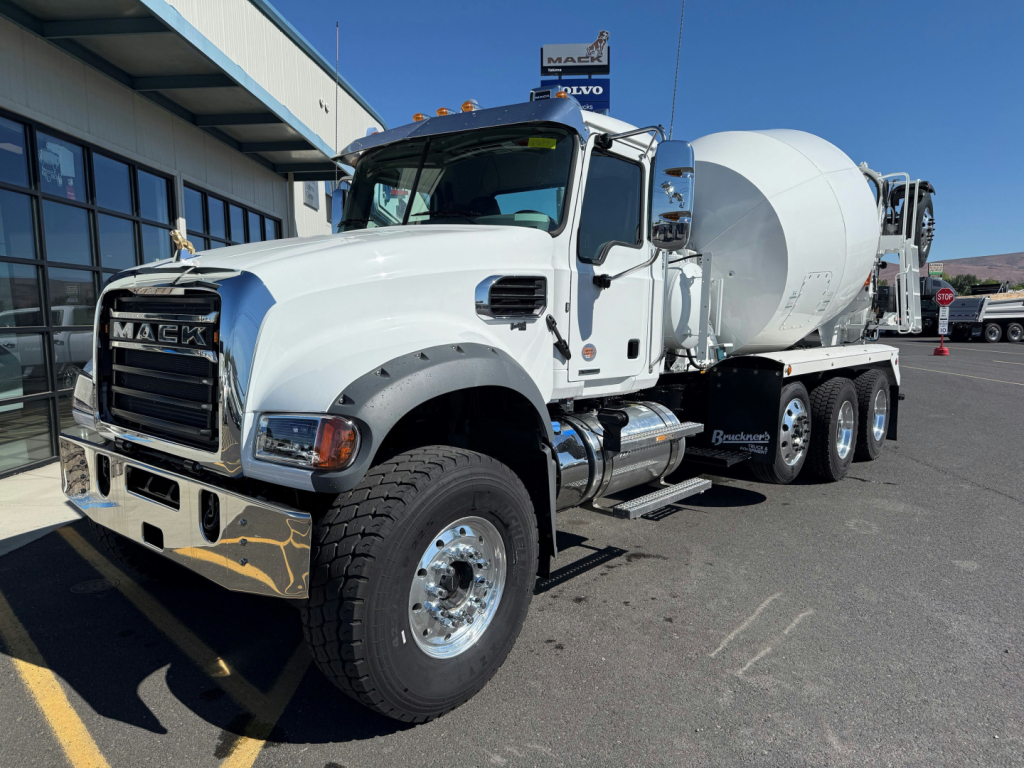
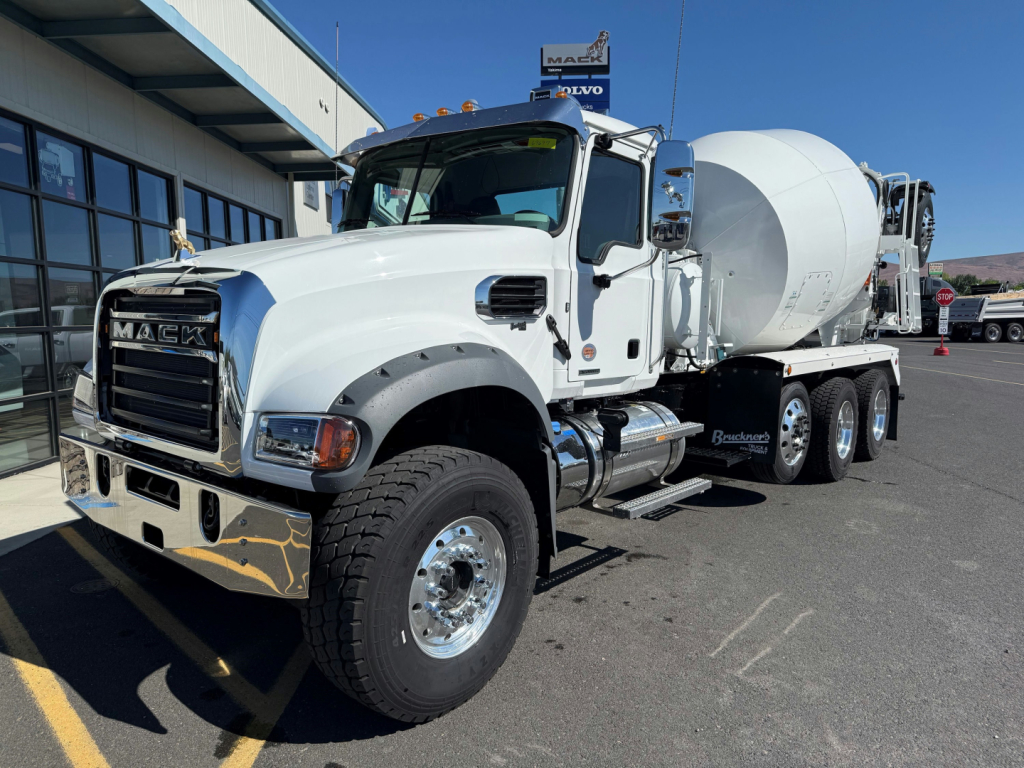
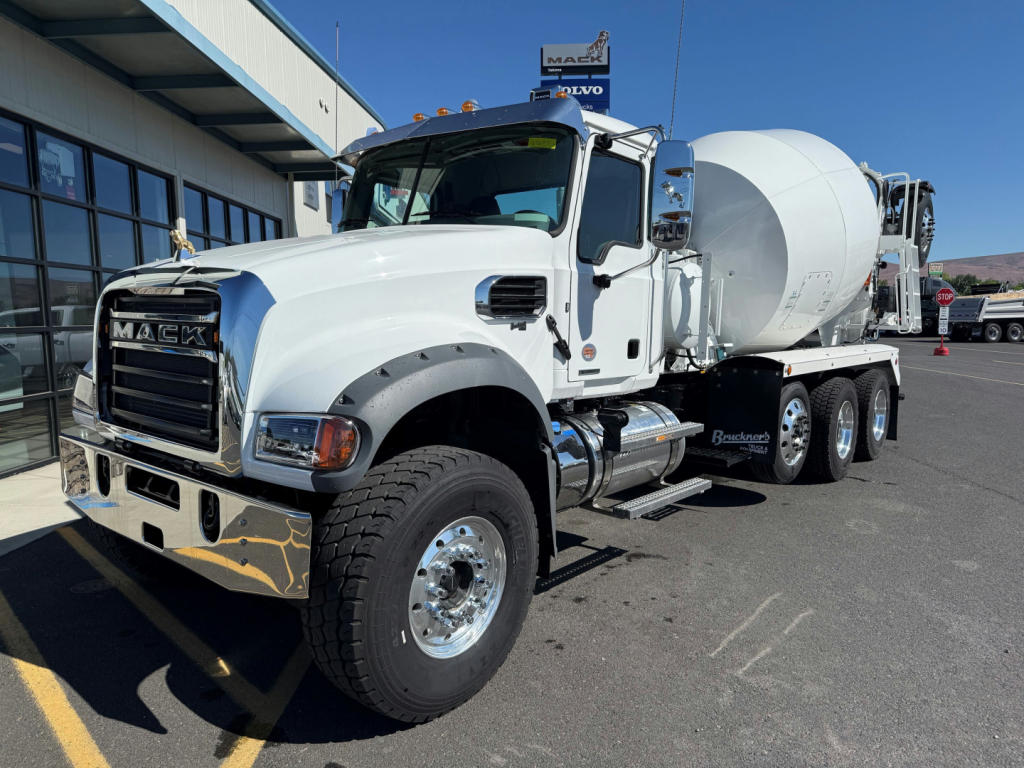
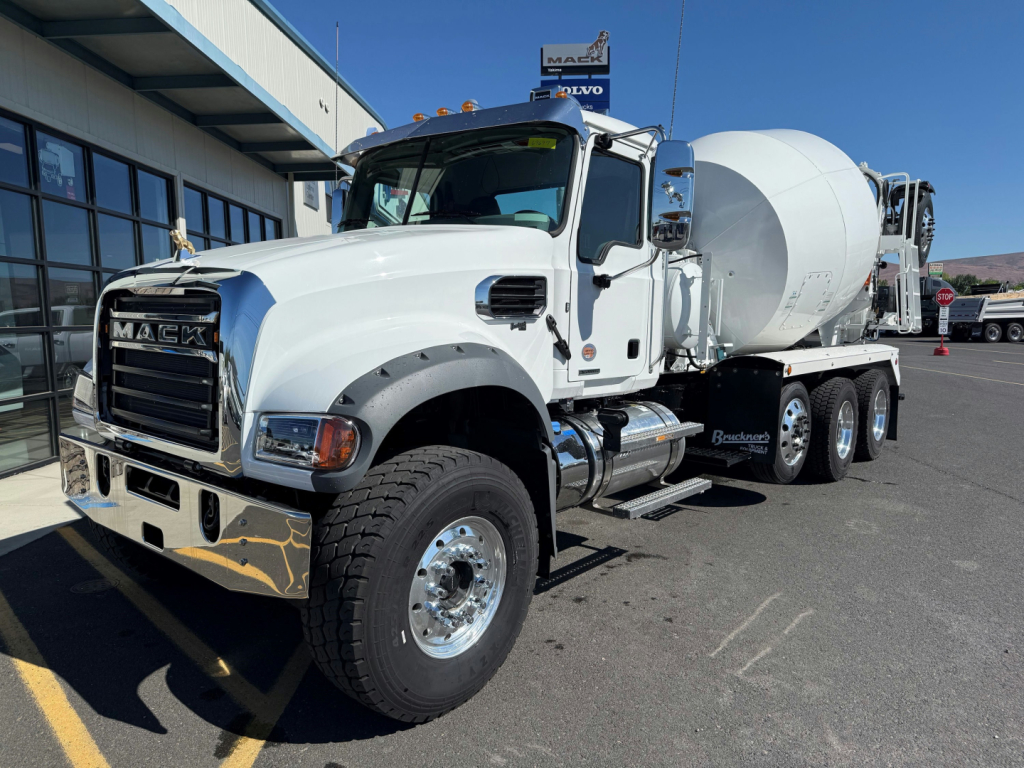
Selling a mack mixer truck? List your mack mixer truck for sale and reach thousands of commercial buyers.
Mack Mixer Trucks in Colorado
A buyer comparing Mack mixer trucks should start with axle configuration and weight distribution. Common setups include tandem and tri-axle configurations, with set-forward or set-back front axles depending on local bridge formulas, body installation, and turning requirements. Front axle ratings, pusher or tag axle design, wheelbase, and frame spec all affect how much concrete the truck can legally carry and how well it will track on city streets, subdivisions, and uneven pours. Drum capacity is typically discussed in cubic yards, but the smarter comparison is usable payload under local weight laws. The mixer package itself also matters, including drum material, water tank size, chute storage, hydraulic system layout, and access for washout and routine maintenance.
Powertrain decisions are equally important on a Mack mixer. Buyers often look for engines with strong low-rpm torque, paired with transmissions calibrated for stop-and-go operation and steep grades. Mack integrated powertrains are popular in vocational service because the engine, transmission, and axles are matched for launch, durability, and driver control. In Colorado, cooling capacity, startability in cold weather, and grade-climbing performance can all matter, especially for fleets running from metro plants to higher elevation jobsites. Suspension choice also deserves attention. A severe-duty rear suspension can improve stability under load, while the right tire spec and differential setup can help on muddy access roads and unfinished sites.
Cab configuration and serviceability have a direct effect on uptime. Look at visibility around the hopper and fenders, ladder and platform layout, driver entry height, and how easily the truck can be washed and inspected at the end of a shift. Mixer trucks spend their lives in corrosive, abrasive conditions, so details like frame coatings, wiring protection, fender design, and access to grease points can make a real difference over time. For many buyers, the best Mack mixer truck is not simply the one with the biggest drum. It is the one with the axle ratings, bridge compliance, wheelbase, and mixer body spec that fit the exact delivery radius, batch plant setup, and jobsite conditions the truck will face every day.
Frequently Asked Questions about Mack Mixer Trucks in Colorado
What should I look for first when comparing Mack mixer trucks?
Start with axle configuration, front axle rating, and wheelbase because those specs determine legal payload and how the truck carries a loaded drum. A mixer truck can have a large advertised drum capacity and still be a poor fit if the chassis cannot legally scale the load in your operating area. On Mack mixers, buyers also pay close attention to frame strength, suspension spec, PTO and hydraulic integration, and the overall mixer body installation because those details affect durability and uptime in severe-service concrete work.
Are Mack mixer trucks a good fit for Colorado concrete hauling?
Mack mixer trucks are well suited for Colorado operations because vocational Mack chassis are commonly spec'd for heavy payloads, stop-and-go routing, and rough jobsite access. Colorado buyers often need to consider elevation, mountain grades, freeze-thaw conditions, and local bridge laws, so engine torque, cooling performance, traction setup, and axle placement become especially important. A properly spec'd Mack mixer can handle urban deliveries, suburban pours, and more demanding terrain if the chassis and mixer package match the route profile.
How many cubic yards does a Mack mixer truck usually carry?
The mixer body is often rated by cubic-yard capacity, but the more useful number is legal payload in your state and local operating area. Depending on axle setup, drum specification, and weight distribution, a Mack mixer may be configured for different usable loads even when two trucks appear similar on paper. Buyers should compare gross vehicle weight rating, axle ratings, bridge compliance, and tare weight before using drum size alone to judge productivity.
What transmission and powertrain features matter most on a Mack mixer truck?
Mixer trucks benefit from strong low-end torque, smooth launch characteristics, and gearing that works well in repeated stop-and-go driving. Mack integrated powertrains are commonly chosen because the engine, transmission, and axles are designed to work together in vocational service, which can improve driveability and component life. The right spec depends on route density, average haul distance, grade severity, and how often the truck enters soft or uneven jobsites.
What maintenance areas deserve extra attention on a used mixer truck?
Inspect the frame for corrosion or cracking, check suspension components for wear, and review the mixer body for drum condition, hydraulic leaks, chute damage, and water system issues. Mixer trucks should also be evaluated for PTO operation, driveline condition, steering component wear, and signs of concrete buildup that may hide damage or add unwanted weight. On a Mack chassis, service records and evidence of routine washing, greasing, and mixer system maintenance are strong indicators of how the truck was treated.