
Mack Trucks For Sale in Montana
Browse Mack trucks for sale in Montana, including highway, vocational, medium-duty, dump, day cab, sleeper, rollback, and cab chassis models.

Selling a mack truck? List your mack truck for sale and reach thousands of commercial buyers.
Mack Trucks in Montana
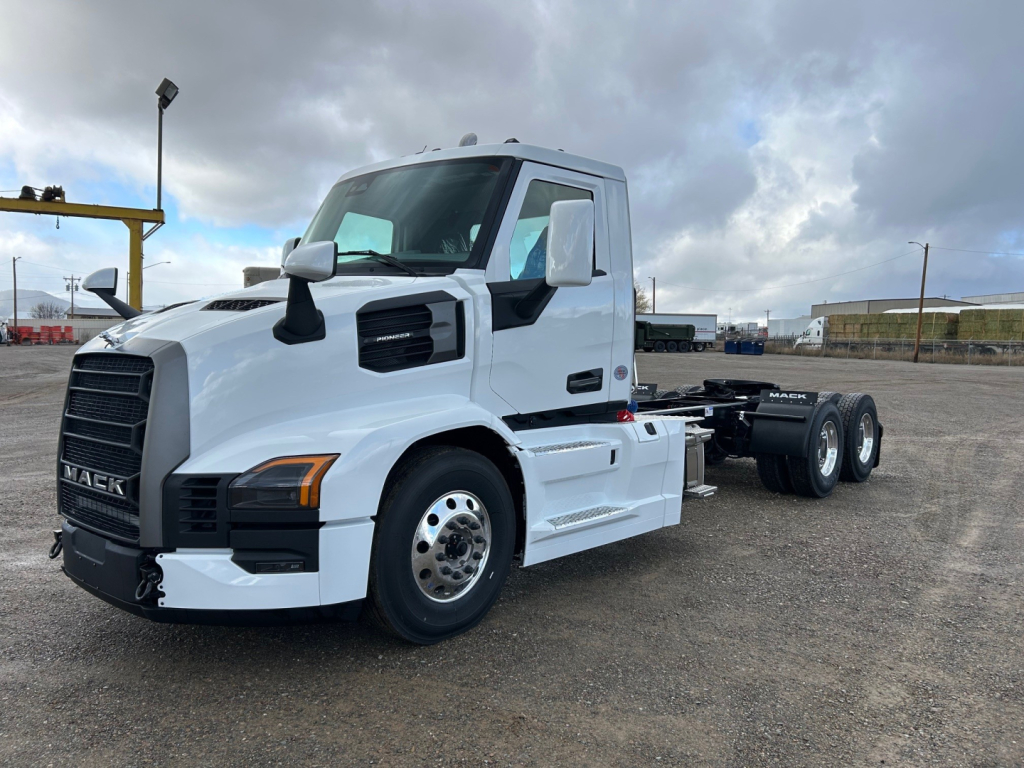
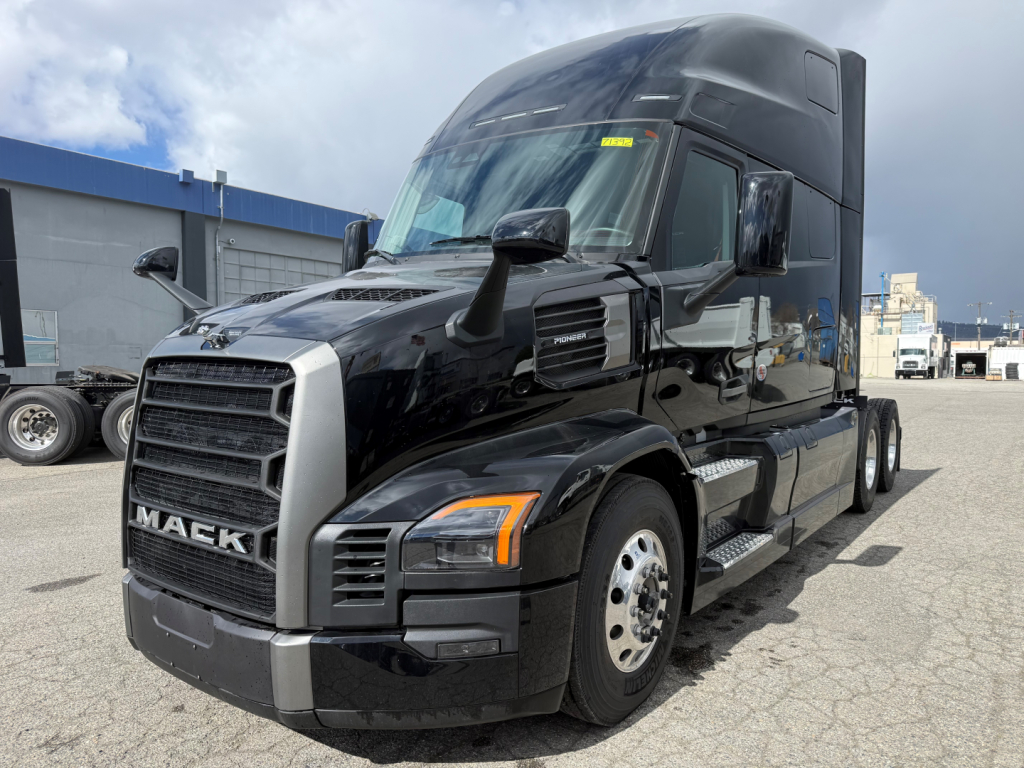
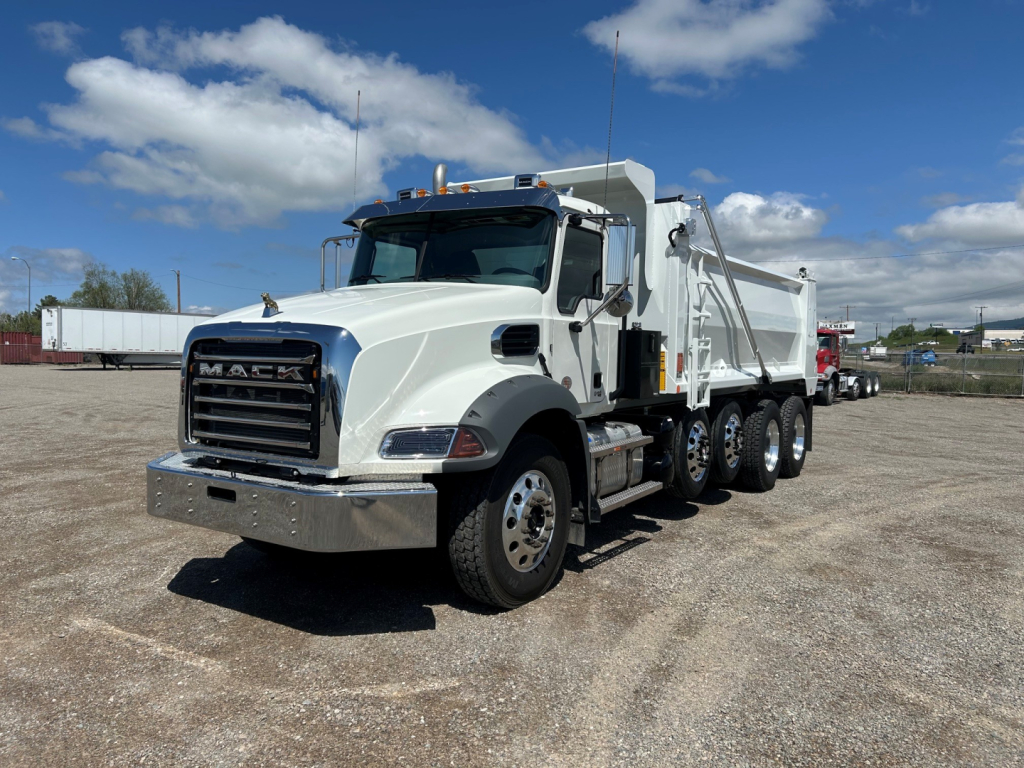
The right Mack spec depends heavily on the job. A Montana highway tractor pulling van, reefer, tanker, or hopper freight will usually be judged on horsepower, rear ratio, wheelbase, fuel capacity, and suspension. A tandem axle day cab or sleeper with 400 to 515 horsepower, a 40,000-pound rear, and direct-drive or overdrive mDRIVE transmission is a common starting point for regional and over-the-road use. Buyers working in construction, aggregate, oilfield support, municipal hauling, or winter road service often need more than engine power alone. They should pay close attention to front axle capacity, vocational suspension options like Camelback or air ride, body and hoist compatibility, and gross vehicle weight rating. Dump truck specs in this class often pair a Mack MP8 with a heavier front axle, 44,000-pound rear capacity, and a rugged suspension package suited for loaded off-pavement work.
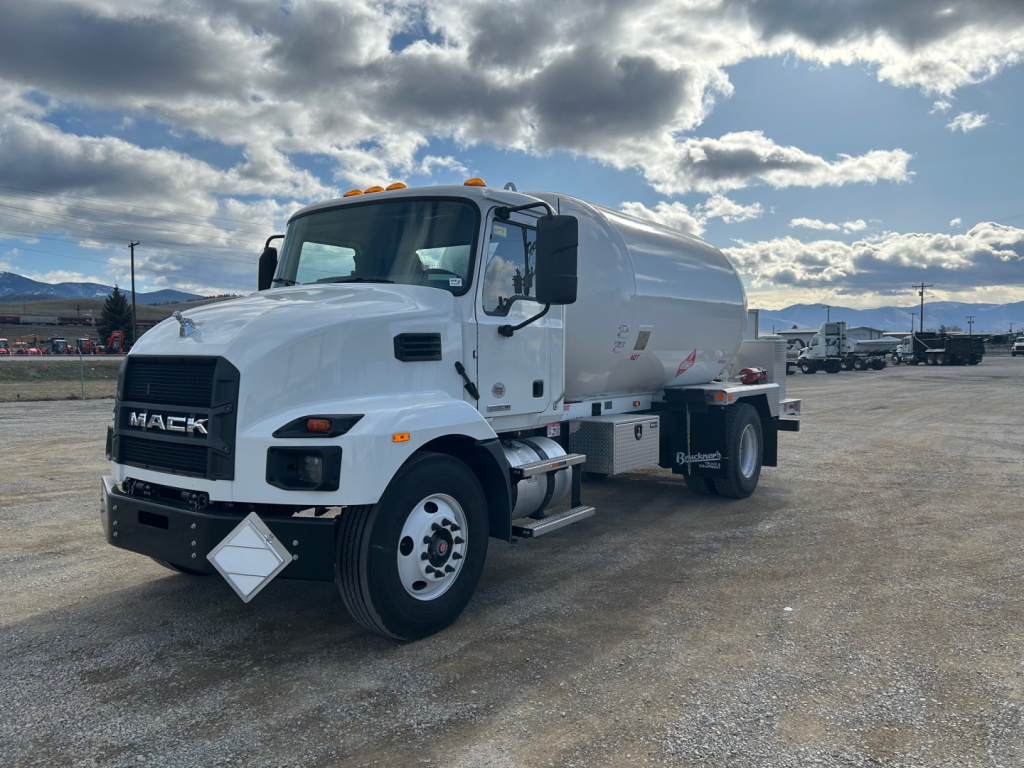
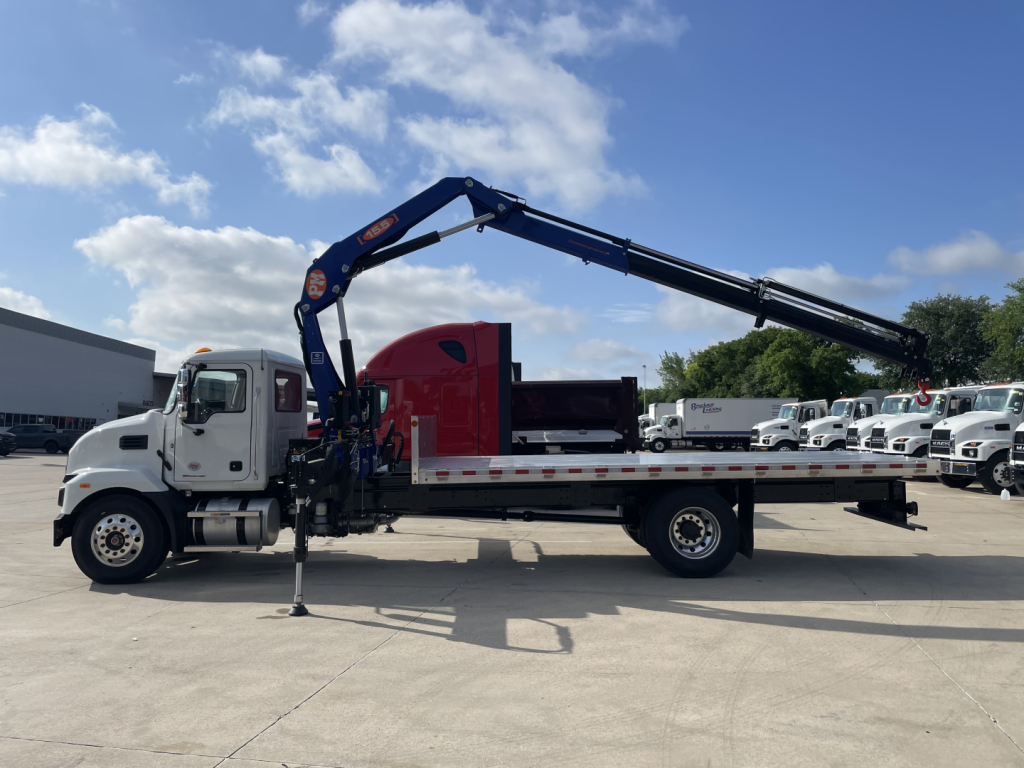
Medium-duty Mack trucks deserve a separate look because they fill an important gap for local delivery, towing, service, and upfit work. The MD6 and related cab-and-chassis models are frequently selected for rollback carriers, van bodies, flatbeds, tanks, and contractor bodies. Buyers in Montana often value a non-CDL-friendly configuration when available, but should still verify actual GVWR, registered weight, and body payload before making that decision. Wheelbase is especially important on these trucks because it affects body length, turning radius, bridge law considerations, and final weight distribution once the truck is upfitted. Allison transmissions, PTO provisions, air rear suspension, and differential locks are all practical features for trucks that spend their day loading, unloading, and maneuvering in tighter spaces.
Cold weather performance and service support also matter in this market. Block heaters, battery capacity, traction-oriented axle ratios, and the right tire and suspension setup can make a big difference in Montana winters and on mixed paved-gravel routes. For used Mack trucks, buyers should inspect maintenance history, emissions system service, suspension wear, frame condition, body mount integrity, and any signs of severe vocational stress around hoists, pintle areas, or fifth wheel mounts. For newer trucks, the main decision usually comes down to matching drivetrain, axle package, and cab layout to the intended route and payload. A properly spec'd Mack can serve as a regional tractor, heavy vocational truck, medium-duty carrier, or upfit platform with the kind of component consistency many fleets want for long-term ownership.
Frequently Asked Questions about Mack Trucks in Montana
What Mack truck models are most common for highway use versus vocational work?
Mack highway buyers usually look at models such as the Anthem, Pinnacle, and Pioneer in day cab or sleeper configurations, often spec'd with MP13 or MP8 engines and mDRIVE automated transmissions. Vocational buyers more often focus on severe-service or job-specific configurations including dump trucks, cab-and-chassis units, and rollback carriers, where axle ratings, frame strength, PTO capability, and suspension design are more important than sleeper amenities or long-wheelbase fuel capacity.
What should I look for in a Mack dump truck spec?
The most important dump truck considerations are front axle capacity, rear axle rating, suspension type, wheelbase, body compatibility, and engine-transmission pairing. Many buyers want a heavier front axle for plow or jobsite durability, a 44,000-pound rear tandem, and a vocational suspension such as Mack Camelback for stability under load. Body material, hoist setup, tarp system, pintle hitch equipment, and frame reinforcement also matter because they affect payload, durability, and how well the truck fits aggregate, demolition, or municipal work.
Are Mack medium-duty trucks a good choice for rollback and cab-and-chassis applications?
Yes. Mack medium-duty trucks, especially MD6-class configurations, are commonly used for rollback carriers, van bodies, flatbeds, tanks, and other upfits. Buyers often choose them for their straightforward chassis layouts, Cummins power, Allison automatic transmissions, and body-builder-friendly options such as PTO provisions and air rear suspension. The key is to confirm wheelbase, GVWR, rear axle capacity, and cab-to-axle dimensions so the finished truck matches the intended body and payload requirements.
Is mDRIVE a good transmission choice in a Mack truck?
For many fleet and owner-operator applications, yes. Mack mDRIVE is widely used in highway, regional, and some vocational service because it can improve consistency, reduce driver fatigue, and support fuel-efficient operation when paired with the right rear ratio. The best fit depends on route profile and job type. Direct-drive setups are often favored for linehaul efficiency, while overdrive and vocational calibrations may make more sense for mixed service, heavier loads, or lower-speed work.
What matters most when buying a Mack truck in Montana?
In Montana, buyers should think beyond base horsepower and focus on how the truck will handle long distances, cold starts, mountain grades, gravel roads, and seasonal weather. Axle ratio, suspension choice, block heater availability, fuel range, traction equipment, and brake specification all have a practical impact on uptime. For vocational trucks, it is also important to check frame condition, body installation quality, and evidence of heavy off-road use. A truck that is correctly spec'd for terrain and climate will usually outperform a cheaper truck with the wrong drivetrain or axle package.