
2005 Mack Trucks For Sale
Explore 2005 Mack trucks. Compare Granite vocational and Vision highway specs, engines, gearing, emissions, and maintenance trade-offs to buy smart.
Selling a 2005 mack truck? List your 2005 mack truck for sale and reach thousands of commercial buyers.
2005 Mack Trucks
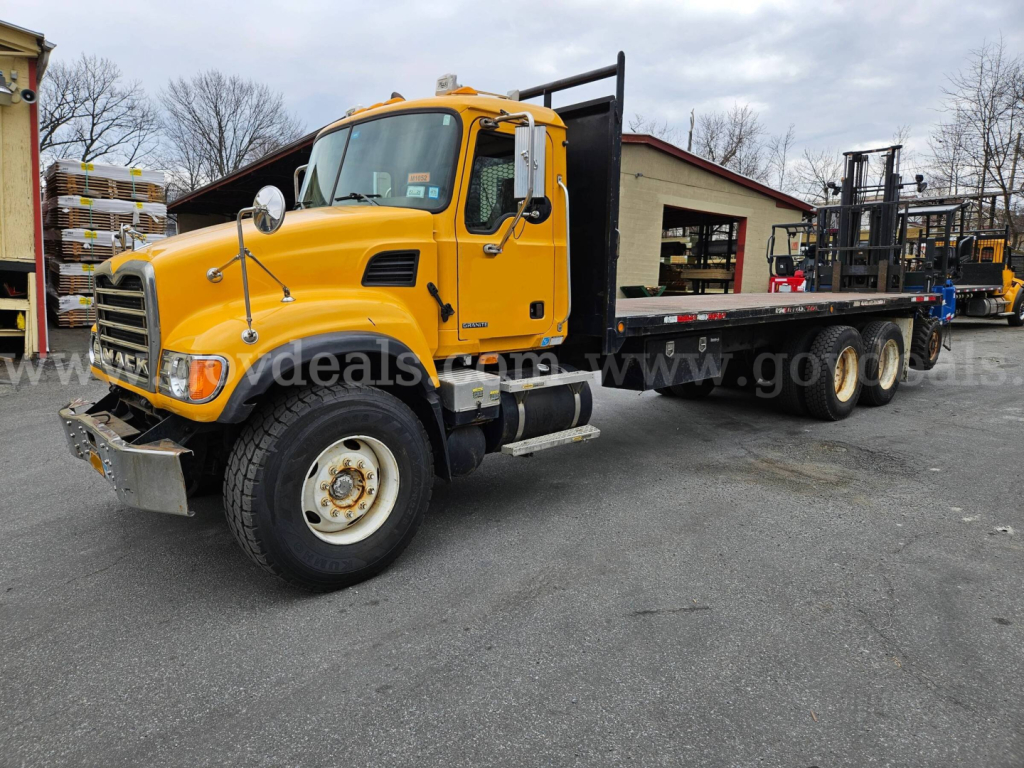
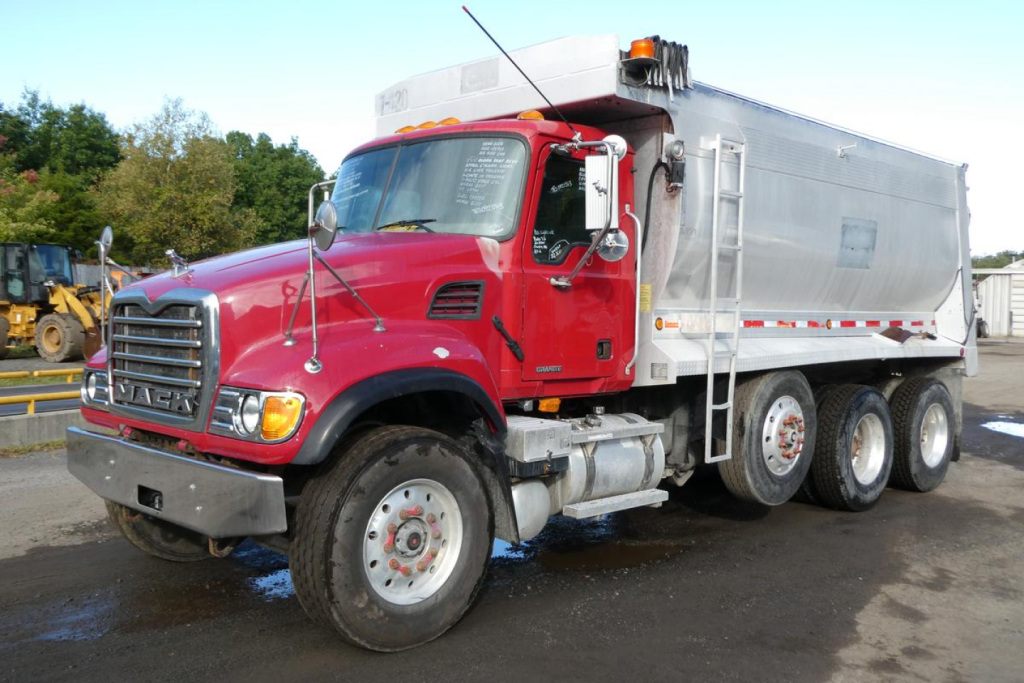
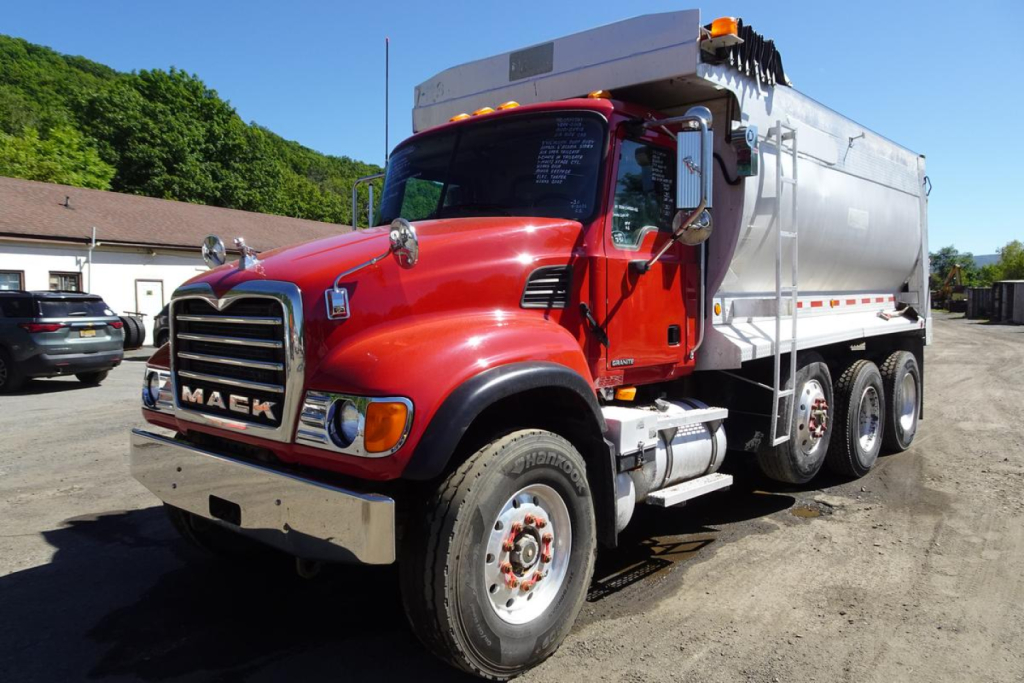
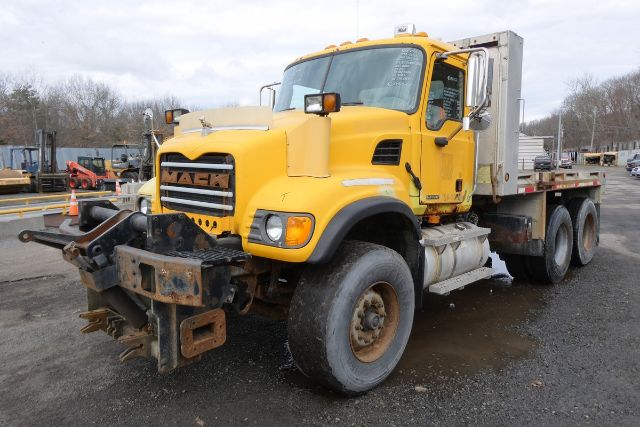
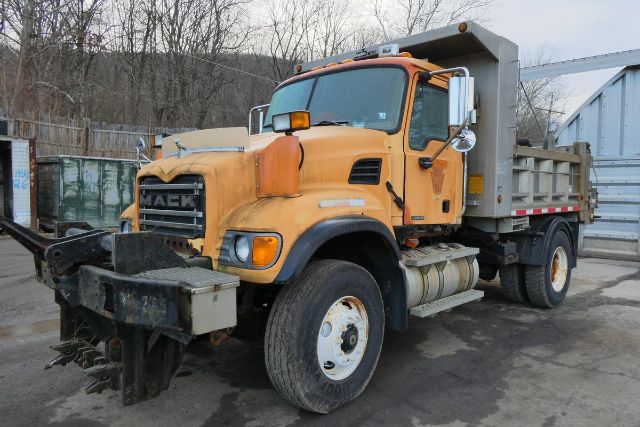
Granite vocational trucks from 2005 are built for abuse. Expect set-forward steer axles, heavy frames with inserts on many units, and Mack Camelback or Hendrickson walking-beam suspensions at 44k to 46k rears. Fronts often run 16k to 20k, with common tire sizes of 11R22.5 or 11R24.5. Full locking differentials and inter-axle locks are frequent specs for off-road traction. Gear ratios trend deep at 4.64 to 5.02 for dump, mixer, roll-off, and low-speed site work. Many are pre-plumbed for PTOs or already fitted with wet kits. Inspect double-frame liners for rust jacking, spring beam bushings, steer axle kingpins, and brake hardware. A well-kept Granite CV713 or similar can carry high legal payloads, especially in regions that allow lift axles for bridge compliance.
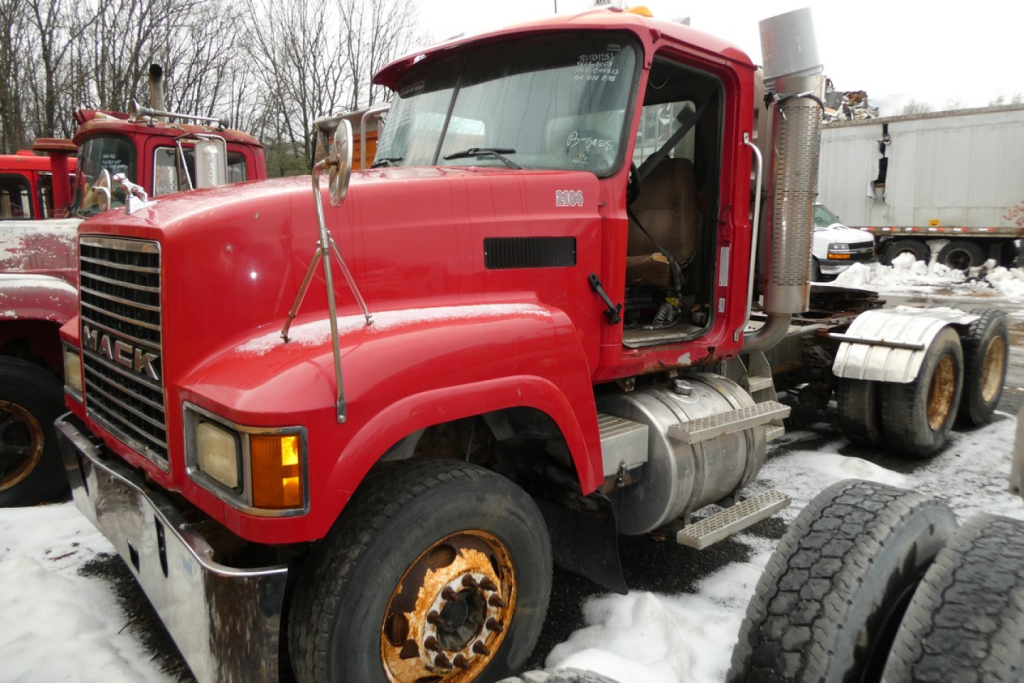
On-highway, the Vision CXN613 and remaining CH variants are the typical 2005 Mack tractors. Most are manual with Eaton Fuller 10 or 13 speeds, or Mack Maxitorque T-series gearboxes. Highway gearing often lands in the 3.55 to 3.90 range, with wheelbases commonly in the 180 to 220 inch band for sleepers and shorter for day cabs. Aerodynamics are less efficient than modern Pinnacle-era cabs, so fuel economy is realistic at about 5 to 6.5 mpg depending on weight, speed, and spec. Sleeper options in 48 to 70 inches show up, with practical interiors and durable steel-reinforced cabs. Sliding fifth wheels, aluminum wheels, and dual 100 to 150 gallon tanks are common finds.
Serviceability is straightforward with broad parts availability for E7 ASET engines, Mack axles, and Eaton drivetrains. Prioritize oil sample history, blow-by checks, turbo and charge-air system integrity, differential locker function, and evidence of ECU fault codes that could indicate EGR or sensor issues. For buyers targeting port drayage or California operations, verify engine family numbers against local rules. For vocational work, confirm PTO output, reservoir size, and control valving on any wet kit. Spec for your lanes and terrain, match ratios to cruise speed and tire size, and choose suspension type for the balance of ride quality versus durability that fits your job.
Frequently Asked Questions about 2005 Mack Trucks
What engines and power ratings are common in 2005 Mack trucks?
Most 2005 Mack trucks use the ASET version of the E7 engine with cooled EGR and no DPF or SCR. Ratings commonly range from 300 to 460 hp, with torque up to about 1,650 lb-ft. Expect Jacobs-style engine brakes on many highway units and heavy vocational builds.
Are 2005 Mack trucks compliant in California and other emissions-restricted areas?
Often not without modifications. Many 2005 engines do not meet current CARB Truck and Bus requirements for general operation, port drayage, or certain nonattainment zones. Verify the engine family and local rules. Options include operating out of restricted regions, installing an approved retrofit where allowed, or repowering with a newer engine.
What transmissions and axle ratios should I look for in 2005 Mack tractors and vocational trucks?
Highway tractors typically run Eaton Fuller 10 or 13 speeds or Mack Maxitorque T-series with axle ratios around 3.55 to 3.90 for reasonable cruise RPM. Vocational trucks often use 13 speeds, 8LL style boxes, or heavy Maxitorque manuals with deeper ratios like 4.64 to 5.02 for off-road pull and startability. Choose ratios based on cruise speed, tire size, and terrain.
What should I inspect on a used 2005 Mack before purchase?
Check for EGR cooler seepage, intake and charge-air leaks, turbo shaft play, blow-by, and active or historic ECU fault codes. On vocational frames, look for rust jacking between frame and inserts, suspension beam and torque rod bushings, and proper operation of power dividers and diff locks. Verify PTO function and wet kit condition on dump, roll-off, or lowboy tractors.
What fuel economy and ride characteristics should I expect from a 2005 Mack?
Highway units typically return 5 to 6.5 mpg depending on spec, weight, and speed. Camelback and walking-beam suspensions are extremely durable but ride firm, which suits off-road duty. Air ride improves comfort and tire life on highway tractors. Compared with newer models, expect less advanced aerodynamics and electronics but simpler emissions systems and proven drivelines.