
Mack Trucks For Sale in Oklahoma
Browse Mack trucks for sale in Oklahoma, including daycabs, sleepers, cab and chassis, and vocational specs built for highway and jobsite work.
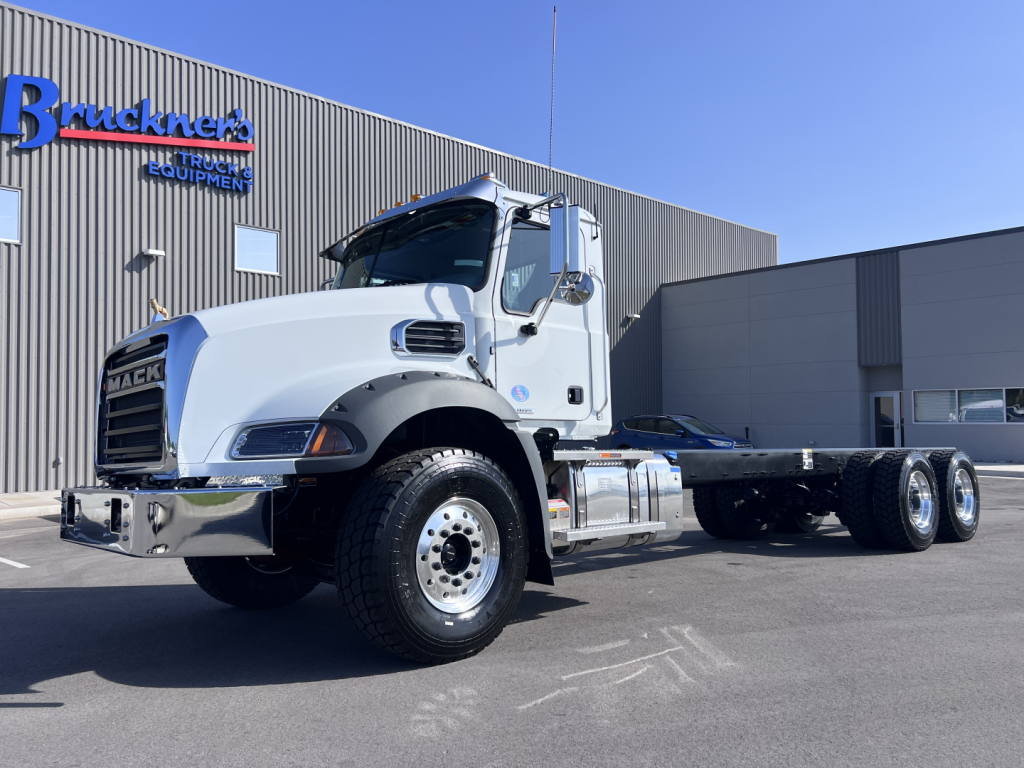
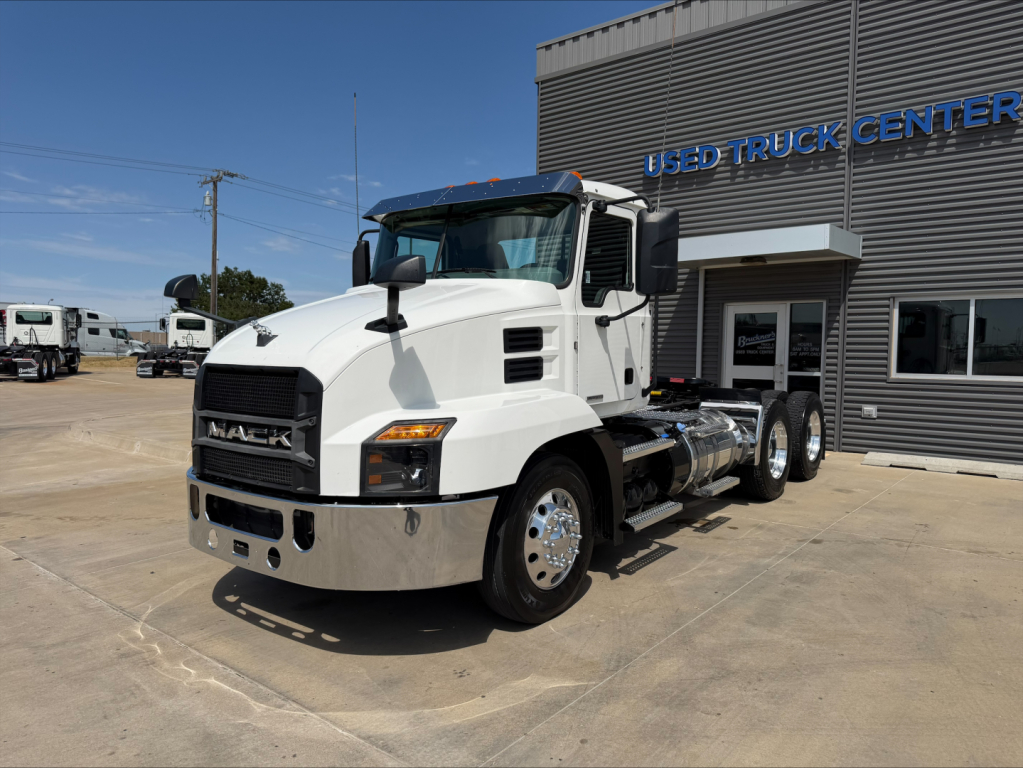
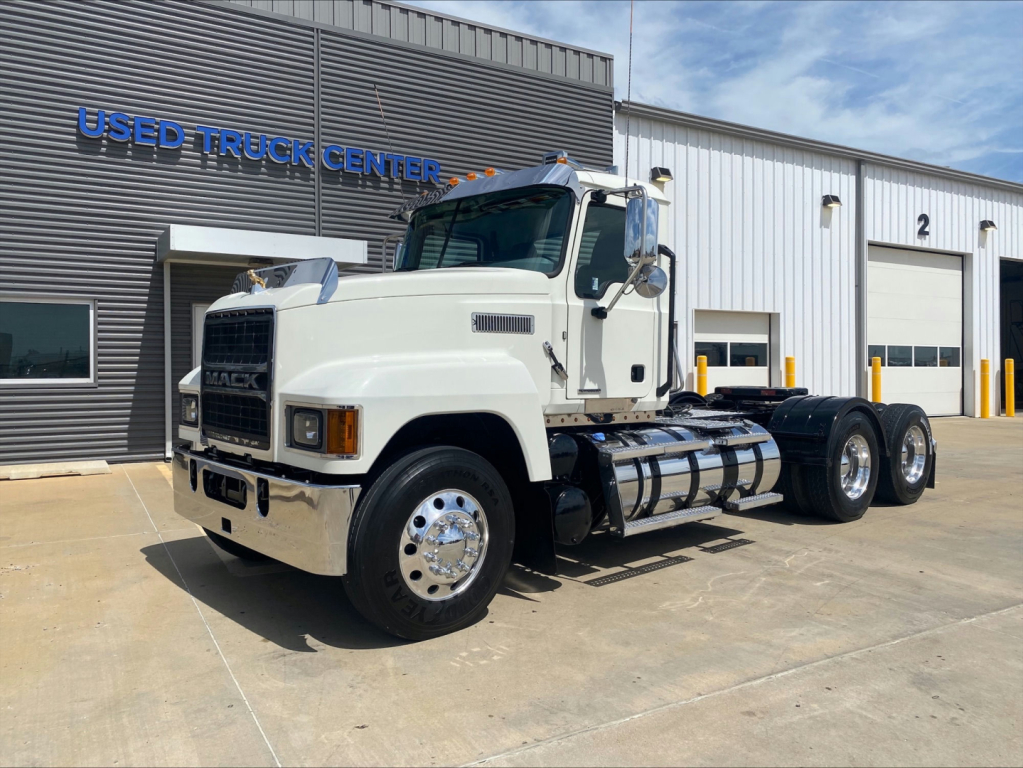
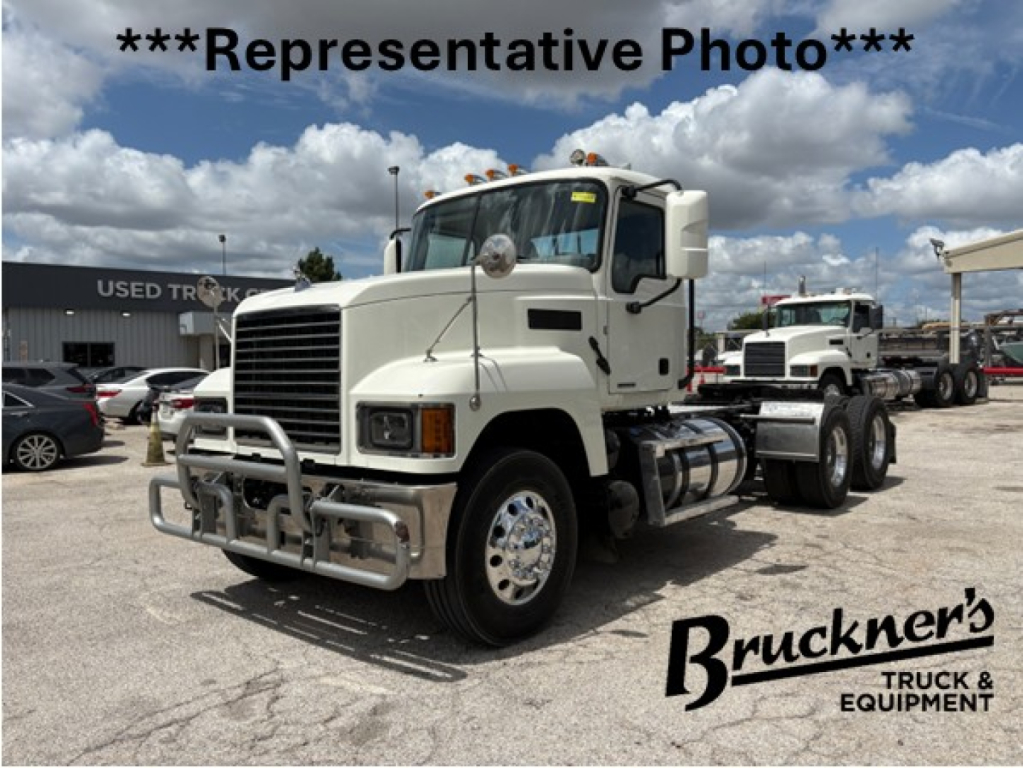
2020 Mack PI64T
2020 Mack PI64T
2020 Mack PI64T
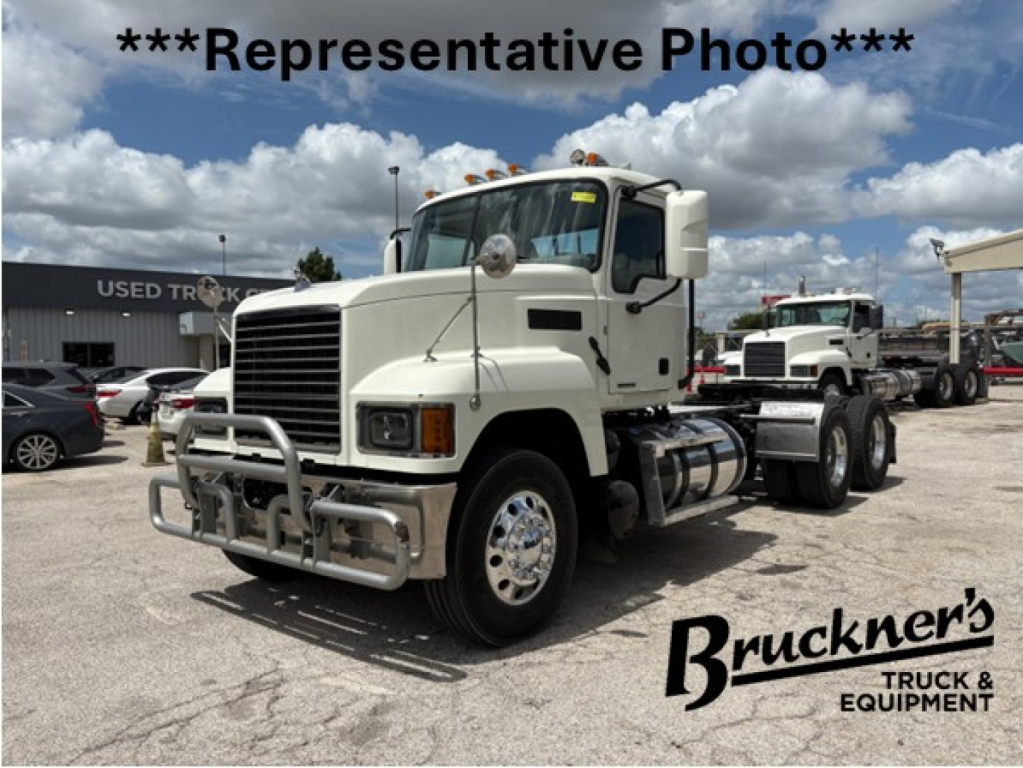
2020 Mack PI64T
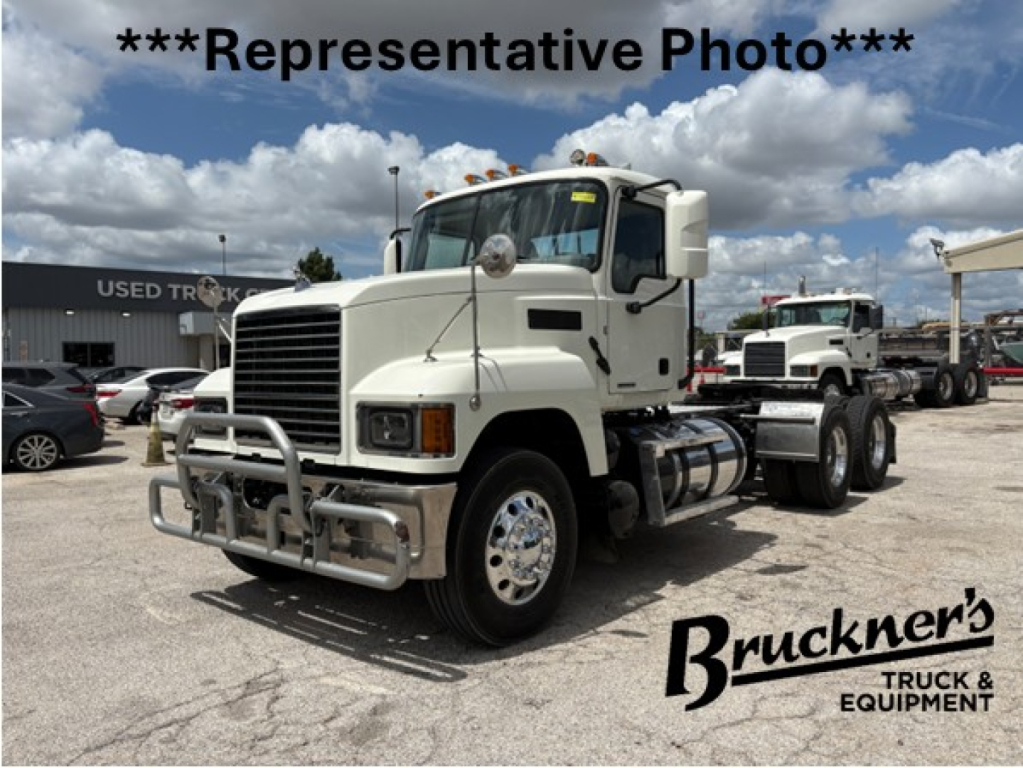
2020 Mack PI64T
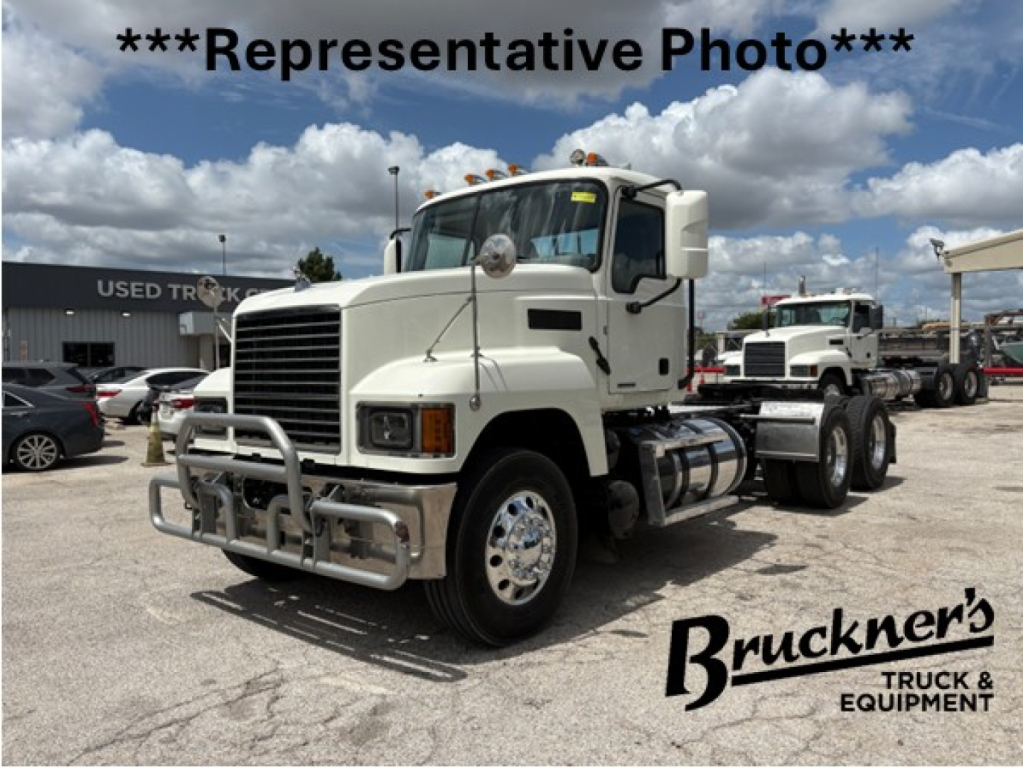
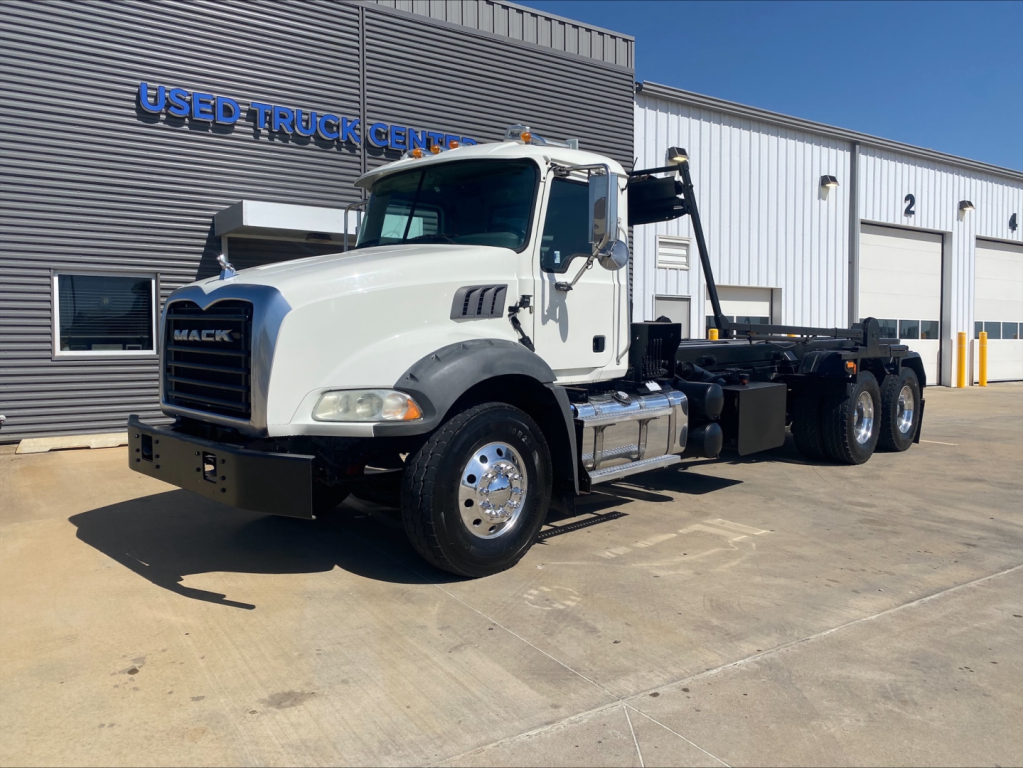
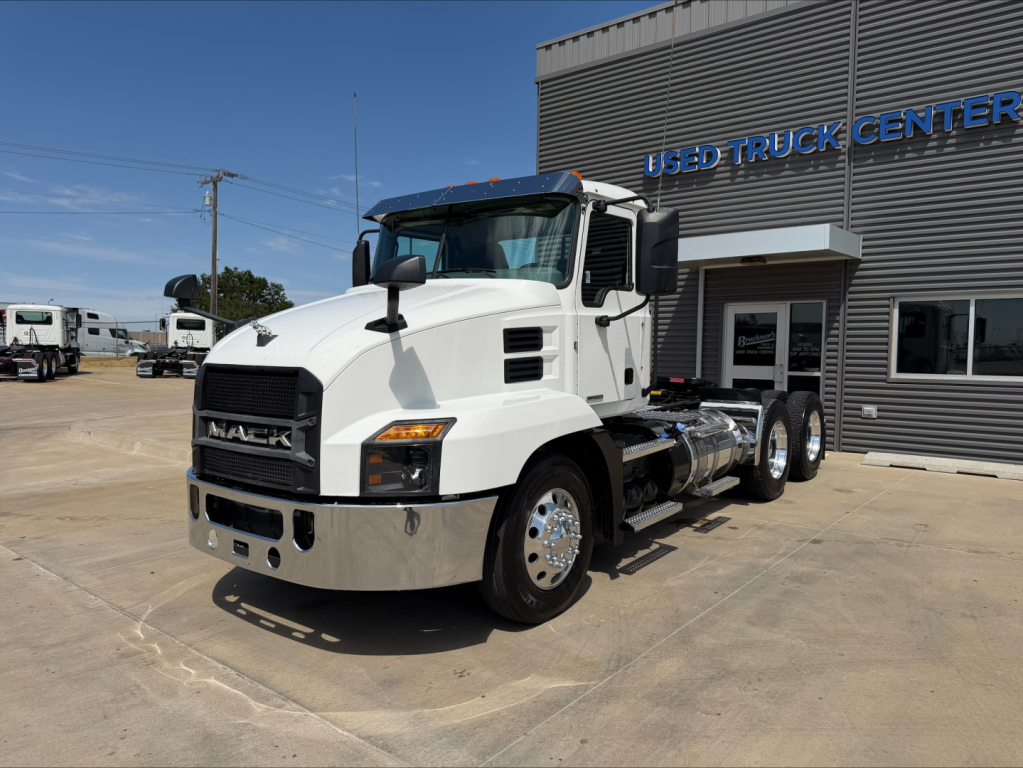
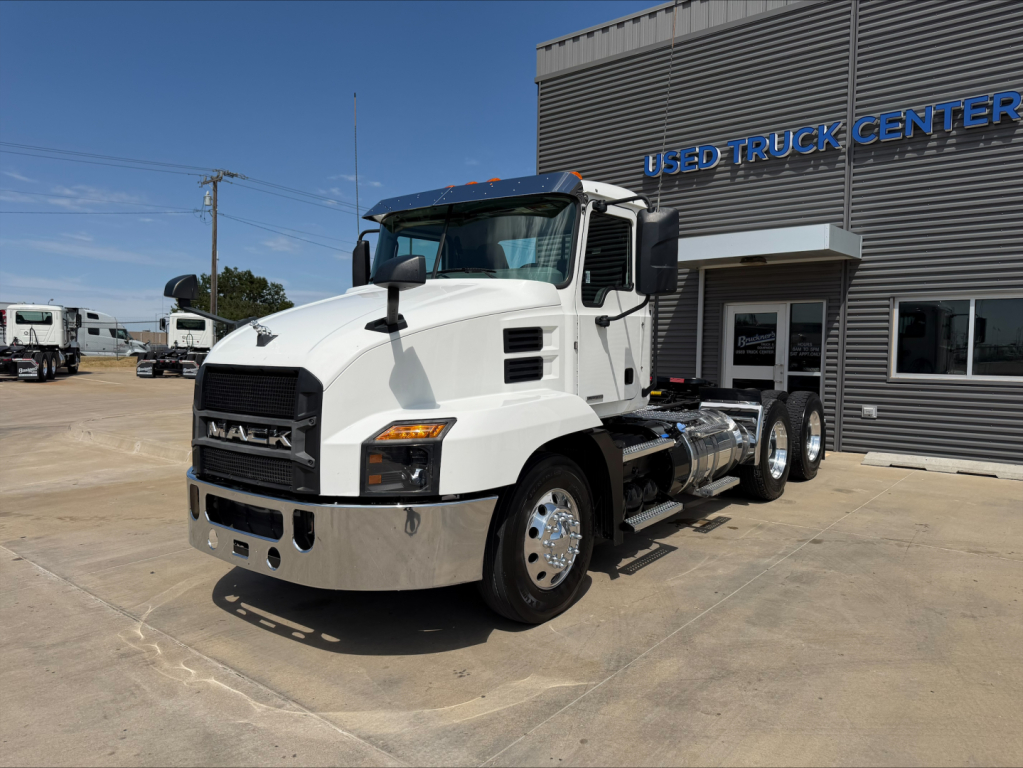
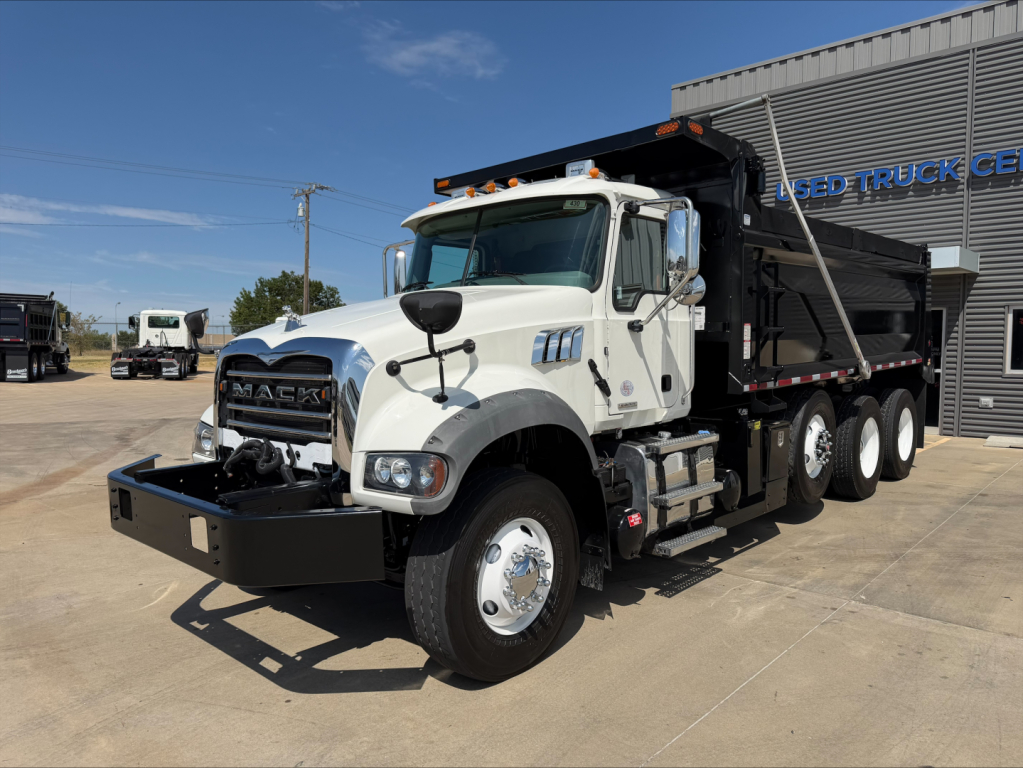
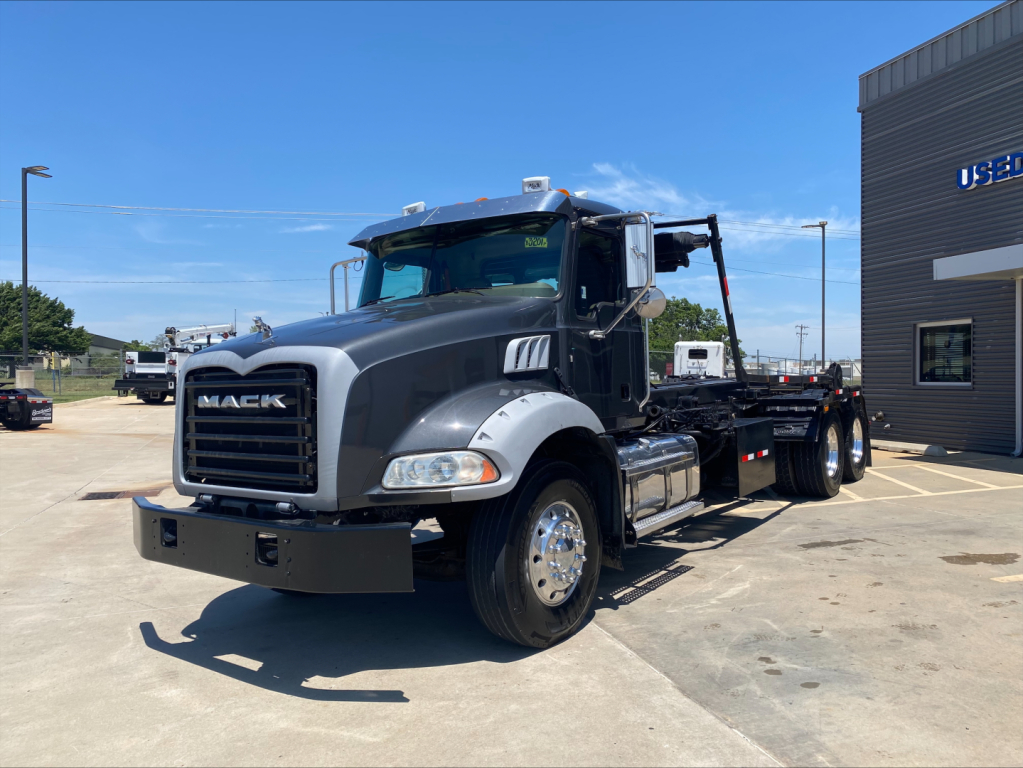
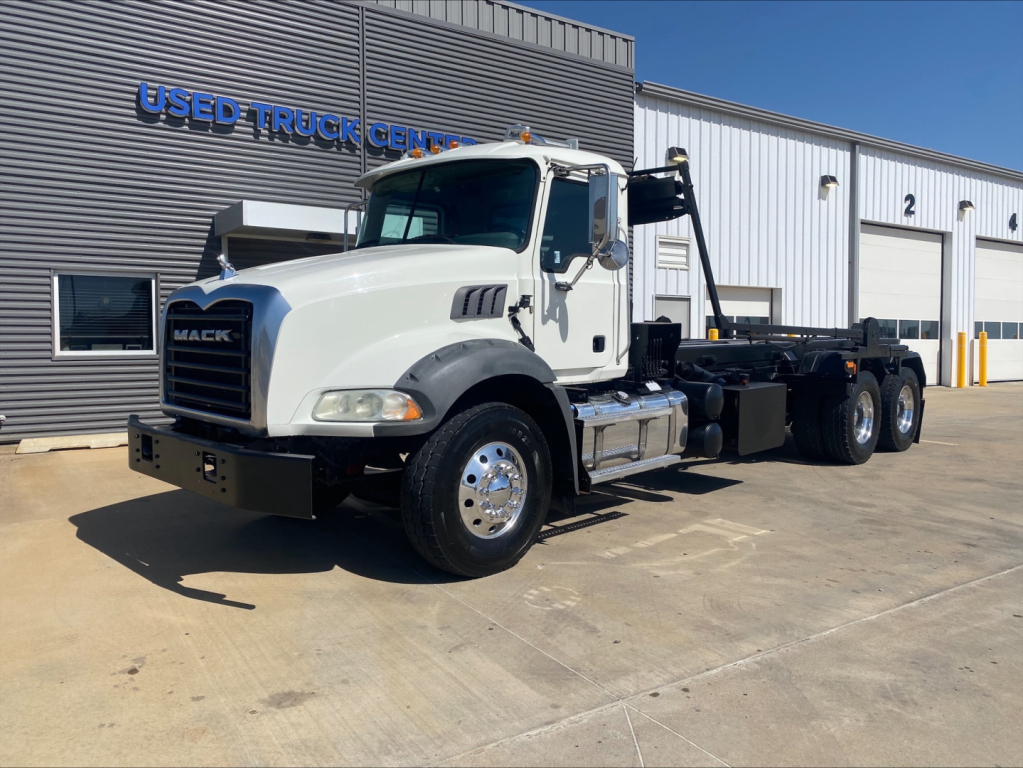
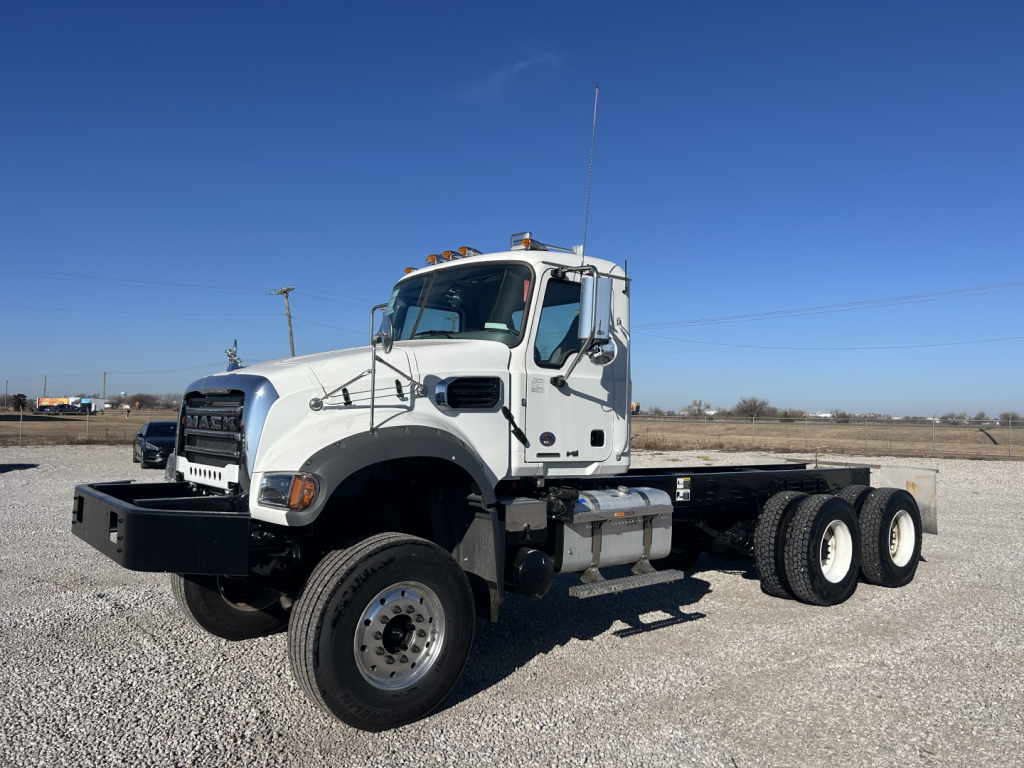
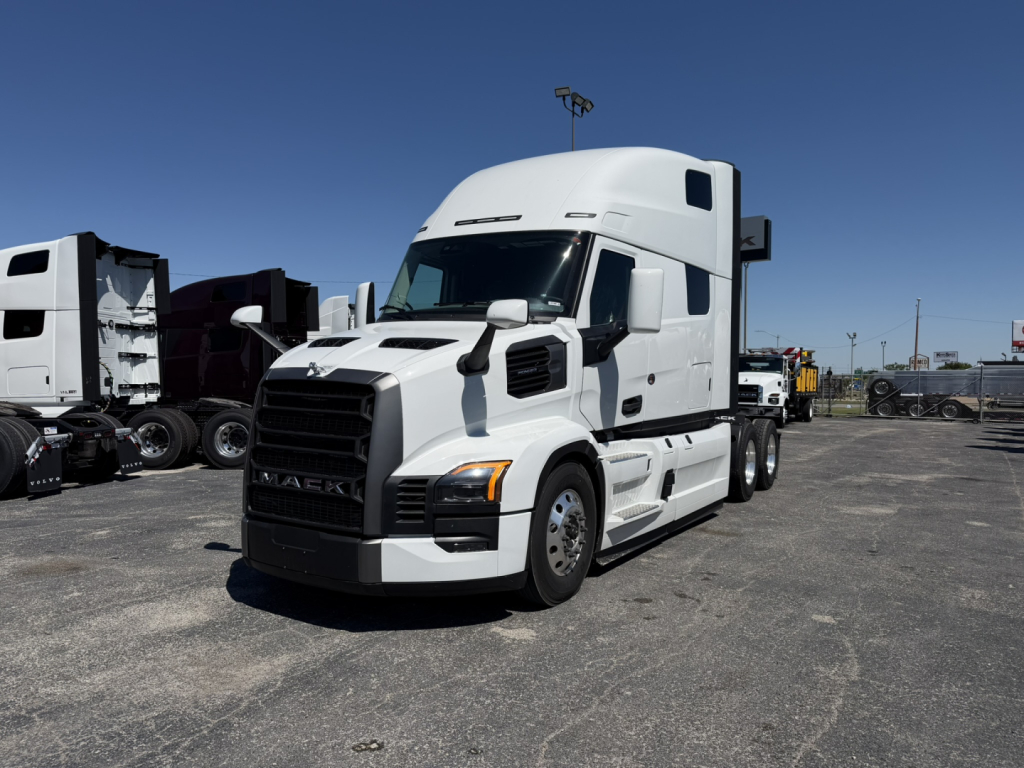
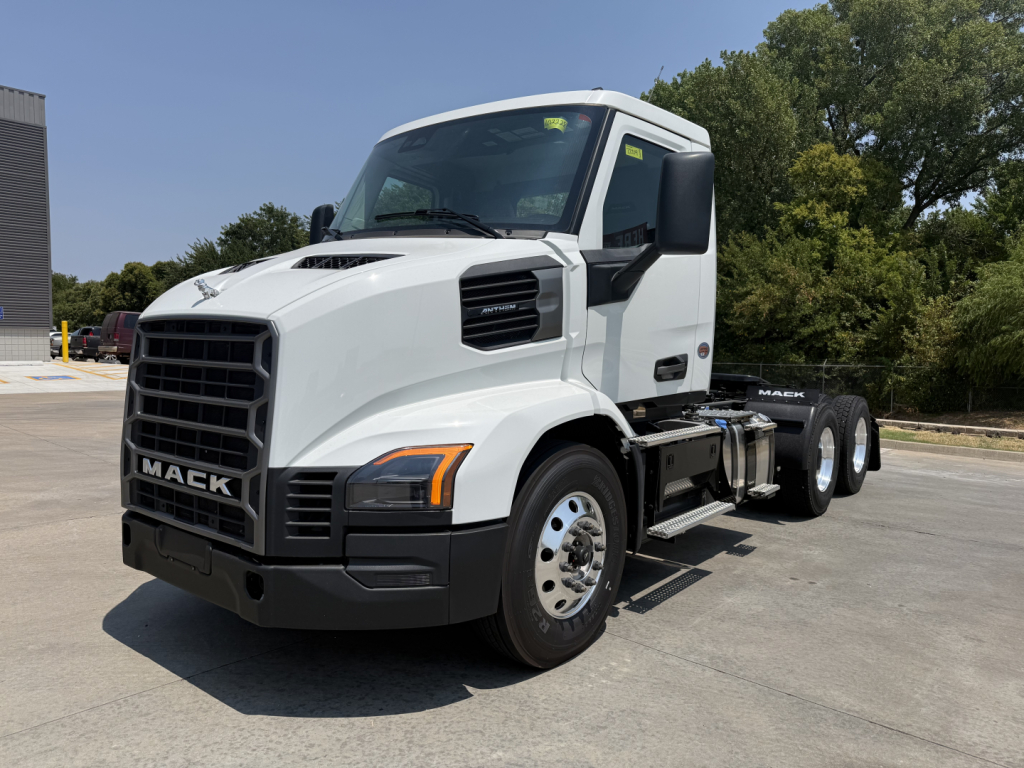
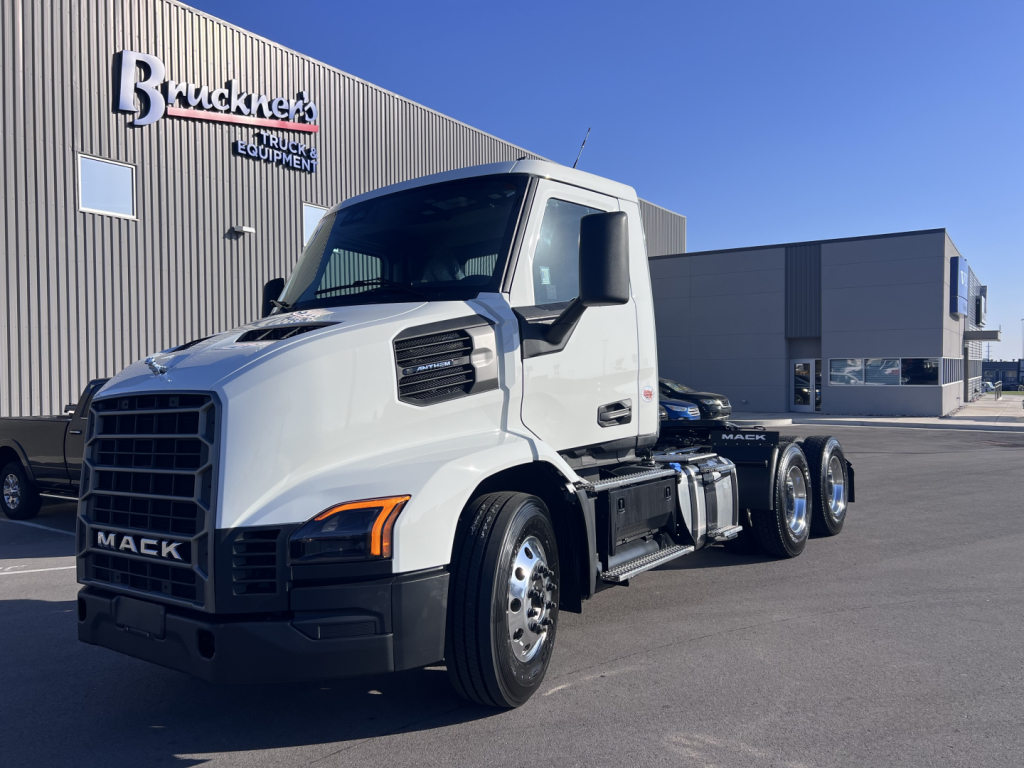
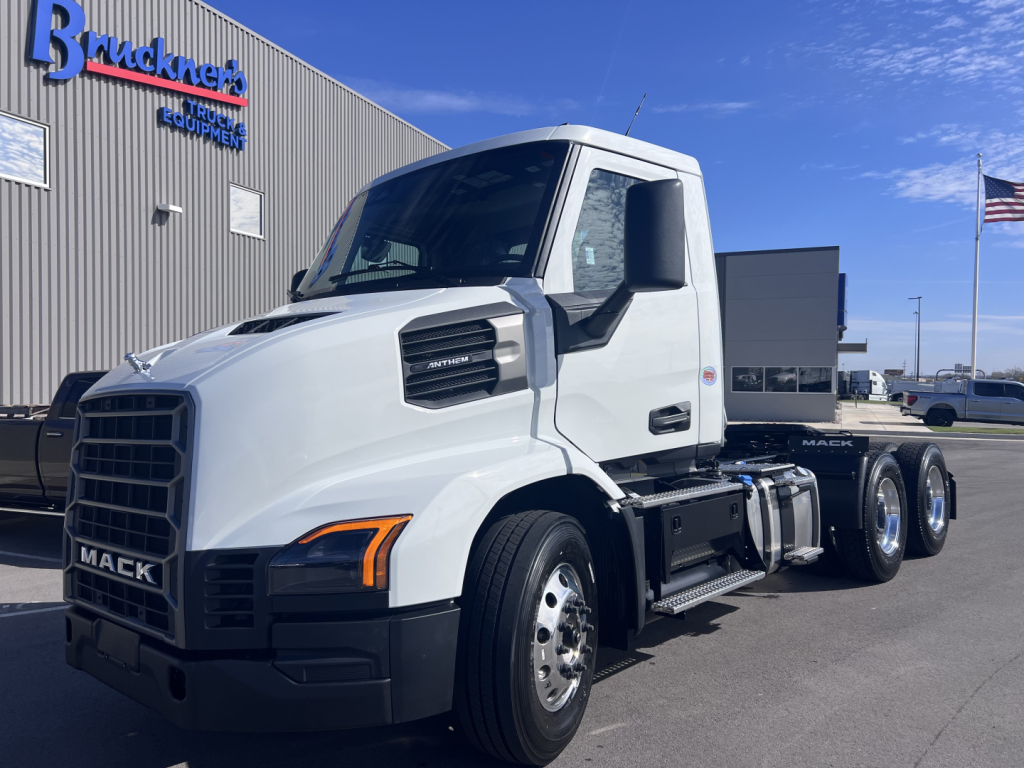
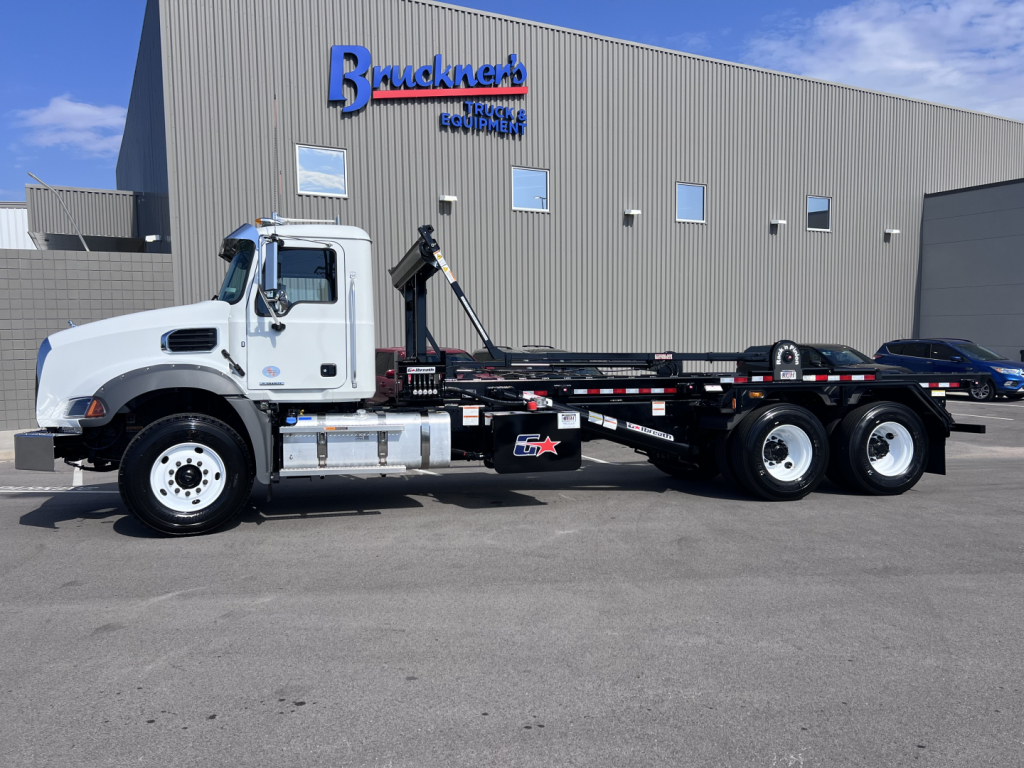
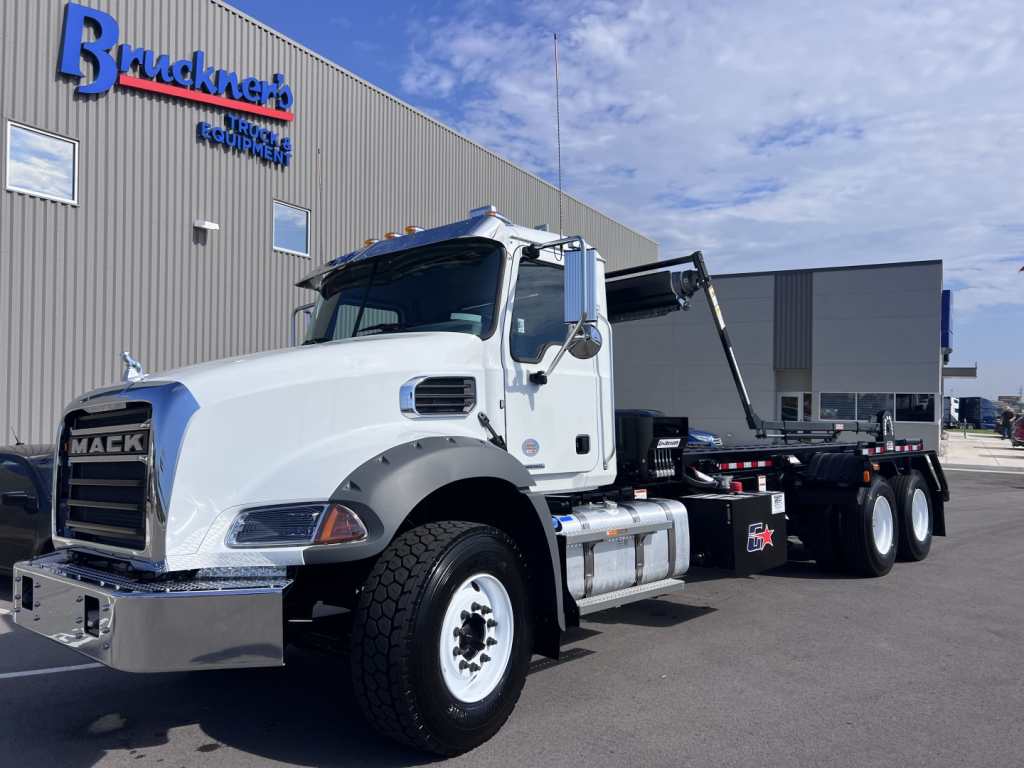
Showing 1 to 28 of 39 results
Selling a mack truck? List your mack truck for sale and reach thousands of commercial buyers.
Mack Trucks in Oklahoma
For highway use, Mack daycabs and sleepers are often spec'd with MP7, MP8, or MP13 engines, depending on the age and model, paired with mDrive automated transmissions or manual gearboxes. In Oklahoma, a buyer should pay close attention to horsepower, rear axle ratio, and wheelbase because those three specs heavily affect how the truck performs on I-35, I-40, and in mixed regional service. A 3.25 ratio with a 12-speed automated transmission can make sense for fuel-conscious highway work, while a heavier vocational setup may carry deeper ratios, larger front axles, and a longer frame for body installation or PTO-driven equipment. Front axle ratings around 12,000 to 13,200 pounds are common on road tractors, while vocational Mack trucks may step up to 20,000-pound fronts and 40,000 to 46,000-pound rears on air ride or vocational suspension.
Mack is also known for integrated drivetrains, and that matters to a used-truck buyer. The MP series engines and mDrive transmission package are widely recognized for consistent calibration and drivability, especially in fleet service. Buyers comparing used Mack trucks should look beyond miles and focus on aftertreatment history, transmission service records, axle and suspension configuration, brake type, and tire size. Disc brakes, backup camera systems, bunk heaters, inverters, dual exhaust, headache racks, and raised-roof sleeper interiors all show up depending on the truck's intended role. On cab and chassis units, body length compatibility, frame rail condition, PTO provisions, and wheelbase are often more important than cosmetic options.
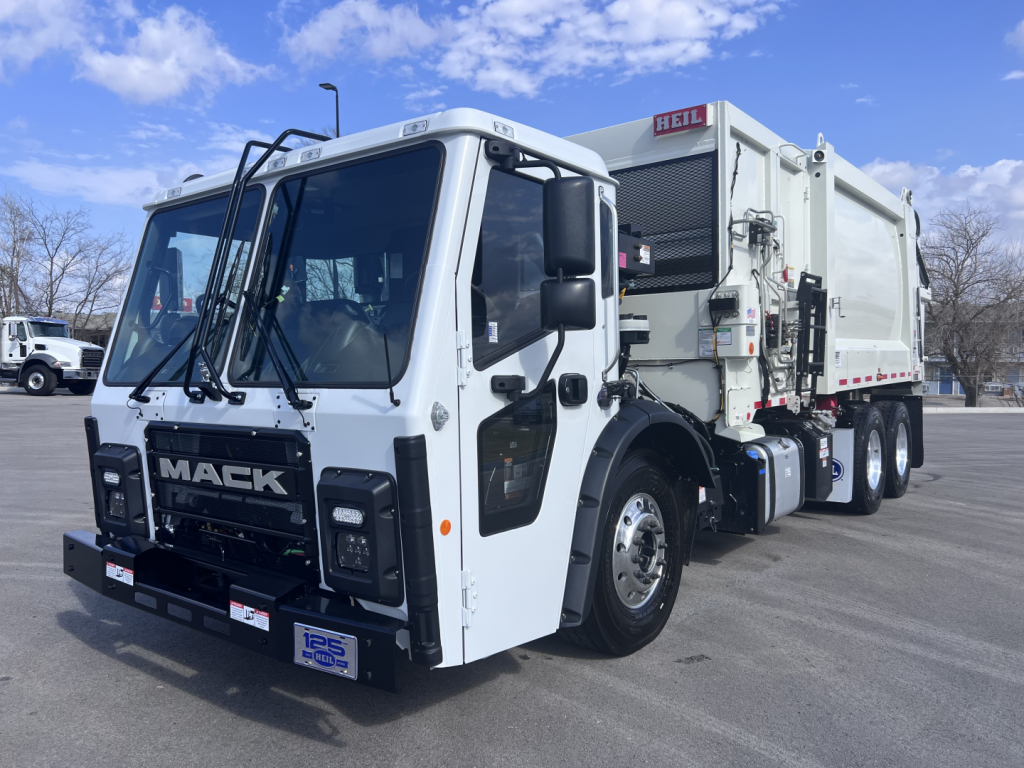
Vocational Mack trucks deserve a closer look if the truck will spend time off-highway or on stop-and-go municipal routes. Granite models are a familiar choice for dump, mixer, and severe-service applications, while the LR is a purpose-built refuse platform with the visibility, axle capacity, and body integration many sanitation fleets want. Oklahoma buyers shopping for Mack trucks often balance highway efficiency against durability, especially if the truck may see a mix of paved roads, rough yards, and seasonal heavy loads. A well-matched Mack spec can reduce downtime and improve driver acceptance, but the right truck depends on the axle ratings, transmission type, suspension, and frame setup that fit the work.
Frequently Asked Questions about Mack Trucks in Oklahoma
What Mack truck models are most common for sale in Oklahoma?
The most common Mack trucks in Oklahoma usually include Anthem and Pinnacle highway tractors, Pioneer sleeper models, Granite vocational chassis, and LR refuse trucks. Daycabs are popular in regional and local haul applications, while raised-roof sleepers are more common in longer over-the-road service. Cab and chassis units also show up for buyers planning to install dump bodies, service bodies, tanks, or refuse equipment.
Is a Mack mDrive transmission a good choice for fleet or owner-operator use?
Mack's mDrive automated manual transmission is a strong fit for many buyers because it helps standardize shifting, improve drivability, and reduce clutch-related wear compared with a traditional manual in certain operations. It is especially common in highway and regional applications. The key on a used truck is service history, software calibration, and how well the transmission spec matches the engine, rear ratio, and intended load profile.
What should I check first on a used Mack truck?
Start with the engine and aftertreatment service history, then verify transmission type, axle ratings, suspension, brake configuration, and wheelbase. For a highway tractor, confirm the horsepower, rear ratio, and tire size align with your normal gross weight and average terrain. For vocational or body-ready trucks, frame condition, PTO setup, front axle capacity, and body compatibility usually matter more than sleeper or trim features.
Are Mack trucks a good fit for vocational work in Oklahoma?
Mack trucks are widely used in vocational service because the brand offers heavy front axles, durable chassis configurations, and application-specific models for construction, refuse, and municipal work. In Oklahoma, that matters for buyers who need trucks that can handle mixed road conditions, jobsite access, stop-and-go operation, and body equipment such as dumps, side loaders, or other PTO-driven systems. The right vocational Mack depends on the frame, suspension, axle ratings, and body integration requirements.
How do I choose between a Mack daycab and a Mack sleeper?
Choose a daycab if the truck will stay in local or regional service where lower weight, easier maneuverability, and simpler spec are more important than onboard living space. Choose a sleeper if the truck will run longer lanes and the driver needs bunk space, storage, climate features, and hotel load support. The better value depends on route length, idle time, payload goals, and the wheelbase needed for your trailer setup and kingpin settings.